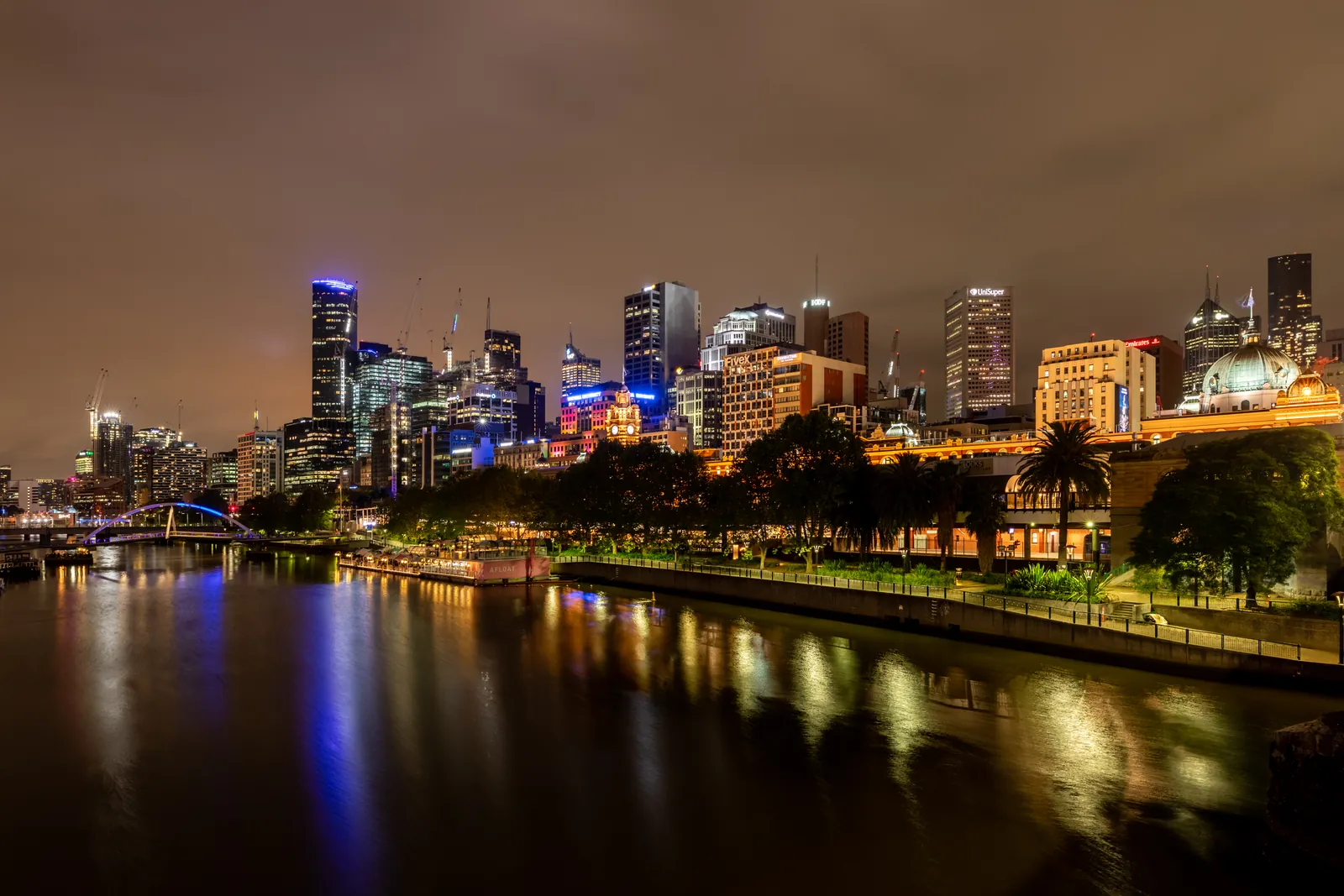

The best places in Australia are not interchangeable. Choose by the kind of trip you want, the transport that serves it and how much switching you are willing to tolerate.
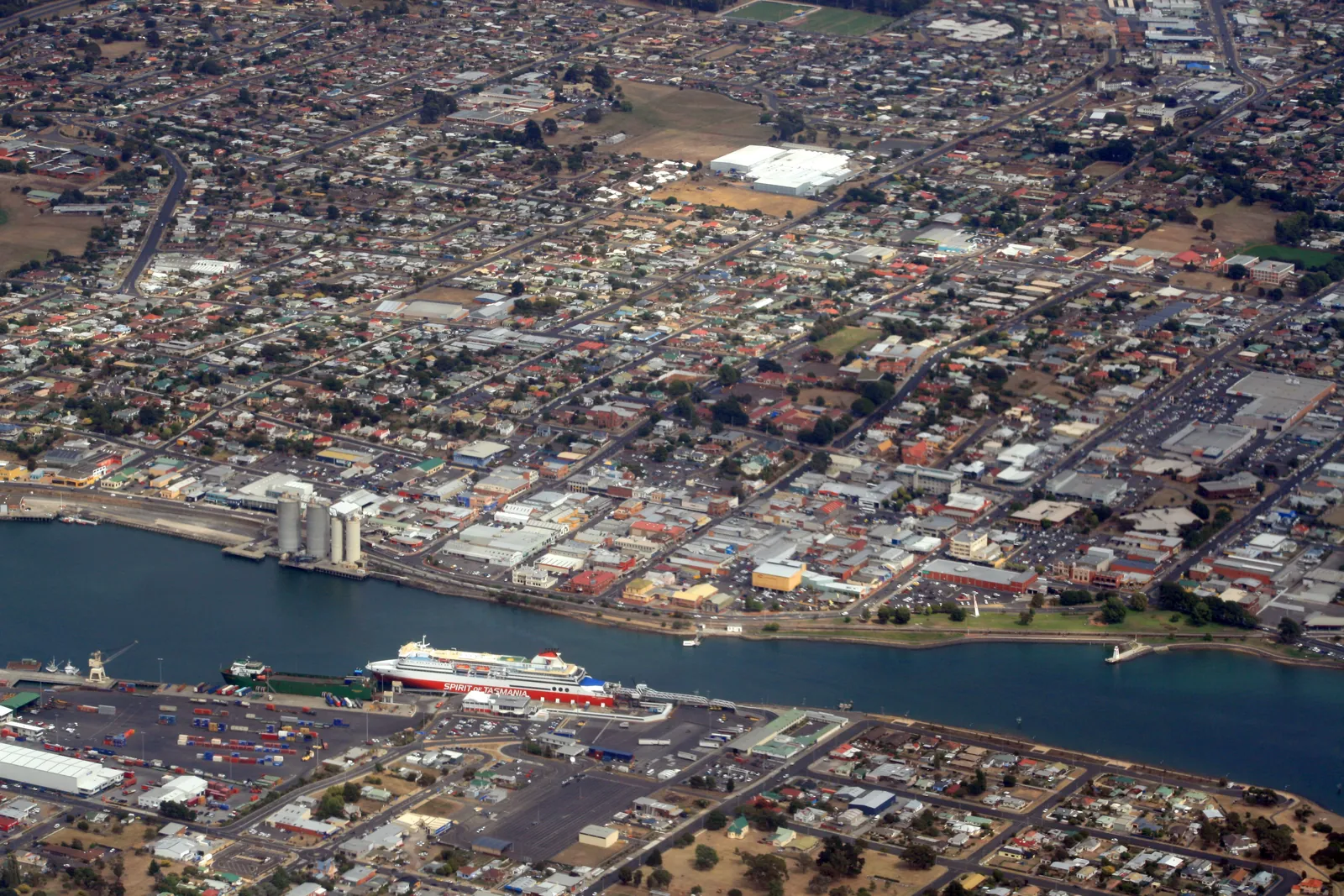
Eight anchors worth building around
- Sydney / southeast: use it as an urban and southeast base when that region is a deliberate trip system.
- Melbourne / Victoria: use it as a southeast city base when Victoria is a distinct route segment.
- Great Barrier Reef / Queensland coast: plan the exact reef area and authorised operator rather than treating the reef as one interchangeable attraction.
- Uluru / Red Centre: plan it as a specific Red Centre leg with current Parks Australia access, cultural and weather guidance.
- Tasmania: plan it as a separate island system with its own flights/ferries, road distances and protected-area conditions.
- Perth / Western Australia: treat it as a western gateway whose long-distance connections are separate from east-coast planning.
- Great Ocean Road: treat it as a Victoria coastal road-trip leg rather than a generic add-on to Sydney, Queensland or the Red Centre.
- Kakadu / Top End: plan it around seasonal road, weather and Parks Australia access conditions.
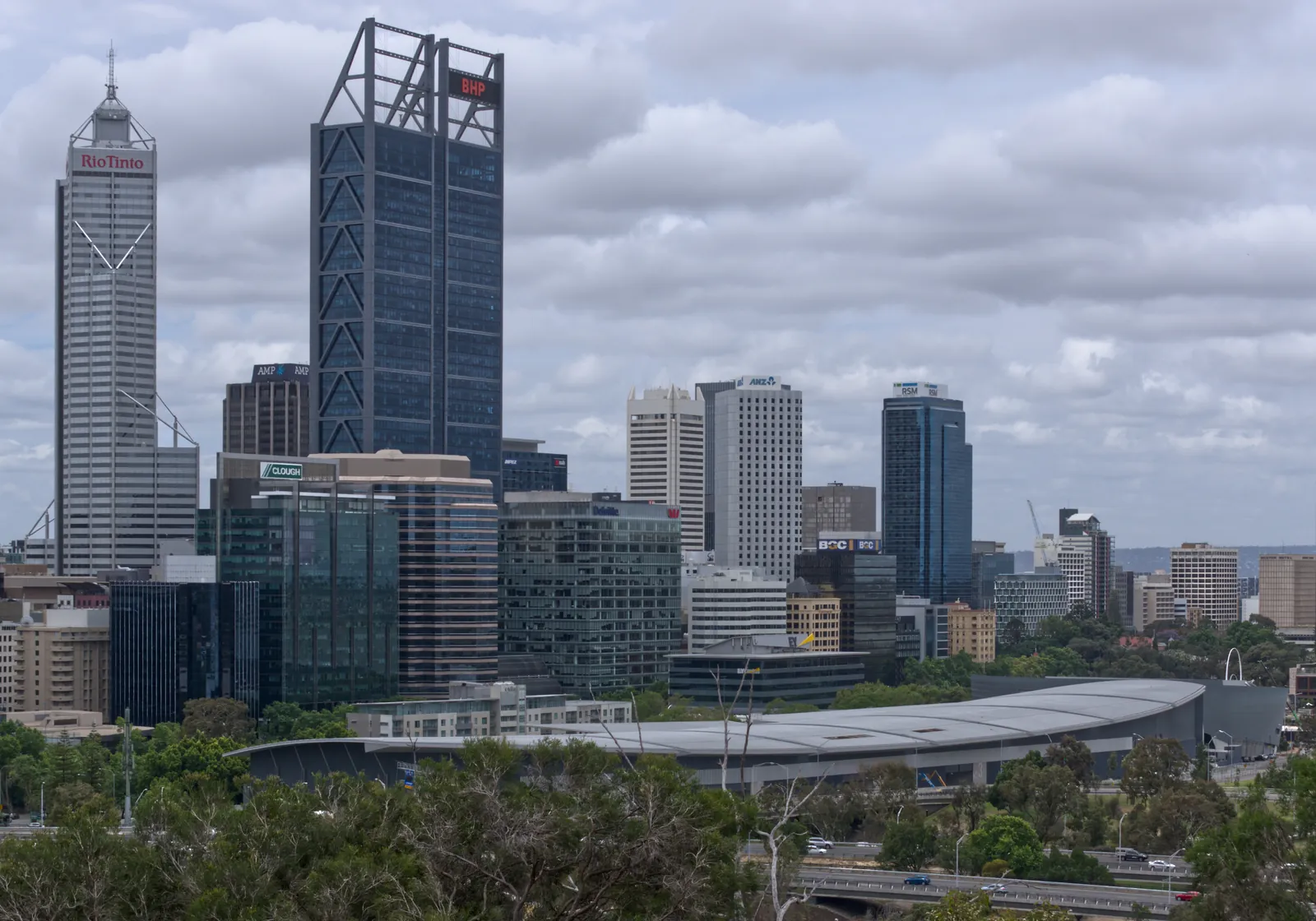
Match the place to the traveller
Choose Sydney for an urban harbour break with nearby New South Wales excursions; Melbourne for city culture and a possible Victorian road journey; Cairns or Port Douglas for a carefully chosen reef and rainforest programme; or Tasmania for a self-contained island trip. A famous site becomes the wrong choice when reaching it consumes more of your holiday than experiencing it. Compare what each region provides before booking a nationwide checklist.
Which places combine cleanly?
- 7 days: Choose one coherent region, such as the southeast OR a Queensland reef gateway. Both should not be assumed to fit a short trip.
- 10 days: Deepen the first region, or add one substantial extension if it genuinely suits your priorities and season.
- 14 days: Two well-planned regional chapters may be feasible; do not assume any distant pair combines easily.
When a headline destination is the wrong choice
Treat each coast and the interior as separate long-haul routes; road distances and heat need conservative pacing. Protect the final international connection from weather-sensitive domestic flights, ferries or long road legs.
Use popularity as a warning, not a ranking
TripMag does not label one place objectively “best”. The better question is whether it improves the route. A stop that fits the transport spine and deserves two or three nights usually beats a more famous place added only for a photograph.
Start by ranking experiences, not destinations
Australia does not offer a single objectively best place to visit. The answer changes depending on whether you want a city rich in food and culture, time in an extraordinary marine environment, a landscape shaped by living Aboriginal culture, a wilderness walking trip or a slower coastal journey. When every famous name is presented as compulsory, the result is a list that looks inspiring but cannot be travelled with any enjoyment. Choose an experience first and make geography your second filter. A week in one region can reveal much more than a rushed procession through several states.
Use a simple test before adding any place to the itinerary. Can you explain why it matters to you without mentioning its online popularity? Can you reach it sensibly from your previous base, and will you have enough hours on the ground to enjoy it? Do you know which parts of the experience require permits, guides, bookings or seasonal access checks? A place that fails those questions might still be remarkable, just not appropriate for this trip. This guide is a shortlist of different kinds of Australia, with clear reasons for choosing or skipping each one.
Sydney: choose an urban experience with a harbour at its heart
Sydney makes sense for travellers who want a city with significant cultural landmarks, neighbourhoods, water-based views and a choice of urban activities. The harbour provides a memorable setting, but a visit becomes more rewarding when it includes time away from a single landmark photograph. Consider museums, public spaces, neighbourhood food and a manageable waterfront walk selected for your interests and physical needs. A city-based itinerary can change with the weather more easily than one built entirely around a specific outdoor excursion. That flexibility is useful when arriving after a long international flight.
Stay where your intended activities are reasonably connected rather than choosing a property solely by its skyline view. A harbour-side accommodation listing may look convenient, but it might not suit the districts you intend to explore. If you are considering a cruise, ferry or specialist tour, verify the current departure point, availability and any conditions. Sydney can justify multiple nights without an interstate flight. For a traveller whose main interest is the eastern city experience, the best use of a short holiday may simply be to explore Sydney and one nearby part of New South Wales properly.
Blue Mountains: a different pace beyond the city
The Blue Mountains give visitors interested in natural landscapes an option within the broader New South Wales travel system. They are not simply an empty viewpoint to photograph before racing back. A thoughtful visit can involve learning about the area's environment, choosing a walk appropriate to your abilities and spending time in local communities. The Greater Blue Mountains Area is recognised by UNESCO for its natural significance, a useful reminder that the destination deserves more care than a quick social-media checklist.
Before leaving Sydney, identify what you intend to do and how you will reach the particular starting point. A rail arrival does not necessarily put every viewpoint or trail within an easy walk; other sites require further local movement. Check weather, track notices and transport with the relevant responsible authorities. In periods of fire danger or severe conditions, follow current warnings rather than a saved itinerary. If you value longer walks or a quieter pace, consider a regional overnight stay. If you have only a few hours, select one manageable experience instead of pretending to cover the mountains in a day.
Melbourne: a city for culture and neighbourhood exploration
Melbourne can be a strong choice for travellers more excited by urban culture, restaurants, museums, architecture and local neighbourhoods than by seeing the most famous postcard view. Give the city a clear purpose and enough time to pursue it. A traveller interested in exhibitions might plan around particular institutions; a food-focused visitor might prefer a loose schedule with room for local discoveries. Choose your accommodation according to the actual places you intend to visit, and avoid paying for a rental vehicle unless a wider regional journey makes it useful.
Melbourne also works as a gateway to some Victorian destinations, but it is important to keep the city visit and a separate driving holiday from competing for the same afternoons. If the Great Ocean Road is an essential part of your plan, allocate the travel time it deserves rather than assuming every coastline stop can be fitted around a city sightseeing day. Current operating hours, event calendars and road conditions still require verification. The strength of a Melbourne stay is often how easily the itinerary can be tailored to specific cultural interests.
Great Ocean Road: a road journey, not a single photograph
Victoria's Great Ocean Road is an appealing choice for travellers who enjoy the journey itself. Coastal scenery, changes in landscape and the opportunity to make selected stops are part of its appeal. However, a photograph of a well-known rock formation says little about driving time, traffic or the amount of meaningful exploration possible in one day. Treat the route as a sequence of deliberate choices. Some travellers will value a shorter segment and time on foot; others may prefer a slower journey with an overnight stay.
Before setting out, identify the section that matters most and check current road conditions and any local access restrictions. Avoid planning a full itinerary solely around distances shown on a screen; breaks, parking and weather all affect the real experience. If you are not comfortable with an extended drive, consider an appropriately organised excursion or limit the route. The Great Ocean Road belongs naturally in a Victorian journey. It does not need to be attached to a hurried trip involving Sydney, Queensland and the Red Centre merely to complete a national highlights list.
Great Barrier Reef: choose a particular marine experience
The Great Barrier Reef is not one attraction with a single entrance and a standard day-trip formula. The marine park spans different areas, with varied possibilities for snorkelling, diving, sailing and viewing the reef from different settings. Start by choosing the experience that suits you and the gateway from which a responsible operator actually departs. The Great Barrier Reef Marine Park Authority provides official information about responsible reef practices, zoning and site-specific management. Those rules matter more than an influencer's photograph of a seemingly empty reef.
Consider your confidence in the water, the group's abilities and the operator's safety procedures. Never assume wildlife sightings, perfectly clear visibility or a particular marine condition will be guaranteed. Reef visits can be especially meaningful when the guide explains ecology and conservation rather than promising spectacle. Ask which activities are included, whether equipment is supplied and what happens if weather prevents departure. Build time for a land-based alternative rather than attaching a single non-refundable boat trip immediately before a flight.
Cairns and Tropical North Queensland: a gateway with several choices
Cairns and its surrounding region appeal to travellers interested in marine nature and a tropical environment, but the gateway should not be confused with every destination that might be reached from it. A reef excursion, an organised rainforest experience and time exploring local communities each require different transport and operating conditions. Start with two priorities rather than buying a package of activities simply because the same destination name appears in the sales copy. The right base depends on which departure points and experiences you will actually use.
Tropical climate patterns can affect travel and conditions for both marine and inland activities. Check current official weather information, the responsible land manager and the operator for your chosen dates. If the destination involves a national park, a protected natural area or a community-managed experience, follow its access rules. A tropical region is not an all-access adventure playground. Families, travellers with mobility needs and first-time snorkellers should confirm the suitability of individual outings before booking. A focused north Queensland itinerary can offer substantial variety without crossing the continent.
Whitsunday Islands: distinguish islands, reef and sailing
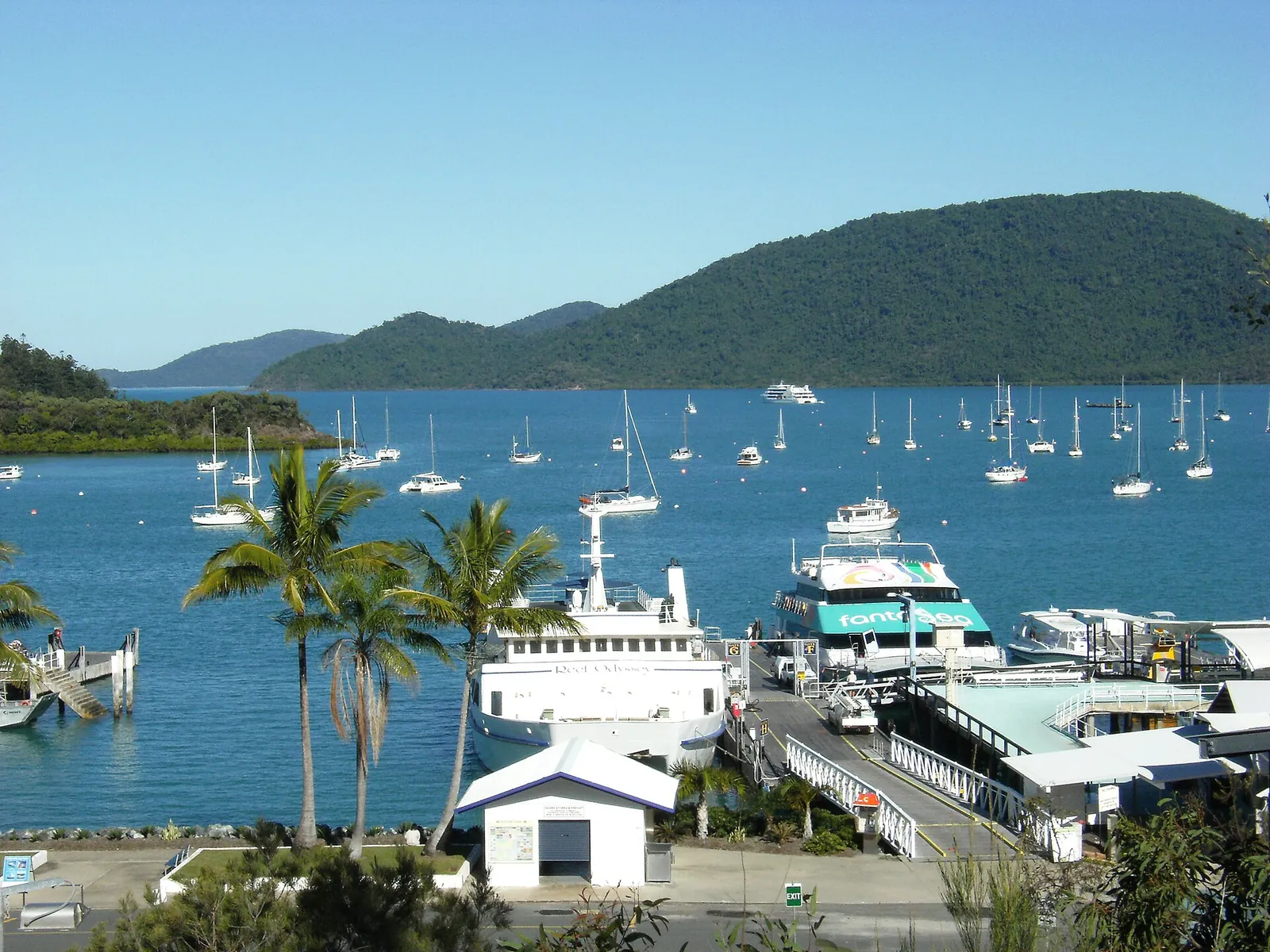
The Whitsundays are often portrayed as a single immaculate beach, but a trip may instead involve an island stay, sailing, a particular beach visit or another marine activity. Decide which of these you actually want before choosing accommodation or comparing a package. Some programmes involve a boat journey and have weather-dependent schedules. An island resort experience is not equivalent to a multi-stop sailing trip, and neither automatically guarantees access to every photographed location.
Look carefully at the departure point, transfer arrangements, luggage restrictions and what is included in the booking. If you have children, limited mobility or a low tolerance for rough water, ask questions about the precise trip rather than relying on a broad “suitable for everyone” label. Environmental rules and operator standards still apply. The Whitsundays are a convincing holiday focus in their own right. They can be less enjoyable when squeezed into a short regional visit purely because you want to add another impressive coastal image to the collection.
Uluṟu-Kata Tjuṯa: understand a living cultural landscape
Uluṟu and Kata Tjuṯa should be approached through the cultural and environmental context of Uluṟu-Kata Tjuṯa National Park, managed jointly with Aṉangu Traditional Owners. They are not simply dramatic objects for a sunset photograph. Choose the experience with respect for the park's official interpretation, permitted access and cultural protocols. The park photography guidance explains that some culturally sensitive places must not be photographed and that commercial images may require permission. Respect that guidance even when other visitors appear less careful.
Season, heat and the suitability of a particular walk matter in exposed inland environments. Review current park information and the needs of everyone in your group. A meaningful visit can include cultural learning, appreciation of the landscape and appropriate short activities without trying to cover every viewpoint. If you have only a week in Australia and your main priority lies on the east coast, the Red Centre may be more rewarding as a dedicated future journey. This is a destination to visit deliberately, not an item to tack onto an already overstretched calendar.
Alice Springs and the wider Red Centre: choose the scope carefully
Alice Springs may feature in plans to explore parts of central Australia, but it should not be treated as if every famous inland attraction were a simple city excursion. Decide whether you want an urban base, particular cultural institutions or a wider, properly organised outback journey. The exact transport route and available services matter. In remote country, long driving legs, exposure, fuel or charging availability and responsible land access are substantive parts of planning, not fine print to read after paying for accommodation.
If you are considering a self-drive route, inspect the rental terms and road requirements rather than assuming an ordinary city vehicle will suit all surfaces. Check the relevant local authorities and providers for current conditions. Travellers interested in cultural experiences should look for respectful interpretation and community-led opportunities where offered, without assuming that any cultural knowledge is open to visitors. A carefully scoped Red Centre journey can be powerful; an improvised dash between distant landmarks can consume time while providing little understanding.
Kakadu National Park: plan for climate and cultural significance
Kakadu is a strong choice for travellers drawn to a landscape with profound Aboriginal cultural significance as well as remarkable natural environments. It belongs within a Top End journey, not a typical stop between Sydney and Melbourne. Seasonal rain and road conditions influence which sites can be visited. Follow Parks Australia's current park information, including guidance for access, protection of cultural places and appropriate visitor behaviour. An image of a waterfall or lookout does not prove that the route is open on your chosen date.
Consider whether you prefer guided interpretation, specific permitted walks or a wider nature programme. Ask providers about access, meeting points and alternatives when conditions change. If you hope to create commercial photos or use existing park images for a monetised publication, park-specific authorisation rules are an additional consideration. For ordinary travellers, cultural and environmental respect should shape the experience: follow signage, do not intrude into restricted places and avoid treating local communities as scenery. A Kakadu trip benefits from time and preparation, not a rushed highlights schedule.
Darwin and the Top End: a complete northern journey
Darwin may be an appropriate base for a northern trip, but the city and the wider Top End serve different travel purposes. Some visitors enjoy the city and its cultural life; others use it to connect to national parks and nature-focused experiences. If your holiday includes remote excursions, investigate the exact gateway, transfer, season and operator before fixing the full accommodation chain. The broad dry-season pattern does not promise that every road, waterway or walking route is open.
Think about what a successful northern holiday would look like if one outdoor activity could not operate. Could you explore a cultural institution, enjoy a more accessible destination or simply spend additional time in the base you chose? That flexibility is important when travel depends on weather or managed-area access. Darwin and its region offer a coherent alternative to east-coast touring; they should not be squeezed into the middle of a trip designed around southern cities just because they appear on the same national map.
Hobart: culture and a measured introduction to Tasmania
Hobart is a useful starting point for a Tasmania journey, particularly for travellers who value a city with a strong sense of place and access to selected regional experiences. Build a stay around cultural interests, food and a pace that permits discovery. If your main objective involves a particular museum or exhibition, verify its current opening information. Avoid assuming that a hotel near the centre also gives easy access to every natural landscape elsewhere on the island.
For travellers considering additional Tasmanian destinations, research their real travel time and any park entry or walking requirements. A week on the island can be more rewarding when it concentrates on a few regions instead of trying to drive everywhere. Weather can change the suitability of mountain or coastal activities, and a city forecast is not a complete guide to remote conditions. Hobart can serve as the centre of a thoughtful trip rather than only the first sleeping stop in an exhausting island circuit.
Cradle Mountain and Tasmania's protected landscapes
Tasmania's mountain landscapes attract travellers seeking outdoor experiences, but a photographed boardwalk and a demanding exposed hike are not the same activity. Cradle Mountain-Lake St Clair National Park is a managed area whose visitor arrangements and track advice should be checked with Tasmania Parks and Wildlife Service. Choose walks according to actual ability, conditions and the time available, not their online popularity. The appropriate equipment and travel plan may differ substantially from those for an urban Hobart stay.
If walking is your primary motivation, consider making the park experience a central chapter of a Tasmania itinerary instead of placing it between long drives. Accommodation, permitted access and transport should be planned together. Some travellers will prefer shorter interpretive walks and time appreciating the environment; others may have the experience and preparation for more demanding routes. Neither option is a lesser version of Tasmania. Respect weather warnings and closures, and do not assume that a track described as iconic will necessarily be suitable during your visit.
Perth and the southwest of Western Australia
Perth offers a western city experience that should not be reduced to its distance from Sydney and Melbourne. Visitors interested in neighbourhoods, culture and selected regional experiences can construct a rewarding holiday without travelling to the opposite coast. Decide whether the city itself is your primary destination or the starting point for a wider southwestern journey. In either case, distinguish daily urban movement from a longer drive requiring its own overnight accommodation and road planning.
Western Australia is enormous, so do not assume that a destination in the same state is a reasonable day trip. Research the specific region, distance and suitable time of year. If outdoor activities are central, consult the responsible park or local authority and check the route for seasonal risks. A long western trip might justify a rental vehicle; a primarily urban stay may not. Perth works best as a considered starting point rather than a hurried way of adding another major city to a national scorecard.
Broome and the Kimberley: a different commitment
Broome and the Kimberley may appeal to travellers who want northern Western Australian landscapes and regional cultural experiences, but the travel scale can be challenging. Remote driving is not a casual extension of a Perth city break. The route, vehicle, available services and local seasonal conditions need to be researched carefully. Some experiences may require responsible guides or specific permissions, and community and Traditional Owner arrangements must be respected.
Do not book a string of remote accommodation nights without understanding how you will move between them. Unsealed roads, changes in access and long distances require realistic preparation. A provider's striking photograph should never stand in for proof that a particular site can be visited safely and lawfully. If such logistics do not fit your time or confidence level, choose a shorter, well-supported experience or a different region. This part of Australia rewards travellers who want the journey itself and are prepared to plan it accordingly.
Adelaide and South Australia: an alternative to the standard list
Adelaide may be especially rewarding for travellers interested in food, museums, public spaces and opportunities to explore South Australian regions. It is worth considering on its own terms rather than as a consolation when a more famous city seems too crowded. The surrounding possibilities are diverse, and a good itinerary begins by deciding which one genuinely appeals to you. A local cultural stay, a selected coastal experience and a regional drive are not automatically interchangeable days.
Compare the full time required for an excursion with the depth it adds. If a particular landscape or community visit matters, allocate enough nights for that purpose; if you mostly want the city, keep the programme calm and accessible. Seasonal weather and special events can change the practical planning needs, so verify arrangements directly. Adelaide demonstrates that choosing the best place for your own trip often means looking beyond the most repeated national highlights without feeling obliged to compensate by adding distant locations.
Kangaroo Island: let the island be the destination
Kangaroo Island can attract visitors interested in natural landscapes and wildlife, but it should not be presented as an effortless stop during any South Australia visit. Identify your transport to the island, the onward road journey, accommodation base and intended managed-area activities. Ferries and other transfers have operational requirements, and wildlife sightings cannot be guaranteed. A trip based on one animal photograph may be disappointing if it leaves no time to appreciate the island as a broader environment.
Responsible nature travel means maintaining appropriate distance from animals, respecting park rules and choosing providers whose practices can be explained. If the island is important to you, dedicate enough time to make its travel commitments worthwhile. If your schedule is very short, a mainland South Australia itinerary may be more sensible. Check current island transport, park conditions and any wildlife-related activity arrangements before final payment. An island visit is at its best when the journey and the environment both receive thoughtful attention.
Canberra: heritage, national institutions and a different urban perspective
Canberra offers a different reason to travel from reef, coastal or wilderness destinations. For people interested in Australian public institutions, museums and national history, a city stay can provide depth that an exclusively scenery-focused route will not. Identify the exhibitions or public spaces that match your interests and confirm their current opening arrangements. A well-planned visit can be more rewarding than adding another long-distance nature destination to an already crowded itinerary.
Because Canberra sits within the southeastern travel system, some visitors may consider it in conjunction with other urban destinations. But do not assume that a map position guarantees a convenient same-day visit. Account for actual train, coach, flight or road connections and the time required to enjoy a cultural institution. The same rule applies here as everywhere else: include Canberra because you have a reason to visit, not merely because your itinerary looks more complete with the national capital on it.
Which places belong together in seven days?
A week is usually enough for one good regional chapter rather than a successful tour of the continent. Sydney with a sensible nearby New South Wales experience is one option. Melbourne with a measured Victorian excursion is another. A particular Queensland reef gateway could form the heart of a marine and tropical holiday. Tasmania can justify a dedicated trip, as can a properly organised Red Centre experience. These are alternatives to compare, not components to combine in the same seven days.
When choosing, write down the number of full days left after arrival, departure and the real transfer to your base. If the region has a single weather-sensitive headline activity, do not place it immediately before the flight home. Consider an alternative that would still make the holiday enjoyable. A city break may allow more improvisation; a nature programme may require more advance planning. The best week is not the one in which you achieve the greatest number of iconic photos, but the one in which your essential experience has enough room to happen meaningfully.
Ten days: choose depth over a second airport
Ten days can allow a longer coastal journey, more deliberate cultural exploration or a second base within the same broad region. It may also be enough to include one distant extension when that place is genuinely the main attraction. Draft two alternative itineraries: one that stays in the initial region and another that uses a domestic flight or lengthy transfer. Calculate how many days you would actually spend sightseeing in each. Do not count a travel day as a full day at both the departure and arrival destinations.
A traveller who values slow food and culture may discover that extra nights in Melbourne or Sydney add more than a one-night detour. Someone whose main dream is Uluṟu may be justified in organising much of the journey around that experience. A family may prefer fewer bases, while an experienced independent traveller could prioritise a longer regional road route. There is no universal best ten-day answer. Your decision should reflect where each extra day produces useful time rather than another logistical task.
Two weeks: two chapters, not an obligation to cross every state
Fourteen days can support different kinds of Australia. You might deepen a single region, visit two connected parts of the southeast or plan a journey with one major domestic connection when the experiences complement one another. You may also choose a dedicated Tasmania or Western Australia trip that would be too rushed in a week. Even two weeks are not enough to treat the whole country as a single leisurely road route. Let the priorities of the group determine the scale rather than assuming that a longer holiday must include both coasts.
For each major transfer, include packing, the airport or road journey, check-in and a realistic first afternoon. Check whether the region you are adding has a seasonal constraint that makes the chosen dates unsuitable. Leave at least some freedom for a changed forecast or a discovery worth spending more time on. If removing one distant stop creates a better itinerary, remove it without hesitation. A richer experience of fewer places is an entirely valid way to appreciate a country with such striking regional variety.
Match the destination to your group's practical needs
A traveller interested in museums and restaurants may find that an accessible city base offers a better fit than a demanding remote circuit. Families with children may want accommodation with practical facilities and tours that allow flexible participation. Visitors with limited mobility need confirmation of the exact vehicle, room and attraction access, not a general statement that a destination is family-friendly or inclusive. The choice of location should follow these needs rather than be decided entirely by the scenery that appears most impressive online.
For solo travellers, arrival logistics and safe, trustworthy transport may be especially important. Groups should discuss which activities are shared priorities and which can be optional. A high-end nature lodge, a city hotel and a basic remote overnight experience solve different travel problems. Asking specific questions before booking is a sign of careful travel, not excessive caution. Choose destinations that the group can actually enjoy instead of forcing everyone through the most demanding version of a national highlights list.
Wildlife, cultural rules and image rights deserve attention
Wildlife encounters are possibilities, not scheduled performances. Whether you are visiting reef habitat, a terrestrial national park or an island, follow the managing authority's rules, keep distance from animals and do not disturb protected environments for a photograph. The responsible way to see natural places is often to accept that something may not appear on cue. Park or marine authorities can explain restrictions; operator marketing cannot replace their instructions. Ask guides how they avoid damage to habitats and inappropriate interactions with wildlife.
Australia's Aboriginal and Torres Strait Islander communities are diverse, with different cultural relationships to place. Respect Traditional Owner guidance, restricted areas and photography protocols. At Uluṟu-Kata Tjuṯa and Kakadu, commercial photography and commercial use of existing park imagery are subject to separate authorisation requirements; a general Creative Commons licence does not automatically resolve those park-specific requirements. Visitors should not assume that admission to a place includes unrestricted photography or permission to reproduce culturally sensitive imagery commercially. Check site-specific park and traditional-owner guidance.
Make a final shortlist that you would still enjoy if plans change
Put your preferred places into a simple table with four columns: why you want to visit, minimum useful time, transport effort and conditions or permissions to verify. Start with a handful rather than an enormous national list. Identify the two places that genuinely anchor the holiday, then evaluate the others on whether they contribute something distinct without taking too much time away. A museum visit in a city may fit around a rainy afternoon; an offshore excursion may need a backup day; a remote nature route may require a flexible booking and specific vehicle arrangements.
Finally, imagine that one headline activity is unavailable on the chosen day. Would you still want to be in that region? If yes, the route has probably been built around experiences rather than a single photograph. If no, change the dates, strengthen the alternatives or pick a different destination. Australia rewards curiosity and good regional choices. The most impressive journey is not necessarily the widest one, but the one whose places, people and landscapes you have allowed yourself time to understand.