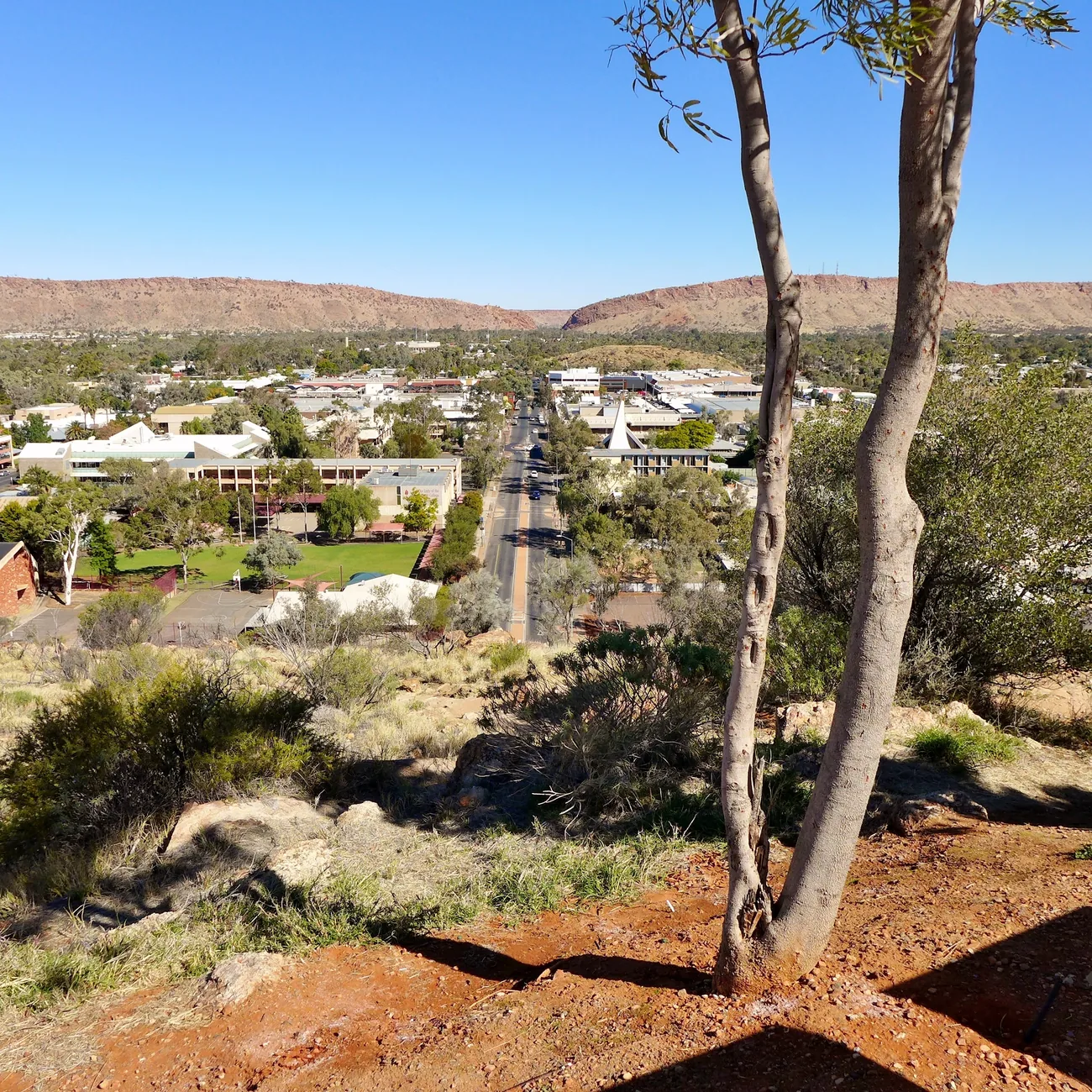

There is no single perfect month for Australia. The useful answer changes with latitude, coast, alpine snow, tropical heat, rainfall and the specific route you are building.
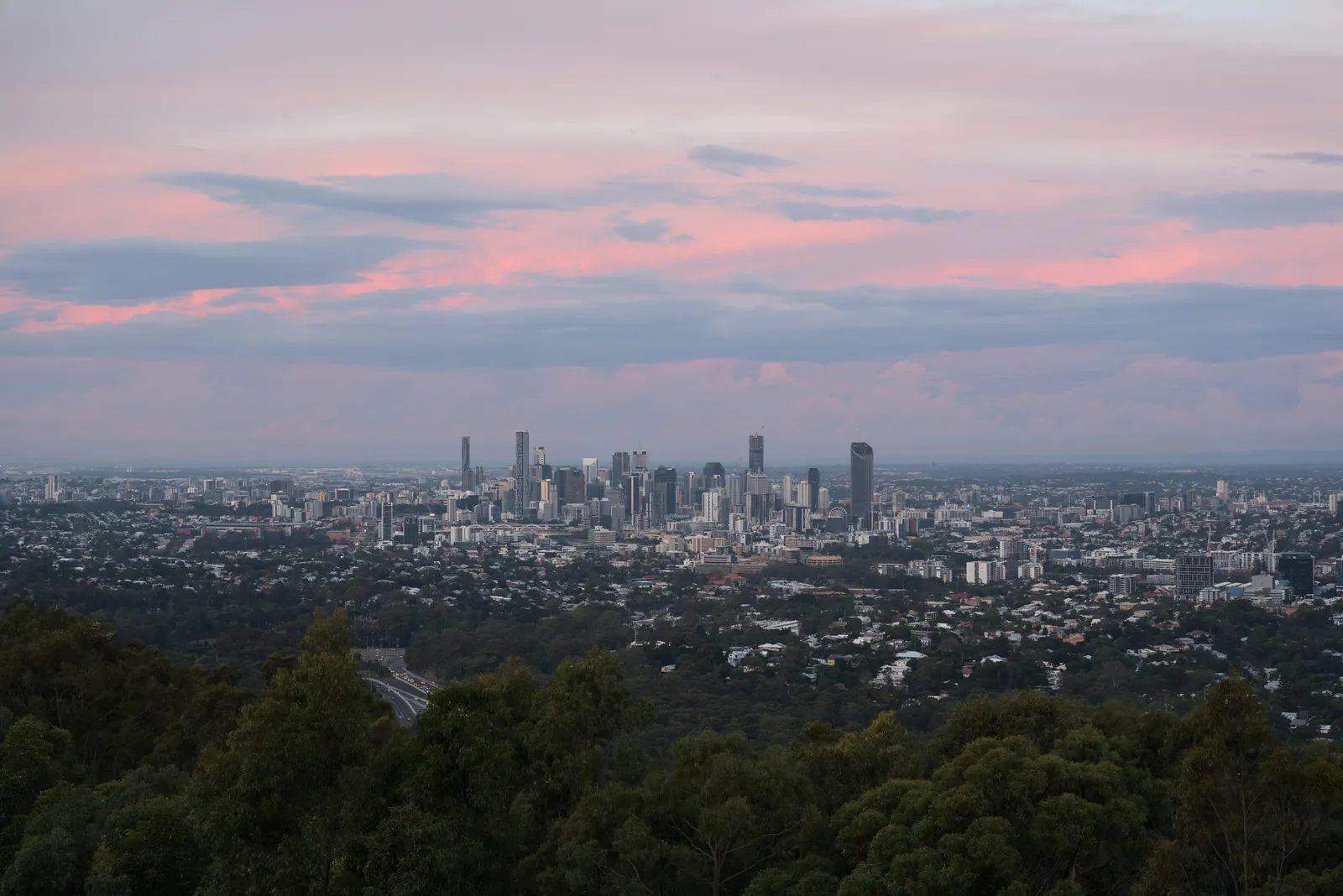
Season planner
- Dec–Feb — Summer peak: Long days support road trips and outdoor travel; demand is high in major holiday regions.
- Mar–May — Autumn transition: Conditions often cool in the south; event calendars, school holidays and the tropical wet season can still affect demand and access.
- Jun–Aug — Winter split: Snow regions become a deliberate winter trip while northern/coastal areas follow different weather patterns.
- Sep–Nov — Spring: A strong touring shoulder with changing mountain, wind and rain conditions.
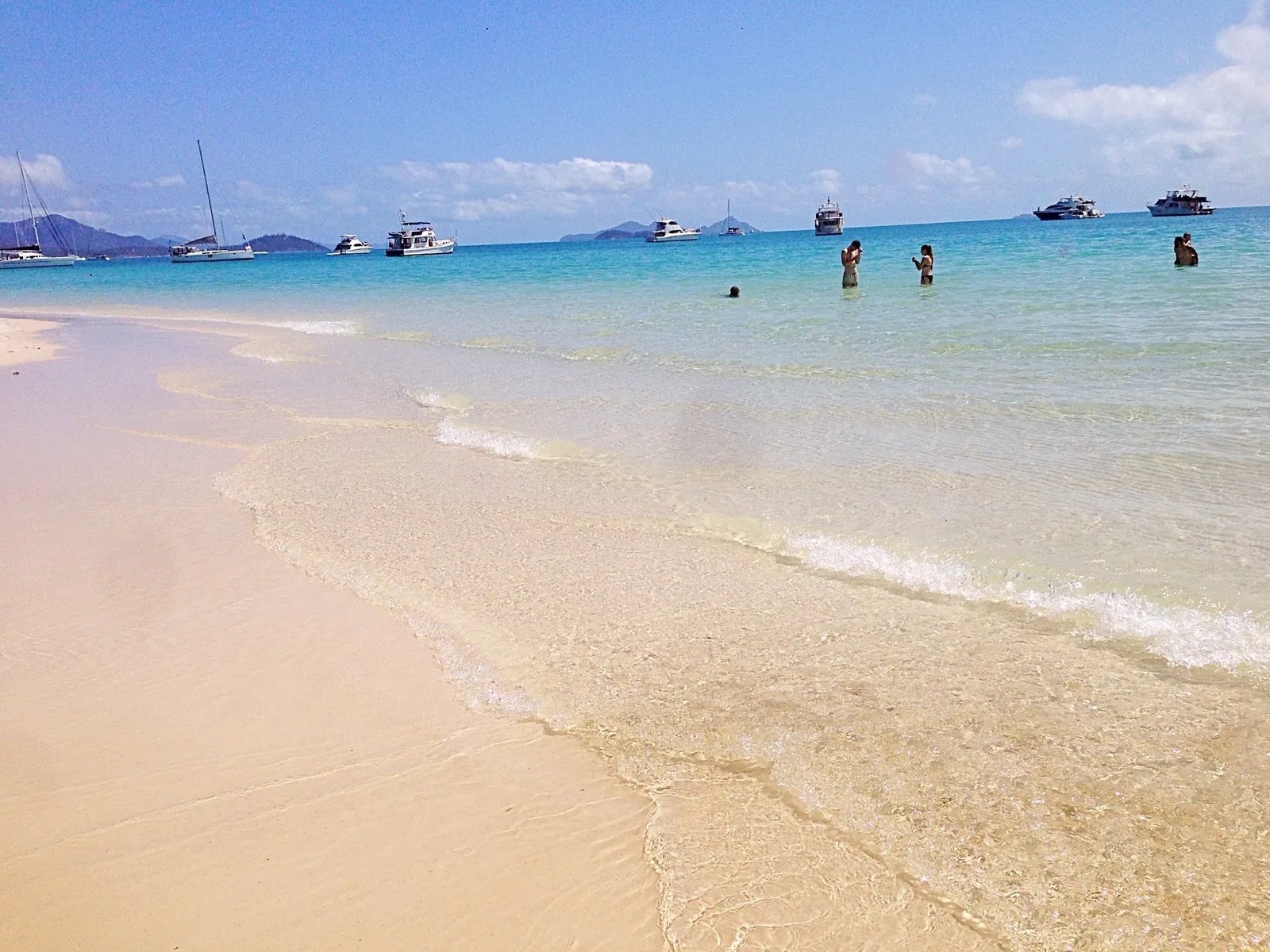
Match season to geography
The Top End and Tropical North Queensland are affected by tropical wet and dry seasons, while Sydney, Melbourne and much of southern Australia experience four more familiar seasons. Tasmania's mountain conditions demand their own checks, as does inland heat around the Red Centre. Choose the month for the activities and exact regions involved, not for a single Australia-wide weather rating.
Crowds are not just a summer problem
Holiday periods, alpine snow seasons, major events and concentrated weekend demand can matter as much as temperature. Book constrained mountain, island or small-town inventory earlier than flexible city nights.
Weather belongs in the final check
Use this guide for durable seasonal patterns, then check the relevant national weather, road, park or transport authority close to departure. Active disruption belongs in live sources, not in evergreen copy.
The planning mistake to avoid
Treat each coast and the interior as separate long-haul routes; road distances and heat need conservative pacing.
Why the best month depends on the region
Australia spans tropical coast, dry interior, temperate cities and alpine country. That range makes a single national best-time recommendation misleading. Sydney and the southeast may suit a city-and-coast holiday at a time when northern Australia is experiencing monsoonal rain. A visitor drawn to Darwin and Kakadu has a different seasonal calculation from someone planning Tasmania's walking routes or a ski holiday in the Australian Alps. Before choosing dates, decide which two or three experiences matter most and locate them on a map.
Tourism Australia's seasonal guidance distinguishes the four seasons across much of the country from wet and dry patterns in the tropical north. The Bureau of Meteorology likewise describes northern monsoon conditions as a seasonal phenomenon rather than an identical daily forecast. These sources are useful for choosing a broad window, but not for declaring that a particular park, road or reef excursion will be accessible. The closer you get to travel, the more important current forecasts, alerts and operator advice become.
December to February: summer is not the same everywhere
December, January and February are summer in Australia. In the southeast, this can suit a holiday combining Sydney, coastal time and selected regional experiences. Tasmania may appeal to travellers interested in longer outdoor days, although walking conditions still need individual assessment. Accommodation and activities should be checked against school holidays and local events rather than assuming that every destination will have identical demand. Book the experiences you value most before filling the rest of the itinerary with optional stops.
Summer in the tropical north is a different proposition. Tourism Australia places Darwin, the Top End, the Kimberley and Tropical North Queensland within a wet-season pattern around November to April. Heavy rain, humidity and possible storms can affect the suitability of travel. In the Red Centre, heat may be a central consideration for walking and exposed activities. Avoid copying a summer itinerary designed for Sydney and applying it to Uluru or Kakadu without changing the activity schedule, transport plan and safety checks.
March to May: autumn rewards regional planning
Autumn runs from March through May. It can be appealing for travellers interested in southern cities, countryside and touring, but the month alone does not guarantee mild weather or low prices. Compare the actual experiences you want in Sydney, Melbourne or the surrounding regions with current forecasts and operating calendars. A city-based itinerary often has more alternatives when weather changes than a holiday built around a single exposed outdoor excursion. Use that flexibility deliberately rather than packing every day with fixed bookings.
In the tropical north, autumn overlaps the later part of the wet season and the transition toward drier conditions. The transition is not an automatic reopening date for every road, campsite or attraction. Parks Australia has documented wet-season closures in Kakadu caused by flooding and road conditions. Before building a journey around a specific waterfall, track or remote road, consult the current park access report and the responsible transport authority. A seasonal guide is the start of planning, not permission to proceed on an unverified route.
June to August: winter creates several different holidays
June, July and August bring winter to the southern parts of Australia. Travellers seeking snow activities should investigate the Australian Alps as a winter-specific journey, checking resort operations, road requirements, equipment and their own experience. Someone interested in city museums, food and neighbourhoods may choose a different rhythm. Winter is not simply summer with an extra layer of clothing: the available activities, daylight and suitability of outdoor routes can change. Treat an alpine trip as its own project rather than a spontaneous detour from a city itinerary.
At the same time, the north is generally in its drier seasonal period. Darwin, Kakadu, the Kimberley and Tropical North Queensland may therefore be attractive to travellers prioritising northern landscapes and marine experiences. But dry season does not remove the need to verify access, water conditions or local restrictions. The Bureau of Meteorology's regional information and current park or operator notices should determine decisions close to travel. A single national winter forecast cannot describe both alpine roads and tropical coast.
September to November: spring needs a route-specific answer
Spring covers September, October and November. In southern regions, travellers may be drawn to cities, gardens, regional drives and landscapes changing after winter. Conditions can still be variable, especially for mountain areas and exposed coast. Choose the specific places and activities before treating spring as a uniformly easy touring season. A day in Melbourne has different dependencies from a walk in Tasmania or a journey across remote country. Give weather-sensitive activities space in the calendar and keep an alternative that you would genuinely enjoy.
The north begins moving toward wetter conditions during this part of the year, although definitions of the wet season differ slightly between sources and regions. Tourism Australia's broad visitor calendar and the Bureau of Meteorology's meteorological definition should not be confused with a precise opening or closing date for a road. If a northern destination is the main purpose of the holiday, investigate current conditions for that exact place and ask operators about seasonal service changes. Build a realistic itinerary rather than assuming the word spring settles the question.
Sydney and the southeast: choose experiences, not just weather
A Sydney-focused visit can be built around neighbourhoods, the harbour, cultural institutions and carefully chosen coastal outings. The best date depends partly on which of these matters most. City experiences offer more ways to adapt than a particular boat excursion or a day planned around a specific beach. If the holiday includes a marine activity, confirm the actual operator's schedule and weather policy. A general seasonal forecast cannot establish whether that excursion will run or be enjoyable on the day.
The southeast is also a sensible example of why fewer bases can improve a trip. Instead of booking Sydney, Melbourne and several distant regional towns because they all appear on a highlights list, decide what you want from each. Compare the travel days with the time available for exploration. A longer stay in one city may allow day trips or neighbourhood discovery without repeated luggage transfers. If both Sydney and Melbourne are essential, allocate enough time to each and price the intercity movement rather than treating it as invisible.
Melbourne and Victoria: city plans versus alpine plans
Melbourne's urban attractions can support a different seasonal choice from Victoria's alpine regions. A traveller who wants galleries, food and city neighbourhoods may prioritise a convenient calendar and flexible daily plans. A visitor whose main goal is snow sports needs the operating information of the actual mountain destination, equipment arrangements and road guidance. The fact that both trips take place in Victoria does not make their seasonal requirements interchangeable.
For a wider regional journey, consider the balance between outdoor time and driving. The weather that suits an afternoon in the city may be inappropriate for a demanding hike or exposed coastal stop. Review forecasts for the exact region and adjust the itinerary accordingly. Avoid assuming that a shoulder-season date guarantees quiet accommodation or unrestricted access. Check prices and availability for the actual towns, and remember that local events can change demand independently of national holiday patterns.
Queensland: the reef and the coast need different checks
Queensland covers a substantial range of environments. A trip centred on Cairns and the Great Barrier Reef should be planned around the specific marine operator, departure point and conditions, not only the word tropical. The Whitsundays involve different islands, transfers and activity choices from an urban stay in Brisbane. Before booking, decide whether the purpose is reef exploration, a resort-style island stay, coastal towns or a combination. Each adds different weather, transport and cancellation considerations.
Marine safety is particularly important in tropical waters. Tourism Australia discusses marine stinger precautions during the warmer wet-season period, but the exact protective measures must come from current local guidance and the operator. Do not infer that swimming is safe from a photograph or that a broad dry-season description removes all hazards. For boat excursions, ask about weather cancellations, equipment, suitability for children and what happens when conditions change. An honest itinerary allows a non-marine alternative rather than treating one departure as guaranteed.
Darwin and the Top End: wet and dry are practical categories
In the Top End, wet and dry seasons affect much more than the feel of the weather. Rainfall can change access to roads, tracks and visitor sites. Kakadu's landscapes may look dramatic during wetter conditions, but some locations can become inaccessible or unsuitable. Parks Australia has published examples of wet-season closures and directs visitors to current access reports. A responsible travel guide must not convert a spectacular waterfall image into a promise that visitors can reach it independently in every month.
During the drier period, different parts of a northern itinerary may become more practical, but availability still needs checking. Choose the actual park experiences, identify the necessary roads and confirm any permits or guided arrangements. If a remote excursion is important, allow a realistic buffer and follow official local advice. Avoid inventing a universal month when everything opens. Conditions vary, and the responsible authority's current information is more useful than a fixed annual assumption.
The Kimberley and Broome: do not infer access from distance
The Kimberley belongs to a different travel scale from a short city-and-beach holiday. Road conditions, distances and seasonal access can determine whether an itinerary is sensible. Broome may be a gateway for some plans, but that does not mean every remote landscape can be visited as a casual excursion. Start by choosing the actual destination and finding the current access requirements, then decide whether a guided journey or self-drive arrangement is appropriate. Confirm accommodation and services along the route before committing to dates.
Northern Western Australia follows wet and dry seasonal patterns, with conditions that can affect remote travel. Do not use a generic dry-season recommendation as proof that a particular unsealed road is suitable for your vehicle or abilities. Consult current road authorities and any responsible land managers. If the journey depends on an isolated destination, ask what happens if access changes. A smaller, properly supported route can provide a better experience than an ambitious map of remote stops with no realistic contingency.
The Red Centre: build around heat and cultural context
Uluru and Kata Tjuta are not interchangeable with coastal sightseeing. Exposed conditions and the timing of outdoor activities deserve careful consideration, particularly in hotter periods. Choose the specific walks or experiences you want and consult the official national park information for access, safety and any heat-related restrictions. Do not assume that a track will be open simply because the accommodation and flights are available. A destination can be open to visitors while a particular activity is unsuitable at a certain time.
The cultural significance of Uluru is central to understanding the place. Treat the park as a living cultural landscape, not merely a photographic stop. Follow the guidance of the Traditional Owners and park managers, including instructions about respectful behaviour and areas where photography or access may be restricted. Seasonal planning should leave enough time for appropriate interpretation and a considered visit. Rushing through the Red Centre as a brief detour from the east coast can diminish the experience and create unnecessary transport pressure.
Tasmania: plan the actual walk, not an island-wide forecast
Tasmania may appeal to visitors interested in cities, coast and natural landscapes, but a forecast for Hobart does not describe every exposed mountain or remote track. Decide whether your trip is mainly urban and scenic or includes demanding outdoor walking. If walking is essential, check the relevant park manager's advice, the particular route and the equipment required. A broad summer recommendation is not a guarantee of suitable conditions, and winter can create a different level of preparation for some activities.
For a road-based visit, choose a manageable number of overnight bases. A shorter stay focused on Hobart and nearby experiences may be more enjoyable than trying to drive across the island between brief stops. Longer journeys should account for road conditions, daylight, breaks and the interests of the travellers. A seasonal calendar is useful when it supports the desired activities; it becomes misleading when used to justify an itinerary that is too ambitious regardless of weather.
Western Australia: Perth is not the whole state
A Perth city stay and a long journey through remote Western Australia are entirely different planning exercises. Perth can anchor urban and nearby regional experiences, with seasonal choices shaped by the activities you want. A journey far north or inland introduces distances, conditions and service requirements that deserve separate attention. Do not describe the state as one compact region where a traveller can add distant landmarks to a city weekend without changing the route.
If you intend to travel between southern and northern parts of the state, compare the full transport options and number of usable days. Domestic flights may reduce road time but add airport transfers and possibly another rental vehicle. A road trip may be rewarding when the journey itself is a priority, but it must be paced realistically. Seasonal planning should account for the specific region and the current advice of the relevant authorities rather than borrowing weather expectations from Perth.
The Australian Alps: a deliberate snow holiday
Australia's alpine areas are a distinct winter destination, not a minor seasonal variation on a coastal holiday. Visitors interested in skiing or other snow activities should investigate the actual resort or managed area, operating dates, lessons, equipment and access arrangements. These vary and must be checked with the provider. Snow and road conditions can change quickly, and a broad national weather article cannot determine the suitability of a journey to the mountains on a particular day.
Budgeting matters here because equipment, instruction, transport and accommodation may create costs that do not appear in a standard city itinerary. Travellers who are new to winter conditions should be realistic about driving and activity skills. A professionally organised option may be more appropriate than improvising an unfamiliar mountain route. The best time for this type of holiday is defined by the specific experience and its actual operating conditions, not simply by the word winter on the calendar.
Rainfall, cyclones and the limits of seasonal averages
A seasonal average is a description of past conditions, not a forecast for your exact dates. The Bureau of Meteorology's northern wet-season reporting shows how rainfall can vary between years and regions. A wet season may contain sunny periods; a dry-season journey can still encounter local disruption. Neither fact makes broad seasonal guidance useless. It means that choosing a month and checking live conditions are separate stages of planning.
For tropical areas, pay attention to official warnings about heavy rain, flooding and cyclones when relevant. For remote roads and national parks, check access information from the authority responsible for the route. If a warning or closure affects the planned activity, change course rather than relying on an old itinerary. Do not present an emergency alert copied into an evergreen article as though it will remain current. The reader should know exactly which live source to consult when departure approaches.
School holidays, festivals and local demand
The busiest period for a destination cannot be inferred from climate alone. School holidays, public holidays, sporting events and festivals can affect accommodation and transport availability. A regional town may be busy on a particular weekend even when the surrounding month is described as shoulder season. If you have fixed dates, check local event calendars and book essential accommodation early enough to obtain suitable options. If you are flexible, compare equivalent itineraries across several nearby date windows.
Do not assume that travelling outside summer guarantees lower prices everywhere. Winter sports destinations may have their own concentrated demand, while northern dry-season travel attracts a different set of visitors. Price the specific room, vehicle and experience rather than relying on an unsupported national claim about cheap months. The strongest seasonal decision balances your preferred activities with actual availability and the full cost of the journey.
A seven-day decision: one region is usually enough
With approximately seven days, choose a region before choosing a month. A Sydney-centred itinerary could focus on the city and selected nearby experiences, leaving long-distance highlights for another trip. A tropical Queensland visit might concentrate on a reef gateway and an island or coastal stay, provided the marine activities and transfers work for the dates. A Red Centre visit should be designed around the conditions and access requirements of the specific experiences, not combined casually with distant coastal destinations.
Count arrival, departure and transfer days honestly. A week that contains two domestic flights and several hotel changes may leave surprisingly little time for the places you came to see. If one activity is essential, give it enough room to operate without depending on a perfect connection. Choose the season that best supports that activity, then build a modest route around it. The number of destinations visited is a poor substitute for the quality of time spent in them.
Ten to fourteen days: add depth before distance
A longer holiday can include more than one base, but it should still have a geographic story. Sydney and Melbourne may make sense as an urban-focused combination when the intercity movement is accounted for. Cairns and the Whitsundays might support a Queensland coast journey if the relevant transfers and marine conditions are suitable. Darwin and Kakadu can form a different northern itinerary, while Tasmania may justify a trip of its own. These are planning frameworks, not guaranteed transport schedules.
Before adding a distant region, calculate the entire transfer: airport or road journey, luggage, vehicle arrangements and accommodation changes. Then ask whether the extra destination provides an experience you cannot get from the existing route. Fourteen days can still feel rushed if every second night involves a new hotel. Allow time for a changed forecast or an unexpected opportunity. Seasonal suitability matters, but so does the simple arithmetic of how many full days remain after moving around.
Families, accessibility and individual comfort
The best seasonal window also depends on the people travelling. Families may value manageable transfer days, accommodation with practical facilities and activities that can be adjusted for children. Travellers with mobility requirements need to confirm the accessibility of the exact accommodation, transport and attraction, not rely on a general destination label. Someone uncomfortable with high heat or prolonged outdoor exposure may reasonably choose a different season or region from an experienced outdoor traveller.
Discuss the purpose and pace of the trip before paying for non-refundable bookings. A group that wants beach time and relaxed meals should not be forced into a demanding inland road trip because a national guide calls it a must-see. Equally, someone who values alpine activities may prefer a winter-specific journey over a warm-weather coastal holiday. The calendar should support the travellers' priorities and abilities. No single month can satisfy every kind of Australian experience equally well.
A practical final seasonal decision
Write down your three most important experiences and the regions where they take place. For each, identify the broad seasonal window, any activity-specific restrictions and the live source that will confirm conditions. Then compare two realistic travel periods using equivalent transport and accommodation. Include the days lost to long transfers, not just the prices. If the cheaper date makes an essential experience unsuitable, it is not a meaningful bargain.
Once the route is chosen, revisit current official information close to departure. The Bureau of Meteorology provides forecasts and warnings; park authorities provide access and activity rules; transport and marine operators provide their actual schedules and suitability decisions. Keep the itinerary flexible enough to respond when one element changes. The best time to visit Australia is the period that supports your chosen region and activities while leaving enough time to enjoy them. A national best-month slogan cannot make that decision for you.
Use the journey length to decide whether to cross climate zones
A short holiday and a long journey need different seasonal advice. If you have just a week in Australia, begin with a single climate region and a small number of destinations within it. Sydney and nearby southeastern experiences make one type of week; Darwin and the Top End make another; Tasmania may justify an entirely separate trip. An itinerary that spends several days in airports or driving between distant regions can offer less real exploration time than a slower route. Seasonal planning should therefore start with the days you have after arrival, departure and transport, not the number of state names you would like to collect.
For a longer trip, it may be worthwhile to cross from the temperate south toward tropical northern Australia, but the best travel window depends on which activities take priority. Draw the route by region and identify any experiences affected by wet-season access, alpine conditions, marine hazards or exposed inland heat. Build a day of flexibility where the risk of disruption is meaningful. Do not assume that a local operator can provide the same activity in every season, or that a domestic flight makes the trip between two very different regions an effortless half-day.
Wildfire smoke, heat and emergency advice are live information
A visitor choosing a southern summer should consider that hot, dry conditions and bushfire risk can sometimes affect outdoor travel. This does not mean all destinations are unsafe throughout summer, nor that one calendar month can predict local emergencies. It means a flexible itinerary is more valuable than a booking chain with no alternative when warnings are issued. The Bureau of Meteorology provides weather forecasts and warnings; emergency information and travel instructions should be checked with the relevant state or territory authority for the area you intend to enter. Follow local evacuation and park-closure directions rather than relying on a previously saved route.
Think about how a change would affect each part of the trip. If a planned hike, coastal drive or campsite became unsuitable, would you have a worthwhile urban or indoor option nearby? Could your accommodation be changed without risking every later booking? Keep essential contact information accessible offline when driving in remote areas. If you are sensitive to smoke or heat, seek suitable health advice before deciding on strenuous activities. The intention is not to alarm travellers, but to show why current warnings matter more than a promise that a certain month will have perfect weather.
Respect marine and reef conditions when choosing a date
On a tropical Queensland itinerary, a successful reef or island day requires more than selecting the right season on a chart. Check the departure location, intended activity, boat or aircraft transfer, weather cancellation terms and the operator's safety guidance. Marine conditions may differ even between nearby areas or between two days within the same week. For swimming and snorkelling, use current local safety information, including stinger precautions where applicable, and never infer that conditions are safe because a social-media photograph shows clear water. Families and inexperienced swimmers should confirm the suitability of the particular activity before committing to it.
Consider adding a non-marine day to a reef-oriented trip. If a sailing or snorkelling excursion changes, there should still be something enjoyable to do without turning an unpredictable condition into an expensive disappointment. The same principle applies to wildlife experiences: choose responsible operators and approach sightings as possibilities, not guarantees. Travel seasons are useful because they help frame the experience you want. They cannot substitute for the live judgement of qualified operators or current weather, marine and public-safety authorities.
Compare equivalent dates, not unrelated holiday quotes
When testing two possible travel windows, keep the destinations and trip length the same while comparing full costs. Include international and internal travel, accommodation, any specialist vehicle requirements, tours, baggage and the time consumed by transfers. A lower fare is not necessarily a saving if it requires missing an essential activity or spending additional nights in transit. Equally, the most popular season may carry prices or demand that make a longer, calmer visit at another time more attractive. Focus on the value of the overall experience, not a single airline or hotel price.
Check Australian state and territory school-holiday calendars when planning travel, since dates and local demand are not identical nationwide. A winter alpine journey may have its own concentration of visitors while a northern dry-season route appeals to a different audience. If you are free to choose dates, price two nearby departures and compare what you would actually be able to do. If your dates are fixed, adapt the route to the conditions rather than forcing an inappropriate trip into the available leave. That small change in planning order often improves both comfort and budget.
Confirm the precise access rules of culturally important places
Seasonal fit is only one part of responsible travel in a national park or culturally significant landscape. At Uluṟu-Kata Tjuṯa National Park, for example, visitors should use official guidance and respect the Traditional Owners' rules and cultural interpretations rather than treating access, photography and walking routes as interchangeable tourist options. Check the particular experience you intend to take part in, including any restrictions or heat-related limits. A site can be open to visitors while a specific walk or activity is unavailable or unsuitable on a given day.
The same care applies to remote protected areas elsewhere in the country. Never assume a photograph establishes that a particular track is currently accessible or that a rental vehicle may enter every road. Respect official closures, private or culturally restricted access and ranger guidance. In an itinerary, a park should be given enough time for thoughtful interpretation, not squeezed between two tight flights merely because its name appears on a highlights list. Choosing the right season makes more sense when paired with choosing an appropriate and respectful kind of visit.