

Transport in Australia is not one system. The smart plan gives rail, road, bus, ferry or flight a job instead of forcing one mode onto the whole country.

The network in one sentence
Use Sydney's and Melbourne's metropolitan public transport for appropriate city journeys, flights for genuinely distant regions, ferries for particular islands or marine routes, and a suitable vehicle for regional drives that have no useful onward service. The exception always matters: check the actual station, departure terminal and last-mile connection before deciding which mode is practical.
What each mode is good at
- Treat the main gateway and first onward transfer as one planning decision.
- Domestic flights, ferries or boats can be core infrastructure rather than optional extras.
- Road travel is useful only where road quality, distance and vehicle access support the route.
- Recheck current schedules, marine/weather conditions, local access rules and government advice before every route-sensitive leg.
When a rental car earns its cost
A car is valuable when it unlocks dispersed geography, difficult last-mile access or a coherent road loop. It is poor value when it spends most of the trip parked in a well-connected city.
Build around the weakest connection
The fast trunk leg is rarely the problem. Rural buses, ferries, mountain roads, airport transfers and the final hotel connection usually decide whether an itinerary feels smooth.
Always recheck live operations
Schedules, engineering work, seasonal ferries and road restrictions can change. Use the official operator cited below for the journey you are actually taking.
Choosing Australian transport by region and route
These strategies explain how to choose transport; the named operators and authorities must be consulted for current services, pricing and accessibility.
The first transport decision is geographic
Australia is not a place where one nationwide transport pass solves every journey. Sydney and Melbourne have urban networks; intercity corridors have their own rail, coach and air options; tropical islands depend on marine or air links; the interior and remote west require entirely different calculations. Start by placing every overnight base on a map. Draw the actual route between them, then identify which legs are local, regional and long-distance. If a proposed journey crosses most of the continent for a single attraction, ask whether that experience belongs in another holiday.
Transport should serve the experience rather than dictate a collection of destinations. A route with two or three coherent bases can feel richer than one with constant domestic flights. Compare the door-to-door journey, not just the advertised flight duration or map's driving estimate. Transfer reliability, luggage, accessibility, emissions, weather exposure and the cost of reaching terminals all matter. Keep official operator pages and road authorities in the plan, because departure points, service patterns and restrictions change.
Domestic flights: when they make sense
For journeys between distant capitals or across remote regions, flying may be the only practical way to preserve holiday time. Yet a domestic ticket is not a magic shortcut from hotel to hotel. Count travel from accommodation to the airport, bag check, security, boarding, arrival, baggage retrieval and onward ground transport. The more transfers you insert, the more often your trip pays those costs. One carefully chosen flight connecting two multi-night bases is different from several one-night jumps.
Search routes for the actual travel date rather than presuming a direct service exists between famous destinations. Some connections operate through larger hubs or vary by season. Compare total itinerary pricing, checked-baggage allowances, fare conditions and the risk of missed onward flights. Where a domestic leg feeds an international departure, a conservative overnight or substantial connection buffer can be worth the accommodation cost. A separate-ticket connection may have less protection after disruption, so read the operating carriers' rules rather than assuming a booking website provides it.
Open-jaw flights and smart international gateways
An itinerary beginning in Sydney and finishing in Melbourne, or entering one region and leaving another, may avoid a return trip across the same ground. This is called an open-jaw or multi-city arrangement, and it can be useful when the travel story moves in one direction. Compare it with a return ticket from one city after including domestic transport, accommodation, baggage and travel days. The lowest long-haul fare may not be the lowest-cost holiday.
Be especially cautious with an itinerary assembled from separate tickets. A delay to one flight can leave the next carrier with no obligation to move you without additional payment. Check entry and transit rules for your nationality and all airports on the route. For a first visit, a simple arrival into the region you most want to explore is often preferable to the cheapest landing airport on the other side of Australia. That is an editorial preference, not a permanent price claim.
Sydney: choose the mode by the neighbourhood
Sydney's public transport comprises several modes, and the right one depends on the actual destination. Rail and metro may suit some urban journeys, while ferries provide a meaningful harbour crossing as well as transport; buses and walking cover different gaps. A ferry is not always the quickest way to reach a location but can be worth planning as part of the experience. Check the official Transport for NSW journey planner for routes, fares, service changes and accessibility at your dates and times.
Do not assume that every iconic beach or viewpoint sits a short walk from a railway station. A city map can hide steep streets, long approaches or infrequent onward buses. Choosing accommodation near the routes you intend to use saves more effort than selecting an apparently central hotel by postcode alone. For travel with luggage, confirm accessible station entrances and vehicle policies rather than estimating ease from a map. Late-night transport should be checked separately from daytime service patterns.
Melbourne: integrate trams, trains and walking
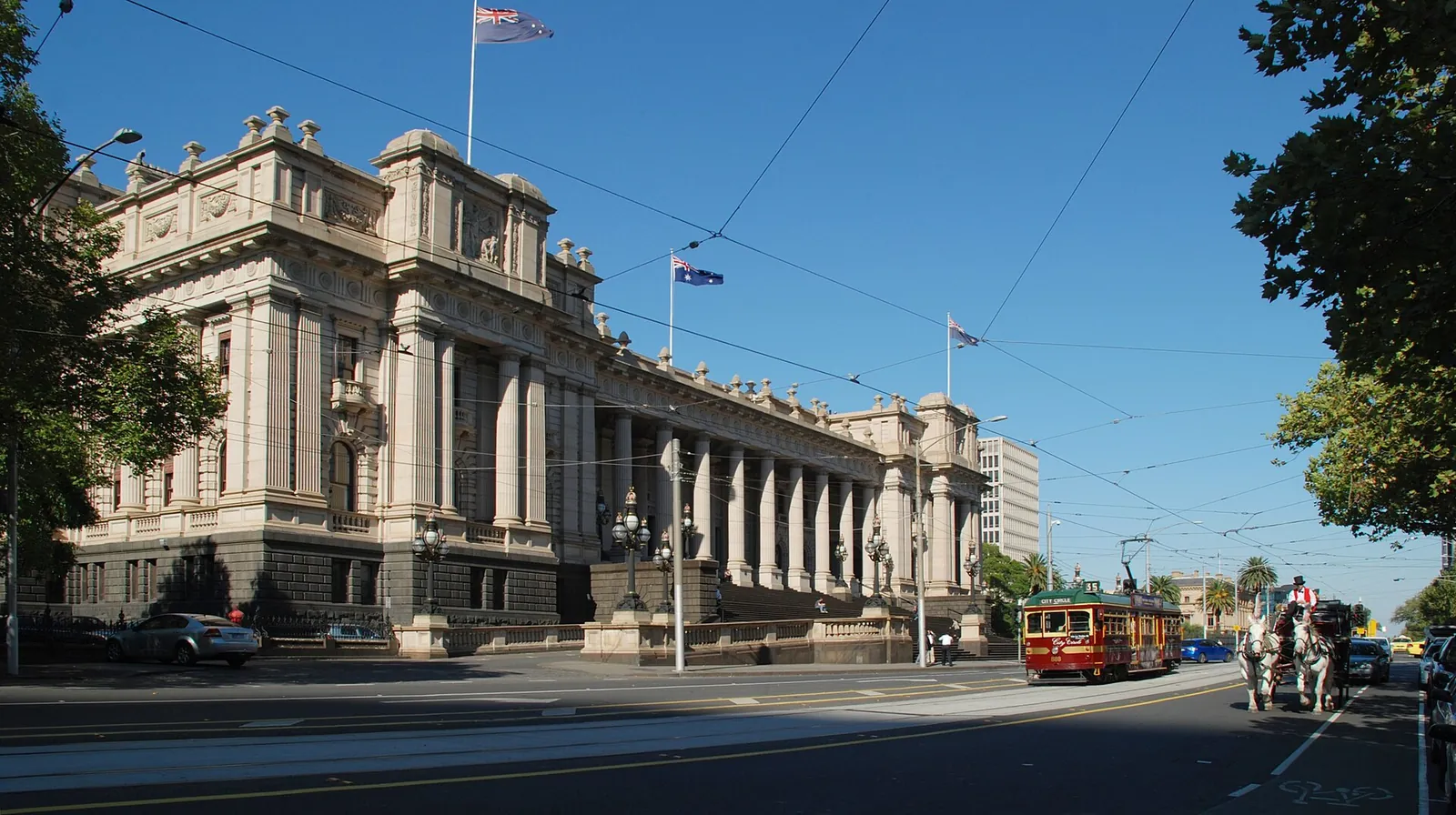
Melbourne works well when you treat the city as a collection of neighbourhoods with a public transport network connecting them. Its tram and rail systems are useful in different circumstances, and the central area is not the entire city. Consult the official Public Transport Victoria information for current fares, ticketing requirements, service changes and the practical route to your exact stop. Visitors sometimes misread a straight-line distance as a comfortable walk; weather, luggage and the time of day make a difference.
If your plan extends into regional Victoria, research that leg separately. A local tram route does not automatically connect you to every Great Ocean Road viewpoint or rural village. Regional rail and coach services may be viable for certain destinations, but schedules, booking conditions and onward links need checking. Where the intended experience is a slow coastal drive, car hire or a suitable tour might be more effective; do not present either as universally better. The important distinction is the job the mode can realistically perform.
Brisbane and Queensland cities: urban network versus coast
A Brisbane city break and a Great Barrier Reef holiday are not the same transport problem. Brisbane has its own urban and regional services, while Cairns, Port Douglas, reef departure points and island groups require location-specific ground or marine planning. When deciding where to stay, start with the harbour, marina or departure terminal used by the actual tour you have chosen. A hotel advertised as 'near the reef' may still leave a long early-morning transfer.
For an urban Queensland stay, look up the current local journey planner and any airport connections. For a coastal trip, verify exact coach, shuttle or hire-car arrangements and pay attention to late arrivals. Do not rely on a generic list of 'Queensland transport options' to cover a huge state. Weather can alter marine services even when local roads appear fine. Families and anyone needing step-free or assisted transfers should confirm the operator's conditions, rather than assuming all vessels and buses offer the same facilities.
Perth and Western Australia: distance changes the equation
Perth has an urban network, but Western Australia's wider geography can make regional planning a completely different exercise. A southwest road trip may suit travellers comfortable with self-driving, while remote northwestern destinations can be far beyond a casual day's travel from Perth. Start with a regional map and calculate the true distance between overnight stops. Ask whether the intended experience is a city holiday, a southwest journey or a remote northern expedition; these should not be silently merged.
Check Transperth information for urban journeys and responsible regional operators or road authorities for longer links. Do not assume a public bus will reach the trailhead, beach or accommodation you found online. Remote road conditions, fuel availability and extreme weather require current information. If hiring a vehicle, verify geographic restrictions and allowed road surfaces in writing. A two-wheel-drive booking should never be treated as permission to attempt an unsealed remote route merely because navigation software offers a line between two points.
Canberra, Adelaide and regional city choices
Australia's transport story includes more than the best-known east-coast cities. Canberra and Adelaide can form rewarding urban or regional bases when they align with the route. They should not be added as token stops simply to increase the number of capitals visited. Look at how the chosen accommodation connects to galleries, restaurants, rail stations, airport terminals and any planned regional day. A small city can still involve long distances between the exact places you want to see.
Regional public transport varies by state, city and day of the week. Research each leg rather than extrapolating from Sydney or Melbourne. If several attractions lie outside practical service coverage, decide whether a guided day, a temporary car hire or a change of base is the better solution. Confirm late return services before an evening booking. Current timetables are live operational data, so this guide deliberately does not invent fixed departure times or fare tables that could mislead travellers.
Rail: distinguish useful corridors from scenic journeys
Rail can be an appealing option when stations suit your actual bases and the journey is part of the holiday. There are commuter, regional and long-distance rail services, but their networks and booking systems are not interchangeable. Intercity trains may be practical for certain routes in New South Wales or Victoria; long-distance and heritage-style services can be attractions in their own right. Neither category should be interpreted as one frequent high-speed rail network across Australia.
Compare the true departure station, journey duration, luggage allowance, frequency and connection at the other end. A comfortable train ride can be an excellent choice if the schedule fits; the same train may become awkward when its terminal is far from your lodging or the onward transfer stops early. Some long-distance experiences need advance reservations and can be materially more expensive than an ordinary point-to-point journey. Use the named rail operator's live pages for the specific journey instead of copying a third-party timetable.
Coaches: useful links, not an automatic bargain
Intercity and regional coaches can serve routes where rail is limited or where a traveller prefers not to drive. But a coach service that exists between two towns does not necessarily arrive at a useful time for your planned hike, ferry or accommodation check-in. Consider the length of the ride, number of stops, luggage rules, flexibility and access to toilets and food. Ask where the actual stop is; a town name alone does not tell you the final walking or taxi distance.
A coach can be cheaper in some cases, but the comparison has to be made with current prices and booking conditions. For longer trips, calculate the opportunity cost of losing a full daylight day and whether the seats suit your needs. If changing services, build in a reliable connection buffer. A route with one scheduled departure is not equivalent to a city bus that arrives every few minutes. Travellers with mobility needs should contact the operator directly about accessible boarding and assistance.
The Great Ocean Road: drive or take a tour?
The Great Ocean Road is a travel experience rather than one viewpoint. Self-driving allows control of the schedule but also creates responsibility for navigation, road conditions, parking, fatigue and safe stopping. A guided tour reduces driving work for passengers, yet the itinerary may be crowded or spend more time in a vehicle than at the coast. Compare genuine stop time, total day length, group size and the guide's approach to responsible access.
If hiring a car, an overnight coastal stop can make the journey more relaxed than racing back to Melbourne after a full day of viewpoints. Road safety and temporary closures must be checked with the responsible Victorian authorities. Coastal weather can change visibility and safety quickly; never enter restricted areas for a better photograph. A visitor travelling without a car should choose an itinerary that provides actual local transport to the places they want to enjoy, not assume that the words 'Great Ocean Road' describe a single accessible station.
Rental cars: check the contract before the route
A rental car can transform a regional itinerary, but its advertised daily price is only the starting point. Inspect insurance excess, damage exclusions, driver conditions, toll arrangements, one-way fees, fuel policy, kilometre limits and permission to drive on particular roads. Some destinations that look attractive on a map involve unsealed surfaces or access rules incompatible with standard rental contracts. Review those terms before booking accommodation that would require the route.
Australia drives on the left. Visitors must meet the relevant licence and road-law requirements, which can depend on jurisdiction and circumstances. Long road days need breaks, realistic speeds and extra caution around animals at dawn or dusk in affected areas. Do not treat an unfamiliar rural road like an urban motorway. Carry enough water for the day's conditions, know where fuel is available, and leave room for roadworks or weather disruption. A car is valuable only when it increases safe usable holiday time.
Remote driving: stop treating the route as a line
Remote travel deserves its own risk assessment. The existence of a route on digital maps does not prove that it is open, sealed, suitable for your vehicle or supported by reliable fuel and mobile coverage. Check state or territory road-condition services, local park access advice and any permit requirements. If a road requires four-wheel-drive capability, specialist equipment or local knowledge, an ordinary rental is not an acceptable substitute.
Plan journey stages with conservative daylight and rest, and tell a trusted person your expected route when travelling in sparsely populated areas. Carry appropriate supplies and understand emergency communication limitations. Avoid creek crossings or floodwaters; moving water can be hazardous even when the route is familiar to local drivers. In the tropical north, wet-season conditions may close roads for extended periods. A guided service or a different itinerary can be a much better option than trying to rescue an unsuitable self-drive plan.
Tasmania: flights, ferries and a road network
Tasmania is an island, so a mainland trip needs an intentional connection. Compare flights and the Spirit of Tasmania ferry according to the real dates, luggage or vehicle arrangements and where you need to begin the Tasmanian itinerary. A sea crossing is not a universal shortcut: sailing times, check-in and the route to the terminal can shape the day. If bringing a car, read the operator's vehicle conditions and seasonal booking requirements rather than assuming a ferry works like an ordinary commuter crossing.
Inside Tasmania, a rental car may make some regional experiences easier, but choose driving days for the terrain, weather and group's confidence. Major walking regions and protected areas are not all reachable by frequent public transport. Check park information, road notices and walking access before travelling. A traveller who does not drive can still build a good city-and-guided-excursion trip; the essential step is to select bases with confirmed services rather than copying a self-drive itinerary verbatim.
Marine transport: reef and island departures
A boat trip in Australia may be a transfer, a guided marine activity or both. For the Great Barrier Reef and island areas, the selected departure port and the type of vessel are central facts, not incidental details. Verify how far the marina lies from accommodation, when check-in is required and what happens if conditions prevent departure. Boats serving different reef experiences may leave from different ports even within the same broad tourist region.
Weather and sea state can be decisive. Do not infer safety from sunny land conditions or a previous traveller's photo. Ask the provider about accessibility, swimming ability, snorkelling or diving requirements, environmental guidance and cancellation policies. Transport to an island may not include a transfer to a remote accommodation property. If a flight follows the boat journey, leave a substantial buffer or overnight so that marine disruption does not endanger the onward ticket. Treat scheduled services and excursions separately when planning logistics.
Cycling and walking: pleasant locally, limited as a national plan
Walking and cycling often provide the most enjoyable way to experience a city waterfront, neighbourhood or short scenic route, but they are not a solution to Australia's long-distance geography. Choose the appropriate local path and check conditions, road crossings, gradient and weather. In warmer areas, midday heat may change the practicality of a walk even when the distance appears modest. Carry water and use sun protection consistent with official safety advice.
Where cycling is part of a holiday, check rental rules, helmet requirements, designated cycling routes and how bicycles may be transported on public services. Avoid assumptions that every picturesque coastal road has a safe shoulder or separated cycle lane. For a hike, the return route, daylight and ability of the least experienced group member matter as much as the headline distance. Good transport design should remove pressure to complete an unsafe route simply to reach the evening accommodation.
Accessibility: verify the exact journey, not the brand
Major cities and operators may provide accessibility information, yet one accessible station does not establish that an entire trip is step-free. A travel chain includes hotel exit, pavements, station access, boarding, interchange, arrival and the final venue. Check every link if mobility, sensory, medical or luggage requirements make an unsupported transfer difficult. Contact operators about assistance and vehicle suitability before buying restrictive tickets.
Regional coaches, marine vessels, small aircraft and remote excursions can have substantially different arrangements from metropolitan trains. Never assume that an 'accessible' label on a tourism page covers all disabilities or all departure times. For families with pushchairs the same door-to-door analysis helps avoid stairs or poor connections. A slower itinerary with reliable support can provide a fuller experience than a superficially efficient route that forces repeated stressful transfers.
Late arrivals and the last connection problem
A flight that lands at night can be perfectly sensible, but only if onward transport exists and fits the group. Before buying a ticket, check the actual arrival terminal, baggage collection needs, last public transport departure, permitted pickup locations and estimated access to accommodation. A rural property may not have staffed check-in late at night. Pre-arranged transfer offers convenience but should be verified directly and not assumed to wait indefinitely after a delay.
The same principle applies to trains and ferries. A scheduled arrival at a regional town is not the end of the journey if the hotel is several kilometres away and the local buses have stopped. For a long-haul arrival, a first night near a reliable urban route may make the following morning easier than an immediate late drive. The goal is not always to arrive at the scenic destination as soon as possible; it is to start the holiday safely and with manageable energy.
Travel time is not the same as holiday time
To compare routes fairly, create a simple door-to-door estimate for each. Add getting to the terminal, waiting, the advertised journey, the arrival transfer and a buffer for foreseeable delays. For self-drive routes add breaks and the stops you genuinely intend to make. A flight may still win over a long rail journey, but the saving can be smaller than the timetable suggests.
Now compare the emotional cost: what experiences disappear if a transfer uses half a day? Is the new destination distinctive enough to justify losing a relaxed morning or the chance to revisit somewhere you enjoyed? This calculation keeps transport from becoming invisible filler in the itinerary. It is particularly valuable for groups of four or more, where coordinating luggage, tickets and different energy levels magnifies every move. A slightly more expensive direct route may provide better overall value.
Booking logic for mixed-mode itineraries
Sequence bookings by dependency. First establish international travel and essential domestic long-distance legs. Next confirm accommodation and any limited-access activity in remote areas. Then add local transport, ferries and discretionary tours with appropriate cancellation flexibility. A cheap hotel should not be confirmed until you know whether you can reach it on the chosen arrival day. Keep exact terminal addresses, booking references and official operator websites in one accessible itinerary.
Where separate providers are involved, check whether any company actually protects the connection. Do not assume a tour operator, airline or ferry will reimburse a missed onward service sold on another website. Travel insurance may help for specified covered circumstances but must be read in full. Make a plan for what you would do if the weakest connection failed, and avoid making that fallback another intercontinental sprint. The best mixed-mode route has manageable points of failure and leaves travellers enough energy to enjoy the destination.
What the different modes cost, beyond the ticket
The fairest cost comparison includes bags, seats, city-to-airport transfers, parking, fuel, tolls, insurance, overnight stops and the number of travellers. For example, a rental car that seems costly for one person may be practical for a group, but only after insurance and fuel are included. A train ticket may be attractive for two city bases yet unsuitable if the final attraction requires an expensive long-distance taxi. The correct answer changes with dates and group composition.
Avoid universal assertions that Australian flights, coaches, rail or hire cars are always cheapest. Operators use different pricing models and availability can change quickly. Record the current quoted total in Australian dollars, whether taxes and fees are included, and the refund rules. If your holiday contains two city stays and one regional road trip, you might hire a car only for the regional days to avoid urban parking expenses. That is a design strategy to test against current prices, not a guaranteed saving.
Sustainability without misleading transport promises
Long-distance travel has environmental consequences, but simplistic comparisons can ignore route occupancy, vehicle type and the necessity of reaching remote communities. The most reliable action available to many travellers is reducing avoidable movement: stay longer in a region, choose fewer domestic flights and avoid driving vast distances for a single photo. Use local operators with credible conservation practices, especially for marine or protected-area experiences.
For urban sightseeing, walking and public transport can be rewarding alternatives where practical. Do not present one mode as universally carbon-neutral or promise that paying for an offset erases a journey's emissions. More meaningful planning asks whether each transport leg contributes to the experience. A route that spends four nights understanding one place is often more valuable than a route engineered to touch three famous landmarks. Environmental judgement should complement safety, accessibility and the real transport choices available.
Live checks immediately before each journey
This article deliberately avoids fixed schedules because changes to operators, roads, weather, marine access and terminal assignments can happen long after publication. Before departure, check the carrier's current service status, the correct terminal or station, road notices for driving days, Bureau of Meteorology warnings and park or marine authority guidance for planned activities. Recheck those sources on the day of an exposed or remote excursion.
Keep booking details offline and ensure everyone in the group knows the next meeting point. Where a road or marine route is closed, accept the closure rather than looking for an unofficial shortcut. If a flight is delayed, contact affected onward providers promptly instead of assuming connections will hold. For travel by public transport, use the relevant state's official journey planner rather than an old screenshot. These small habits are what turn a geographically ambitious Australian trip into a dependable one.
One practical transport plan for each region
For a Sydney-centred week, use local public transport and consider a separately verified Blue Mountains excursion; a car may not be needed for the urban portion. For a Melbourne-and-coast visit, use the city network first and decide separately whether a short car-hire window or guided Great Ocean Road trip suits the group. For Tropical North Queensland, stay near the actual marine departure point and use a confirmed transfer for excursions. In Tasmania, choose regional overnight bases around the driving distance rather than centralising every night in one city.
For Perth and the southwest, give the road trip adequate nights; do not bolt a distant northwest highlight onto it. For the Red Centre or Top End, plan as a distinct region and check park, seasonal and operator access carefully. These are itinerary design examples, not guarantees that any particular public transport service or tour operates at present. The pattern is consistent: match transport to geography, then confirm the live details with authorities who actually run the network.