

A strong Australia itinerary is a sequence of compatible travel systems, not a contest to fit the most names onto a map.
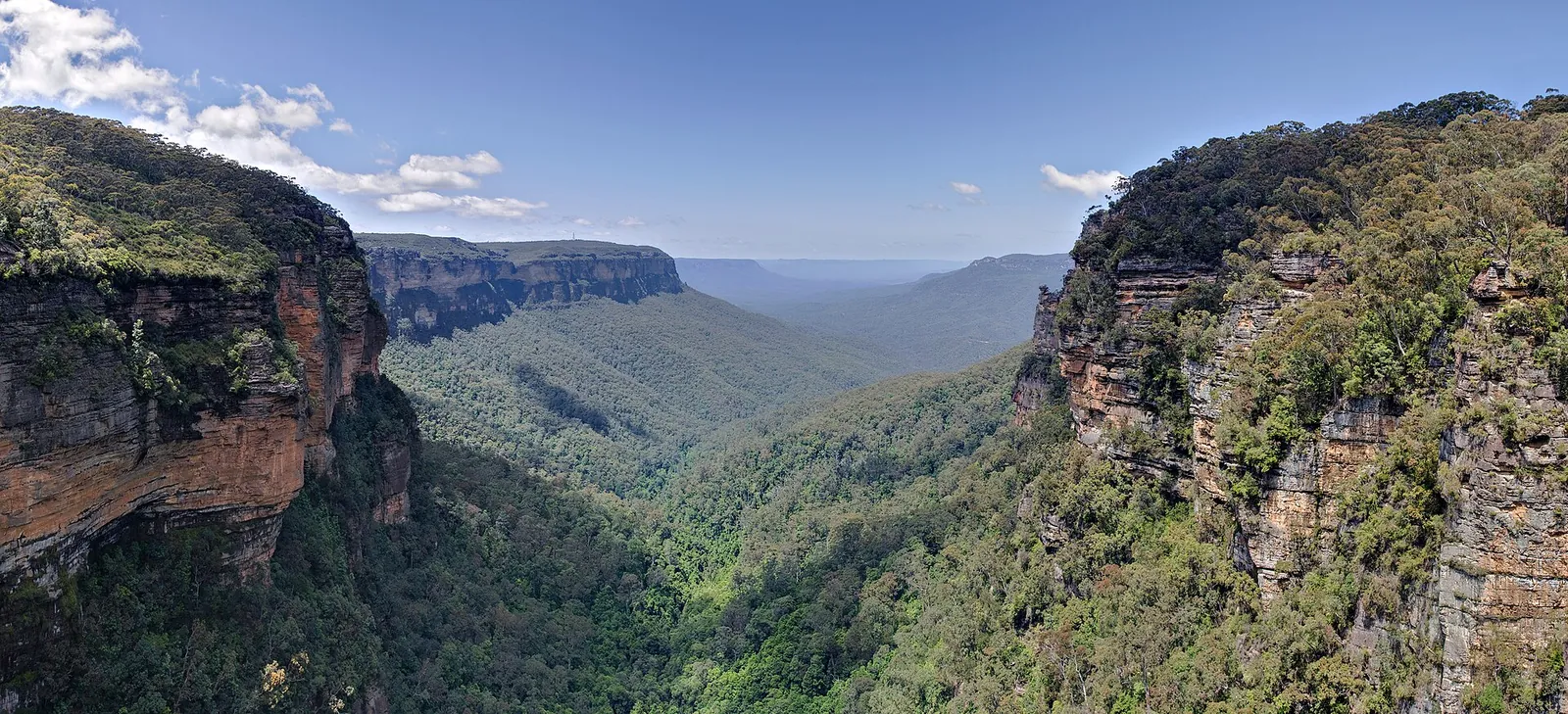
7 days: one clear geographic story
Spend seven days based in Sydney and nearby New South Wales, or instead choose one tropical Queensland coastal base. These are alternatives, not a claim that Sydney and the Great Barrier Reef belong in one effortless short road route. Protect arrival and departure days from impractical transfers.
10 days: add one meaningful contrast
For ten days, deepen one region with an additional nearby experience, such as coast and rainforest in Tropical North Queensland or city and regional walking in Victoria. Make the Red Centre a dedicated itinerary only when air services, park access and accommodation fit the real dates; it is not an automatic road, ferry or boat connection from the coast.
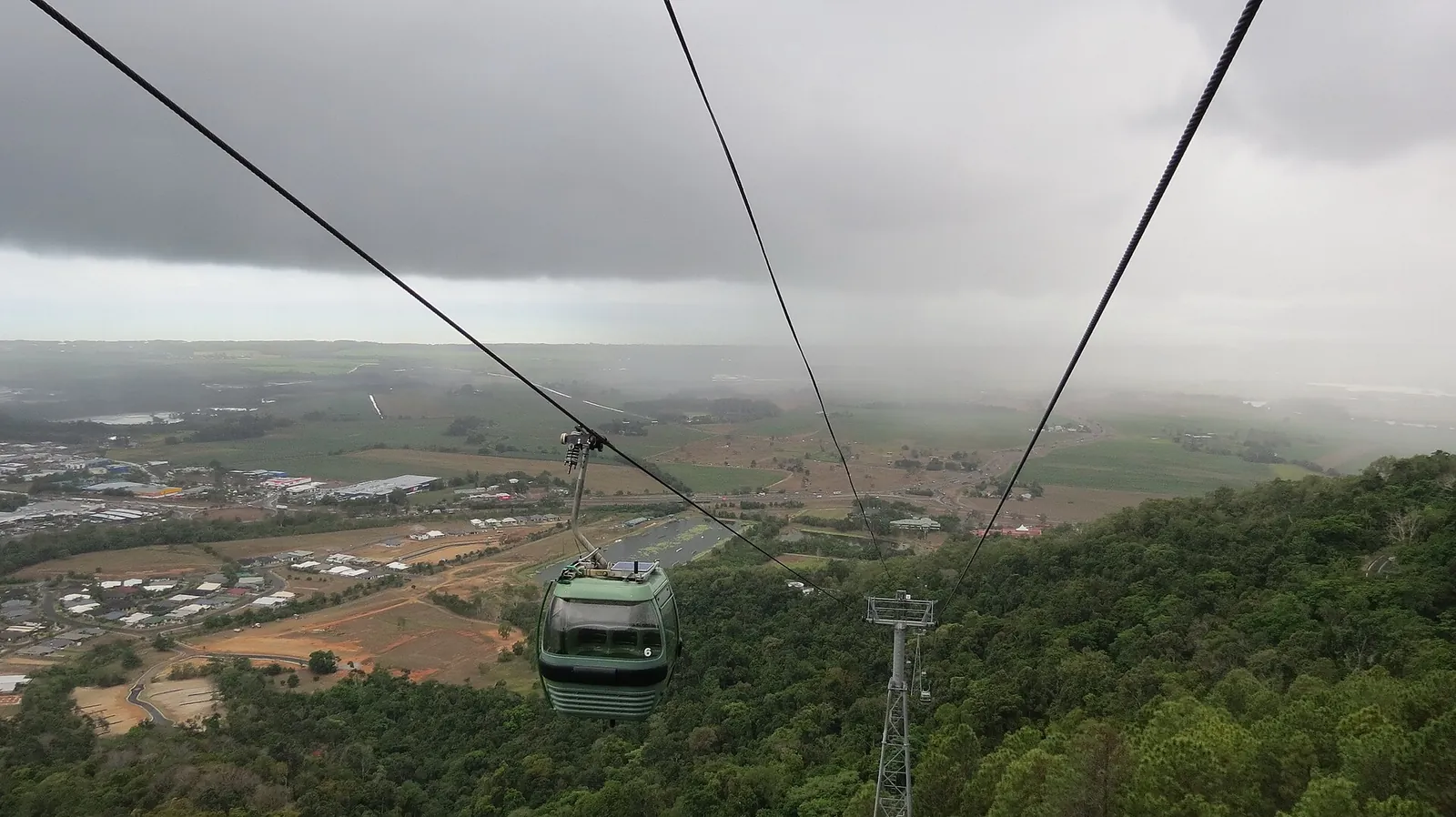
14 days: expand regionally, not randomly
Two weeks can accommodate Sydney and Melbourne with a selected nearby regional extension, or a longer focused Queensland, Tasmanian or southwest Western Australian journey. Treat Western Australia as a separate regional choice rather than a casual day-trip addition to the eastern cities. Leave a contingency day around your most weather-sensitive or complex connection.
Transfer days are real days
- Treat the main gateway and first onward transfer as one planning decision.
- Domestic flights, ferries or boats can be core infrastructure rather than optional extras.
- Road travel is useful only where road quality, distance and vehicle access support the route.
What to cut first
If the route requires backtracking, a same-day long transfer plus sightseeing, or repeated one-night stops, cut the least distinctive leg. Treat each coast and the interior as separate long-haul routes; road distances and heat need conservative pacing.
Detailed itineraries that respect Australia's geography
The following sample routes are editorial planning frameworks, not live timetables. Confirm flights, regional access, sea conditions and operator availability before committing.
Begin with a map, not a flight sale
Before choosing an international gateway, write down the one Australian experience that would make the holiday worthwhile. A harbour-and-neighbourhood city break, a coastal marine trip, a desert cultural visit and a mountain walking holiday do not use the same transport network. Then draw a circle around destinations that can genuinely share a base. Sydney, the Blue Mountains and a New South Wales coastal extension can make a coherent story; adding a tropical reef cruise or Perth simply because its photograph looks impressive can swallow time that could have been spent enjoying the chosen region. This is the central discipline behind all the itineraries below: protect the experience, not the number of map pins.
Work backwards from the departure airport and decide which transfers are essential, optional or fragile. Count every hotel change as more than the duration of the train or flight: packing, check-out, reaching a terminal, waiting, arrival and retrieving luggage reduce usable sightseeing time. If a connection is necessary to catch an international flight, allow a real buffer rather than treating the final domestic arrival as guaranteed. Prices and timetables in examples must be checked with the actual operator.
Seven days in Sydney and New South Wales: the shape
A week around Sydney offers a useful mix of urban life, harbour views, surf culture and nearby landscape without asking the traveller to cross the continent. Spend the first two days learning the city's geography around the harbour and neighbourhoods rather than booking distant excursions immediately. An arrival day can be intentionally light: check in, take a short waterside walk if energy allows, and avoid a timed attraction that depends on an on-time long-haul arrival. On the next day choose one cluster of sights and walkable neighbourhoods. This helps distinguish a genuinely enjoyable city stay from a queue of unrelated photo stops.
Keep the middle of the week open for a Blue Mountains day or overnight visit, but check rail, local transport, walking conditions and daylight for the specific outing. Return to a Sydney base if simplifying luggage and transfers is worth more than maximising stops. End with a coast or food-and-culture day that does not put your flight at risk. There is no need to force Bondi, Manly and every beach into one afternoon; pick the experience you want, account for local transport, and allow weather to change a beach day.
Sydney week: a realistic day-by-day rhythm
Day one is the arrival and recovery day. Day two can centre on Circular Quay, one harbour crossing or ferry journey, and a neighbourhood you want to understand at street level. Day three suits galleries, markets or another urban district; confirm current opening hours rather than relying on a static itinerary. Day four is a Blue Mountains exploration if conditions and transport work; choose an accessible lookout or a walk matched to the group's abilities, not the most dramatic route advertised on a map. Day five is a flexible coastal day with safe-swimming decisions based on local signage.
Day six can revisit the place you actually enjoyed most or provide the rain-day substitute for an earlier plan. Day seven is deliberately modest, especially before an international departure. This sequencing avoids the common mistake of scheduling the only outdoor highlight on a fixed day and leaving no room for rain, heat, train disruption or tiredness. Travellers who want a slower week can exchange the mountains for more city time, and anyone planning a longer hike should consider staying overnight nearby instead of squeezing trail time into an already long return trip.
Seven days based around Melbourne and Victoria
Melbourne is a different seven-day proposition: start with the city, its food and arts neighbourhoods, and then decide whether a regional landscape belongs in the same week. Avoid copying a Sydney plan with its landmarks replaced by Melbourne names. Days one and two can be spent understanding the city's centre and a few adjoining districts. Days three and four could form a deliberate Great Ocean Road segment, but the route has many places worth stopping, and driving conditions and return distances may justify a night away from the city. A full driving day is not an empty transfer day.
The remaining days work better as a choice than as a compulsory checklist: more Melbourne culture, a nearer coastal escape, or another Victorian regional experience matched to the season. If a car is involved, confirm the parking arrangements at your accommodation before collection. If not, check whether an excursion is practical using public transport or a reputable guided service. Distinguish the Great Ocean Road's coastal scenery from the single landmark image that dominates advertising. The pleasure of a road journey is the ability to stop responsibly, not the speed of reaching the final viewpoint.
How to approach the Great Ocean Road responsibly
Decide first whether this is a one-day look at part of the coast or a multi-day road trip. Those are not equivalent holidays. A same-day outing from Melbourne can become exhausting when return driving and sightseeing compete for the same daylight; a stay in an appropriate town reduces pressure. Weather can make viewpoints and beaches feel very different from promotional photographs. Check official road information, temporary access restrictions and the conditions at any coastal walk before departure. Leave the ocean alone when surf and warning signs make an area unsafe.
Do not calculate driving time from a direct straight-line distance. Twisting coastal roads, speed limits, stop frequency, roadworks and slow traffic can all shape the day. Book a night away only after looking at the actual route and its next day's direction; otherwise the accommodation may create backtracking. Small-town services may operate on different hours from a major city. Carry water, keep your fuel plan realistic, and never stop a vehicle in an unsafe location merely for a photograph. For travellers unwilling to drive, compare guided tours on route quality and time at stops, not just on the number of places in the brochure.
Ten days on the Queensland coast: choose the reef gateway
A Queensland holiday built around the Great Barrier Reef should start by choosing the specific marine experience, departure port and authorised operator. The reef is a vast system rather than one point immediately outside every Queensland hotel. First-time travellers commonly conflate Cairns, Port Douglas, the Whitsundays and the broader coast into one tightly packed region; each may warrant its own transfer calculation and seasonal checks. Use the first two days to reach and settle into one base, learn the local geography and book flexible excursions rather than making every day a long trip.
A ten-day outline can include several nights in Tropical North Queensland and a second coastal base only when flight or road connections make the pairing worthwhile. Protect a spare day around any weather-sensitive boat trip. The actual departure point matters to both accommodation choice and morning logistics. Ask operators about swimming ability, accessibility, marine conservation requirements, the type of vessel and what happens during poor conditions. Avoid promising wildlife sightings or perfect visibility. A calm lagoon photograph does not predict tomorrow's sea state, and a sunny forecast inland is no substitute for the marine forecast.
Queensland ten-day sample, without pretending routes are fixed
Days one and two are arrival, local orientation and an easy activity near your chosen northern base. Days three and four offer the primary reef or coastal experience, with one of those days left flexible rather than purchased twice. Days five and six could focus on rainforest or another land-based contrast if an appropriate authorised route is available. Day seven is a rest or independent exploration day. Days eight and nine are best used for a deliberate second experience in the same travel system instead of automatically flying to another state.
Day ten should be shaped by the onward flight and current operator schedules, not by a last-minute remote boat excursion. This programme is a framework, not a claim that every destination or tour is open year-round. Tropical rain, marine warnings, cyclone conditions and stinger advice can materially change plans. Consult the Bureau of Meteorology, local lifesaving information and the selected operator close to travel. Families and travellers prone to seasickness may find two short marine experiences more comfortable than one ambitious long-distance boat day; this is a preference, not a guarantee of suitable conditions.
Ten days in Tasmania: let the island be the destination
Tasmania rewards a different pace from the mainland city-to-city pattern. Its driving routes, protected landscapes, coastal towns and changing weather make a ten-day visit feel substantial without importing unrelated mainland stops. Choose an arrival city and a loop that matches the group's driving confidence and preferred experiences. A few well-chosen overnight bases usually beat moving luggage every single morning. Start with the city and an easy nearby outing, then allow several days for a regional landscape or walking area with weather alternatives.
For each hiking day check Tasmania Parks and Wildlife Service notices, park passes where applicable, track conditions, distances and the abilities of everyone travelling. An impressive aerial photograph can hide steep terrain or rapidly changing conditions. Travellers interested mainly in food, heritage and coast can design a rewarding journey without taking on long alpine tracks. If using the ferry, account for its actual terminal, vehicle conditions and sailing schedule; if arriving by air, compare collecting a car at the right moment with city parking costs. The itinerary's purpose is to enjoy an island rather than finish a circuit at any cost.
Tasmania day allocation: why spare time matters
Days one and two can be reserved for arrival and one urban area; days three through five form a first regional base with two proper experience days; day six is a considered transfer; days seven and eight suit a second base; day nine is the weather reserve or a return toward the departure point; day ten should accommodate departure. The model is deliberately asymmetric. A rainy day in a national park is not made harmless by moving the same hike to the following afternoon without rechecking access.
Choose accommodation so that the longest road legs happen in daylight where practical and so that a late arrival does not coincide with a demanding walk. Check road advisories before a remote drive, and do not treat route-planner estimates as promises. Where ferries or island excursions are involved, book only after reading the cancellation and weather policies. If a traveller has limited mobility or wants a relaxed holiday, several shorter coastal or cultural stops may be more rewarding than the celebrated long hikes; accessible routes must be confirmed with the venue or park authority.
Fourteen days: Sydney, Victoria and one regional focus
Two weeks can support a southeast journey without pretending that eastern Australia is small. A practical design is to spend several nights around Sydney, travel once to Melbourne and spend the rest of the fortnight in the city and a deliberately chosen part of Victoria. The two cities have distinct identities; trying to sample each in twenty-four hours turns meaningful travel into a checklist. A rail or flight connection between cities needs its own realistic journey day including getting to and from stations or airports.
Allocate approximately five nights to the Sydney region, one clear transfer day, then six or seven nights to Melbourne and Victoria, depending on flights. The final night belongs close enough to the onward departure that a delayed road leg does not threaten the trip. Blue Mountains and Great Ocean Road visits are both potential regional highlights, but they should not automatically be forced into the same fortnight if the traveller values slow mornings or shorter drives. The trade-off is worth stating: adding the second regional road trip usually means giving up time in one city.
Fourteen days: one Queensland region in depth
The alternative to multiple domestic flights is a longer stay in a focused Queensland area. A fourteen-day Tropical North Queensland trip can include reef, rainforest, beach time, food and small-town exploration with enough room for uncertain weather and recovery after marine excursions. Use different days for water and land-based experiences so the entire holiday is not hostage to one activity. Another fourteen-day plan might be centred on a different Queensland coast or island group; do not merge these concepts until distances and actual transport are checked.
Longer is not a reason to fill every day. Snorkelling and diving operators may have eligibility, medical, environmental and safety rules that affect what a traveller can do; confirm these before non-refundable purchases. Reef conservation also changes how to behave in the water: follow crew guidance, do not touch coral and respect protected species. Families might choose a stable base with repeat visits to favourite beaches or local activities rather than a second long-distance relocation. In some seasons or forecast windows a rainforest or cultural activity is a better use of a day than another boat booking.
Fourteen days: Perth and the southwest
Western Australia deserves a regional itinerary of its own. Perth is a logical urban gateway for a southwest-oriented journey, but it does not make every scenic corner of the state a day trip. Select a sensible turning point from your travel dates, intended driving limits and actual accommodation availability. A fortnight can divide into a few nights around Perth, several nights at one or two southwest bases, and a return buffer. The draw is slower coastal, food and landscape exploration rather than long-distance destination collecting.
Do not append Broome, the Kimberley and every famous Western Australian beach to a short southwest circuit without examining travel times and seasons. Much of the state operates on a scale that calls for another trip. If visiting national parks, check individual park authority information and any fire or road restrictions. Regional roads can be demanding in heat or after severe weather. Wildlife at dawn or dusk increases driving considerations in some areas; avoiding unnecessary night driving is a planning choice. Book accommodation around the actual route rather than scattering cheap reservations across distant towns.
The Red Centre: a separate decision, not an afterthought
A visit to Uluṟu-Kata Tjuṯa is not a generic detour from Sydney, Melbourne or tropical Queensland. Decide whether the cultural landscape and associated experiences are central enough to justify a dedicated route, then examine actual air services, ground transfers, accommodation and park access. Respect that these places carry continuing significance for Aṉangu traditional owners. Follow Parks Australia guidance on culturally sensitive photography, walking, closure and visitor conduct rather than treating a famous rock formation solely as a sunset photograph.
The Red Centre has temperature and remoteness considerations that can change a walking plan, so leave flexibility and check official safety information close to travel. Commercial publication of photographs taken in some protected areas may require permissions separate from ordinary visitor access. If connecting a Red Centre stay to a large-city holiday, identify the exact travel days and likely fatigue rather than assuming every transfer is a quick hop. A shorter, purposeful regional experience often delivers more understanding than a rushed loop of landmarks.
Kakadu and the Top End: seasonal access is part of the itinerary
Kakadu sits in Australia's tropical north, where seasonal rainfall and road conditions can dictate which visitor areas are accessible. It should be approached through current park and road information rather than a static list of attractions. Planning around Darwin and the Top End means accepting that some access is controlled, weather-sensitive or suitable only with particular vehicles and operators. A map pin inside a huge park says little about how readily a visitor can reach it.
A responsible itinerary allows alternatives rather than relying on an exact waterfall or lookout being open. Check Parks Australia guidance for each chosen area, follow crocodile and water-safety signage, and do not infer that a swimming spot is safe because somebody posted a photograph there. Cultural access, permissions and the role of traditional owners are integral rather than decorative context. Avoid trying to bolt a Kakadu road day onto a holiday whose other bases are on the opposite side of the continent. For a short first trip, it is entirely reasonable to choose the southeast or Queensland instead.
Airport choice and the hidden cost of switching regions
Search the full itinerary as a sequence of transport legs before buying the cheapest headline long-haul ticket. Sometimes an open-jaw arrangement, entering through one city and leaving from another, reduces backtracking. Sometimes it adds cost or awkward luggage conditions. Only a current multi-city comparison can tell. Count the cost of a transfer in both money and usable holiday hours. A flight advertised as short still involves reaching the airport, security, boarding, collecting baggage and reaching the next base.
Where a journey uses separate flight tickets, check baggage rules, change conditions and what happens if the first flight is late. Separate bookings may not protect a missed onward connection. Leave an especially generous buffer before an international departure, or return to the departure city the previous day. Domestic transfers are not the scenic part of most Australian holidays; minimise them so that time is spent in the places you intentionally chose. There is no universal rule that flying always beats rail or road for a given city pair.
Road trips: make the daily drive honest
The difference between a relaxing road trip and an exhausting one is often the sum of uncounted stops. Before accepting a day's route, separate wheel time from fuel stops, meals, viewpoints, toilet breaks, walking and weather delays. Driving for hours and then attempting an ambitious hike can push the most difficult part of the day into the late afternoon. Use official road advisories where available, particularly for remote or seasonally affected routes.
Check car-hire conditions for permitted roads, driver age, insurance excess, kilometre limits, after-hours collection and return. A low online daily rate may exclude the fees that matter most on a long route. Do not assume an ordinary rental vehicle is suitable for unsealed roads. If the plan includes roads far from towns, confirm fuel, water, communications and emergency guidance from the relevant authority. Australia's large distances make a simple rule valuable: reduce the kilometres before adding one more stop, not after everyone is already tired.
Ferries and island travel: protect the connection
A ferry can be a wonderful part of an itinerary, but it is not simply a bridge drawn on a map. Confirm the departure terminal, sailing schedule, check-in lead time, luggage or vehicle rules and cancellation policy for the specific route. Marine conditions may affect operations, especially around exposed crossings and island excursions. Travellers who are sensitive to motion may wish to discuss options with a healthcare professional and the operator before purchasing non-refundable travel.
Choose a final night that protects onward travel instead of scheduling a weather-sensitive island return on the morning of an international departure. Where a reef trip or ferry is the emotional centre of the holiday, leave a fallback day so the experience is not lost because one day is unsuitable. This does not guarantee an excursion will run. It simply makes the itinerary more resilient. For island stays, ask whether shops, medical support and transport operate on the dates you intend to visit rather than imagining mainland service levels.
Travel with children: fewer transfers, stronger days
For families, the best itinerary is rarely the one with the most locations. A well-chosen base with an easy supermarket, short local journeys and accommodation suited to the group can free time for the experiences that matter. Include rest periods and room for a change of plan after a long-haul arrival. Check age, height, swimming, supervision and safety requirements for marine tours, guided walks and adventure activities with the exact provider.
A week around Sydney or a concentrated Queensland or Tasmanian plan can be richer than two long domestic flights and repeated hotel check-ins. Young children may experience a lengthy scenic drive as a transfer rather than a highlight. Build coastal days around patrolled beaches and current local advice rather than a photograph of calm water. Keep some activities optional: a rain shower, disrupted sleep or hot afternoon should not make the family feel the whole trip has failed. Choosing comfort is not lowering the ambition; it is making the destination accessible.
Travel without a car: choose bases that support you
Australia can be explored without hiring a vehicle, but the feasibility changes by region. Major cities offer different public transport choices from remote national parks or long rural road trips. If you do not plan to drive, pick accommodation around stations, ferries, tour departure points and genuinely walkable local streets; never assume every well-known natural attraction has a practical bus connection. Identify the last return service before scheduling an evening far from your base.
Compare guided regional trips on real time at each stop, group size, accessibility and safety management. A tour with a long list of attractions may still spend most of the day inside a vehicle. Where a route is only practical with a car or authorised specialist transport, say so early and choose another region if that does not fit your style. Use official transit journey planners for the exact date and day of week, particularly around holidays. For travellers with mobility requirements, ask about lifts, step-free boarding and accessible vehicles directly rather than assuming city-wide accessibility means every trip is covered.
Weather and season: keep the route flexible
Australia's regions can have very different seasonal patterns. The tropical north has a wet-season rhythm, temperate cities and Tasmania have their own weather patterns, and inland heat can constrain exposed walking. Choose the season for the actual destinations rather than applying a single nationwide 'best time'. The Bureau of Meteorology is the starting point for current warnings and forecasts; land managers and road authorities decide access to specific areas.
Give the itinerary two layers: fixed commitments such as flights and accommodation, and movable experiences such as a coastal walk or marine excursion. Keep at least one flexible day near the highest-priority outdoor activity when time allows. If severe conditions make a route unsafe, a booking does not make the activity worth attempting. Travellers should follow official evacuation, fire, flood and park-closure information instead of improvising around restrictions. An all-weather museum, gallery or neighbourhood food day is not a consolation prize; it is part of a resilient holiday design.
Avoid overpromising wildlife, marine conditions and access
Nature-based tours are not performances scheduled to order. Reef visibility, wildlife sightings, safe swimming conditions, park access and the quality of a sunset cannot be promised by a static article. Read the exact inclusions and cancellation terms of the operator, ask what the experience entails in less favourable weather and check any fitness or swimming requirements. If a particular animal encounter is the only reason for the journey, understand the uncertainty before committing the entire holiday budget.
Likewise, an image of a famous protected-area site may not be an invitation to approach it or photograph it in every way. Some areas have cultural, conservation or safety restrictions. Visit the park authority's current guidance, and respect staff instructions on site. The better itinerary creates space for learning about the place rather than racing toward a single postcard angle. When conditions change, travellers are better served by a second worthwhile activity in the same region than by attempting a risky last-minute long-distance substitute.
Accommodation changes: when they improve the holiday
A hotel move is justified when it materially improves access to an experience or avoids an unreasonable return journey. It is less persuasive when a map shows two appealing hotel photographs a short distance apart. For each proposed change, list the gained experiences, the travel day consumed, the effect on luggage and the cancellation conditions. Do not book an overnight in a distant region until the transport leg is confirmed.
There is no moral virtue in sleeping in a different town every night. Four nights in one well-chosen base can provide better local understanding than four rushed arrivals. Conversely, a genuine point-to-point coastal drive may warrant multiple stops. The distinction is whether the movement is part of the experience or a cost imposed by an overstuffed itinerary. Consider the group's preferred pace, the accessibility of transfers and the type of accommodation available; the most photogenic property is not always the best operational base.
What to book first, and what to leave open
Secure the elements that define the trip before filling the calendar with small activities: essential long-distance transport, appropriate lodging at a remote or high-demand base, and any limited-access experience with strict capacity rules. Read the supplier's conditions and confirm that dates align. Next, map local transport from each base to the actual meeting point. Only then add low-risk restaurants, galleries or self-guided walks that can move with the weather.
Holding every slot in advance may feel efficient, but excessive non-refundable reservations make a fragile itinerary. Where conditions are variable, compare flexible fares or cancellation terms, while recognising that flexibility can cost more. Keep one shared record containing booking references, local contact details, departure terminals and the authority websites relevant to your route. That practical document is more valuable than a list of attractions without context. For any visa, entry or medical requirement, verify the current official guidance for your own nationality and circumstances.
A useful fourteen-day trip is not fourteen sightseeing days
Arrival, recovery, relocation, laundry, groceries, rest, and the return to the departure gateway all take time. For a fourteen-day trip with two regions, a useful exercise is to colour-code days as full experience days, partial days, transfer days and flexible days. If a supposed two-week holiday contains six major transport days, it may actually provide less destination time than a well-designed ten-day trip.
This accounting is especially important on long-haul itineraries and with groups whose pace differs. Do not quietly assume an early flight and a full afternoon walk are comfortable for everyone. Put the physically demanding activity after an appropriate rest period. Share the proposed route with travelling companions before committing to accommodation: one person's dream of repeated dawn starts may be another person's exhausting holiday. Deliberate free time is not wasted itinerary space; it is what lets a journey feel like time away.
How to make an itinerary original to you
Write three answers before collecting inspiration: what do you want to understand, what do you want to experience physically, and what would make you feel rushed? Someone fascinated by cities and food needs different stops from a traveller whose priority is a remote cultural landscape or marine ecology. Once those answers are clear, the famous sites either support the narrative or fall away naturally.
TripMag's approach is to make the journey itself worthwhile. Instead of racing from one landmark to another, choose a route where transport, the rhythm of each base and a few deeper experiences connect. An evening in one neighbourhood, a patient coastal walk or a conversation with a properly qualified guide can shape a more memorable holiday than a long list of brief stops. Nothing in a sample itinerary should be read as a personal visit claim or as an assurance of present-day access; use it to form questions for local operators and official authorities.
Before departure: the final practical review
Seven to ten days before travelling, recheck all confirmed transport legs and make a list of any bookings subject to weather or operational changes. Confirm entry documents against official Australian and UK advice, and check whether your chosen activities need advance registration or a current permit. Save offline contact and booking details in case a rural connection is poor. Consider travel insurance provisions in relation to activities, vehicle hire, health needs and disruption, rather than assuming one policy covers every plan.
Then review the forecast and warnings for each actual region, not just 'Australia' as a whole. Revisit park and road authority pages before remote excursions and again on the day. If the planned journey relies on a marine departure, speak to the relevant operator about conditions. Make a small list of alternatives that are genuinely nearby; do not create contingency plans that require driving across the continent. A careful final review protects the holiday without requiring every moment to be planned.