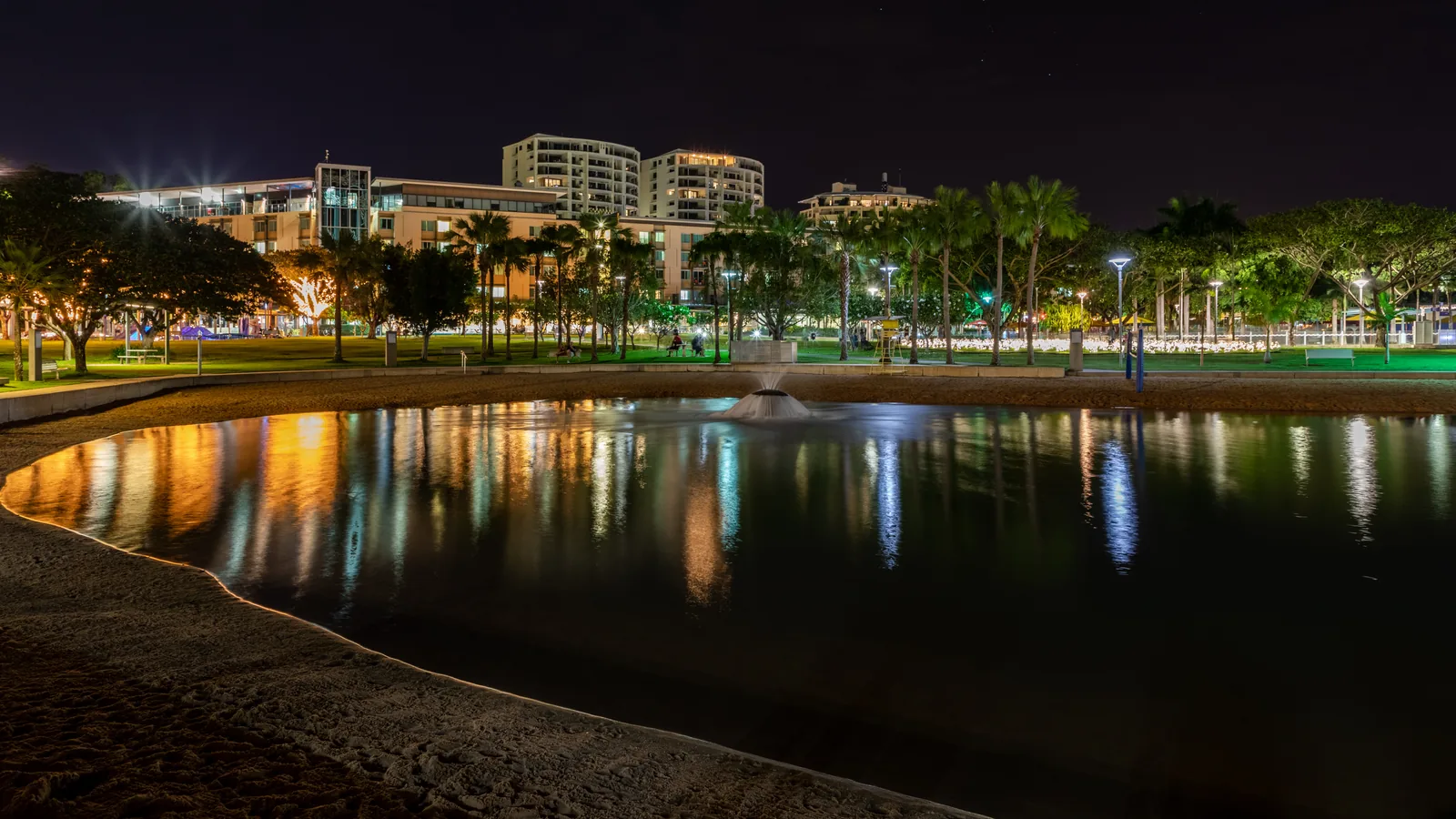

Australia is best approached with practical risk management rather than alarmism. The recurring issues are usually transport, terrain, weather, crowds or region-specific rules. Their significance depends on the exact destination and activity; route planning cannot remove every risk.
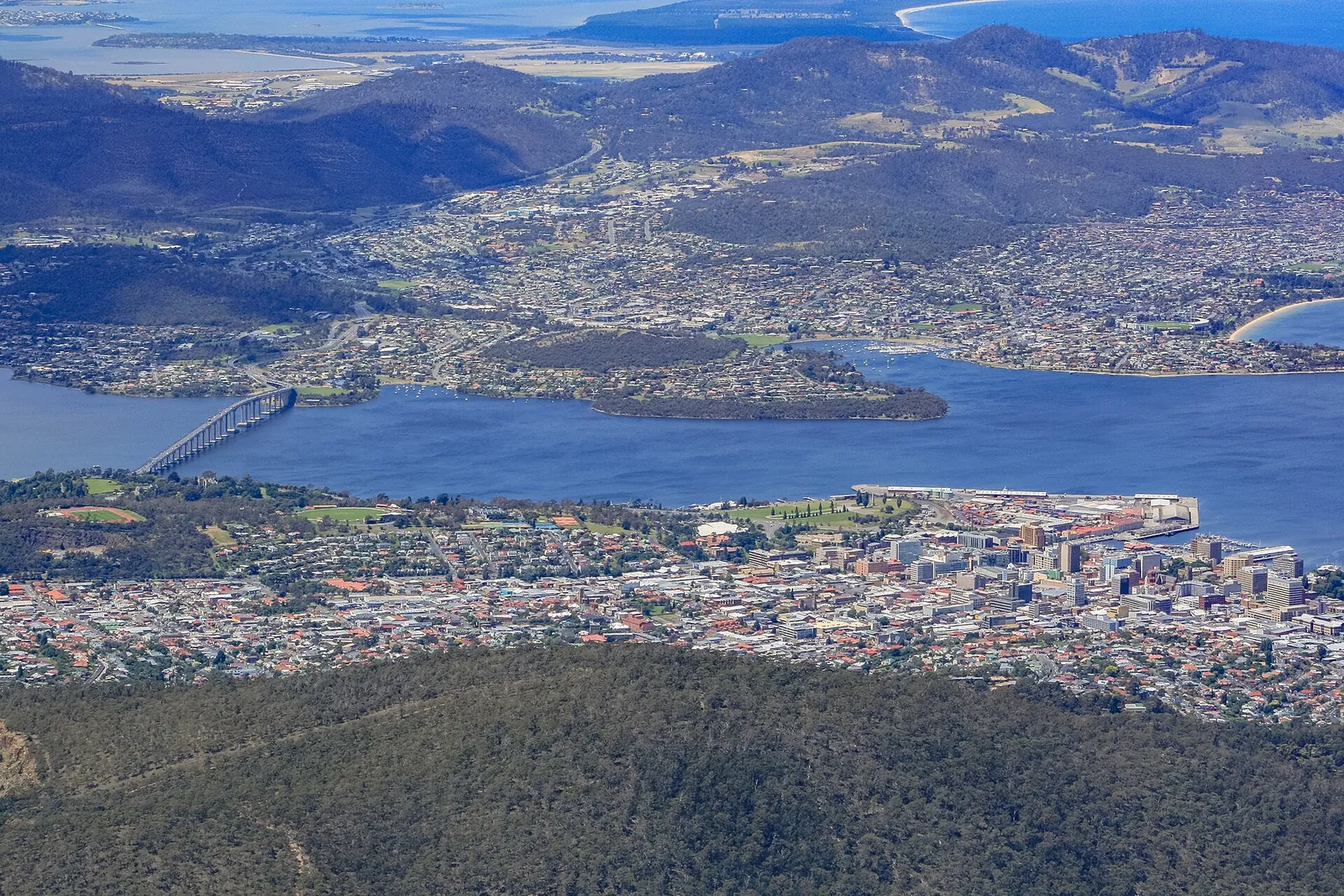
The durable risks to plan for
Risk varies by region, activity and current conditions. Check current official government travel advice and the relevant local transport, marine, weather, protected-area or emergency authority for the exact route.
- Treat each coast and the interior as separate long-haul routes; road distances and heat need conservative pacing.
- Protect the final international connection from weather-sensitive domestic flights, ferries or long road legs.
- Entry, bushfire, flood, weather, marine and protected-area conditions require current official checks for the specific region.
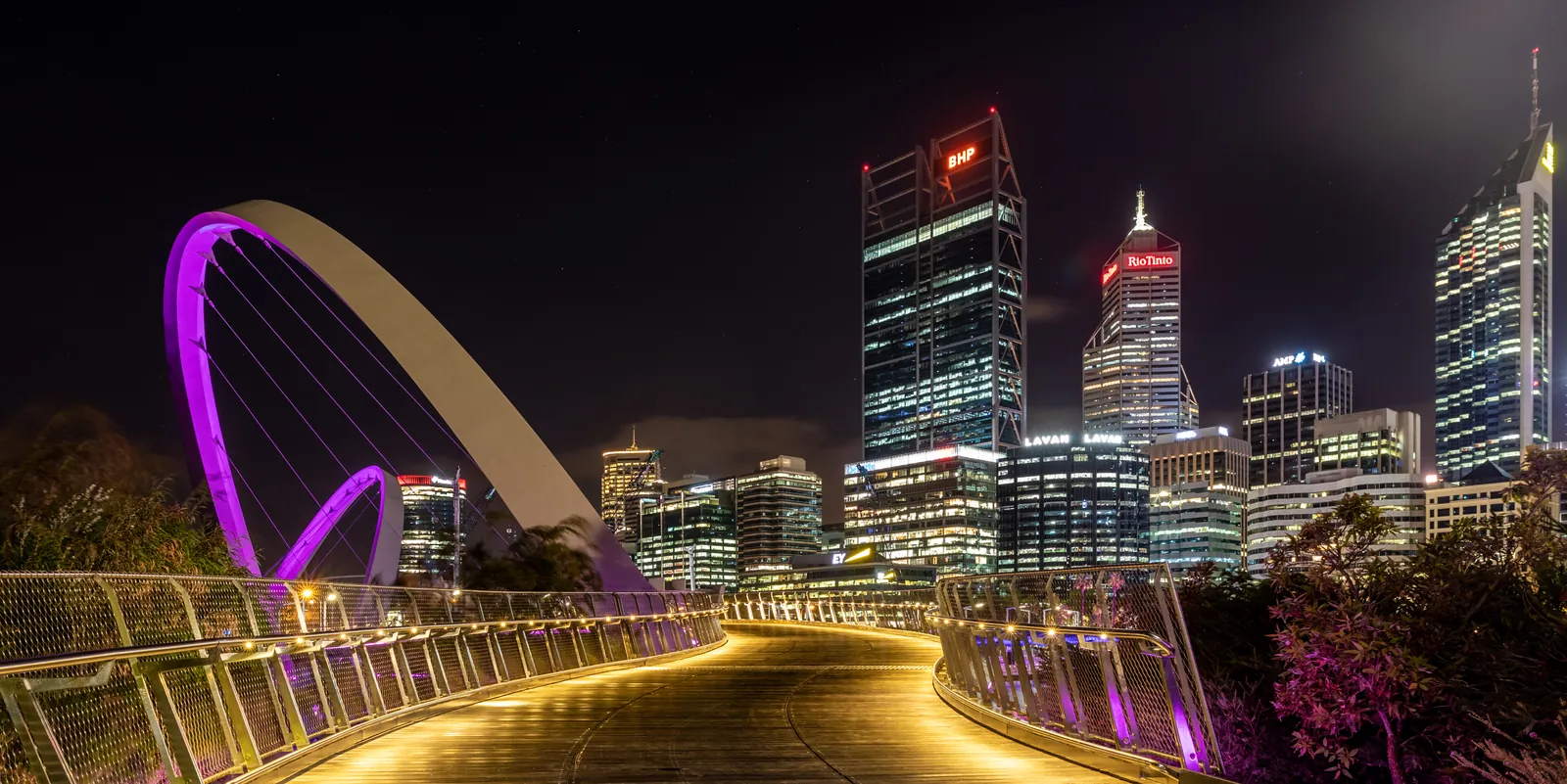
Urban awareness
Use normal city precautions around crowded transport, nightlife and tourist cores. Avoid unsupported claims that any whole country or city is objectively “safe” or “unsafe”.
Terrain, weather and road reality
Check the official park, road, weather or maritime source when the day's plan depends on exposed terrain, mountain access or sea conditions.
Entry and legal information
Evergreen copy should not freeze a visa, border or legal snapshot. Use the cited government travel advice for current entry requirements and regional restrictions before departure.
What belongs in Travel News instead
Active strikes, temporary closures, same-week severe weather, demonstrations, wildfire disruption and short-lived border measures are deliberately excluded here because they expire quickly.
Australia safety guide: region-specific decisions and authoritative checks
For serious emergencies in Australia, call Triple Zero (000). Official warnings, park notices and operator briefings supersede every static travel article.
Safety in Australia begins with the exact place
Australia cannot be assessed through one blanket statement about danger or safety. A city neighbourhood, a patrolled surf beach, a desert walking track and a remote tropical park have different hazards and emergency resources. Most sensible travel planning begins with the specific activity: where will you go, how will you reach it, what conditions would make it unsuitable and who can provide current guidance? General reassurance is less useful than a realistic local plan.
Before leaving, check official travel advice relevant to your nationality and itinerary. British visitors can use the UK Foreign, Commonwealth & Development Office's Australia pages for live travel advice, entry and health context. Within Australia, the Bureau of Meteorology, state and territory emergency services, road authorities, park managers and marine operators provide information that a magazine cannot keep live on every page. This guide provides durable decisions, not emergency alerts or a promise of personal safety.
The emergency numbers worth knowing
In a serious Australian emergency requiring police, fire or ambulance services, the principal number is Triple Zero, 000. The Australian Communications and Media Authority also explains the circumstances in which 112 can be used from a mobile phone; it is not a substitute for planning communications in remote places. Share the destination and clear location information when requesting help. Reserve emergency services for genuinely urgent situations and use the appropriate local services for non-urgent concerns.
Save accommodation addresses, tour operator contacts and relevant emergency authority links offline. Rural mobile reception can be limited, so do not assume your ordinary telephone will work on every remote track or road. In a group, make sure more than one person knows the itinerary and can access bookings. If you are setting off beyond reliable reception, learn the route's communication guidance from the responsible land manager. A reliable plan does not depend on finding a signal at the moment something goes wrong.
Beach swimming: flags matter more than photographs
Australia has famous beaches, but a beach's appearance does not establish swimming safety. Rip currents can occur even when the surface looks inviting. Australian health and government guidance recommends swimming at patrolled beaches between the red and yellow flags, following lifesaver instructions and checking warnings before entering the water. Do not treat an empty beach as proof of peaceful conditions. A person who is a strong pool swimmer may still be unfamiliar with surf currents.
Avoid swimming alone, in poor visibility or after drinking alcohol. Supervise children actively near the water and ask local lifesavers about the day's conditions. If an area has no patrol or displays a dangerous condition notice, a walk along the shore may be a better choice than going in. Beach safety changes with tide, swell, weather and location; this article cannot tell you whether a particular beach is safe today. Use Beachsafe and local lifesaving guidance immediately before visiting.
Rip currents and surf judgement
A rip is a concentrated flow of water away from shore, and it does not necessarily announce itself through enormous breaking waves. Do not decide a beach is suitable simply because other people are in the sea. Look for patrol flags and safety signs and ask lifesavers if uncertain. A surfboard or boat activity involves different considerations from ordinary bathing, so match the activity to experience and current warnings.
Anyone caught in difficulty should prioritise staying calm, signalling for help and following current official lifesaving guidance rather than attempting an unpractised rescue. Bystanders should avoid entering hazardous water impulsively. Some beaches have numbered emergency location signs that can assist responders; observe the sign where present. The most effective prevention is choosing a suitable patrolled area before the swim. A photograph posted online may have been taken during entirely different conditions.
Marine wildlife: do not make the animals the whole story
Jellyfish, sharks and other marine animals can occur in Australian waters, but the practical risk depends on exact place, season, activity and official local advice. In tropical and northern areas, marine-stinger warnings can be especially relevant at certain times. Follow local beach closures, protective-equipment advice and operator instructions. Never presume that because a lagoon appears sheltered it is appropriate to enter.
Reef tours should explain their own safety briefings and environmental rules; ask questions about equipment, medical requirements and your swimming ability before boarding. Respect wildlife without feeding, handling or crowding it. The aim is not to frighten visitors away from the coast but to replace internet folklore with region-specific guidance. Look for information from local authorities, lifeguards and the actual marine operator rather than a static list of dangerous creatures.
Northern waterways and crocodile warnings
In parts of Australia's tropical north, crocodile risk makes casual freshwater or estuary swimming an especially serious decision. Kakadu and other Top End environments demand attention to current official signs and park advice. Do not assume a waterhole is safe because it looks clear, other visitors have taken pictures there or there is no visible crocodile. Observe restrictions at riverbanks, boat launches and designated viewing areas.
A guided visit can provide valuable local knowledge, but a tour booking does not override closures or warning notices. Follow all distance, access and water-safety instructions from park staff or licensed operators. If the area's swimming status is uncertain, choose a land-based experience. Do not use unofficial shortcuts or cross barriers to reach an attractive photograph. The best trip includes respect for the landscape and the people whose work makes responsible access possible.
Snorkelling and diving: medical honesty and good operators
Snorkelling and scuba diving carry different demands from sightseeing on a boat. Before booking, check whether the operator can support your swimming ability, health circumstances, accessibility needs and level of experience. Complete required medical declarations accurately, and do not minimise a condition to avoid losing a booking. Ask what instruction and supervision are provided, what equipment is included and how changing sea conditions are handled.
Choose an operator with appropriate safety procedures and conservation practices. Never rely on a promise of calm water or guaranteed visibility. If you feel unwell, exhausted or unsafe during an activity, tell the crew rather than forcing the experience. Travellers with relevant medical questions should seek advice from a qualified professional. Allow realistic time between diving and flights according to the guidance applicable to your activity; confirm this with your dive provider and an appropriate specialist rather than following an invented universal rule.
Marine forecasts are different from city forecasts
A sunny morning in Cairns or another coastal town does not prove that offshore conditions will suit every boat. Wind, swell, storms and visibility can differ from land weather. Consult the Bureau of Meteorology's relevant marine forecast and the selected operator's actual departure advice. Weather-related cancellations are an important reason to keep a flexible day when the sea is central to a holiday.
Read cancellation and rescheduling terms before paying for marine activities. If a captain or authority says the trip cannot operate safely, do not seek a less regulated alternative to keep the schedule. A second nearby land-based activity can be a genuine highlight, not merely a consolation. Families, less confident swimmers and anyone susceptible to motion sickness should consider the type and duration of the vessel journey. A safe decision today may be different from the one made when the tour was originally booked.
Sun, UV and heat: plan for exposure
The Australian government recommends practical sun protection including a hat, sunglasses and water-resistant sunscreen with SPF 50 or higher, alongside shade and hydration. Heat affects far more than comfort: exposed walks, long queues, urban sightseeing and road trips can become unsuitable in extreme conditions. Plan difficult outdoor activity for an appropriate period of the day and be prepared to shorten or cancel it when the forecast or official warning calls for caution.
Drinking water, suitable clothing and rest matter, particularly for children, older travellers and people with medical vulnerabilities. Do not confuse a light sea breeze with an absence of UV exposure. In remote areas, water planning must be based on the route and current conditions rather than a generic bottle count in a blog post. Learn signs of heat illness from a reliable health source, and seek urgent help for serious symptoms. No attraction is worth continuing through dangerous conditions simply because it is on the itinerary.
Bushfire season: follow authorities, not a calendar alone
Bushfires can threaten landscapes, communities, roads and air quality. Seasonal patterns help planning, but an exact warning is more important than a general statement that one month is safe or unsafe. The UK FCDO notes elevated seasonal bushfire risk in parts of Australia, particularly during the warmer months. Fires can change direction quickly and smoke can affect locations away from the flames.
Check Bureau of Meteorology forecasts alongside the relevant state or territory emergency service. Travellers may encounter local alert services such as Hazards Near Me in New South Wales, VicEmergency in Victoria and Emergency WA in Western Australia. Confirm the appropriate authority for your current region and follow evacuation or shelter instructions. If a park or road is closed, do not plan a workaround through an unofficial track. Flexible accommodation and transport choices can help, but no reservation is more important than an instruction to leave a dangerous area.
Flooding and tropical cyclones: access can change suddenly
Tropical and subtropical parts of Australia can experience severe rainfall, flooding and cyclones. Risks vary strongly by region and season; a general national forecast is not enough for a Top End, Queensland or northwest Western Australian road journey. Floodwater may damage roads or conceal hazards even after rainfall has eased. A route appearing passable on ordinary mapping software does not establish that it is open.
Use the Bureau of Meteorology for relevant warnings and the responsible road authority for live road status. Never drive through floodwater or attempt a closed crossing. Follow local emergency instructions about staying put, leaving an area or avoiding travel. If a cyclone warning changes marine operations or accommodation access, contact suppliers and protect onward connections. Build alternatives that remain within safe, serviced areas rather than trying to preserve every sightseeing stop during severe weather.
Remote road travel: prepare before losing reception
Long drives across sparsely populated regions demand more planning than an urban motorway journey. Know the route, fuel and rest opportunities, whether surfaces are sealed and what your rental agreement permits. Check current restrictions and road conditions through the appropriate state or territory service. Navigation software cannot certify safety or vehicle suitability. Roadworks, heat, floods or restricted land access may change the route after a booking is made.
Plan conservatively around daylight and driver fatigue. Carry water, appropriate supplies and communications suited to the area, and let someone know your route where practical. In remote travel, the absence of another vehicle is not evidence of a clear road. Never improvise onto an unfamiliar unsealed shortcut because a map labels it shorter. If local authorities advise specialist equipment, an approved vehicle or an experienced guide, treat that advice as a requirement rather than a marketing suggestion.
Fatigue, wildlife and driving on the left
Driving on the left is familiar to British visitors, but Australian road conditions, driving distances and regional wildlife can still be unfamiliar. A stretch that looks simple on a map may involve hours without frequent services. Fatigue increases risk, particularly when a driver is recovering from a long-haul flight or trying to complete a scenic day before sunset. Use realistic rest breaks and exchange drivers only where they are authorised and competent.
Animals may enter roads, particularly around dawn and dusk in some regions; adjust driving plans to local guidance. Follow posted limits and never assume that another vehicle's speed is appropriate. Check licence requirements and vehicle-hire conditions for your own status. A scenic itinerary with fewer kilometres is often safer and more rewarding than the cheapest hotel plan that requires late-night driving. If tired or conditions deteriorate, stop in a safe location and reassess instead of accelerating to recover the schedule.
Bushwalking and coastal hikes: difficulty is personal
Australia offers everything from easy urban paths to demanding wilderness hikes. Trail popularity does not establish suitability for a particular traveller. Before setting off, read the park authority's current route description, length, grade, expected conditions, restrictions and advice on equipment. Choose a route that the least experienced group member can complete comfortably. An exposed lookout, wet rock platform or steep trail may be hazardous even when the photograph suggests an easy stroll.
Start with realistic daylight and weather margins and tell someone the plan for longer or remote walks. Do not cross closed-track barriers. Carry appropriate supplies and understand whether mobile coverage is reliable. If conditions are worse than expected, turning around early is a successful safety decision. Tasmania's alpine environments, the Red Centre and humid tropical areas create different considerations; do not apply one hiking checklist indiscriminately. Ask park staff or qualified operators when unsure about a route's demands.
Cultural sites and access restrictions
Australia's landscapes include living Aboriginal and Torres Strait Islander cultures and places with specific custodial responsibilities. A tourist photograph does not grant unrestricted access, permission to climb or permission to record culturally sensitive areas. At Uluṟu-Kata Tjuṯa and other protected places, follow the relevant park and traditional-owner guidance on access, behaviour and photography. Cultural interpretation is best approached through authoritative community sources and appropriately engaged guides.
For remote lands outside some protected areas, additional permissions may be required. Research the exact place and governing authority before travelling. Do not assume a visible track or an image shared by another visitor establishes lawful access. Publishers have further responsibilities: commercial use of existing images of some parks can require approval even where the original photographer provided a Creative Commons licence. Anyone planning to reproduce park photographs commercially should verify site-specific media permissions before publication.
Kakadu and Uluṟu have different environmental realities
Although both are nationally significant protected landscapes, Kakadu's tropical seasonal access considerations and Uluṟu-Kata Tjuṯa's arid conditions call for distinct plans. A traveller should never reuse the same remote-parks checklist as if climate, road access and visitor services were interchangeable. Check the individual park's current notices, opening arrangements, visitor guidance and cultural-site restrictions before paying for transport or accommodation.
Allow time to listen to land managers and appropriately authorised guides. Avoid entering water in areas where crocodile or other warnings apply and respect heat-related walking restrictions. Commercial park photography rules matter to website owners separately from visitor conduct. A plan that becomes impossible after an access closure should have a safe regional alternative, not an invented off-road shortcut. Protected-area rules exist for people, cultural heritage and ecosystems; observing them is part of the travel experience.
Cities: ordinary precautions without alarmism
Australian urban centres are varied and cannot be reduced to a single safety rating. Travellers should take ordinary precautions with belongings on busy transport, be attentive when using cash machines and plan a safe way back from nightlife. Avoid leaving valuables visible in parked vehicles and understand the local route to your accommodation. Those are practical habits rather than evidence that an entire city is dangerous.
Before an unfamiliar late-night journey, check current public transport and use legitimate taxi or rideshare arrangements where appropriate. If travelling alone, keep someone you trust informed about important transfers. Follow local advice for unusual disruption or events rather than relying on outdated online comments. A comfortable, well-located hotel and a realistic daily pace may reduce avoidable stress more than chasing a supposedly 'safest suburb' ranking with no meaningful methodology.
Families and water supervision
Family safety is often about practical details: constant supervision around pools, patrolled swimming areas, weather-appropriate activity choices and travel days that leave room for tired children. An attractive private pool may not have a lifeguard, so never treat the presence of other guests as supervision. Confirm age and height requirements for excursions and check whether appropriate safety equipment is provided.
At the coast, follow red-and-yellow flag guidance and ask lifesavers about children's swimming conditions. For marine trips, choose operators whose briefings, facilities and duration suit the group. Plan shorter walks when heat or terrain make ambitious hikes unsuitable. The strongest family itinerary does not force a pre-paid activity at the expense of sleep, hydration or safe conditions. Make sure all adults understand who is actively supervising each child rather than assuming another person is watching.
Solo travel: keep the plan straightforward
Travelling alone does not automatically make an Australian destination unsafe, but it increases the importance of communication and reliable transport. Choose accommodation and transfer arrangements that suit your arrival time. Tell someone your general itinerary, especially before a remote walk or long drive. Keep essential identification and booking information securely accessible.
If joining a specialist tour, check operator credentials, group format, meeting place and accessibility. Avoid an isolated route if the required skills, supplies or communication tools are outside your experience. For city evenings, confirm how you will return rather than relying on a late-night service that may not run. Solo travel can be rewarding precisely because it allows a slower, personal rhythm. There is no benefit in forcing a more adventurous itinerary merely to prove independence.
Accessibility and individual health needs
Accessibility is a property of the whole journey, not just one hotel description. Check pavements, station entrances, boarding assistance, restroom access, room layout and the last transfer to the actual attraction. A national park may offer some accessible facilities while particular trails remain unsuitable. Contact operators for current route-specific details instead of assuming every well-known sight has equivalent access.
Travellers with medical needs should consider supplies, medication documentation, travel insurance, distance from appropriate healthcare and environmental triggers relevant to their own circumstances. Advice about health conditions belongs with a qualified clinician, while entry requirements and health guidance should be checked with official sources. Extreme heat, smoke and marine activities may require special consideration. A feasible trip with reliable support is far more valuable than an itinerary that looks ambitious but cannot comfortably accommodate the people taking it.
Insurance: match cover to the real itinerary
A policy should be chosen against planned activities, destinations, medical circumstances, cancellation exposure and remote travel, not solely on its headline price. Some policies distinguish ordinary sightseeing from motorised sports, scuba diving, remote trekking or certain vehicle use. Read exclusions, excess amounts and the process for obtaining emergency assistance.
If a marine trip, domestic flight or remote booking is essential, understand what might happen financially if conditions interrupt it. Operator cancellation conditions and insurance terms are separate documents. No generic article can promise that one covers the other's shortfalls. Carry necessary emergency information securely and know how to contact your insurer. Travel safety involves financial resilience too: travellers should not feel pressure to enter unsafe conditions because a booking is non-refundable.
Food, water and remote services
In urban areas there is normally a broad selection of food and shops, but a remote campsite, trailhead or road segment may have limited services. Look up actual water and food access for the day's route and carry sufficient supplies for the conditions. Do not rely on a café shown on a map without checking whether it is open. When hiking or driving far from towns, think ahead about where you could stop if delays occur.
Follow local notices on drinking-water suitability and food safety. Heat can increase hydration needs; use appropriate health guidance rather than a universal quantity from a travel blog. Travellers with dietary restrictions should contact remote accommodation or operators in advance about available meals. A responsible itinerary has basic logistics written down before departing for a sparsely serviced area. Doing so leaves more time to experience the landscape without preventable uncertainty.
Air quality: smoke may travel far from the fire
Bushfire smoke can affect cities and communities beyond the immediate fire zone. Travellers with relevant respiratory vulnerabilities should monitor current local health and air-quality advice, and all visitors should treat official hazard notices seriously. A bright sky in a promotional photograph says nothing about present conditions.
The correct response depends on location and the guidance of local authorities. Adjust outdoor exertion when air-quality advice makes it unsuitable, and do not enter restricted areas. Where an accommodation or route is affected, contact the supplier promptly. Consider how transport changes might affect onward flights and insurance conditions. This is a good example of information that belongs in a live alert rather than being frozen into an evergreen country guide.
Cyclones, storms and severe-weather backups
A resilient Australian itinerary distinguishes fixed travel arrangements from movable outdoor plans. Severe weather can interrupt reef tours, mountain walks, ferries and regional roads. Where the holiday depends on one exposed activity, reserve an alternative day if feasible and keep a suitable indoor or local experience as a fallback.
Use the Bureau of Meteorology's current warnings and the relevant local emergency instructions, not an annual climate table alone. If advised to shelter or evacuate, do that before negotiating a refund. Do not travel toward a forecast hazard because the hotel is paid. Separate weather protection from wishful thinking: leaving a spare day increases flexibility but does not guarantee that an operator can run. The goal is a safe route whose remaining days still have purpose when conditions change.
Scams and payment safety: focus on verifiable suppliers
Booking and payment risks deserve basic checks alongside outdoor safety. Use known supplier channels, verify that a tour, rental company or accommodation listing corresponds to a real operator, and read the terms before entering payment details. Be cautious about unexpected requests to move a payment to an unfamiliar account or to send identity documents outside a legitimate booking process.
Keep confirmation messages and a record of what you paid, and use secure payment methods where possible. An unusually low price should prompt careful verification of inclusions, not automatic excitement. If booking through an intermediary, establish which business is actually responsible for changes and refunds. These are ordinary consumer precautions that apply across travel destinations, not claims about Australia's overall level of fraud.
What to do when circumstances change
If conditions affect a planned route, begin with official warnings and the safety of the group. Then check how the change interacts with transport and accommodation, and contact the suppliers involved. For a closed park, an alternate attraction should be authorised, safe and geographically sensible. For a cancelled boat trip, a later day may work if the operator has space, but should never be assumed.
Keep a short offline list of the essential numbers and websites for each region, along with insurance details, bookings and emergency contacts. Share changes with travelling companions. Resist the urge to solve a missed experience by driving through the night to another location; that can create a greater problem than the original disruption. The most effective safety planning happens before stress makes decisions difficult: have a reliable route, modest buffers and nearby alternatives.
A regional safety checklist in everyday language
For Sydney and Melbourne, check city transport, beach patrols where relevant, and any current local weather or event disruption. For Victoria's coastal drives, check road and surf conditions. For the Great Barrier Reef, review marine forecasts, the actual operator's briefing and local stinger advice. For Tasmania, pay close attention to walking conditions and regional roads. For Perth and Western Australia, distinguish urban routes from distant regional journeys.
For the Red Centre, plan around heat, park guidance and culturally sensitive access. For Darwin and Kakadu, check seasonal road conditions, crocodile warnings and individual park notices. These distinctions are more useful than a nationwide list of dangers because they lead to specific actions. Conditions are dynamic; the route's official authority always takes precedence over a magazine's evergreen description.
Safety before publication and safety before departure
TripMag's role is to explain the decisions a traveller should make, not to pretend it can provide emergency dispatch or live operational guarantees. Information about a temporarily closed beach, current bushfire, cyclone track or changed entry rule expires quickly. This article therefore links to the relevant authorities and asks readers to reconfirm conditions at the time of travel.
Before setting out each day, ask four questions: Is the route open? Does the weather suit the activity? Do we have the skills, supplies and communications required? What is our safe fallback? If the answer to any is uncertain, contact a responsible authority or operator. For a serious emergency, use 000. The quality of the trip depends less on avoiding every possible risk than on understanding the actual landscape, respecting official advice and being willing to change plans when conditions demand it.