

Australia is a continent-scale destination. A Sydney city break, a Queensland reef holiday, a Uluṟu cultural journey and a Tasmanian walking trip demand different seasons, transport and pacing. Start by choosing the region that matters most to you; use the route, not a checklist of famous places, to decide where to stay and how to travel.

Read the map before the itinerary
Sydney and southeast; Queensland coast and reef; Red Centre; Western Australia; Tasmania and Top End. That structure is not trivia: it tells you which parts of the country combine naturally and which require a separate regional trip.
- Sydney / southeast: use it as an urban and southeast base when that region is a deliberate trip system.
- Melbourne / Victoria: use it as a southeast city base when Victoria is a distinct route segment.
- Great Barrier Reef / Queensland coast: plan the exact reef area and authorised operator rather than treating the reef as one interchangeable attraction.
- Uluru / Red Centre: plan it as a specific Red Centre leg with current Parks Australia access, cultural and weather guidance.
- Tasmania: plan it as a separate island system with its own flights/ferries, road distances and protected-area conditions.
- Perth / Western Australia: treat it as a western gateway whose long-distance connections are separate from east-coast planning.
- Great Ocean Road: treat it as a Victoria coastal road-trip leg rather than a generic add-on to Sydney, Queensland or the Red Centre.
- Kakadu / Top End: plan it around seasonal road, weather and Parks Australia access conditions.
Choose the trip system
Start with the east-coast cities, a Queensland reef gateway, the Red Centre, Tasmania, Western Australia or the Top End—not a mixture of all six. Check the practical connection between every overnight base before committing to hotels. A reef excursion needs a specific departure port; a Tasmanian trip needs an island arrival plan; a Red Centre holiday deserves a distinct transport and park-access decision. This first choice will make the rest of the itinerary more coherent.
A route that respects distance
- 7 days: Choose either a southeast city-and-region route or a focused Queensland coast/reef trip; do not assume both comfortably fit a week.
- 10 days: Deepen one region or add one carefully justified extension with its complete transport and seasonal requirements.
- 14 days: Consider two well-chosen regions, but protect travel time and at least one flexible day around fragile connections.

Transport is part of the destination
Start with Sydney and southeast and the access needed for Queensland coast and reef; island and remote-route logistics belong in the itinerary, not outside it.
- Treat the main gateway and first onward transfer as one planning decision.
- Domestic flights, ferries or boats can be core infrastructure rather than optional extras.
- Road travel is useful only where road quality, distance and vehicle access support the route.
- Recheck current schedules, marine/weather conditions, local access rules and government advice before every route-sensitive leg.
When to go without chasing a perfect month
- Dec–Feb — Summer peak: Long days support road trips and outdoor travel; demand is high in major holiday regions.
- Mar–May — Autumn shoulder: Southern cities and wine regions often cool down, but holidays, festivals and tropical rain can still affect prices and access; compare actual dates.
- Jun–Aug — Winter split: Snow regions become a deliberate winter trip while northern/coastal areas follow different weather patterns.
- Sep–Nov — Spring: A strong touring shoulder with changing mountain, wind and rain conditions.
What moves the budget
Trip costs vary by region, season, transport choice and the number of long transfers. Price the actual bases, intercity legs, vehicle days and activities for your dates rather than relying on one national daily average.
Safety and live verification
Risk varies by region, activity and current conditions. Check current official government travel advice and the relevant local transport, marine, weather, protected-area or emergency authority for the exact route. Use the cited official travel-advice source for current entry, legal and operational information rather than treating an evergreen guide as a live alert service.
The mistakes that waste the most time
- Treat each coast and the interior as separate long-haul routes; road distances and heat need conservative pacing.
- Protect the final international connection from weather-sensitive domestic flights, ferries or long road legs.
- Entry requirements, bushfire, flood, heat, marine and protected-area warnings require current checks for the actual destinations.
Regional scale changes the itinerary
Sydney and the southeast, Queensland's reef coast, the Red Centre, Western Australia, Tasmania and the Top End are not interchangeable legs of a short national circuit. Begin with the central purpose of the trip and allow whole days for the transfers that connect the chosen regions. A reef booking requires a particular departure point and marine conditions; an inland route raises different questions about distance, heat, services and road access. Verify these details through current operators and Australian authorities, rather than treating scenic photographs as proof of easy logistics.
The first decision: is your holiday urban, coastal, inland or remote?
Australia is easier to plan when you begin with the character of the experience rather than a national top-ten list. A visitor interested in food, galleries, architecture and neighbourhoods can construct a rewarding journey around Sydney or Melbourne, perhaps with selected regional excursions. Another visitor may care most about reef habitats, marine activities and the Queensland coast. A different traveller may have saved for years to experience Uluṟu and the cultural landscape of the Red Centre. Those are not three versions of the same holiday. Each demands a different gateway, seasonal calculation, transport arrangement and amount of time in the chosen place.
Before booking, write down the two experiences you would most regret missing. Put them on a map, then add the likely arrival and departure airports. Only after that should you decide whether to connect them in one trip. Australia is very large, and flights do not eliminate airport transfers, rental-car changes or the tiring effect of frequent hotel moves. A coherent trip with a clear regional focus frequently produces more actual experience time than one assembled from distant highlights. There is nothing second-rate about saving another part of the country for a future journey.
Sydney and New South Wales: build a southeast experience
Sydney can support several different kinds of visit. A city-focused traveller might value time around the harbour, museums, neighbourhoods and public spaces, while someone interested in outdoor scenery may plan an appropriate coastal walk or a trip farther into New South Wales. These experiences cannot all be assessed by the distance between points on a map. Identify the actual starting point, available transport and any need for timed entry or a guided activity. The Opera House and harbour are recognisable landmarks, but the most memorable part of a city stay may be the opportunity to explore areas that do not appear on every brochure.
Choose accommodation with your likely daily journeys in mind. A property advertised as centrally located may be convenient for one interest and inefficient for another. Compare the full journey from accommodation to a museum, ferry departure or excursion meeting point, rather than treating the number of kilometres as enough evidence. For a first arrival after a long international flight, plan a manageable day rather than an immediate long drive. If Sydney is the primary focus, a week need not be filled with distant interstate destinations merely to make the itinerary seem comprehensive.
Melbourne and Victoria: urban culture or a deliberate road trip
Melbourne offers a different southeastern city experience, with its own neighbourhoods, food culture, cultural institutions and surrounding excursions. Decide whether you want to understand the city over several unhurried days or use it as a gateway to a road trip. The Great Ocean Road, for example, belongs to a Victoria journey with realistic driving and overnight arrangements; it is not an effortless add-on to a trip centred on Sydney or Queensland. The coast can be scenic, but driving time, changing weather, access and the need for appropriate rest should influence the route as much as photographic viewpoints.
For a road-based visit, resist the temptation to schedule every coastal stop on one exhausting day. Choose what you most want to see and where you can make a practical overnight stop if necessary. Check road updates, parking and relevant managed-area rules close to travel, especially when the route contains exposed sections or walking. If you are instead visiting mainly for the city, consider how much time an expensive rental vehicle would spend parked. Public transport or a properly organised excursion may be more suitable for some itineraries. The best choice is the one that leaves time to appreciate the region rather than simply to traverse it.
Queensland is not one small reef destination
Queensland travel requires a more precise idea than “a few days at the Great Barrier Reef”. Brisbane, the Whitsundays, Cairns and Tropical North Queensland create different holiday possibilities and may be separated by significant journeys. A traveller seeking city time and regional excursions has different requirements from someone choosing a liveaboard diving programme or an island stay. Identify the actual reef or coastal location and the responsible operator first. Then check where the excursion departs, the length of the marine transfer, suitable equipment and the policy for conditions that make departure unsafe.
Do not assume that a photo of turquoise water represents a typical or guaranteed experience on your dates. Conditions vary, and marine hazards require current local guidance. A responsible operator should explain activity suitability, cancellation arrangements and any relevant swimming or stinger precautions. A family with young children, a first-time snorkeller and an experienced diver need different information. Leave time for a non-marine alternative so that one postponed boat excursion does not erase the main reason for the holiday. The Queensland coast can be a substantial journey in its own right rather than one more hurried stop on a cross-country route.
Great Barrier Reef visits: make conservation part of the booking
Reef tourism should involve more than choosing the clearest photograph and the cheapest boat ticket. The Great Barrier Reef Marine Park Authority provides information about the reef and its management. Travellers should seek providers who explain appropriate wildlife interaction, permitted activities and measures intended to limit environmental impact. Do not touch or stand on coral, harass marine life, take protected material or assume you can enter every location independently. Operators should be able to explain the experience, any skills required, the rules for different participants and the practical steps taken when conditions do not permit an activity.
For travellers motivated by marine nature, allow enough days to appreciate the selected gateway instead of booking a single tightly timed trip between flights. Budget for transfers, necessary equipment and appropriate insurance conditions if you plan specialist activities. Avoid promises of sightings or photographs identical to promotional images: the value of visiting a living natural system is not measured by whether it performs to a script. The Great Barrier Reef Marine Park Authority is a starting point for understanding conservation rules; use providers and local authorities for current operational decisions.
Uluṟu and the Red Centre: more than a change of scenery
Uluṟu-Kata Tjuṯa National Park should be understood as a living cultural landscape, not merely a red-rock photograph. Parks Australia publishes visitor guidance developed within the park's cultural and management context. Follow the requests of the Traditional Owners, stay within permitted areas and respect any limits on photography or access. The importance of a visit includes learning about place, not simply reaching a viewpoint at a scheduled hour. If cultural interpretation is a primary reason for travelling, do not compress the experience into a connection that leaves only a brief period on the ground.
The Red Centre also involves practical considerations distinct from coastal touring. Heat and exposure can change the suitability of walks; check current park advice and restrictions before setting out. Arrange accommodation, local movement and any guided activities as a connected plan. Flying into a regional gateway does not guarantee that all activities are close together or easily reached without transport. Build reasonable margins for travel and rest, particularly if you will be outdoors. Review the official Uluṟu-Kata Tjuṯa National Park visitor information close to your dates. Respecting limits is part of the experience, not an inconvenience to be worked around.
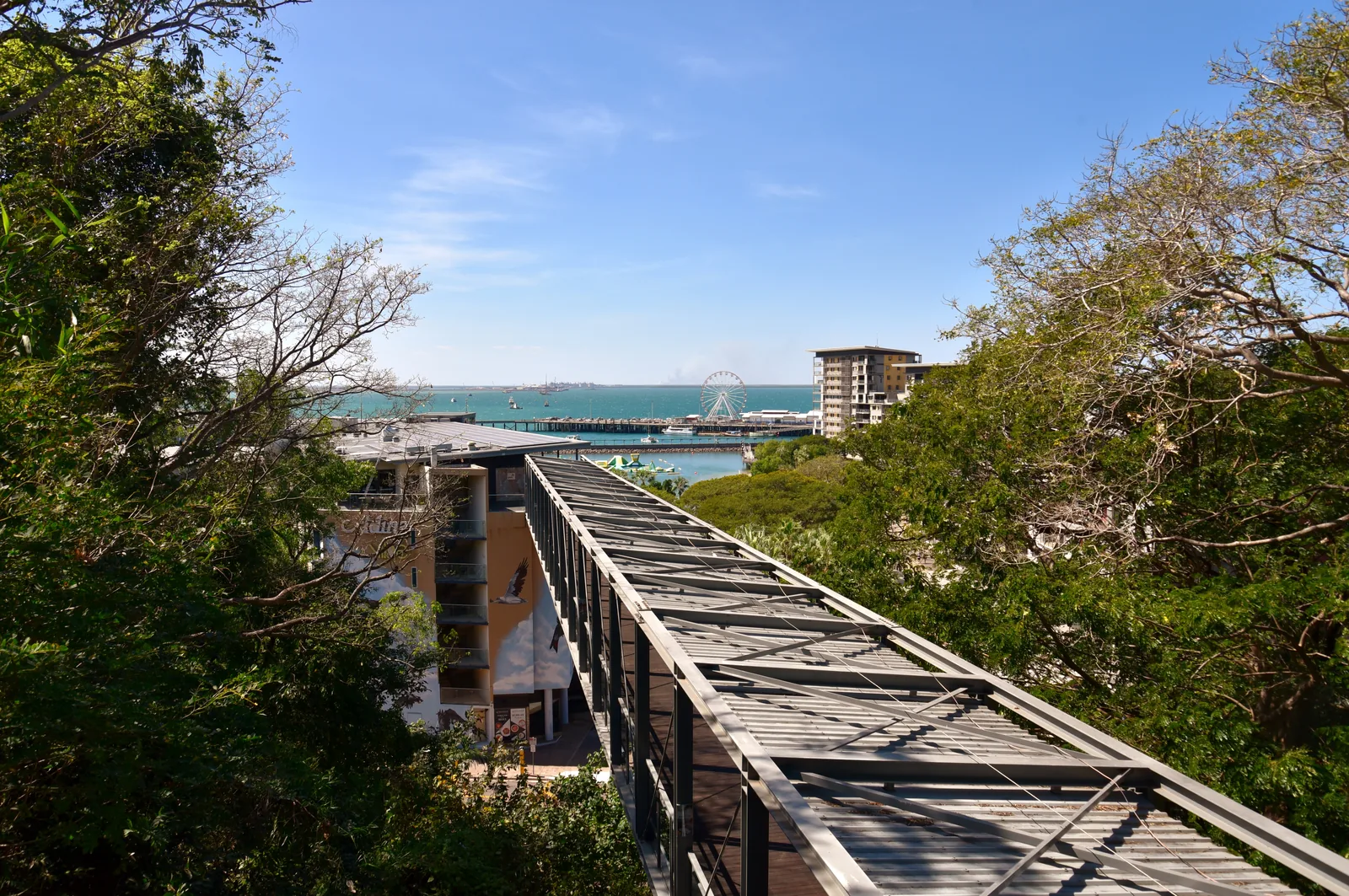
Darwin and Kakadu: northern travel depends on access
Darwin and Kakadu belong to the tropical north, where a wet-and-dry seasonal framework shapes more than the weather forecast. Heavy rainfall and flooding can affect roads, walking areas and visitor sites. A beautiful waterfall photograph does not establish that the route to it is open or that an independent drive is advisable. Parks Australia provides current information for Kakadu National Park; visitors should check the relevant access report, any permit or guided-visit requirements and the advice of responsible local authorities before departing.
A thoughtful Top End itinerary gives a place time rather than using Darwin as a label on the way to somewhere else. Decide whether your interests are in natural landscapes, cultural interpretation or a specific guided experience. Calculate driving time on the actual route, not simply a straight line between two names. Build alternatives for conditions that change. If an access restriction makes your preferred visit impossible, choose a different authorised experience rather than proceeding beyond a closure. The value of the region comes from understanding its environments and people, not from completing every familiar stop at any cost.
Western Australia: distinguish Perth from the far north
Western Australia demonstrates why a national highlights map can be misleading. Perth and its surrounding region can form a sensible city-and-regional holiday. Broome, the Kimberley and other far-northern destinations imply a quite different scale of travel and seasonal planning. Do not assume that the state name makes two attractions accessible from one hotel. Compare a locally focused itinerary with a broader route and calculate the exact distance, travel days, vehicle suitability and availability of services that each would require.
Remote-road planning needs a different mindset from moving between urban neighbourhoods. Ask whether the roads suit your vehicle, whether a rental agreement permits the route, and what conditions could change access. Confirm accommodation and fuel or charging arrangements when services may be sparse. If a guided programme is necessary or better suited to your experience, investigate its scope and rules instead of treating it as a failure of independent travel. A carefully chosen western journey can be exceptional, but it should be sold and planned on its own merits rather than squeezed into the end of an eastern itinerary.
Tasmania: choose a realistic island itinerary
Tasmania merits a separate set of decisions. A visitor interested in Hobart and cultural experiences may build a manageable trip around one base with carefully chosen excursions. Another may want to visit protected landscapes, undertake challenging walks or move between regional stays. The suitability of that wider plan depends on actual roads, available accommodation, daylight and the demands of the selected activities. A weather forecast for Hobart is not sufficient preparation for an exposed walking route elsewhere on the island.
If national parks or longer hikes motivate the journey, check the responsible Tasmanian park authority's current track information and required equipment before choosing the day. Don't describe a remote track as a casual stop because it is popular online. Consider whether guided arrangements or a simpler walk would better suit the group. For road travel, allow time for breaks and views rather than filling the schedule with consecutive long drives. One compelling island journey is better than a superficial Tasmania stop inserted into a hurried east-coast trip.
South Australia, Adelaide and the journeys often overlooked
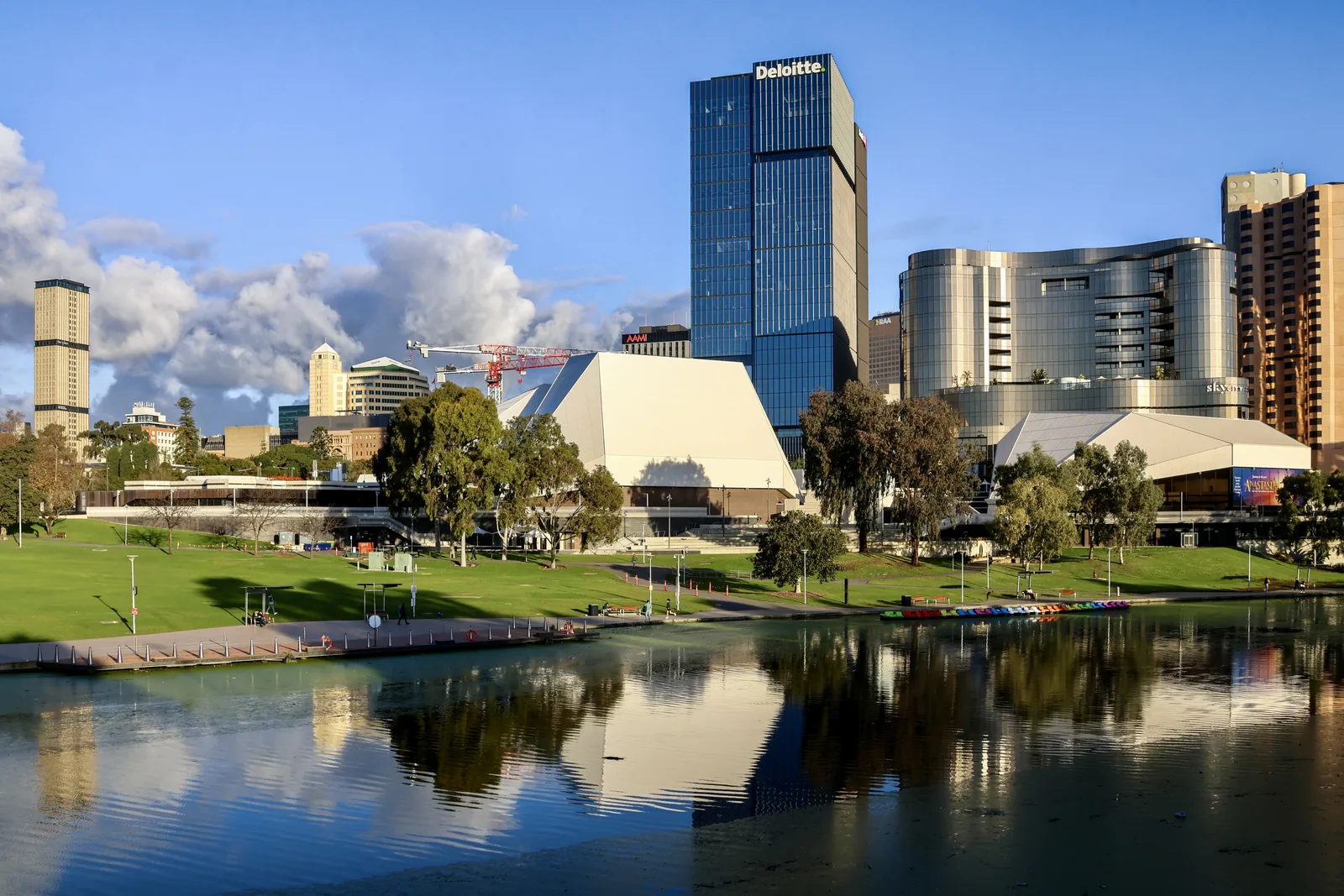
South Australia should not vanish from a visitor's choices simply because national itineraries repeatedly alternate between Sydney, the reef and the Red Centre. Adelaide can form a base for an urban stay and selected regional experiences, including food and landscape interests. A traveller planning that sort of holiday does not necessarily need to combine it with distant Queensland or Western Australia. Consider what the city and its wider region offer for your interests, then decide whether additional travel would add genuine value.
As with other states, the correct planning unit is the specific region rather than the entire outline on a map. If your proposed experience involves a coastal route, a protected natural area or a remote location, check its actual access and requirements. Accommodation and transport should be chosen around the intended activities. For visitors with a fortnight, a combination of Adelaide and another southern city might make more sense than a sequence of disconnected national icons. The best itinerary may be the one that gives a lesser-known destination enough time to become familiar.
Canberra and the question of what deserves a separate stop
Canberra may be relevant to travellers who care about national institutions, museums and the political and cultural story of Australia. It can also appear on a map between other southeastern destinations, making a stop seem effortless. Do not treat the two reasons as interchangeable. If you are interested in its cultural institutions, check current exhibitions and opening arrangements, then allow enough time to benefit from the visit. If the city has no particular place in your travel interests, passing through solely to add another capital may create a less enjoyable route.
Compare the transport into and out of Canberra with the time available on the ground. A day filled by movement and hotel check-in rarely offers an insightful museum visit. Conversely, a properly planned short city stay can add a different perspective to a trip based around Sydney or another southeastern region. This is a useful example of a broader Australian planning principle: a place should have a purpose beyond filling a gap between two pins. Understanding why you are going there is often more important than whether it is famous.
Domestic flights: compare the whole connection
Domestic flying can make a two-region itinerary more feasible, but the journey does not begin at take-off or finish at landing. Include travel to the airport, check-in, baggage and the onward leg to the next accommodation. If a tour starts far from the arrival airport, price that transfer as part of the experience. A route that looks efficient when only flight times are counted may occupy most of a day once the real movement is included. Avoid booking essential non-refundable activities immediately after connections vulnerable to weather or other disruptions.
Before choosing flights, compare a version of the itinerary that does not add the distant destination. The alternative may allow more meaningful nights at the places you already wanted to see. If the extra region is the main reason for the holiday, it can justify the journey; if it contributes one quick photograph, perhaps not. Check airline terms and baggage directly rather than relying on evergreen statements about service frequency. Where several domestic legs are unavoidable, keep booking references and a contingency plan accessible to the group.
Self-driving: match the vehicle and driver to the route
A car is valuable for some regional Australian journeys but unnecessary for every day of a city stay. Identify which experiences genuinely require independent road transport before committing to a rental. Include fuel, charging where relevant, parking, insurance conditions, permitted drivers and any one-way charges in the comparison. Urban accommodation might be cheaper until parking and daily car use are added. A separate short rental could be more sensible than keeping the vehicle through a long city visit, depending on the route.
For remote destinations, do not assume that every rental vehicle is suitable for unsealed roads or that the contract allows them. Check road conditions and any specific vehicle requirements with the responsible authorities and provider. Long distances, heat, fatigue and limited services require realistic breaks and preparations. The driver should never be pressured to complete a plan that has become unsuitable. Plan the number of meaningful stops you can enjoy safely instead of treating maximum driving range as an achievement. The official Australian travel information offers a starting point for transport options, but local operating rules must be checked for each journey.
Train, coach, ferry and organised excursions
Travellers without a car can still plan compelling journeys, but the destination list needs to reflect workable connections. Some city experiences are well supported by local transport, while particular regional or remote attractions may require a longer coach journey, a ferry or an organised excursion. A map's proximity does not guarantee that a useful service runs on your chosen day. Research the departure point, luggage rules, time required and the final movement to your accommodation. Avoid committing to a distant stay based on an assumption that the last connection will exist.
An organised excursion is not automatically worse than an independent trip. It may reduce logistical demands when a particular site requires local expertise or where the visitor wants to focus on interpretation instead of driving. Investigate the provider, permissions, sustainability approach and suitability for the group. The important comparison is between complete experiences, not between a single ticket price and a rental-car rate. Keep optional experiences separate from major fixed connections, and build an alternative for the day if marine or other weather-dependent services cannot operate.
How long to spend: seven days without a national marathon
For seven days in Australia, consider a route with one main region and a limited number of bases. A city-and-surroundings holiday might give Sydney or Melbourne time to reveal more than its most familiar landmarks. A Queensland holiday could concentrate on one reef gateway and the coastal activities that suit the group. Another visitor might prioritise the Red Centre and build the week around that purpose. These are alternatives, not instructions to combine all three. Arrival, departure and transfers occupy real time that cannot also be spent exploring.
Decide which activity anchors the trip and give it enough space to withstand an ordinary change of plan. If the essential experience is weather-dependent, check the provider's operating conditions and consider flexibility. Avoid the common mistake of booking an ambitious remote leg immediately before an international departure. A week should leave room for food, rest and discovery rather than an endless succession of alarms. When the plan looks sparse on paper, imagine the full real-world day and ask whether it will feel richer as a result.
Ten days: a first region plus one justified extension
Ten days may create space for an extension, but only if it is connected to your original priorities. A southeast-focused traveller might spend time in Sydney and Melbourne if the intercity movement is properly planned. Someone focused on Queensland may prefer a longer stay around two sensibly connected coastal bases. A traveller who has chosen Uluṟu as the centre of the holiday may decide not to add another distant region at all. The extra days should improve the experience, not merely increase the number of destinations.
Build two itinerary versions. The first spends most of the time within one region. The second adds one significant transfer. Count accommodation changes, the whole door-to-door transport journey, paid bookings and the number of afternoons actually available for exploration. If the additional destination contributes only a rushed half-day, simplify. Different groups will value pace differently: families, photographers, hikers and museum lovers need different amounts of unstructured time. The best ten-day route is the one that respects those priorities and leaves room to change course.
Fourteen days: two geographical chapters with a clear purpose
Two weeks can support a more varied experience, although Australia's scale still argues against trying to cover the whole country. Choose two complementary chapters only when you can give each enough time. A journey might focus on the southeast and an additional Queensland region, or it might use a long stay for a single richer Western Australia or Tasmania itinerary. A Red Centre visit deserves its own appropriate cultural and practical planning. These are examples of different approaches, not guarantees that every pairing will be sensible in the same season.
Put all the transfer days into the itinerary first, then consider how the remaining time can be used. If you cross climate zones, plan suitable clothing and activities for each rather than copying one weather recommendation across the journey. Check current transport and protected-area access where relevant. Protect time for unplanned discoveries and ordinary delays. A successful fourteen-day trip is not the one that touched the most airports. It is one in which each destination received enough attention to be understood as a place rather than used as an item on a list.
Seasonal choices: do not mistake summer for one countrywide answer
The familiar Australian seasons describe much of the south, while parts of the tropical north have wet-and-dry patterns that change the practical experience of travel. Summer city trips, winter alpine holidays, northern dry-season journeys and reef-focused vacations are not interchangeable. Use the Tourism Australia seasonal guide for broad context, then check the exact region and activity. A time of year that supports walking in Tasmania may be a poor fit for a different outdoor undertaking in the far north or interior.
Weather and access have to be separated. A forecast for a city does not tell you that a park track, distant road or marine excursion will be suitable. For weather warnings consult the Bureau of Meteorology; for park restrictions seek the managing authority and for transport the responsible operator. Bushfire, cyclone, flooding or other alerts should be treated as live instructions when they matter, never as timeless facts in an article. Choose dates aligned with your priorities but keep the plan adaptable.
Budgeting the entire journey, not an imaginary average day
Australia does not have one meaningful daily travel cost for every route. A visitor staying mainly in a city, a group hiring a campervan, a family visiting the reef and a traveller taking several domestic flights have different cost structures. Build a budget by category: long-distance arrivals, domestic or regional transfers, accommodation, food, attractions and a sensible contingency. Then compare two complete itinerary versions rather than using a single national average that ignores which destinations you actually intend to visit.
Read the terms behind a price. A tour may include transport, equipment and a guide, or those may cost extra. A rental vehicle may involve parking, fuel, insurance, restrictions on certain roads and additional fees. An apparently cheap hotel can be expensive once daily transfers are counted. A flexible booking might protect more value when a weather-dependent excursion is central. Check actual prices with providers for your dates, including currency and cancellation terms. The purpose of a budget is to protect time and experiences you care about, not simply to reduce the headline number.
Where to stay: fewer bases often create a richer holiday
Accommodation is one of the most powerful tools for making an itinerary efficient. If you plan to explore one city's neighbourhoods, choose a base that makes ordinary daily movement convenient. If a regional excursion is the centrepiece, look at where it departs and how early you must travel to reach it. A beautiful property far from the experiences you want may produce an expensive sequence of taxis or car journeys. Conversely, a simple well-positioned stay can make even a short holiday feel more relaxed.
When the itinerary crosses into remote or specialist experiences, ask about the actual facilities, access, meals and emergency communication arrangements. Do not assume that every Australian nature stay offers the same services as a city hotel. For families and visitors with mobility or health requirements, verify the precise room and transport details, including whether an accessible route genuinely exists from accommodation to the planned activity. Avoid changes of hotel that add no real value. Every new base should earn its place by creating meaningful time somewhere else.
Aboriginal and Torres Strait Islander cultures: travel respectfully
The cultural story of Australia is not contained in one national slogan. Aboriginal and Torres Strait Islander peoples represent diverse communities, histories, traditions and relationships with Country. The appropriate way to visit a place may depend on the Traditional Owners and the site's specific guidance. Seek credible interpretation and community-controlled experiences where available, and follow requests about access, photography and behaviour. Do not treat a sacred landscape or cultural event as an open-access photograph merely because it appears in promotional material.
If a guided cultural experience is important to you, examine who is presenting it and whether the programme is organised with appropriate authority and respect. Avoid fictional anecdotes, generic claims that one tradition speaks for every community, or the promise of knowledge that a visitor would have no right to receive. A thoughtful visit may involve listening carefully, attending public interpretation and understanding why some places have restrictions. These boundaries enrich travel by giving cultural contexts their proper significance. They are part of planning, not a final disclaimer after the route is already booked.
Wildlife and protected landscapes without spectacle
Australia's wildlife is one of its major attractions, but seeing animals in a responsible way does not mean demanding close contact or guaranteed sightings. Respect park guidance and keep appropriate distances. Do not feed wild animals, intrude into habitat or assume that an apparently quiet animal can safely be approached for a photograph. Different parks have different rules, and visitors should learn the relevant ones from the managing authority rather than copying behaviour seen in an online clip.
Choose operators who can explain conservation obligations and how they avoid disturbing the environment. In reef areas, the marine park's rules matter; in terrestrial parks, track conditions and ranger directions matter. When a species is particularly important to your hopes for the trip, appreciate that wildlife encounters depend on conditions and cannot be promised by a guide. Treat the place as a living ecosystem worth learning about, not as a backdrop that must deliver a prewritten itinerary. A respectful experience can be rewarding even without the precise animal photograph that inspired the booking.
Entry rules, health and insurance: personal checks are essential
Travel documents and entry arrangements depend on nationality, passport, purpose of visit and current Australian requirements. A visitor with a British passport should use the FCDO entry guidance as one starting point and verify the applicable Australian immigration rules. Travellers on other passports need information appropriate to their own circumstances. Do not rely on a generic article's claim that a particular visa or electronic authorisation is always available; eligibility and conditions can change and are decided by the authorities.
Health preparation should also be specific to the trip. Someone planning exposed Red Centre walks or remote inland driving has different practical concerns from a visitor spending a week in city museums. Consider appropriate medical advice, medication, travel insurance and the risks of specialist pursuits such as diving. Check the policy for activity exclusions and the places you intend to visit. In remote settings, think about access to assistance and how the group would communicate if transport or conditions changed. Good preparation means recognising your actual itinerary, not treating a national travel guide as personalised medical or legal advice.
Responsible use of roads, parks and live warnings
For road journeys, especially beyond built-up areas, use current route information rather than a scenic map alone. Check appropriate vehicle access, possible closures, safe driving conditions and the availability of services. A driving day is not a rest day after a long flight. Schedule breaks and reconsider a route that relies on arriving exhausted at a remote accommodation. Rental terms may restrict certain roads or require particular vehicle capabilities; verify those details before booking. Do not proceed around a road closure simply to keep the itinerary on schedule.
The Bureau of Meteorology, relevant state and territory emergency authorities, Parks Australia and responsible transport providers should be consulted when their current information matters. The FCDO's Australia advice is also a useful live reference for travellers from the UK. An evergreen guide can explain the kinds of problems to plan for, but it cannot responsibly confirm that every road, track, campground or marine departure is safe on the particular day you arrive.
Check the plan against the people actually travelling
An ambitious itinerary should be evaluated from the perspective of everyone in the group, not merely the person who loves planning. A family may prioritise shorter transfers and dependable facilities. An older traveller or someone with mobility requirements may need exact accessibility information and a comfortable daily rhythm. A solo traveller may place greater weight on reliable arrivals and being able to contact providers. A group with different interests may prefer bases where individuals can choose alternative activities instead of being committed to one demanding excursion together.
Give each day a primary function such as arrival, travel, major activity, local exploration or rest. If three consecutive days involve long transport or early starts, consider removing a stop. If a specialist experience is non-negotiable, protect it with sensible booking margins. Distinguish shared priorities from optional extras; nobody needs to enjoy every activity at the same intensity. This exercise can make a holiday both safer and more enjoyable without reducing its sense of discovery. The trip succeeds when the people in it can participate comfortably, not when an itinerary looks impressive as a document.
The final pre-booking review
Before paying for non-refundable arrangements, read your route from the first arrival to the final departure. Check which journeys genuinely connect, which activities are sensitive to season or access, and which bookings would be lost if a transfer changed. Confirm the specific national park and marine rules that apply, and look for the point where a long-distance movement might consume too much of a planned stay. A useful itinerary should explain its own logic: why each base is there, what experience it provides and how much meaningful time you can spend in it.
Next, review the full budget and each traveller's needs. Keep current operator details, important documents and emergency information accessible offline where practical. Save a few appealing alternatives rather than trying to fix every activity in advance. The most useful thing to remember about travelling in Australia is that its regional variety deserves time. Choose the journey you genuinely want, allow the landscape and culture to shape its pace, and resist the assumption that seeing more destinations automatically makes a better holiday.