
Where you stay in Australia determines more than hotel style. A good base reduces transfer friction, gives you useful evenings and makes day trips optional rather than compulsory.

Six bases to compare first
- Sydney CBD or harbour suburbs: Suitable for rail and ferry connections, city walks and a Blue Mountains excursion.
- Melbourne CBD or inner suburbs: Choose for trams, galleries, neighbourhood food and an optional regional Victoria trip.
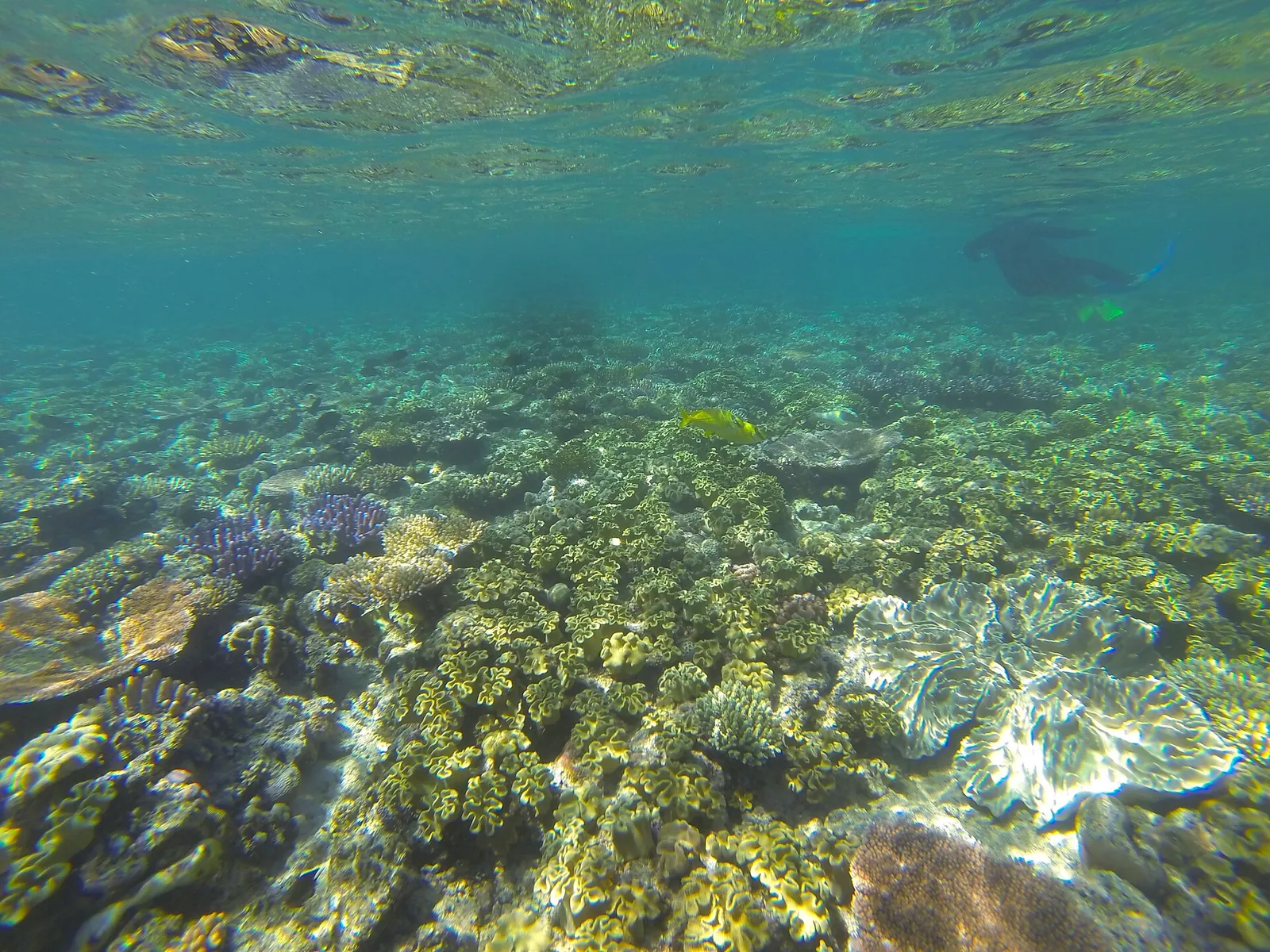
- Cairns or Port Douglas: Compare accommodation against your exact Great Barrier Reef boat departure and rainforest transport.
- Yulara / Uluṟu gateway: Check actual park access, accommodation availability, cultural tour arrangements and airport transfers.
- Hobart or Launceston, Tasmania: Start with your island arrival point and the regional journey you intend to make.
- Perth or a southwest WA town: Decide between an urban holiday and a multi-night regional road trip before selecting the property.
Base logic beats hotel-list logic
A base should shorten the journeys you actually intend to make. In Sydney that may mean a rail and ferry interchange; in Tropical North Queensland it may mean a convenient marina transfer; in Tasmania it could be a regional overnight stop that avoids an exhausting return drive. Confirm the arrival terminal, local travel options, accessibility and parking before comparing room prices.
One base or several?
- 7 days: Stay primarily in one region, such as Sydney OR a Queensland reef gateway, with a second base only where it makes the experience better.
- 10 days: Deepen the first region or add one carefully justified nearby extension.
- 14 days: A second regional chapter may be worthwhile when transport and seasonal plans support it.
When to pay more
Paying more can be rational when it removes a car day, a cross-city transfer or an early-morning repositioning. Paying more for a famous postcode that sends you backwards every day is usually the worse trade.
Who should avoid constant hotel changes?
Families, travellers with substantial luggage and anyone facing long domestic transfers usually gain more from fewer strong bases than from a chain of one-night stays.
Choose your regional base before searching for a hotel
The most important accommodation decision in Australia is not the room category or the star rating. It is whether you have chosen a base that belongs to the trip you are actually taking. Australia spans enormous distances, so a Sydney hotel, a Cairns reef departure base and accommodation for a Red Centre experience serve entirely different purposes. An appealing photograph can obscure the time spent reaching the activity you came to enjoy. Mark the key experiences on a map before opening an accommodation search, then decide which region needs how many nights.
For every stay, write a clear purpose: explore a city, begin a marine excursion, walk in a protected landscape or recover before an international flight. Ask whether changing hotels creates more experience time than it consumes. A slightly more expensive room near a useful transport connection can save substantial effort, while a lavish property in the wrong location may be poor value. The best accommodation itinerary lets the places, not the check-in desk, determine the rhythm of the holiday.
Sydney CBD and the harbour: useful for a city-focused itinerary
Central Sydney can make sense for travellers who want to explore museums, public spaces, harbour attractions and different city neighbourhoods without a rental car. But “central” should be measured against the activities you intend to visit, not merely the city's most photographed landmark. Compare door-to-door movement from the exact accommodation address to three likely destinations. Include the journey back after an evening activity. A panoramic room view may be memorable, but it does not automatically improve everyday transport, accessibility or sleep.
If you arrive after a long flight, choose a property with straightforward arrival instructions and a manageable first day. Ask about luggage storage, late check-in, lift access and the specific room you are reserving. For a short city break, reducing transport decisions may be worth more than extra amenities. If your interests are mainly in one outer neighbourhood, a central hotel may not be the best choice at all. Sydney works well when the location supports your personal version of the city rather than a generic sightseeing circuit.
Beaches, Manly and Bondi: a different Sydney stay
Staying near a Sydney beach can provide a holiday based around early walks, relaxed meals and time by the ocean rather than intensive city sightseeing. It can also make cultural attractions or evening events elsewhere more time-consuming. Choose this style only if the coastal setting will form a meaningful part of most days. When comparing a beach property with a central room, consider the journeys you will actually make rather than a general promise that every Sydney attraction is easy to reach.
Check the particular beach access, transport route and property facilities before booking, especially if young children or travellers with mobility needs are involved. An ocean view cannot establish safe swimming conditions: follow local lifeguard directions and current warning signs. If the purpose of the trip is mainly museums and harbour culture, visit the beach as an excursion instead of making a long return journey each day. A beach base is valuable when it changes the way you want to spend the holiday, not just the background of the accommodation photograph.
Melbourne CBD: keep an urban trip flexible
In Melbourne, central accommodation may suit travellers interested in galleries, restaurants, cultural attractions and neighbourhood exploration. If the plan is mostly urban, think carefully before paying for a rental vehicle for the entire stay. Parking and daily car use may add cost and complexity that could be avoided with appropriate local transport. Choose the actual area based on the activities you have selected and the connections needed to reach them; a postcode alone is not a sufficient measure of convenience.
For several nights, practical facilities such as laundry, suitable bedding, a quiet room or a workspace may make a greater difference than a decorative amenity. Confirm the exact facilities that matter to your group rather than relying on broad labels. If you are planning a separate Victoria road trip, consider whether the car and a regional overnight stay can begin after your urban visit. The right Melbourne base should create more time for the city instead of making every day start with a logistical problem.
Inner Melbourne neighbourhoods: character versus convenience
A visitor drawn to the atmosphere of a particular Melbourne neighbourhood may prefer accommodation away from the busiest central blocks. This can be rewarding when food, everyday street life and local exploration are part of the experience. But it is less successful if you spend every day crossing the city to reach attractions elsewhere. Compare the total time required for your planned activities. A room that costs less per night may offer little saving if it involves frequent lengthy journeys.
For an evening-focused trip, examine how you would return to the property and whether the route is comfortable for everyone travelling. A group may value a quieter location while another prefers to be within easy reach of cultural institutions. Neither is universally right. Make the neighbourhood a deliberate choice instead of a vague compromise. If your interests are spread widely across the city, an accommodation location with stronger transport links can sometimes give greater flexibility than the most fashionable district.
The Great Ocean Road: place overnight stops along the actual route
A Victorian coastal journey calls for an accommodation plan designed around the driving itself. Places such as Apollo Bay or Port Campbell may suit different sections of an itinerary, but no town is the correct answer for every traveller. Decide which landscapes, walks and viewpoints matter most, then choose an overnight location that allows time to enjoy them without exhausting driving. A road trip squeezed into a single long day may leave very little opportunity for the experiences that make the coast special.
Look at current road conditions, realistic travel times, the accessibility of the accommodation and whether meals or other facilities are practical for your arrival. Smaller destinations may not operate like a major city, particularly for late arrivals. If your group would prefer not to drive, investigate a suitable guided option rather than booking a vehicle out of habit. A coastal overnight stay is worth adding when it produces a calmer, more meaningful experience instead of merely moving the luggage farther along a route.
Brisbane: a Queensland city stay is not a reef gateway

Brisbane may be a sensible base for an urban holiday and selected experiences in southeastern Queensland, but it cannot stand in for every destination in the state's far north. Before booking, decide whether you are mainly visiting Brisbane, pursuing a specific coast-based programme or travelling to a reef departure elsewhere. Some journeys require a distinct regional base and significant transport. The cost of accommodation must be evaluated in the context of that journey, not as a national bargain.
A Brisbane hotel may be chosen for cultural activities, local transport or practical arrival and departure arrangements. Verify the actual transport to places you intend to visit. If the majority of your activities are in another part of Queensland, a separate stay there may be more efficient than repeatedly returning to the city. Check property cancellation conditions and the cost of any rental vehicle or transfers before final payment. Choosing the correct Queensland region is the first step towards choosing the correct room.
Cairns: put the marine departure point into your accommodation search
Cairns can work as a base for visitors interested in reef and tropical-north experiences, but the exact excursion should come first. Find out where the boat departs, what time participants must arrive and whether the accommodation makes that journey manageable. A pleasant but inconveniently located room can complicate a day that depends on an early marine departure. If your plan combines several different activities, compare how well one base serves each and whether a temporary move would genuinely save significant transport time.
Marine activities are subject to conditions, so check the operator's rules and consider a useful alternative for a cancelled excursion. Families and first-time snorkellers should ask about suitability, equipment and safety rather than relying on promotional descriptions. Confirm the last day's journey to the airport, especially if a transfer depends on an activity ending on time. Accommodation should make the holiday resilient enough to enjoy the tropical region even if one outdoor plan changes.
Port Douglas: a relaxed coastal base with its own trade-offs
Port Douglas may suit travellers looking for a slower coastal stay, but it should be compared with Cairns in relation to the experiences and operators you plan to use. A location attractive for several relaxed days may add a lengthy journey to a tour departing from another place. Examine what you would actually do each day and whether the chosen property provides easy access to those activities. A resort-style stay and a busy excursion-based itinerary have different ideal locations and facility requirements.
Ask how to reach the property from your actual arrival point, and how you will leave on the final day. If mobility needs or young children are relevant, verify the transport as well as the room. Check where meals and services are available rather than assuming everything is included in the advertised accommodation package. A good coastal base provides the pace you want without hiding daily movements that consume the time you expected to spend enjoying the location.
Airlie Beach and Whitsundays accommodation: mainland or island?
The mainland-versus-island decision can transform a Whitsundays itinerary. A mainland base may offer flexibility for different excursions and everyday facilities, while an island stay can make the immediate setting central to the holiday. Neither is inherently better value. Compare the cost and time of transfers, the meals included, luggage restrictions and the availability of activities you will actually take part in. A beautiful island accommodation photo may conceal substantial additional transport or the need for advance reservations.
Check the complete transfer from arrival point to accommodation and back, particularly when it involves a boat. Weather can affect marine operations and tight links to flights can make a short itinerary fragile. Ask providers what happens when an arrival is delayed or an excursion cannot run. For families, confirm room configuration, child policies and ease of movement at the property. Choose the stay that gives you meaningful time in the environment rather than one that spends most of the holiday negotiating transfers.
Yulara and Uluṟu: book around the park experience
A visit to Uluṟu-Kata Tjuṯa National Park needs accommodation that supports the chosen activities and a respectful pace. Yulara may be relevant as a base, but a listing's general proximity to Uluṟu does not prove that every walk, cultural experience or departure is convenient. Confirm transport, park access, the actual meeting point and the conditions relevant to your dates. If you are planning outdoor activities, official park advice about heat and access matters more than the scenic room photograph.
Respect the cultural rules and directions of Aṉangu Traditional Owners and park staff. Permission to visit does not imply unrestricted photography; commercial imagery can require separate authorisation. An overnight arrangement should leave time for cultural interpretation and suitable rest rather than forcing visitors into an exhausting sequence of sunrise and sunset transfers. Read the programme and cancellation conditions together with accommodation before paying. The value of staying near the park comes from experiencing it thoughtfully, not merely displaying a famous landmark from a hotel window.
Alice Springs: a different Red Centre base
Alice Springs can be an appropriate base for a visit focused on the town and selected surrounding experiences, but it should not be treated as interchangeable with accommodation chosen for Uluṟu. Central Australia has significant distances, and two places in the same broad region are not necessarily an easy short drive apart. If the national park is your essential destination, calculate the entire journey from the proposed room before selecting a base. If Alice Springs itself is a priority, allow time for that purpose instead.
For a wider trip, determine whether an organised route or self-drive plan suits your experience, vehicle and seasonal conditions. Read rental restrictions, road advice and provider details closely. An apparently cheap room can prove poor value if it adds major daily travel or turns a meaningful cultural visit into a rushed excursion. Two separate bases may be justified for a longer trip, but they should be chosen because each allows you to spend real time in a place rather than merely cross the landscape.
Darwin: a gateway night is not a Kakadu stay
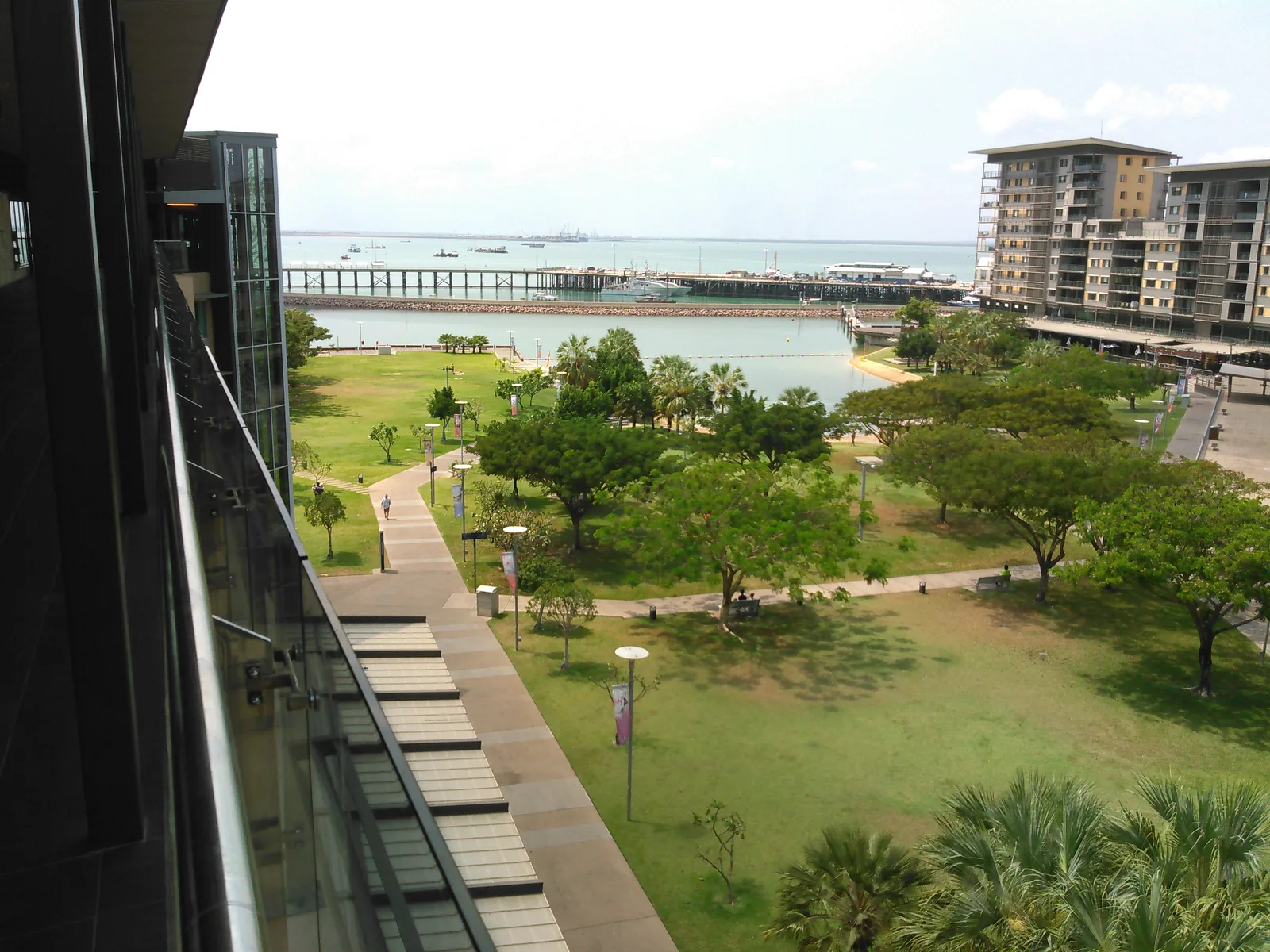
Darwin offers a different accommodation proposition from lodging nearer a particular Top End nature experience. It can be a practical urban base or a comfortable first or final night around a guided programme. But it should not be treated as a hotel district next to every destination in Kakadu. Check the specific access route, the time needed for an excursion and whether a separate overnight stay near the chosen activity would make the trip more manageable. Seasonal weather and park conditions can change plans.
If an early start is involved, ask about pickup and whether the operator arranges accommodation or expects guests to reach a meeting point independently. A city base can offer useful alternatives when weather changes, while a remote stay may provide more time in the intended environment. Check current warnings and park-access notices with the responsible authorities rather than assuming a tour package guarantees that every advertised stop will be available. A good gateway room reduces uncertainty instead of adding to it.
Kakadu: confirm authorised access before selecting a remote lodge
Accommodation for a Kakadu-oriented trip should be chosen around the particular part of the park and the visitor experiences that are actually accessible. The park covers a broad area and wet-season conditions can affect roads and sites. Check Parks Australia for current visitor and cultural guidance before booking an overnight location solely from a promotional map. A remote property that works for one planned activity may leave another far away or dependent on a specific provider.
Ask about room facilities, meals, communications, emergency arrangements and mobility access. A guided programme may bundle transport and overnight stays, so confirm exactly what you are purchasing. Respect the park's cultural restrictions and do not assume photography rights are unlimited. Travellers planning paid photography or commercial filming at Kakadu should also check current Parks Australia permits; ordinary visitor access is not the same as commercial image-use authorisation.
Perth: a western city base, not a shortcut across the state
Perth can be a useful place to stay for visitors interested in the city and selected nearby Western Australian destinations. Choose a location based on daily transport, neighbourhood interests and whether you plan to rent a vehicle. If most of the visit is urban, parking and car-hire costs may outweigh convenience. If you intend a regional road journey, consider a separate overnight base where it actually provides more time exploring. Accommodation decisions should follow the geography of the desired experience.
Western Australia is enormous, so a Perth room does not make Broome or the Kimberley an easy extension. Before adding northern or inland destinations, investigate their proper gateways and the season that suits the journey. Compare two itineraries: one with a meaningful stay in the southwest and one that adds the long-distance travel. The second should only be chosen when that extra region is important enough to justify the time and expense. A relaxed Perth trip need not imitate a national highlights tour.
Broome and the Kimberley: plan accommodation around the route
In northern Western Australia, accommodation can be closely tied to transport access, road conditions and the chosen programme. A town base, a guided remote overnight stay and a self-drive route require different preparations. Check the precise property address and road suitability rather than assuming all accommodation marketed for the same region is accessible by ordinary rental car. Some routes may have seasonal restrictions or require specialist arrangements. A remote journey is not the place to discover that an accommodation listing omitted a substantial transfer.
Ask providers what facilities are available, how delays are handled, and whether meals or emergency contact arrangements are included. Confirm the suitability of the programme for the abilities of everyone travelling. Follow community and Traditional Owner guidance for the relevant destinations. A shorter, well-supported northern itinerary may offer more experience than trying to connect distant stays whose access has not been properly checked. The practical quality of a remote trip is determined as much by transport and safety arrangements as by the accommodation itself.
Hobart: a considered first base for Tasmania
Hobart can anchor a Tasmania visit when cultural activities, food and a selection of manageable regional excursions are important. Choose accommodation near the places you genuinely intend to visit, rather than treating the city as simply the first night of a frantic island road trip. If you plan to spend several nights exploring urban attractions, assess whether a rental vehicle is needed for all of them. A well-placed room and thoughtful daily schedule may reduce parking and transport costs.
A wider Tasmania itinerary should account for travel to different regions, current weather and park access. Some travellers will gain more from remaining in Hobart and choosing a small number of excursions; others will justify moving to a separate nature base. A change of hotel is worthwhile when it produces meaningful time at the new destination. It is not worthwhile when it only makes a map look more comprehensive. A few calm nights often provide a better sense of Tasmania than constant accommodation changes.
Launceston and Cradle Mountain: match the base to the walk
Launceston and Cradle Mountain can be part of different Tasmanian journeys, but an accommodation listing in one area does not guarantee practical access to a particular trail in another. If walking is central to the trip, identify the intended park experience and ask where it begins. Check transport, the physical demands of the selected route and current track conditions. Tasmania Parks and Wildlife Service provides relevant park guidance; a hotel description cannot establish that a difficult walk is safe or open on your chosen date.
A visitor wanting a gentle nature experience may be happier with shorter permitted activities and a comfortable longer stay than with a demanding multi-day route. If you intend to hike, accommodation should support rest, equipment needs and flexibility when the weather changes. Assess meals, accessibility and travel between the room and the park. The best base is not always the nearest in straight-line distance; it is the one that makes the complete plan suitable for the people taking part.
Adelaide: separate a city stay from a regional road trip
Adelaide may suit travellers interested in city culture, food and selected South Australian experiences, but the accommodation decision depends on which part of that trip is most important. An urban base can work well for museums and everyday city life. A different regional overnight location may be more sensible when the main purpose of the journey is outside the city. Compare the actual road and transport requirements instead of describing every attractive South Australian place as an easy day trip.
Before choosing accommodation, identify what you want to do on the following morning. If it involves a long regional drive, consider whether staying nearer the experience would allow a calmer day. If it is mainly a city activity, do not move hotels merely because a coastal room has appealing marketing. Check meal availability, parking and transport from the chosen property. A good South Australian itinerary can be substantial without adding faraway states simply to meet a national checklist.
Kangaroo Island: make the crossing part of the booking
A stay on Kangaroo Island should be planned with the actual journey to and from the island. A ferry or other transfer may affect when you can arrive, how much luggage you can bring and how you will reach accommodation from the arrival point. Do not assume the island is an effortless one-day addition to Adelaide. If wildlife and nature experiences are central, allow enough time that the crossing does not consume most of the visit. A longer stay may be more enjoyable than a rushed appearance at one viewpoint.
Check the operator's timetable and conditions, the property's arrival arrangements and what happens if weather changes your transport. Follow wildlife rules and never assume particular animals will appear for photographs. For a family or traveller with mobility needs, confirm both the room and the transfer. A mainland-focused South Australia itinerary can be a better choice if time is short, but a well-planned island stay can be a strong destination in its own right.
Families and groups: choose space and fewer transfers
Accommodation for a family or group needs to support the people travelling, not just the number of beds shown in the booking search. Confirm the actual room configuration, bathrooms, meal arrangements, parking if needed and how easily everyone can return from activities. A multi-night base often allows more flexibility than several one-night stays that require constant packing. This can matter especially when travelling with children, substantial luggage or people who find long transfers tiring.
Discuss what each person wants from the trip. Some may prioritise a quiet room while others want access to restaurants or independent activities. A more spacious property can be useful during longer stays, but it offers little advantage when the entire group spends much of each day far away. If an activity involves a boat, protected area or demanding walk, verify the suitability of that individual programme rather than accepting a generic “family-friendly” description. Strong accommodation choices reduce friction and make the itinerary more inclusive.
Accessibility: check the room and every connection
Accessibility should be assessed as a complete chain from arrival to accommodation to the intended activity. Ask about the exact assigned room, bathroom, entrance, lift arrangements and any necessary equipment. Then verify the transport required to reach it. A step-free room may still be impractical if the transfer vehicle, ferry or path to a major attraction does not meet the traveller's needs. This can be especially important on remote, coastal and island journeys where access arrangements differ markedly from those in cities.
Providers should be able to explain the specific facilities and any limitations rather than relying on broad labels. If a specialist activity needs adapted equipment or guiding, confirm arrangements before buying non-refundable flights and rooms. A trip with fewer sites but genuinely suitable accommodation and transport may offer far more independence and enjoyment than an ambitious route with inaccessible connections. The correct choice is defined by the needs of the actual person travelling, not a theoretical average visitor.
Seven days: choose one strong regional base
For a week, one well-chosen base and perhaps one justified overnight move can be more rewarding than a chain of famous destinations. A Sydney or Melbourne visit may combine the city with nearby experiences. A Cairns-based trip could concentrate on selected marine and tropical activities. Tasmania may deserve its own focused week. These examples are alternatives, not a single route to complete. Arrival, departure and domestic transfers consume real time that could otherwise be spent exploring.
For every proposed hotel change, ask what you gain. Does it create a full day near an important landscape? Does it avoid a very long return drive? Does it provide the right base for a specialist tour? If not, consider staying longer where you already are. Avoid booking a weather-sensitive excursion immediately before an irreplaceable flight. A compact itinerary can accommodate ordinary changes and give you evenings worth enjoying instead of spending every night preparing for the next check-out.
Ten days and two weeks: only add regions with a purpose
A longer holiday can justify two regional chapters, but the extra days do not remove Australia's great distances. A Melbourne and Victorian coast journey can develop naturally; so can a longer Queensland trip with one or more appropriate bases. A Red Centre or Top End journey may merit separate flights and accommodation when those destinations are central to the trip. Do not add a distant city simply because fourteen days appear to offer enough time. Count the whole door-to-door transfer before deciding.
Draft two versions of the itinerary: one that goes deeper in the original region and one that includes an additional region. Compare how many full days remain after hotel changes, airport journeys and driving. Consider the group's stamina, the season and which reservations must be fixed. Sometimes the longer single-region trip is substantially richer. The right number of hotels is the number that supports meaningful experiences, not a target to maximise before returning home.
Price the complete stay rather than the advertised nightly rate
A hotel's nightly rate is only one part of the cost. A central city property may save transport or parking expenses, while a remote property may require an additional transfer or vehicle. On an island, the ferry, luggage and meals can change the full comparison. For a guided nature programme, check which meals, equipment, transport and overnight stays are bundled. Without these details, two rates that appear comparable may represent very different overall expenses.
Paying more can make sense when it removes a substantial journey or adds flexibility that you will genuinely use. But a famous address or expensive decor does not automatically create that value. Check the booking terms, including refunds and late-arrival arrangements, because several connected reservations can be expensive to change. Compare complete itineraries for the same dates and activities rather than shopping only for the cheapest bed. Better accommodation decisions protect your time as much as your money.
Booking flexibility matters when the route is weather-sensitive
Accommodation connected to a marine excursion, domestic flight or remote drive may need more flexible conditions than a straightforward city stay. Ask what happens when the preceding service is delayed and whether your arrival can be changed. If the property is part of a guided package, read its terms together with the activity booking. A non-refundable rate may save money in stable circumstances, but can create disproportionate risk where several bookings depend on one fragile connection.
Keep essential contact details and reservation terms accessible offline. Before an international departure, avoid relying on a tight connection from a remote or weather-dependent destination. Follow current park, road and marine guidance when conditions change; a paid booking is not proof that a route remains safe or available. A good accommodation plan contains enough flexibility to absorb an ordinary delay without losing the experiences that matter most.
Final check before paying for the accommodation
For every room, confirm the exact address, how you will arrive, the transport needed for the next day's activity and the facilities relevant to your party. Verify the specific bedding and accessibility arrangements rather than assuming the category name tells you everything. If a ferry or specialist excursion is involved, check the departure location and requirements. Look at the whole journey from arrival to departure and identify where a hotel change may add unnecessary effort.
Ask what would happen if one outdoor activity or transport leg changed. Would the chosen base still be somewhere you want to spend a day? Can the reservation be modified reasonably? Have you allowed time to enjoy the region rather than just sleep in it? Use official destination and transport information as a starting point, and verify live park, operator and accommodation details near departure. A good stay is one that belongs in the journey you actually want, not merely the most impressive property on a search page.