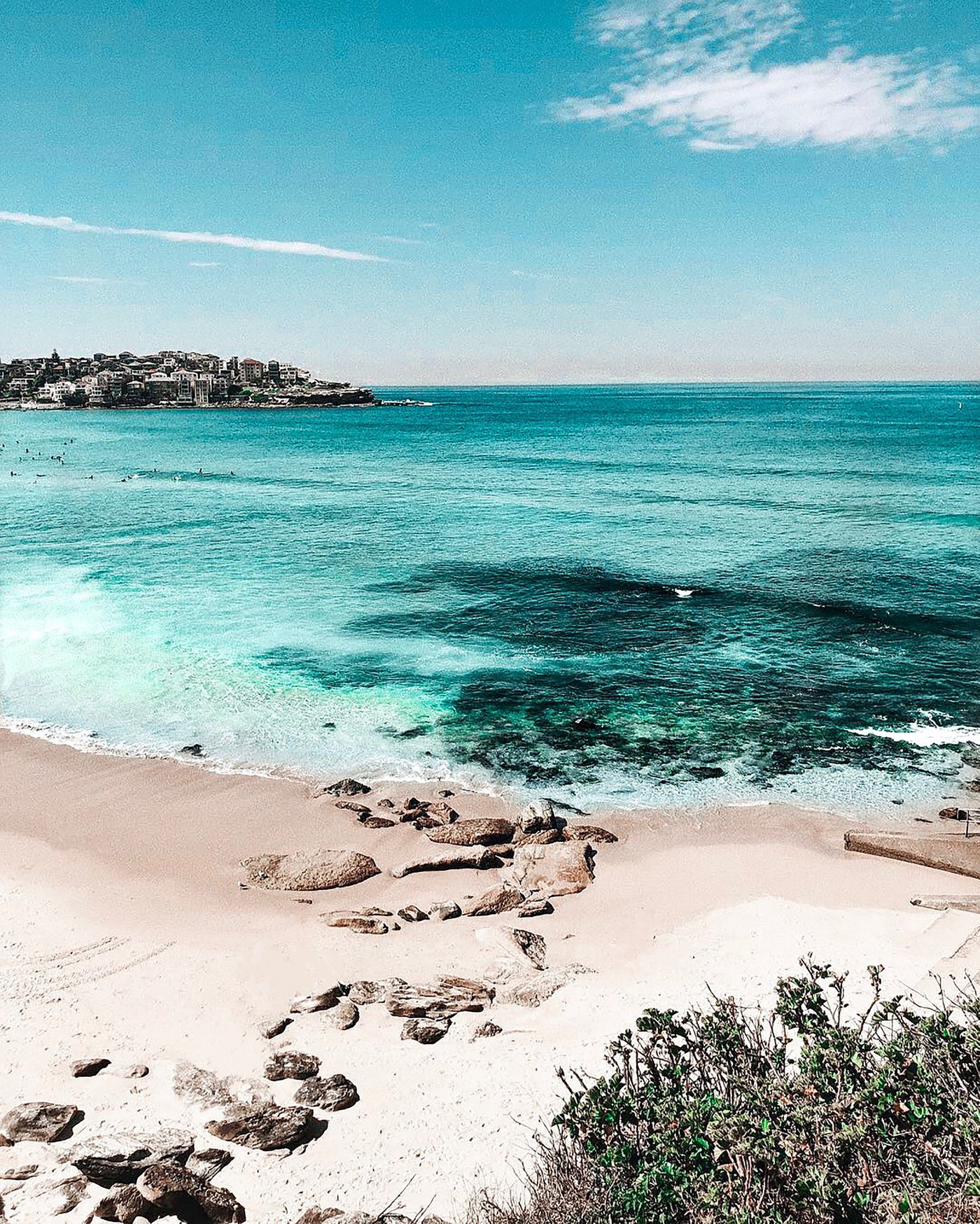
Byron Bay occupies a strange position in Australian travel culture. It's the easternmost point of the Australian mainland — the first place the country sees sunrise — and has been a magnet for seekers, surfers, and the alternatively inclined since the 1970s. In 2026, that original identity has been largely replaced by something more complex: an expensive, increasingly polished wellness-and-surf destination that can feel genuinely magical in its quieter moments and overwhelming during the January school holiday crush, when AUD 300/night hotel rooms go for AUD 900 and every beachfront cafe has a 90-minute wait.
The honest truth about Byron is that its reputation is mostly deserved — the lighthouse walk, the surf, the sunrises, the food, the yoga, the dolphins from the headland — but the experience is heavily dependent on timing. January Byron Bay is a different destination to May Byron Bay. The former is crowded, expensive, and straining under its own popularity. The latter is warm, quieter, genuinely charming, and priced about 30% lower across the board.
This guide covers what's actually worth your time, what's overhyped, and how to extract the best version of Byron regardless of when you arrive.
Getting There
From Gold Coast (Coolangatta): 1 hour by car or Greyhound bus. Gold Coast Airport (OOL) is the closest major airport. Most visitors flying from Sydney or Melbourne fly to Gold Coast and drive or bus the final hour. Byron also has its own Ballina Byron Gateway Airport (BNK), 30 minutes south — Rex Airlines and Qantas Link connect from Sydney (1.5 hours, AUD 150–250).
From Brisbane: 2.5 hours by car or 3 hours by bus. The Byron Bay Bluebus (the local hero shuttle) runs from Brisbane Airport to Byron Bay multiple times daily for AUD 35–45pp — the most convenient public option for airport arrivals without a hire car.
Train: The Murwillumbah train from Sydney (via the Coast Pacific) stops at Mullumbimby (30 minutes from Byron), not Byron itself. Useful for those who want a scenic slow-travel journey, but requires a connecting taxi or bus at Mullumbimby (AUD 30).
Hire car: Strongly recommended for exploring the Byron hinterland (Nimbin, Bangalow, Mount Warning). Byron's beaches are walkable from town, but the hinterland villages — genuinely the most interesting aspect of the Northern Rivers region — require a car.
Cape Byron Lighthouse & Coastal Walk
The Cape Byron Lighthouse is the most visited attraction in Byron Bay, and it earns the designation. The 3.6km circuit walk from Main Beach car park to the lighthouse headland and back is one of Australia's finest short coastal walks: clifftop path, endemic wildflowers, surfers below, the lighthouse itself (operating since 1901, white and dramatic), and the easternmost point of mainland Australia marked with a plaque.
From the headland, dolphins are spotted year-round in the channel below the cliffs — look down, not just out. Humpback whales migrate north past the headland June to October (northward journey), and south again August to November. Seeing whales breach from the lighthouse headland with a clear ocean horizon is one of those genuinely memorable Australian experiences.
The car park (Cape Byron Headland Reserve) costs AUD 8/2 hours. Start early (6am–7am) for sunrise on the headland — Byron calls itself the place where Australia sees its first sunrise, which is accurate and extraordinary on a clear morning. By 9am the path is busy. By midday in peak season it's crowded. The walk is free.
Surf Breaks — Which Beach for Your Level
Main Beach (The Pass end, beginners): The long white arc of Byron's main beach, patrolled by lifeguards, with consistent small waves suitable for beginner lessons. Every surf school in Byron (Style Surf School, Lets Go Surfing, Soul Surf School — all around AUD 70–90 for a 2-hour lesson) operates on Main Beach. The southern end near the car park is calmer and best for first-timers.
The Pass (intermediates, longboards): The most iconic Byron break, immediately south of the Cape Byron headland. A right-hand point break over sand — one of the longest right-handers in New South Wales on a good day. Intermediate skill required. Populated by longboarders and experienced surfers who are territorial about the peak. Don't drop in; don't snake. The Pass is beautiful to watch even if you don't surf.
Wategos Beach: A small, protected crescent immediately east of The Pass, facing northeast. Calmer than Main Beach, with a beach club (Little Beach Café and Rae's on Wategos Beach Club). Popular with the luxury-lifestyle crowd. Swimming is generally calmer here due to the headland protection. Brings a more upscale beach atmosphere than the main tourist strip.
Belongil Beach: North of Main Beach, a wilder, longer stretch. Clothing-optional section about 1.5km north (informal). Fewer facilities, fewer tourists, more locals. Good for walking and quiet beach time. Not always patrolled — check flags before swimming.
Yoga, Wellness & Retreats
Byron Bay is serious about wellness, and the quality is generally high. Byron Yoga Centre (established 1988, multiple Iyengar and Ashtanga teachers, drop-in AUD 22, week pass AUD 120) is the original and most respected yoga school in the Northern Rivers. Gaia Retreat & Spa (Brooklet, 15 minutes from Byron) — the retreat co-founded by Olivia Newton-John, offers day spa access (AUD 50 entry) and residential retreat packages (3 nights from AUD 900pp all-inclusive). Float Byron — floatation tank therapy, 90 minutes AUD 95, booking essential.
The Byron wellness economy is expensive and highly commercialised in parts — the number of AUD 28 acai bowls in a one-block radius is genuinely staggering. But beneath the Instagram surface, there are practitioners who've been doing this work for decades and who are excellent. Research your specific teachers before committing to a retreat.
Food & Drink
The Balcony: Byron's most atmospheric restaurant — in the heritage Bank building on the main Jonson Street-Lawson Street corner, with a wide balcony overlooking the intersection. Mediterranean-ish menu, excellent cocktail list, lively every evening. Book ahead on weekends.
The Stone Bakery: The best breakfast in Byron — queue outside from 7am for fresh-baked sourdough, the legendary seeded loaf, and simple but exceptional cafe food. Closes when sold out (usually by 11am). Worth the queue.
The Top Shop: Cash-only, local institution, fish and chips above Wategos Beach with the best Byron view at the cheapest price. AUD 15–20 for a meal. Sit on the grass and watch the surfers.
Harvest Newrybar: 15 minutes south in the village of Newrybar — a converted heritage pub with a kitchen garden and one of NSW's best degustation experiences. AUD 120–160pp without wine. Book 2–3 weeks ahead.
Farmers Market (Byron Community Centre, Thursdays 7–11am): The best food market in the Northern Rivers. Macadamia products, hinterland tropical fruit, small-batch cheese, local honey, Byron Bay Coffee. Don't miss it.
The Railway Friendly Bar ("The Rails"): The sticky-floored pub that has been Byron's social centre since the 1970s. Live music 7 nights/week, affordable beers, no pretension. The antidote to the wellness industry's po-faced earnestness. Beach Hotel: Sunset views from the beer garden, 300m from Main Beach — the most popular sunset venue in Byron; expect a crowd.
Hinterland — Nimbin, Bangalow & Mount Warning
The Byron hinterland is the most underrated part of the region. Bangalow (15 minutes west) is a preserved 1900s river town with genuinely excellent cafes (Pantons, Mary Ryan's), antique shops, and a weekend market — more charming than Byron's tourist strip in many ways. Nimbin (45 minutes west) is the famous counter-culture village known for its 1973 Aquarius Festival legacy, hemp culture, and alternative lifestyle. It's small, genuine, and slightly wild. Visit for the novelty and the Rainbow Cafe; don't stay overnight unless specifically seeking that experience. Mount Warning (Wollumbin) — the volcanic plug that receives Australia's first mainland sunshine — was historically a popular dawn summit hike. The summit section is currently closed by the Bundjalung Nation for cultural reasons; check current access before planning.
What's Overrated & What to Skip
January Byron Bay: Genuinely avoid. School holiday period brings prices up 50–80%, queues everywhere, traffic congestion, and a general atmosphere that strips out most of Byron's charm. If you have flexibility, go in May, June, October, or November.
Expensive wellness retreats without research: Some are extraordinary; many charge AUD 3,000+ for 5 days of generic yoga and green juice. Ask specifically about teacher credentials and programme structure before booking.
The Main Street restaurants during peak season: Bay Leaf, Beach Cafe, and similar — tourist-priced, average quality. Use this guide's restaurant picks instead.
What's genuinely worth it: the Lighthouse walk at dawn, surfing at The Pass (watching or riding), Harvest restaurant in Newrybar, the Thursday Farmers Market, Wategos Beach late afternoon, and the Beach Hotel at sunset with a cold beer.
Where to Stay
Budget: Arts Factory Backpackers (AUD 30–50 dorm, AUD 90–130 private) — Byron's legendary hostel with hammocks, fire pits, and a bohemian atmosphere. Absolute must for solo travellers in their 20s.
Mid-range: Atlantic Byron Bay (AUD 200–350, art deco motel, 5-minute walk to beach), Bayside Boutique (AUD 250–400, pool, central).
Luxury: The Byron at Byron Resort & Spa (AUD 500–850, rainforest setting, spa, excellent restaurant), Elements of Byron (AUD 400–700, direct Belongil Beach access, tented pavilions).
Ultra: Rae's on Wategos (AUD 700–1,200, Wategos Beach, the most exclusive address in Byron, Mediterranean villa style). Book Byron Bay accommodation and activities through Klook for the best packaged rates and advance availability.
Budget Breakdown
- Surf lesson: AUD 70–90 (2 hours)
- Lighthouse walk: Free (parking AUD 8)
- Yoga drop-in: AUD 22
- Cafe breakfast: AUD 18–30
- Dinner (mid-range): AUD 35–60pp
- Byron Bay Bluebus from Brisbane: AUD 35–45pp
- Daily budget (dorm hostel): AUD 80–120
- Daily budget (mid-range): AUD 200–350
Practical Tips & Honest Verdict
Byron is at its best in the shoulder seasons. May–June and September–October offer warm weather (22–27°C), smaller crowds, lower prices, and the whale migration from the lighthouse. July–August is cooler (18–22°C) and windier but has excellent surfing conditions and the annual Byron Bay Bluesfest (April — actually, check exact dates). January is busy, expensive, and requires enormous tolerance.
The tension between Byron's identity as a counter-culture haven and its current reality as an expensive lifestyle destination is real and won't resolve. But the physical attributes — that lighthouse headland, those surf breaks, the sunrises, the dolphins — are unchanged and genuinely extraordinary. Byron Bay remains one of the places in Australia that makes visitors understand why Australians love where they live. Go in May.
Day Trips from Byron Bay
Mullumbimby (30 minutes west) — "Mullum" has become the alternative living hub that Byron was in the 1980s: crystal shops, organic cafes, artist studios, without the AUD 28 acai bowl prices. The Brunswick Heads pub is excellent; the Thursday organic market is worthwhile. Bangalow (20 minutes west) — the prettiest village in the Northern Rivers, a heritage main street with genuinely good restaurants (Shelter Restaurant, The Hut), an antique market, and a Saturday farmers market. Better preserved than Byron's village centre. Murwillumbah (1 hour southwest, near Mount Warning) — access point for the Tweed Valley caldera, Mt Warning hike (currently restricted at summit by Bundjalung Nation, but lower track accessible), and the extraordinary Tweed Regional Gallery. Gold Coast (1 hour north) — theme parks (Movie World, Dreamworld — for families), Burleigh Heads surf and cafe scene (the most liveable part of Gold Coast, genuinely enjoyable), and the Gold Coast Hinterland (Lamington National Park, Green Mountains section — 160km of walking tracks through subtropical rainforest, possible as a full day from Byron).
Byron Bay for Digital Nomads
Byron Bay has become one of Australia's most popular digital nomad destinations — high-quality NBN internet in most accommodation, excellent cafe culture with MacBook-tolerant seating policies, a time zone (AEST/AEDT) that overlaps with Sydney business hours and partially with European morning hours. The key cafes: Top Shop (Wategos, outdoor, slow wifi), Treehouse on Belongil (better wifi, good for working mornings), The Farm (Three Blue Ducks restaurant and farm store at Byron Bay's "The Farm" property — excellent brunch, some workspace capacity). Coworking: Space Byron Bay (day pass AUD 35, month AUD 350 — the most established coworking space, reliable fibre internet).
The Byron digital nomad season follows the tourist inverse: May–August, when accommodation is more affordable and the social scene is less overwhelmingly touristy, is when the longer-stay nomad community is most active. Monthly AirBnb rates in Byron drop 30–40% from January peak during this window. A Byron month costs: AUD 2,500–4,500 for a decent private place (off-peak), AUD 400–600 for food and groceries, AUD 100–200 for coworking. Total monthly budget: AUD 3,000–5,300 — comparable to Chiang Mai at premium, but with Australian healthcare system access, English, and extraordinary beaches.
Getting Around Byron Bay
Byron town centre is walkable — Main Beach, the lighthouse walk, the main street restaurants, and the small bus depot are all within 20 minutes on foot. A bicycle (AUD 20–30/day hire at Fluro Cycles or Byron Bay Bicycles) extends range to The Pass, Wategos, and Belongil without the parking stress. Cars are a liability in Byron's high season — the town has minimal parking and increasingly aggressive enforcement. Leave the car at your accommodation and walk or cycle for most activities.
For hinterland trips: hire a car or join a hinterland day tour (AUD 80–120, covering Nimbin, Bangalow, and the Tweed Valley from Byron). The Byron Bay Bus (operated by NSW TrainLink) connects to Lismore and the Gold Coast. The Byron Bay Bluebus runs to Brisbane Airport (AUD 35–45, 3 hours). Ballina airport is 30 minutes south by taxi (AUD 45–55) or bus — Rex Airlines and Qantas Link fly to Sydney and Melbourne from Ballina Byron Gateway Airport.
Byron Bay Honest Price Guide 2026
- Hostel dorm (Arts Factory): AUD 30–50/night
- Budget private room: AUD 100–180/night
- Mid-range hotel/cottage: AUD 220–400/night (off-peak) / AUD 350–600 (Jan peak)
- Rae's on Wategos (top end): AUD 700–1,200/night
- Cafe breakfast: AUD 18–30
- Lunch: AUD 20–35
- Dinner (The Balcony): AUD 35–55pp
- Dinner (Harvest, Newrybar): AUD 120–160pp without wine
- Surf lesson (2 hours): AUD 70–90
- Yoga drop-in: AUD 22–28
- Float therapy (90 min): AUD 95
For surf lessons, whale watching tours, lighthouse guided walks, and Cape Byron experiences, book Byron Bay activities through Klook for advance booking discounts and to lock in spots during peak January and school holiday periods.