The Great Ocean Road is 243 kilometres of Victoria's southwestern coast running from Torquay to Allansford, and it is one of the most genuinely extraordinary drives on earth. Built between 1919 and 1932 by 3,000 returned soldiers from World War I — many of whom had served at Gallipoli and the Western Front — using hand tools, dynamite, and extraordinary labour through an undeveloped coastal wilderness, it was dedicated to their fallen comrades. Every kilometre of it is a war memorial. Understanding this makes the drive feel different.
The coastal scenery is exceptional: the Southern Ocean on one side driving massive swells against limestone cliffs, ancient temperate rainforest on the other, with the road literally blasted through cliffsides and wound around headlands. The Twelve Apostles — the eroded limestone sea stacks at the road's dramatic western end — are the headline attraction, and they are magnificent. They are also smaller in person than the photographs suggest, and often cloud-covered when you arrive. Managing expectations here is part of doing this trip right.
The critical advice before we begin: do not attempt the Great Ocean Road as a same-day return from Melbourne. It is technically possible (the round trip is approximately 700km), but you will spend 80% of your day in a car and see 20% of what the road offers. Two days is the minimum; three days is optimal. This is a drive that rewards stopping, not speeding through.
Self-Drive vs Tour — Which Is Right for You?
The Great Ocean Road is best done as a self-drive. This is non-negotiable for travellers who want to stop at viewpoints on impulse, explore side roads to wildlife spots, and control their itinerary. Car rental from Melbourne: AUD 60-100/day for a compact car; allow AUD 30-50 for fuel for the full route. Ensure your rental includes single-track and unsealed road insurance if you plan to explore the Otway ranges — some rental agreements restrict this.
Day tours from Melbourne are available for those who can't or won't drive. Book the Great Ocean Road guided tour through Klook — the best day tours cover Apollo Bay, the rainforest walk at Maits Rest, and the Twelve Apostles in 14-15 hours from Melbourne. The honest limitation: you cannot stop wherever you want and the pace is dictated by the group. Day tours are a reasonable option only if you have a single day available and primarily want the Twelve Apostles experience.
The Route — Distance & Key Stops
The road runs west from Torquay, with kilometres measured from the start. Here is the honest guide to what is worth stopping for:
Torquay (0km, 100km from Melbourne): The start of the official Great Ocean Road, with Surf World Museum (AUD 12) — good introduction to Australian surfing culture. Mainly a base rather than a destination.
Bells Beach (10km from Torquay): The most famous surfing beach in Australia — the Rip Curl Pro championship is held here annually and has run since 1961. The beach itself is accessed via a steep path; stand at the cliffside lookout for the full perspective of the break. Non-surfers should spend 20 minutes maximum. Surfers should assess the swell — on a good day this is a remarkable wave.
Lorne (50km from Torquay): The best lunch stop on the Great Ocean Road. The town is well-supplied with good cafés and restaurants — Kafe Kasar on Mountjoy Parade is consistently excellent for brunch and light lunch (AUD 15-22 per meal). Lorne Pier is postcard-beautiful; Erskine Falls (7km inland, free) is a 30m waterfall in tall eucalyptus forest and worth the side trip.
Apollo Bay (100km from Torquay, 183km from Melbourne): The best overnight base for the first night. A proper small coastal town with a working fishing fleet, good restaurants, and a calm bay beach. The Pier Restaurant for dinner (AUD 35-55 per person), the Sunday morning market for breakfast provisions if you're self-catering. From here the road turns inland into the Otways.
Otway National Park & Maits Rest Rainforest (120km from Torquay): The road climbs into the Otway Ranges — ancient temperate rainforest of myrtle beech and tree ferns. Maits Rest boardwalk (free, 30 minutes) takes you through forest that has existed since before the dinosaurs. Some of these trees are over 300 years old. One of the most underrated stops on the entire route — many day-trippers skip it to save time. Don't.
Cape Otway Lightstation (130km from Torquay): Australia's oldest surviving lighthouse (1848, AUD 19.50 adults). The real reason to come: the drive to Cape Otway passes koala habitat, and wild koalas are regularly visible in the roadside eucalyptus trees. Slow down and scan the forks of the trees. No zoo required; no fee; no performance. This is one of the most reliable wild koala sighting spots in Victoria. Spend 30-60 minutes driving slowly through the corridor and you have a strong chance of seeing 3-8 koalas.
The Twelve Apostles — Managing Expectations Honestly
The Twelve Apostles are the Great Ocean Road's most famous sight and require the most honest assessment. The limestone sea stacks photographed in every travel brochure are extraordinary structures — formed by wave erosion over 10-20 million years — but the reality does not perfectly match the images.
The honest truth: Only 8 apostles currently remain standing (the ninth collapsed in 2005; the tenth in 2009). From the main viewing platform, you can see 2-3 of the stacks clearly and a further 2-3 partially, depending on conditions. The wide-angle lens photography that shows all visible stacks together requires drone or helicopter perspective — what you see from the cliff is less dramatic than the photos.
What is genuinely extraordinary: The scale of the cliffs (up to 70m), the colour of the Southern Ocean (an intense blue-green against the orange limestone), and the sound and force of the waves below. At sunrise and sunset, the light turns the limestone gold-orange-red and the photography is remarkable. The helicopter flights (AUD 145 per person for 15 minutes, departing from the visitor centre) provide the aerial perspective that photographs show — if budget allows, this is worth it.
Timing: Arrive at sunrise (before 8am) or sunset (after 6pm in summer, after 5pm in winter). The midday period attracts the largest tour-bus crowds. Parking is free at the visitor centre. The walking time from car park to the main platform is 10 minutes. The second platform, accessed via the tunnel under the road, shows a different angle and is worth the additional 10 minutes.
Loch Ard Gorge (3km from Twelve Apostles): Often rated by visitors as more emotionally affecting than the Twelve Apostles. The gorge is named after the ship Loch Ard, which wrecked here in 1878 with only two survivors — Tom Pearce (18) and Eva Carmichael (18), who survived through extraordinary circumstances. The beach inside the gorge is accessible via stairs and is one of the most dramatic and sheltered beaches in Victoria. Give it 45 minutes and read the shipwreck story before you go.
Port Campbell — Night Two Base
Port Campbell is the small town closest to the Twelve Apostles (3km) and serves as the natural second-night base. Accommodation is limited — book ahead, especially in peak summer. The Port Campbell Hotel has pub rooms from AUD 100/night and a reliable kitchen for dinner. Tent camping at Port Campbell National Park from AUD 20/night for a more atmospheric stay.
Beyond Port Campbell: Warrnambool (30km further west) is the major town at the western end of the route — whale watching from Logan's Beach between June-October (southern right whales calve here, observable from the shore for free), and the Flagstaff Hill Maritime Village (AUD 19) tells the stories of the many ships that wrecked on this coast. Not essential if time is short; worthwhile if you have the third day.
Where to Stay Along the Great Ocean Road
Lorne: Mantra Lorne (from AUD 180/night, the most central property with pool), Cumberland Lorne Resort (from AUD 220/night, larger complex on Loutit Bay). Both require 3-6 month advance booking for summer weekends.
Apollo Bay: Beacon Point Ocean View Villas (from AUD 200/night, self-contained with ocean views — the best-value quality option on the route), Apollo Bay Hotel (pub rooms from AUD 130/night, central location).
Port Campbell: Port Campbell Hotel (pub rooms from AUD 100/night, limited but functional). Ocean House Boutique Retreat (self-contained luxury from AUD 280/night, book months ahead).
What Is Overrated on the Great Ocean Road
The Otway Fly Treetop Walk (AUD 30) is a 600m elevated boardwalk through rainforest canopy — worth doing only if you don't intend to do the free Maits Rest walk, which provides a better ground-level rainforest experience at zero cost. Teddy's Lookout at Lorne is photographed extensively but adds little over the coastal views from the road itself. The tourist shops in Apollo Bay and Lorne sell mass-produced "Australian" merchandise — ignore them.
Practical Information & Budget
Total fuel cost for the full Torquay-Warrnambool route: approximately AUD 40-60 depending on vehicle. Road tolls leaving Melbourne (CityLink, EastLink): AUD 10-15 — register with Linkt before departure or purchase a pass. Food costs: AUD 15-25 for lunch in Lorne or Apollo Bay, AUD 35-55 for dinner in Apollo Bay. Accommodation: AUD 100-280/night depending on property and season. Total two-day budget (excluding Melbourne accommodation): AUD 300-600 per couple for a comfortable self-drive trip.
Book helicopter flights over the Twelve Apostles through Klook — the 15-minute flight (AUD 145/person) provides the aerial perspective that makes the sea stacks as dramatic as the photographs suggest. This is the single upgrade most worth making on the Great Ocean Road if budget allows.
Wildlife Beyond Koalas — What Else to Expect
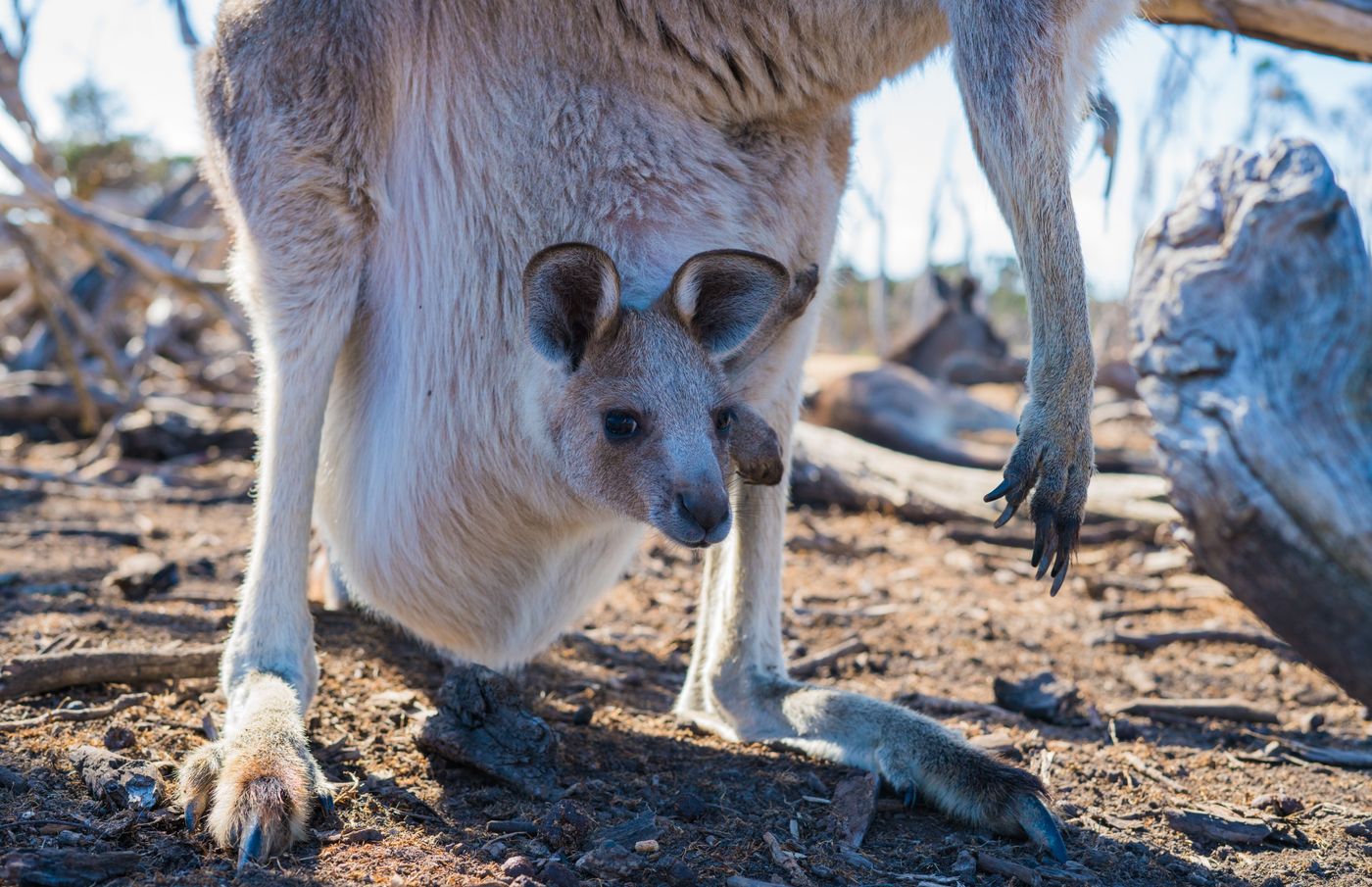
The Great Ocean Road is significantly richer in wildlife than most visitors anticipate. Beyond the koalas at Cape Otway, keep eyes open for: echidnas crossing the road in the Otways (move slowly if you spot one — they amble with complete indifference to traffic); wallabies and kangaroos in roadside grasslands at dawn and dusk (driving at dawn is beautiful but requires vigilance for wildlife on the road); wedge-tailed eagles soaring above the coastal cliffs; Cape Barren geese on the grassy headlands near Port Campbell; and seasonally (June-October), southern right whales visible from the clifftop lookouts between Port Campbell and Warrnambool, calving in the sheltered bays below. No boat required — the whale watching from Logan's Beach lookout near Warrnambool is free and among the most accessible whale-watching in Australia.
The Surf Coast section (Torquay to Lorne) offers additional wildlife: Australian fur seals hauled out on the rock platforms at Aireys Inlet, little penguins nesting in the cliffsides at Kennett River, and dolphin pods regularly seen surfing the boat wake from the Lorne pier in the morning.
Photography Tips for the Great Ocean Road
The Great Ocean Road is one of the most photographed drives in Australia, and the light quality varies dramatically by time of day and season. The Twelve Apostles face west-southwest — which means sunset light (golden hour, 30-60 minutes before sunset) produces the warmest and most dramatic colours on the limestone. Sunrise produces backlit silhouette effects from the main platform but beautiful colour from the eastern-facing lookout at Loch Ard Gorge. Midday light (10am-3pm) is harsh and flat for photography but acceptable for general viewing.
For mobile photography: the main Twelve Apostles platform produces the widest shots but not the most interesting compositions. The walking track along the clifftop west of the main platform (approximately 400m, signposted) reaches a series of secondary lookouts with different angles and foreground elements. The helicopter view (AUD 145, 15 minutes) produces the only photography that matches the aerial images in travel brochures — if photography is a priority, this is the best investment on the route.
Honest Verdict — Is the Great Ocean Road Worth It?
Unambiguously yes, with the caveat that it must be done over two days minimum. The combination of Bell Beach, Lorne, the Otway rainforest, wild koalas at Cape Otway, and the Twelve Apostles-Loch Ard Gorge coastline is extraordinary. The road itself — literally carved into cliffside above the Southern Ocean — is one of the most spectacular drives in the world by any objective standard. The Twelve Apostles are slightly anti-climactic for anyone who has seen only the telephoto aerial photography, but the overall coastal experience around them more than compensates. Do not rush this. Two days, self-drive, no tour bus — this is the version that earns the Great Ocean Road's reputation.