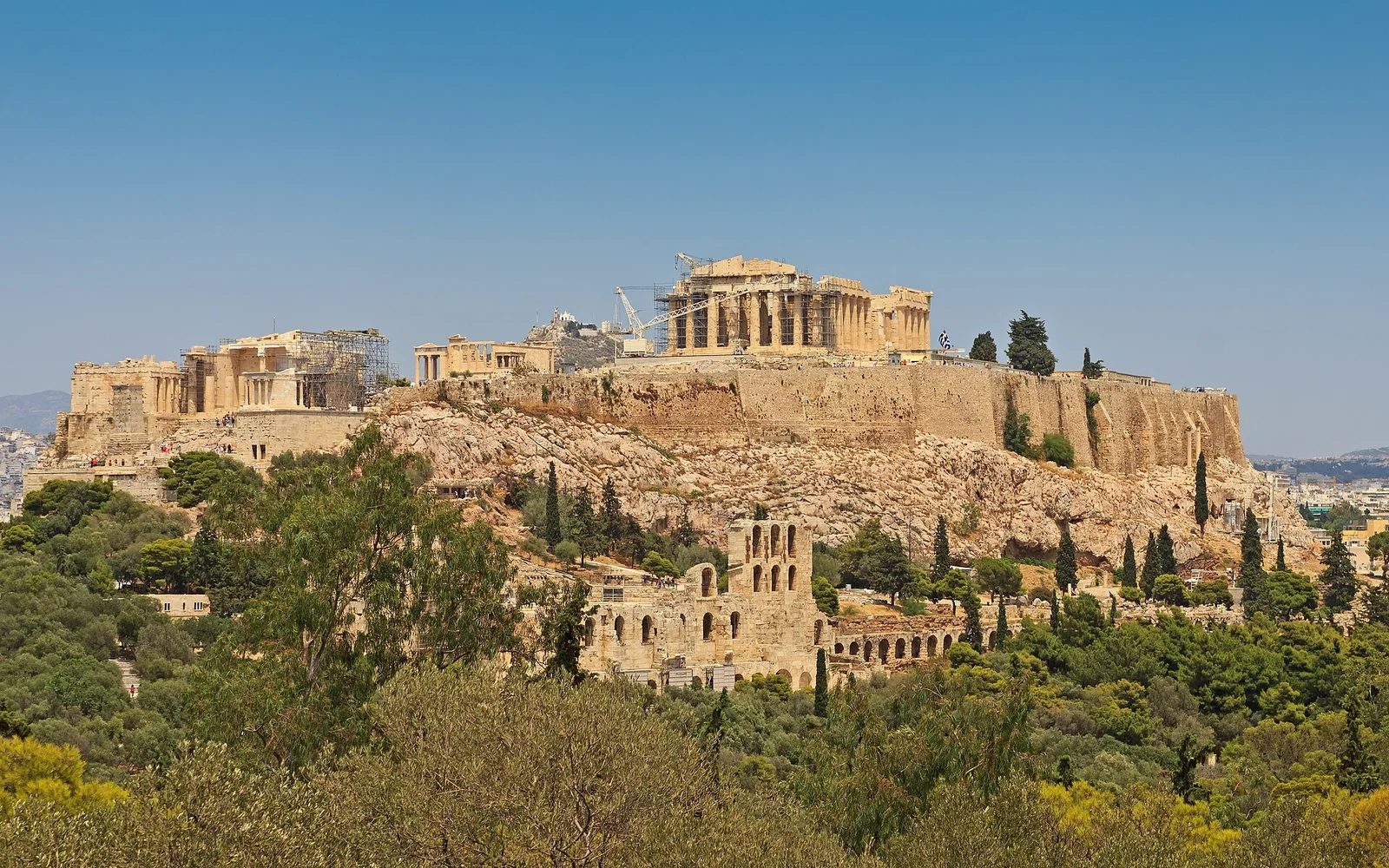

Greece is a mainland country and an archipelago system at the same time. Athens, the Peloponnese and northern Greece can form a complete trip without a ferry, while island trips work best when the chosen islands share a practical ferry network. The useful question is not “which Greek island is prettiest?” but “which island group fits the route, season and pace?”
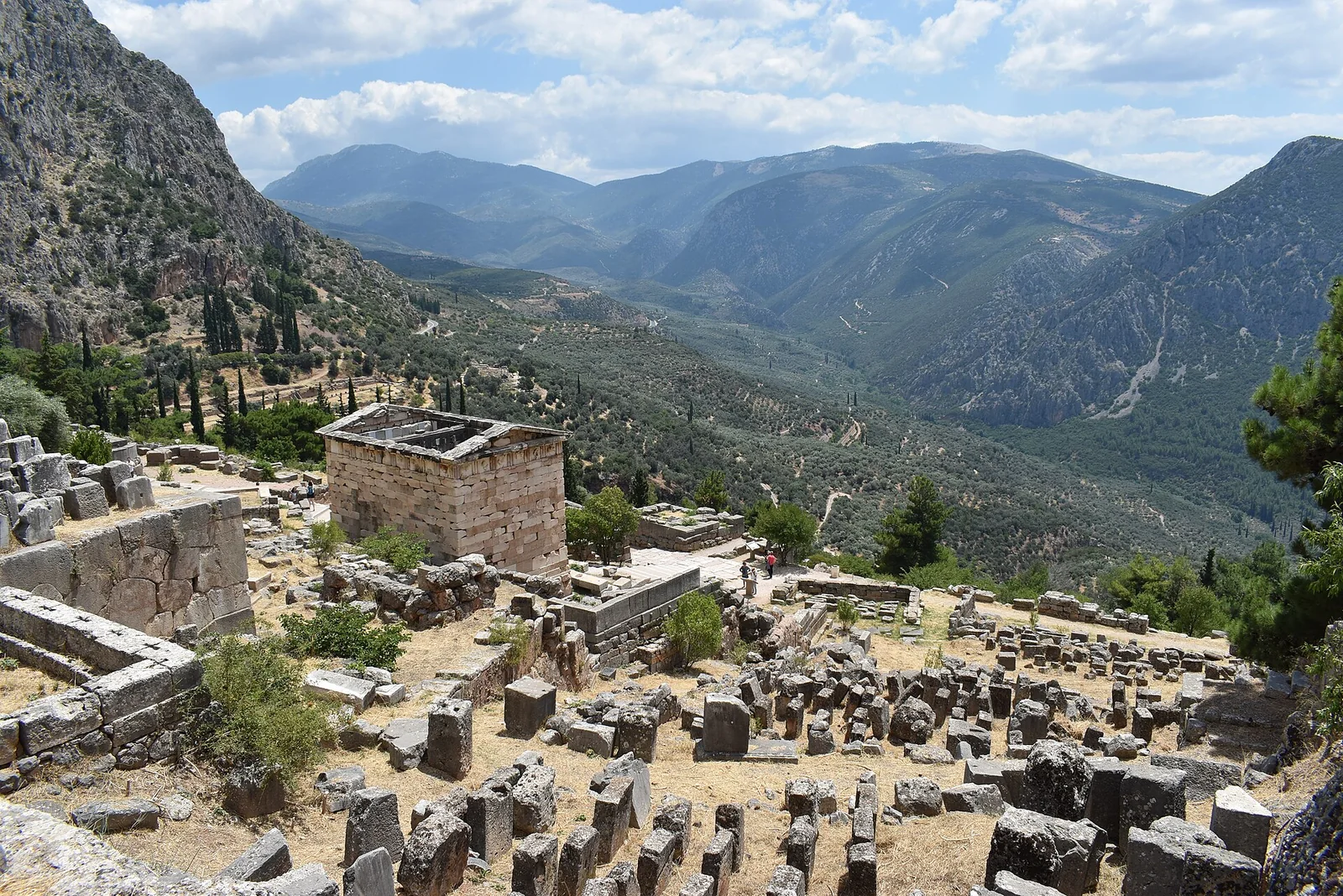
How to think about Greece
- Athens: archaeology, neighbourhood life and the main transport hub — metro and walking; ports connect onward
- Crete: large-island variety, cities, mountains and beaches — two major airports; a car helps outside cities
- Cyclades: classic Aegean landscapes with very different island personalities — ferry network is central to route design
- Ionian Islands: greener western islands including Corfu and Kefalonia — flight/ferry geography differs from the Aegean
- Rhodes and Dodecanese: medieval history, beaches and eastern Aegean routes — seasonal flights and ferries
- Peloponnese: Nafplio, Mani and major ancient sites — a road trip is usually the most coherent format
- Meteora: monasteries and dramatic mainland geology — rail/bus/tour connections; stay overnight for pacing
- Thessaloniki and north: food, Byzantine history and access to northern landscapes — air/rail gateway for a different Greece
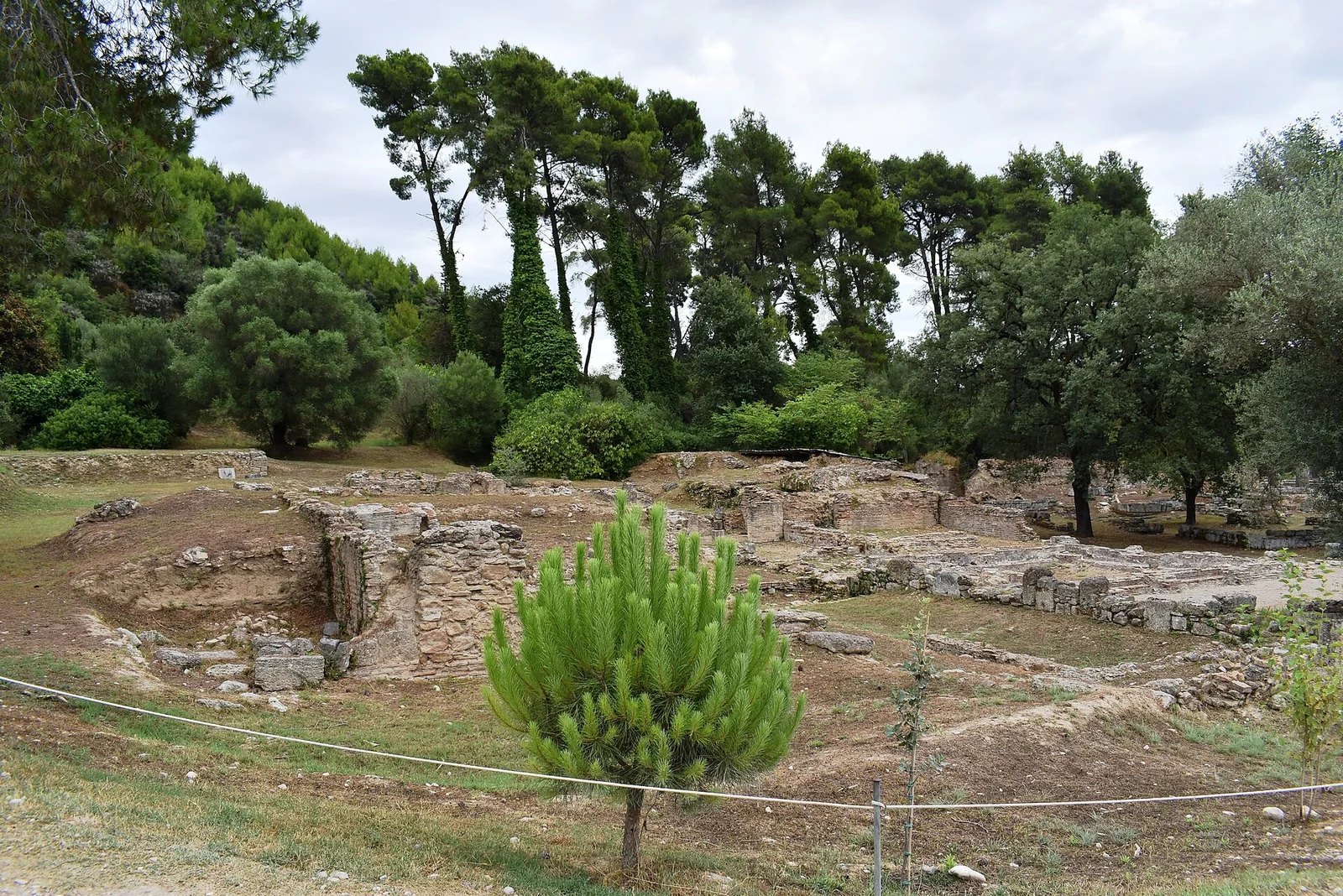
When to go
- March–May: archaeology and mainland touring before peak heat; island services build through spring
- June–August: full island season, intense sun and peak demand; heat and wildfire planning matter
- September–October: warm sea, strong island access and generally easier sightseeing
- November–February: Athens and Thessaloniki remain viable; many resort islands become much quieter with reduced services
Build the route before booking hotels
- 7 days: Athens + one island or one mainland region; do not mix multiple island groups
- 10 days: Athens + two well-connected islands, or Athens + Peloponnese + Meteora
- 14 days: one coherent island group plus Athens, or a mainland road trip with a focused island finish
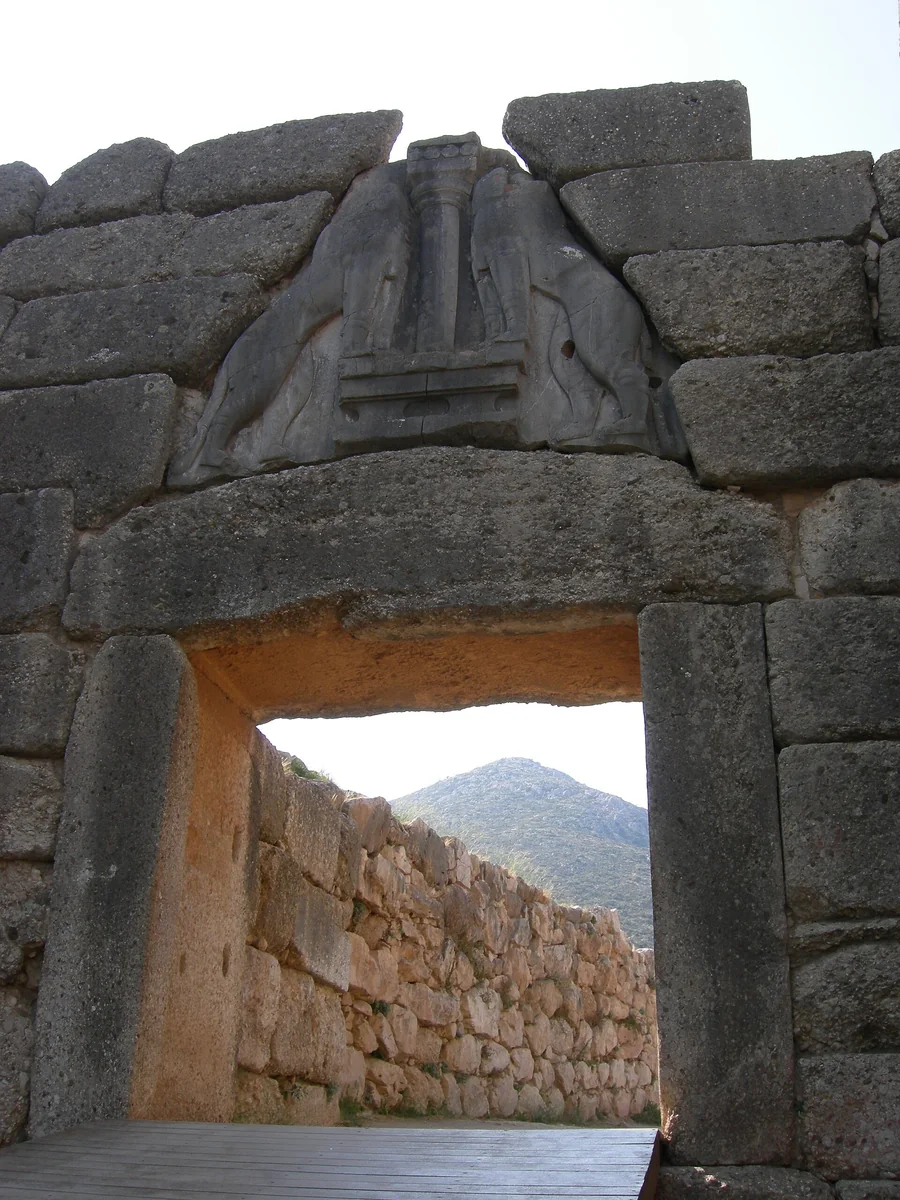
Transport reality
- Build island routes from real ferry connections, not from straight-line map distance. Piraeus is the dominant Athens port, but Rafina and Lavrio matter for some routes.
- Domestic flights can save a full day on distant islands such as Crete or Rhodes; compare the total airport transfer burden with ferry time.
- Cars are most useful on large islands and mainland road trips. On small Cyclades islands, buses, taxis and walking may be simpler.
- Mainland KTEL buses fill gaps that rail does not cover; always verify the regional operator and current timetable.
Budget and safety
TripMag does not publish a fictional universal daily budget: season, base and transport structure move the total too much. Use the dedicated cost and safety guides for live-sensitive planning.
Common mistakes
- Choosing islands from social media without checking whether they connect efficiently.
- Putting Santorini, Mykonos, Crete and an Ionian island into one short itinerary.
- Scheduling major archaeological sites at midday in peak summer heat.
- Booking a same-day ferry-to-long-haul-flight connection with no disruption buffer.