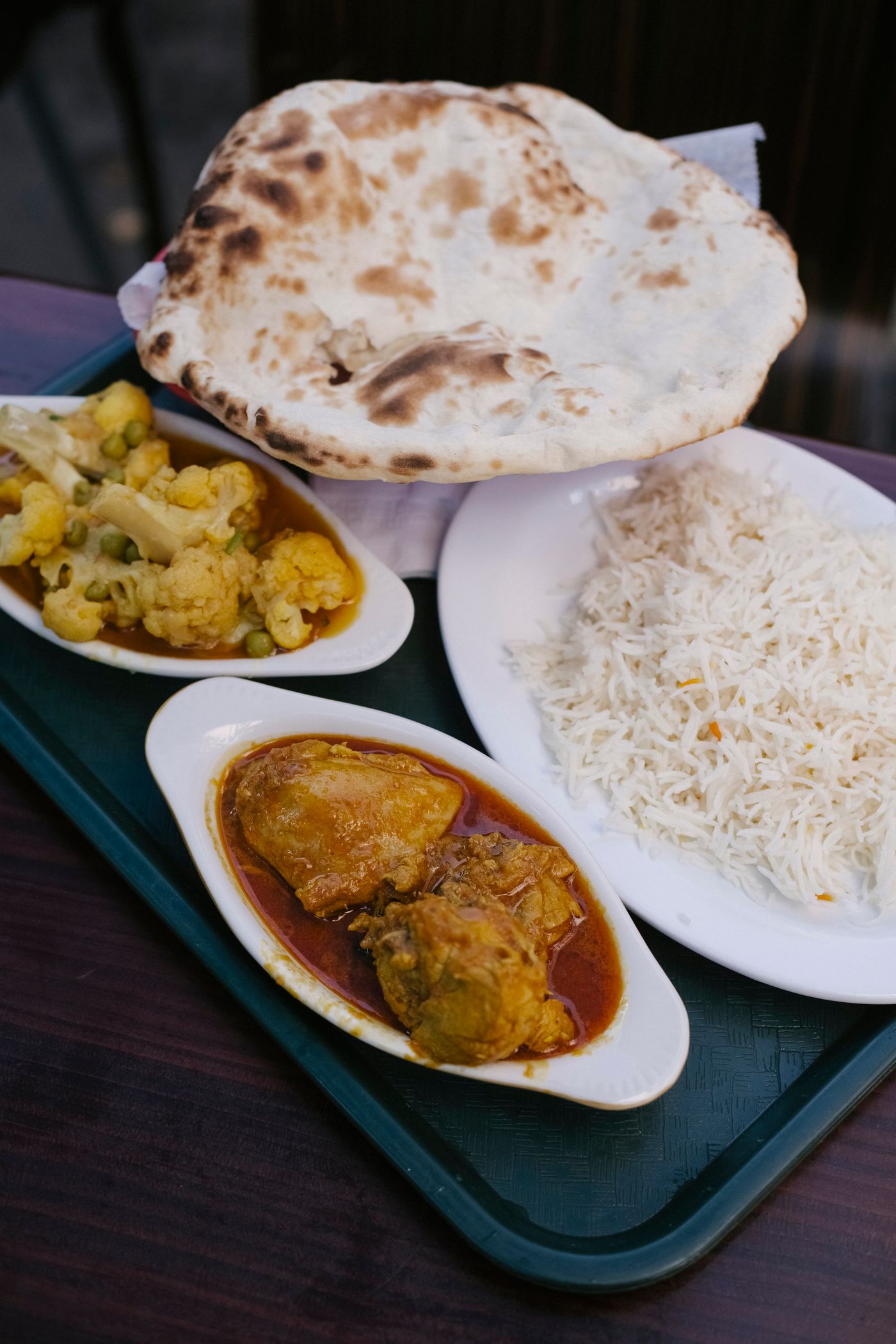
The single greatest misconception about Indian food in the West is that it exists at all as a unified cuisine. What gets served as "Indian" in London curry houses or American buffet restaurants is a narrow simplification of Punjabi and Mughlai food, the cuisine of the northwestern subcontinent under Mughal influence between 1526 and 1857. The reality is that India has at least eight major regional cuisines, each as distinct from each other as French is from Spanish, drawing on completely different staple grains, fats, spices and meat traditions. A traveller who eats only "butter chicken and naan" in Mumbai is missing 95 percent of what India can offer. Here is the regional map.
North India - Punjabi and Mughlai
The cuisine of Delhi, Punjab, Uttar Pradesh and parts of Rajasthan. Wheat-based (naan, roti, paratha, kulcha) rather than rice. Cooked in ghee, mustard oil and cream. Heavy use of cardamom, cumin, garam masala, saffron and dried fruits. The famous dishes: butter chicken, dal makhani, rogan josh (the Kashmiri lamb stew), biryani (the Mughal layered rice), kebabs of every kind, the bread basket. The classic Delhi experience is dinner at Karim's in the Old City (mutton burrah and Mughlai biryani), Bukhara at the ITC Maurya (the tandoori platter at the Maharajah's table) or Indian Accent (the country's best contemporary Indian restaurant).
Rajasthan - The Royal Desert Cuisine
Adapted for the arid Thar - longer storage, less use of fresh vegetables, more millets and pulses. Spicy, with bold use of chilli and asafoetida. Classic dishes: dal baati churma (baked wheat balls with lentils and sweet churma), gatte ki sabzi (chickpea-flour dumplings in yoghurt curry), laal maas (the famous fiery mutton curry, traditionally cooked with Mathania chilli over open fire), ker sangri (desert beans and berries). The royal banquet experience at Suvarna Mahal in Rambagh Palace, Jaipur or Risala at Umaid Bhawan, Jodhpur is the gold standard.
Goa and the Konkan Coast
The most distinctive cuisine in western India - 450 years of Portuguese colonial fusion with Konkan-coast Hindu cooking. Heavy use of vinegar, kokum, coconut, pork, beef and seafood. Classic dishes: fish recheado, prawn balchao, pork vindaloo, chicken xacuti, sorpotel, the layered coconut bebinca dessert. Feni (the cashew-distilled local spirit) is the iconic drink. Sublime in Morjim, Gunpowder in Assagao, Fisherman's Wharf in south Goa are the consensus best modern Goan kitchens.
Kerala and the Malabar Coast
Coconut, curry leaves, mustard seeds, fish, no wheat. One of the world's great vegetarian and seafood cuisines. Classic dishes: appam with stew (lacy rice pancakes with coconut-milk vegetable curry), puttu and kadala curry, fish moilee, Karimeen pollichathu, Malabar prawn curry, parotta and beef fry, the Onasadya feast (the Onam-festival 26-dish vegetarian banquet served on banana leaf). Eat at Dakshin at ITC Grand Chola, Chennai or Karavalli at the Taj West End, Bengaluru for the high-end version; or any roadside thali shop in Cochin for the authentic everyday version.
Tamil Nadu - The South's Vegetarian Heartland
Rice, lentils, tamarind, mustard seeds, coconut, curry leaves. Largely vegetarian. Classic dishes: idli (steamed rice cakes), dosa (rice and lentil crepes), sambhar (lentil stew with tamarind and vegetables), rasam (the peppery digestive soup), pongal (sweet or savoury rice), the meals plate served on banana leaf with 12 to 15 small components. Filter coffee is the universal hot drink. The Saravana Bhavan and Murugan Idli Shop chains are the legendary mass-tier; Avartana at ITC Chola in Chennai is the temple-of-South-Indian-tasting-menu modernist version.
Bengal and the East
The food of West Bengal, Bangladesh and Odisha. Fish-and-rice culture, with use of mustard oil, panch phoron (the five-spice mix), poppy seeds and sweet flavours. Classic dishes: maccher jhol (the Bengali fish curry), shorshe ilish (hilsa in mustard sauce), kosha mangsho (slow-cooked mutton), aloo posto (potato in poppy seed paste), shukto (the bittersweet vegetable medley), rosogolla and sandesh (the famous Bengali milk-based sweets). Eat at 6 Ballygunge Place or Aaheli in Kolkata.
Gujarati - The Vegetarian Thali
One of the world's great vegetarian traditions. Sweet-savoury-spicy balance in a single meal. The Gujarati thali is the regional icon: 8 to 14 small dishes (3 vegetable curries, dal, kadhi, two breads, rice, salad, papad, chutneys, pickles, dessert) served all at once. Eat at Agashiye in Ahmedabad (rooftop thali at sundown) or Soam in Mumbai.
Hyderabadi - The Deccan Mughal
The princely cuisine of the Nizams of Hyderabad. The Hyderabadi dum biryani is, by widespread acclaim, the best biryani in India - lamb cooked sealed with the rice in a sealed pot, slow-cooked over coals. Also famous: haleem (the Ramzan slow-cooked meat-and-wheat porridge), mirchi ka salan, double ka meetha. Paradise and Bawarchi in Hyderabad are the classic biryani houses; Dum Pukht at the ITC Maurya, Delhi for the upmarket version.
Street Food - The Honest Rules
Indian street food can be the best food of your trip or the worst week of your gut's life. The rules: (1) eat where there is a long queue of locals - high turnover means fresh oil and fresh ingredients; (2) eat hot, freshly cooked items only - vada pao, samosas, chaat made to order, dosas from the griddle; (3) avoid raw chutneys, uncut fruit, unfiltered water-based drinks and salads in the first week; (4) eat between meal hours rather than late evening when the oil has been used all day. The musts: Mumbai vada pao at Ashok Vada Pav, Delhi chaat at Bishan Swaroop in Chandni Chowk, Kolkata kathi rolls at Nizam's, Hyderabad biryani at Bawarchi, South Indian dosas at Saravana Bhavan. Join a guided street food walking tour in Delhi, Mumbai or Kolkata for the first night in any city - the local guide knows which stalls are safe.
Drinks - Chai, Lassi, Feni, Kingfisher
Masala chai (cardamom-ginger-cinnamon tea) is the national hot drink, served everywhere for INR 10 to 30. Lassi (sweet or salted yoghurt drink) is the iconic refresher - try mango lassi in Delhi, bhang lassi in Pushkar (technically legal there, mildly intoxicating). Kingfisher and Tuborg beer are the standard lagers; Sula and Grover Zampa have made Indian wine surprisingly drinkable. Feni in Goa is the local spirit. Most Indian states have dry days on the 1st and 7th of each month and around national holidays.