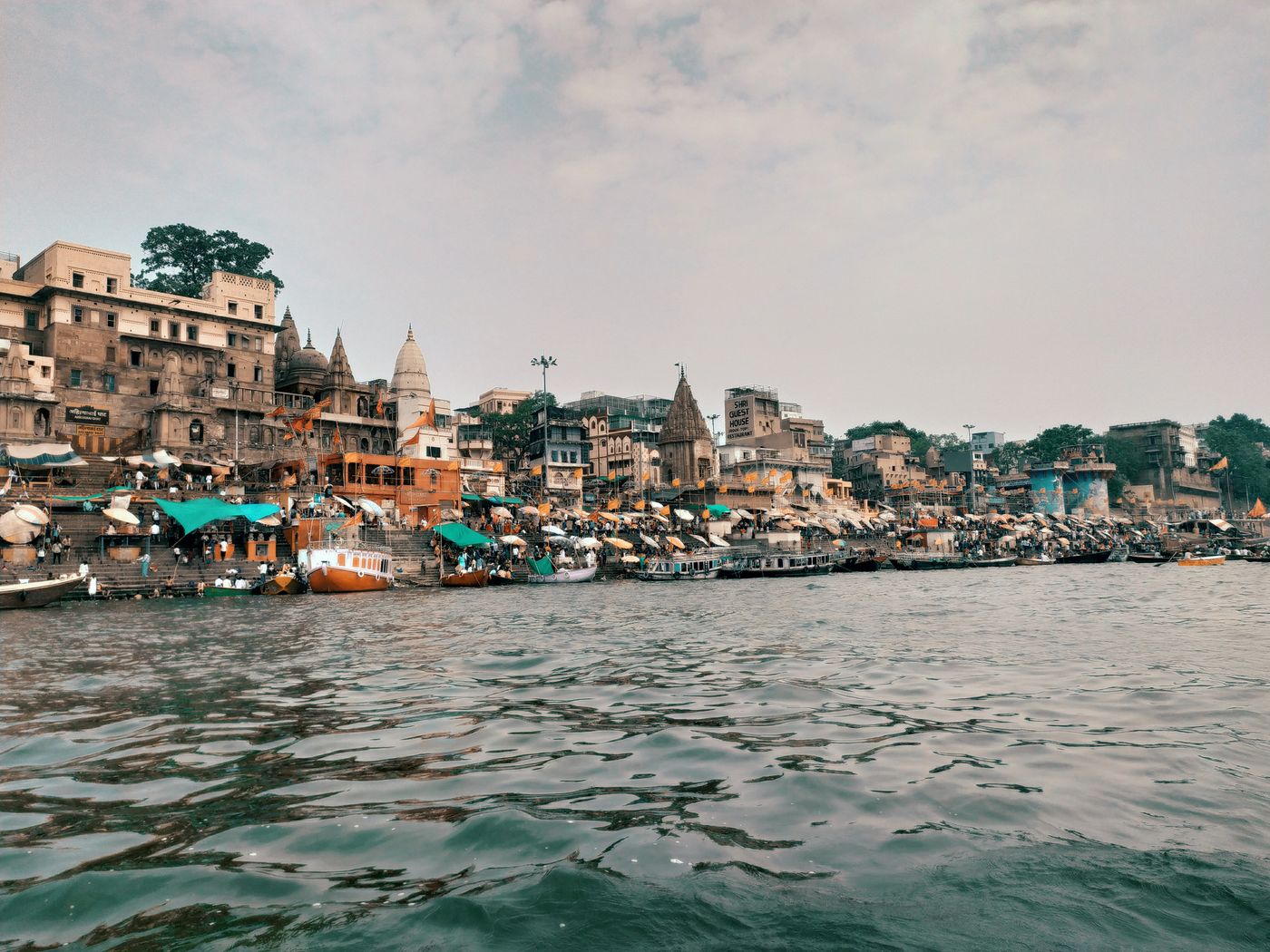
Varanasi (also called Kashi or Banaras) is a major sacred centre of Hinduism and one of the world's oldest continuously inhabited cities, with a long history on the Ganges. To die in Varanasi, in Hindu belief, is to be released from the cycle of reincarnation. Two of the city's eighty riverside ghats - Manikarnika and Harishchandra - have been burning open-air cremations continuously for at least 2,500 years. The result is the most spiritually concentrated place in India, and the most psychologically demanding city you can visit. First-timers report being overwhelmed within the first hour. Travellers on a third or fourth Indian trip often call Varanasi the single most memorable city of their lives. Here is how to do it well in 2026.
How Many Nights
Two full nights is the sweet spot - long enough to do a dawn boat ride, the evening Ganga Aarti, the labyrinth of the old city lanes, and a Sarnath excursion. Three nights if you want to add a Mughal architecture day or a Hindu philosophy walk. One night is too little; four becomes too intense for most travellers. The standard pattern is to fly in from Delhi (1.5 hours daily) or take the Kashi Vishwanath Express overnight from Delhi, then fly out to Delhi or onward to Khajuraho.
The Dawn Boat Ride - The Single Most Important Hour
This is why you came to Varanasi. The Ganges flows north past the city, the only stretch in its 2,500 km journey where it does so, and the sun rises directly over the river. Sunrise is at 5:30 to 6:15 am depending on the season. Arrange a private rowboat for two people for INR 800 to 1,500 via your hotel the night before. Start at Assi Ghat in the south at 5 am, drift north past the burning ghats, past Munshi Ghat and Dashashwamedh, to Manikarnika and back. The pilgrims bathing in the freezing winter water, the saffron-robed sadhus, the flower garlands and oil lamps released into the current, the slow orange light catching the temple spires - it is one of the great hours of any traveller's life. Do not ask the boatman to row close to the cremation ghats and do not photograph the cremations themselves. Pre-book a private dawn boat with a Hindi-speaking guide rather than negotiating at the ghats in the dark.
The Evening Ganga Aarti
The most theatrical religious ceremony in India happens nightly at Dashashwamedh Ghat from 6:30 to 7:30 pm. Seven young Brahmin priests in matching saffron robes perform a synchronised fire-and-water ritual to the goddess Ganga, accompanied by drumming and bells. The crowds are enormous - 5,000 to 10,000 spectators. Three viewing options: (1) from the ghat steps (free, arrive by 5:45 pm for a good spot); (2) from a boat moored offshore (INR 300 to 500 per person, the best view); (3) from a rooftop cafe on the ghat above (BrijRama or Open Hand). Option 2 is the consensus best. The smaller dawn aarti at Assi Ghat at 5 am is the spiritual purist's preference - dramatically quieter and more solemn.
The Old City Lanes
The medieval old city behind the ghats is a labyrinth of 2-metre-wide lanes (galis) twisting between 18th-century havelis, hundreds of small temples, lassi shops, bookbinders, betel-leaf merchants and silk weavers. Get deliberately lost for two hours in the late morning. Eat thandai (the cold spiced milk drink, sometimes legally infused with bhang) at the famous Blue Lassi shop near Manikarnika Ghat. Watch silk-saree weavers at Pasht Shawl Trust. Visit the 18th-century Bharat Mata temple. Do not enter the Kashi Vishwanath temple complex without a guide - the security after the 2021 corridor expansion is extreme and non-Hindus are restricted in places.
Where to Stay
Luxury heritage: BrijRama Palace (an 18th-century waterfront palace, the only true heritage hotel on the ghats), Taj Ganges (modern luxury, away from the ghats but with shuttle service), Nadesar Palace (Taj-managed, secluded, gardens).
Boutique near the ghats: Guleria Kothi, Hotel Alka, Suryauday Haveli.
Mid-range: Rashmi Guesthouse, Palace on Ganges.
The choice is fundamental: ghat-side (BrijRama, Guleria Kothi, Suryauday Haveli) means walking distance to everything but very narrow lanes and limited car access; cantonment-side (Taj Ganges, Nadesar Palace) means quiet, comfortable rooms but a 20-minute drive to the ghats every time you want to go.
Sarnath - The Buddhist Day Trip
13 km from Varanasi sits Sarnath, where the Buddha delivered his first sermon after enlightenment. The Dhamekh Stupa (5th century) marks the spot. The site is gentle, quiet, well-tended and a striking psychological counterpoint to the intensity of central Varanasi. Half a day with a local guide. Visit the Sarnath Museum for the original 3rd-century Ashoka Lion Capital (now the national emblem of India).
Practical Tips
- Best months: November to February. Avoid May and June (45 C and brutal). The Dev Deepawali festival in mid-November (when one million oil lamps are lit along all 80 ghats) is the city's most spectacular night.
- Photography of cremations is forbidden. Drone use is prohibited entirely in the old city.
- Bring strong tissues and small Vicks. The smell at the cremation ghats is challenging for most first-timers.
- Cash culture: the old city lanes do not accept cards. ATMs near Dashashwamedh and Assi Ghats.
- Touts at the ghats are persistent. Walk decisively, never engage in conversation, ignore unsolicited "guide" offers.
- The widow ashrams at the Tara Maa hospice are an under-recognised non-tourist visit - a small donation supports women who have come to Varanasi to die.
- Vegetarian food only in the old city. The all-vegetarian Banarasi thali at Kashi Chaat Bhandar or the lassi at Blue Lassi are institutions.