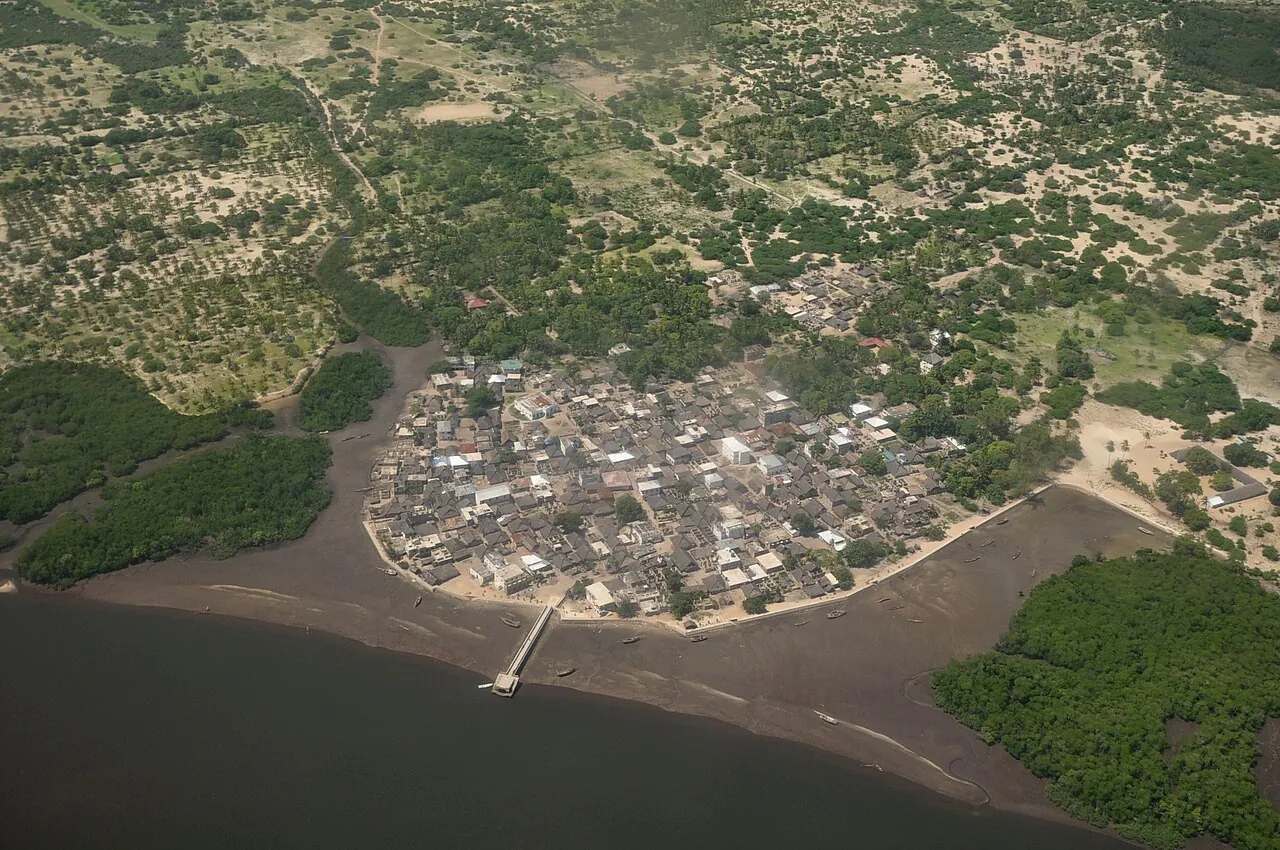

Map out Nairobi and the Maasai Mara before choosing transport. Good Kenya itineraries depend on sensible connections.
The network in one sentence
Nairobi is the main international gateway; safari circuits rely on road transfers and bush flights, while Mombasa and coastal airports support Indian Ocean extensions.
What each mode is good at
- Road safari circuits work best between geographically compatible reserves.
- Bush flights save rough-road hours and can materially change the usable safari day.
- Coast extensions usually work best by flight or planned rail/road rather than adding them casually.
- Verify current park access, road conditions and regional security advice before remote legs.
When a rental car earns its cost
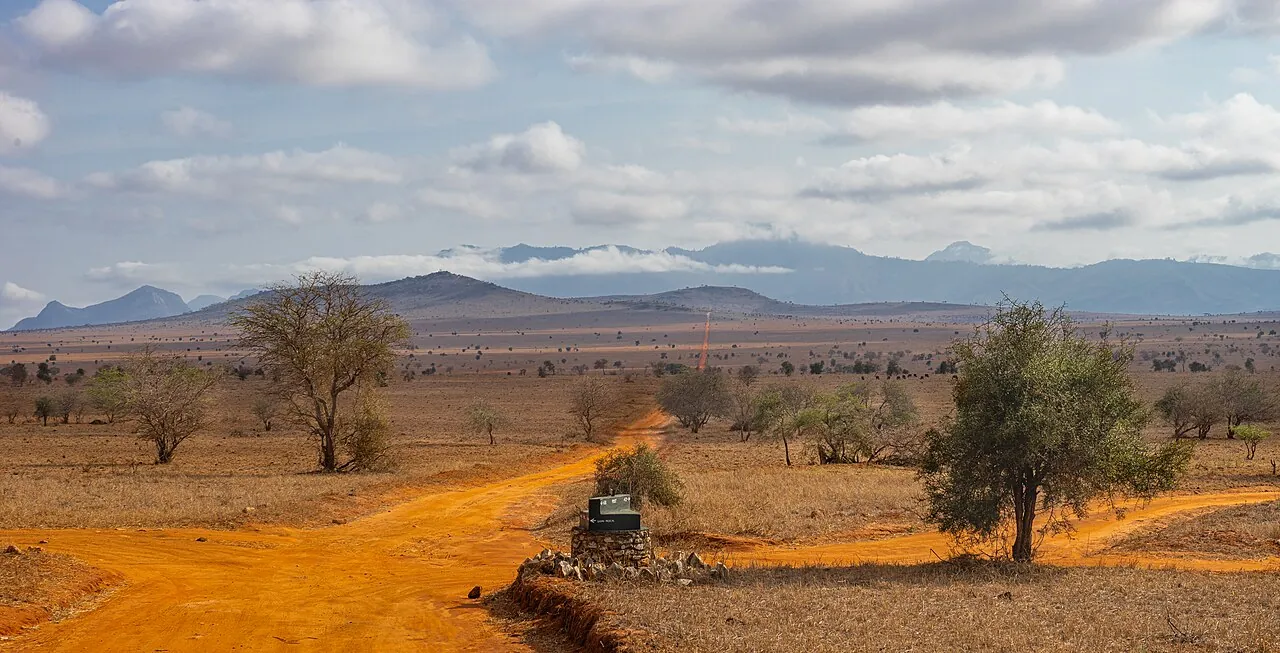
A car is valuable when it unlocks dispersed geography, difficult last-mile access or a coherent road loop. It is poor value when it spends most of the trip parked in a well-connected city.
Build around the weakest connection
The fast trunk leg is rarely the problem. Rural buses, ferries, mountain roads, airport transfers and the final hotel connection usually decide whether an itinerary feels smooth.
Always recheck live operations
Schedules, engineering work, seasonal ferries and road restrictions can change. Use the official operator cited below for the journey you are actually taking.
Choose transport leg by leg
Use a simple decision order in Kenya: first ask whether the main intercity leg is strong by public transport; next check the last mile; only then decide whether a car adds enough freedom to justify parking, fuel, toll, ferry or one-way constraints. Relevant route signals include Road safari circuits work best between geographically compatible reserves. and Bush flights save rough-road hours and can materially change the usable safari day.. These are planning cues, not substitutes for a live timetable.
For every transfer, keep the operator's current journey planner and the accommodation address together. Check the final arrival time as carefully as the departure time, especially where buses, ferries or mountain roads thin out later in the day. A slightly slower direct leg can be a better travel decision than a faster connection that depends on a fragile short interchange.