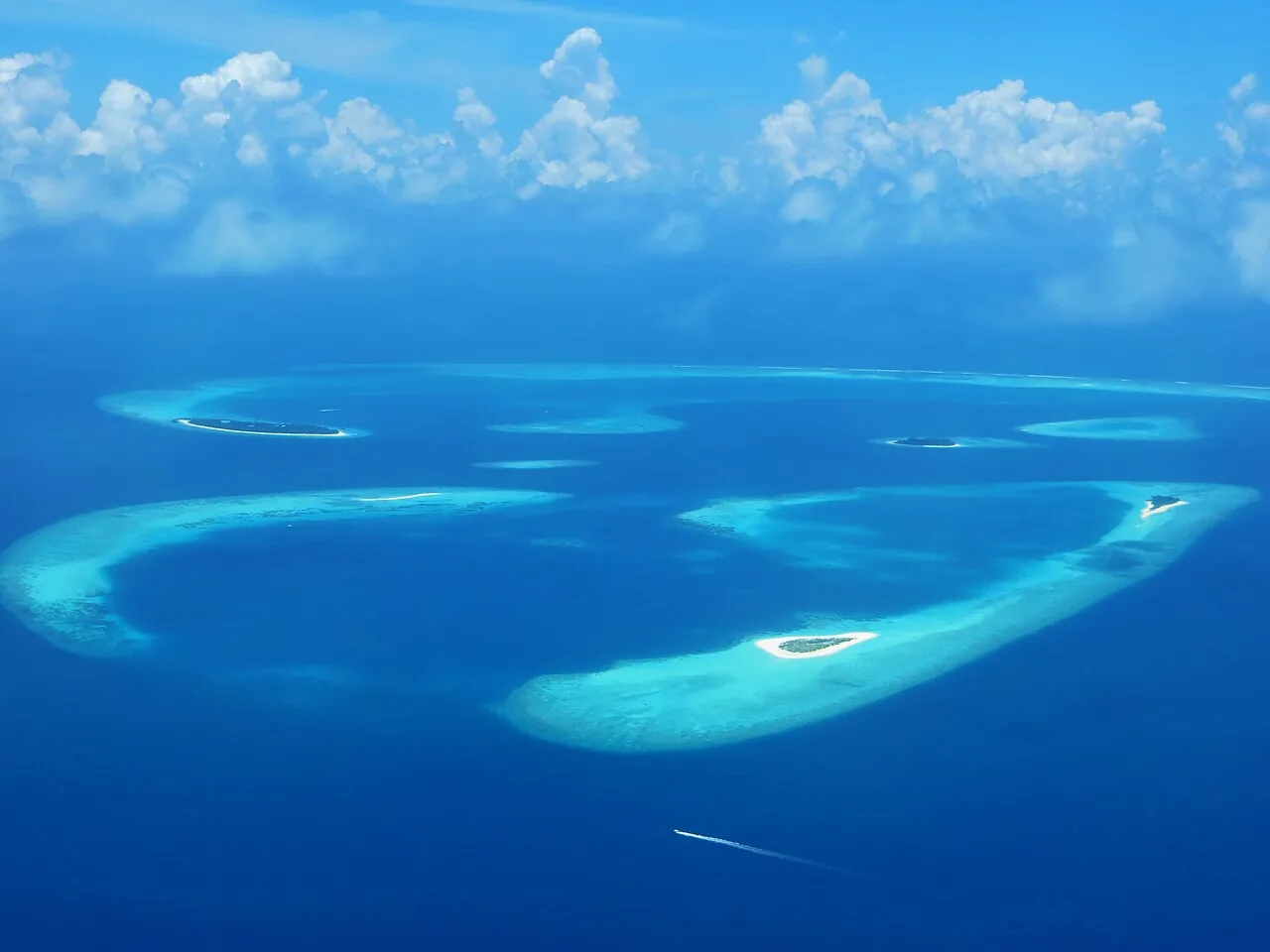

A strong Maldives itinerary is a sequence of compatible travel systems, not a contest to fit the most names onto a map.
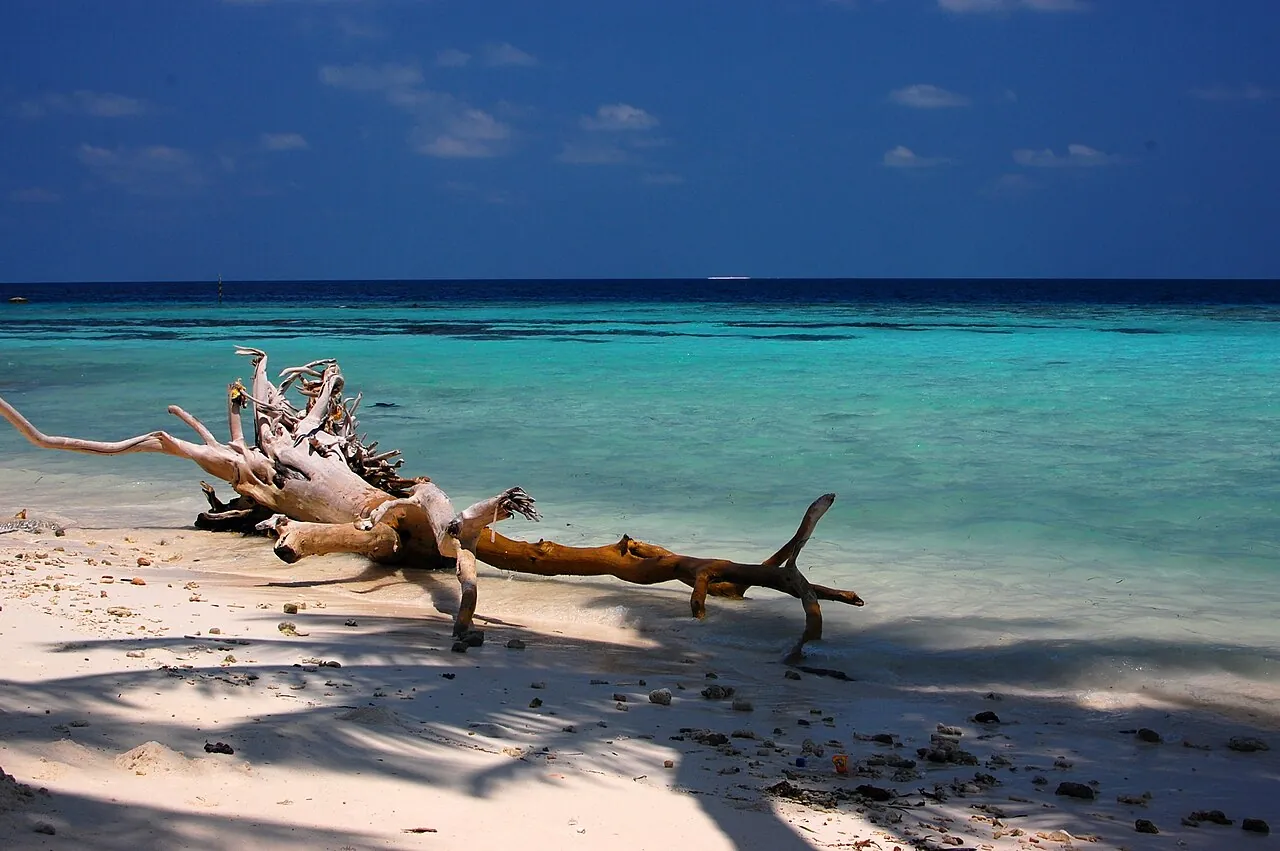
7 days: one clear geographic story
Choose one resort or local-island base whose transfer fits the arrival flight. Protect arrival and departure days from heroic transfers.
10 days: add one meaningful contrast
Pair two compatible islands/atolls only when the transfer is direct or genuinely worthwhile. The extra nights should deepen the route, not simply add another hotel key.
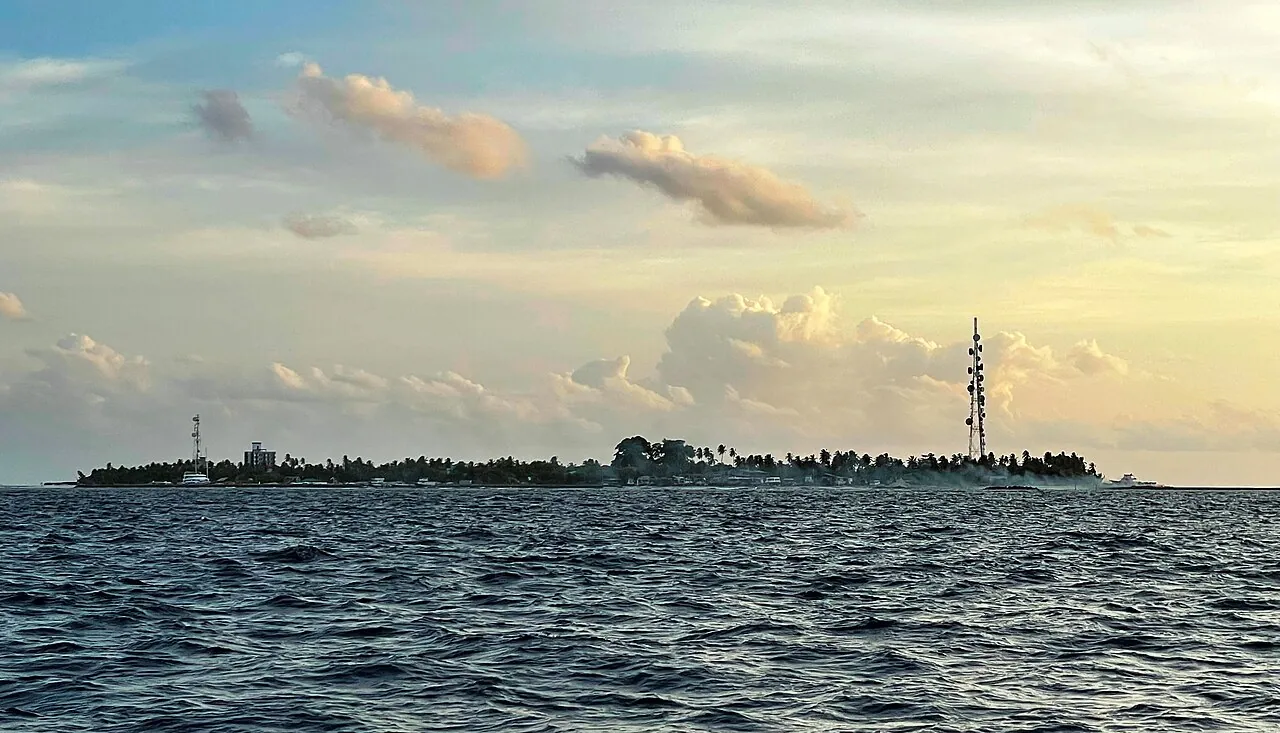
14 days: expand regionally, not randomly
Add a liveaboard or second atoll as a deliberate second travel system rather than serial island hopping. Use the added time to slow down difficult terrain or connect a second compatible region.
Transfer days are real days
- Speedboats are efficient only where the island is in the right transfer zone; never assume every resort is a boat ride from Malé.
- Seaplanes and domestic flights can define both price and usable daylight; verify the accommodation's current transfer process.
- Local ferries can support some inhabited-island travel but schedules and suitability vary by route.
What to cut first
If the route requires backtracking, a same-day long transfer plus sightseeing, or repeated one-night stops, cut the least distinctive leg. The transfer can materially change the price and usable holiday time, so choose the island and transfer together.
How to pressure-test the route
Before booking, write each change of base in door-to-door terms: checkout, station or airport access, waiting time, the main leg, last-mile transfer and check-in. In Maldives, the headline journey time can hide the part that consumes the day. A route such as Choose one resort or local-island base whose transfer fits the arrival flight works best when the long transfer sits between substantial stays rather than between two one-night stops.
Give every base a job. One should anchor the arrival, another should unlock a region, and any third base should add something that cannot be reached comfortably from the first two. If two consecutive stops deliver similar scenery or require backtracking, combine the nights. The result is usually a calmer itinerary with more usable mornings and evenings.