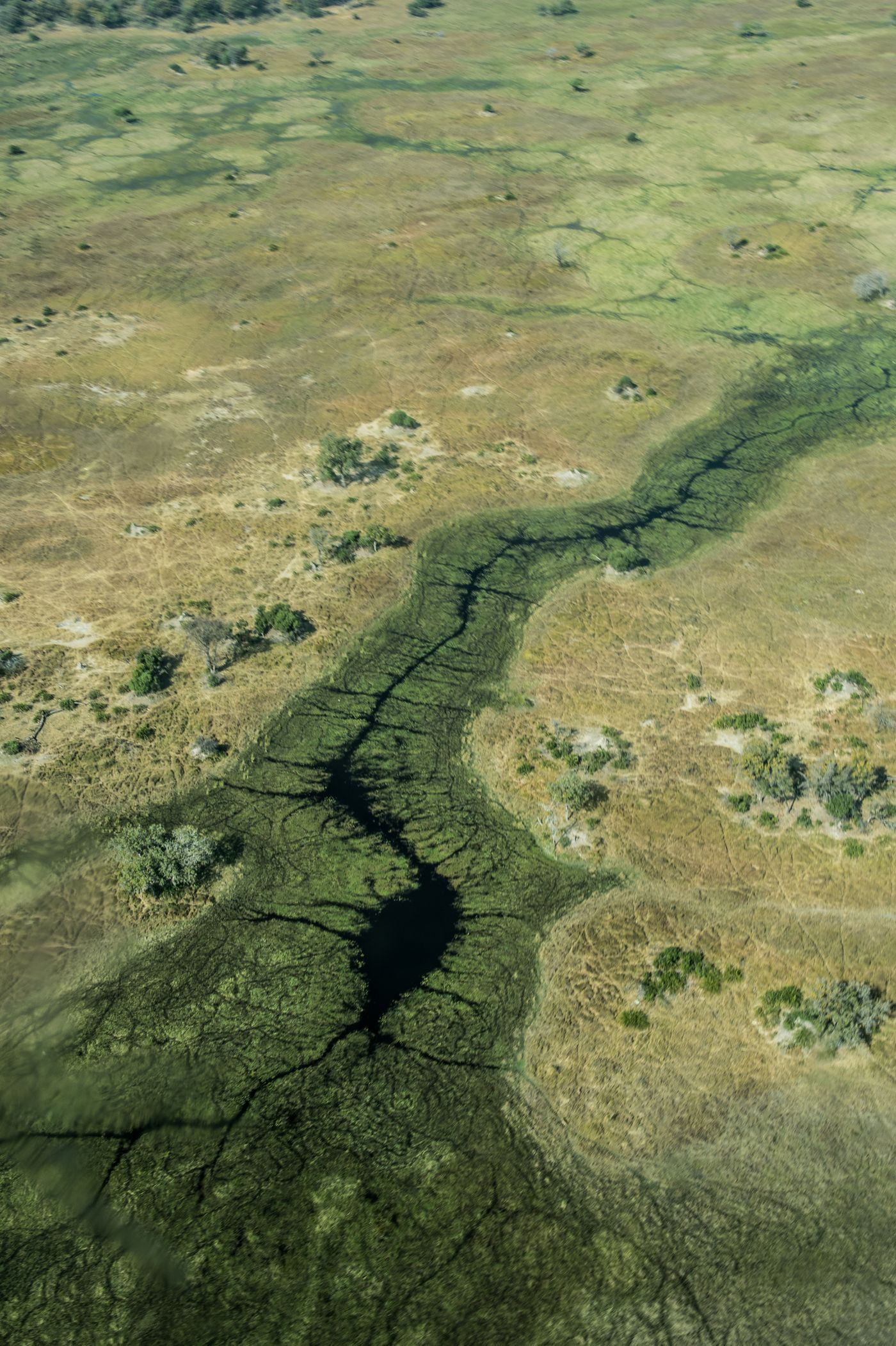
The Maasai Mara is not just Kenya's most famous game reserve — it is the single most recognisable wildlife destination on Earth. More wildlife documentaries are filmed here than anywhere else. More wildlife photographers base themselves here in July and August than in any other location. And the reason is simple: the sheer density and variety of large mammals in the Mara-Serengeti ecosystem, combined with the open savanna landscape that makes everything visible, produces consistently extraordinary wildlife encounters that simply don't happen at this frequency anywhere else.
The reserve itself covers approximately 1,510 sq km of national reserve, but the broader Mara ecosystem — incorporating the private conservancies surrounding the reserve and stretching into Tanzania's Serengeti — covers 25,000 sq km. There are no internal fences. The Big Five (lion, leopard, elephant, buffalo, rhino) are all present. So are cheetah, wild dog, hyena in enormous clans, hippo, crocodile, and over 570 species of bird. The predator density is exceptional: the Mara has one of the highest lion population densities on Earth, and leopard sightings that would be considered extraordinary in other reserves happen several times per week here.
The challenge in 2026 is the Mara's own popularity. During peak migration (August–September), the most famous river crossing points can see 30–50 vehicles queuing when a crossing is expected. The difference between a profound wildlife encounter and a chaotic traffic jam is almost entirely determined by the decision to stay in a private conservancy rather than the national reserve, and by using an experienced local guide who reads animal behaviour rather than following radio chatter.
What Makes the Maasai Mara the World's Best Game Reserve
Three factors combine to make the Mara exceptional. First, the ecosystem operates as a single unfenced unit with Tanzania's Serengeti — animals move freely in both directions based on rainfall and grass availability, creating seasonal spectacles that concentrate wildlife dramatically. Second, the landscape itself: open rolling savanna with short grass means you can see for miles, and nothing hides behind dense bush. A cheetah on a termite mound is visible from 500 metres. Third, human habituation. The Mara's wildlife has co-existed with Maasai pastoralists and researchers for decades, meaning animals are extraordinarily calm around vehicles. Lions will walk under a land cruiser without breaking stride.
The resident wildlife outside migration season is already remarkable. Lions are spotted on most game drives. Elephant herds move across the plains daily. Hippo pods in the Mara River can number 50–80 animals. The bird diversity is staggering — lilac-breasted roller, secretary bird, martial eagle, and the enormous Kori bustard are daily sightings. The Mara in any month is better than most other game reserves at their best.
The Great Migration — Honest Timing and Expectations
The Great Migration is the annual movement of approximately 1.5 million wildebeest, 200,000 zebra and 18,000 eland in a roughly circular 1,800 km journey driven by rainfall and grass availability. The wildebeest are in Kenya's Mara from approximately July to late October. The famous river crossings — where the herds stampede across the Mara River in terrifying, crocodile-interrupted chaos — are the peak event, occurring most frequently in August and September.
Honest caveat that many operators understate: the river crossings are not on a schedule and are not guaranteed on any single day. Wildebeest will arrive at the river bank, pace for hours in apparent deliberation, and then inexplicably turn back — only to attempt a crossing three hours later, or the following day. Even experienced guides with 20+ years in the Mara cannot predict exactly when a crossing will occur. To reliably witness a crossing, you need a minimum of three consecutive full days in the Mara during August–September. Plan for one day and you might be the person who drove 9 hours to watch wildebeest pace along a river bank and then wander off.
The calving season (January–February in the Serengeti's southern plains, with some residual activity in the Mara) is arguably the most intense predator-activity period of the entire year. Hundreds of thousands of wildebeest calves are born within a few weeks, and the Mara's big cats respond accordingly. Some wildlife photographers rate January higher than August for photographic opportunity. Prices are also significantly lower in January than peak summer.
Balloon Safari — Absolutely Worth It
A hot air balloon safari over the Maasai Mara is one of the genuinely unmissable travel experiences in Africa. Launch before dawn from your camp, drift silently over the plains at heights from 10 metres to 300 metres for 60–90 minutes, watching the landscape wake up below you. In the best conditions (early in the season, clear mornings) you can see the Mara River, elephant herds, lion prides, and the horizon all at once. The sense of scale — the true vastness of the ecosystem — becomes visceral from above in a way that ground-level game drives cannot deliver.
Two main operators run Mara balloon safaris: Governors' Camp Balloon Safaris and Mara Balloon Safaris. Both are reputable, use experienced pilots, and include the traditional champagne breakfast in the field after landing. Cost: approximately $500pp including breakfast. This is non-negotiable value at that price point — do not skip the balloon to save money and then wish you had done it. Book your Maasai Mara balloon safari with advance access and confirm date flexibility in case of weather cancellation. Balloons don't fly in rain or strong wind, and full refunds are typically given.
National Reserve vs Private Conservancies — The Most Important Decision
This decision shapes your entire Mara experience. The Maasai Mara National Reserve is the officially protected core area. The private conservancies (Olare-Motorogi, Naboisho, Ol Kurruk, Mara North, Motorogi) are community-managed lands surrounding the reserve where lodges lease the land from Maasai landowners and pay per-guest conservancy fees that fund community income and anti-poaching.
The conservancies allow what the national reserve prohibits: off-road driving (essential for getting close to wildlife in vegetation), night game drives (an entirely different ecosystem — hunting lions, honey badgers, aardvarks, bushbabies, civets), and walking safaris (tracking on foot with an armed ranger — the most intimate wildlife encounter possible). Guest density is also strictly controlled in the conservancies — Naboisho, for instance, allows only 1 vehicle per 3,000 acres, compared to dozens in the national reserve.
The practical difference: staying in a conservancy camp, you may be the only vehicle watching a leopard for 45 minutes. Staying in the national reserve and driving to the same leopard, you join 25 other vehicles. Both lodges may cost similar nightly rates. The conservancy experience is categorically superior for wildlife photography and genuine encounter quality.
Night Game Drives — What You Actually See
Night drives in the Mara conservancies reveal an ecosystem that daytime visitors never experience. Lions become far more active after dark — the Mara's cats have been documented completing kills on 60% of hunting attempts at night versus approximately 20% during daylight. With a spotlight, you'll encounter serval cats, genets, spring hares, white-tailed mongoose and the genuinely strange aardvark (the hardest animal to photograph in East Africa by day, surprisingly common at night). Night drives are included at most conservancy camps and run for 2–3 hours from dusk. Bring a fleece — temperatures drop sharply at altitude after sunset.
Maasai Village Visits — The Honest Assessment
Nearly every camp offers a Maasai village (manyatta) visit, typically $30–50 per person for 1–2 hours. The honest assessment: the villages adjacent to tourist camps, particularly on the main Mara tourist circuit, have become increasingly performative — the same dances done five times a day for different groups of tourists, with aggressive souvenir selling. The experience can feel extractive rather than genuine.
The alternative: ask your camp to arrange a visit to a community village further from the main circuit, or ask your Maasai guide (many Mara guides are themselves Maasai) to spend time explaining their culture during game drives rather than on a structured village performance. The most authentic insight into contemporary Maasai life comes from conversation with your guide, not from a choreographed jump-dance.
Getting to the Maasai Mara
By charter flight (recommended): Fly from Nairobi's Wilson Airport (30-minute taxi from JKIA) to one of several Mara airstrips (Keekorok, Ol Kiombo, Mara North, Ngerende). Flight time approximately 40–50 minutes. Charter cost: $280–550 one-way depending on operator and route (Air Kenya and Safarilink are the main scheduled charter carriers). Your lodge will coordinate pickup from the airstrip — typically included in the rate. By road: 5–5.5 hours from Nairobi via Naivasha and Narok. The road is tarmac to Narok, then varies. A competent 4x4 driver is essential for the final section. Road transfers are sometimes included in budget/mid-range packages but are tiring and lose half a day of game drive time. Fly whenever budget allows.
Budget Breakdown for the Maasai Mara
Park fees: KES 18,000 ($140) per person per day during peak season (Jul–Oct); KES 14,000 ($108) shoulder season. Conservancy fees: $50–150pp/day additional depending on conservancy. Budget camps: $200–300pp/night all-inclusive. Mid-range: $350–600pp/night. Luxury: $700–2,000pp/night. Balloon safari: $500pp. Charter flight from Nairobi: $280–550 one-way. A realistic 5-night Mara trip at mid-range quality, excluding international flights, runs $3,000–4,500pp.
Practical Tips
- Timing your game drives: 6:30am departure catches predators active at first light; 4pm departure catches the golden hour light for photography and afternoon predator activity. Avoid 11am–2pm — animals rest and light is harsh
- What to wear: Neutral colours (khaki, olive, tan, grey). Avoid white and bright blue. Layers for early-morning cold (it drops to 10–12°C pre-dawn at Mara altitude)
- Photography: Bring a 100–400mm zoom minimum. Rent a 500mm telephoto in Nairobi ($40/day) for big cats. A bean bag for the car window is more useful than a tripod
- Stay healthy: Malaria prophylaxis is essential. Malarone or doxycycline — consult your GP 6 weeks before travel
- Tip your guide: $15–20 per person per day is standard for an excellent private guide. This is a significant portion of their income
The Honest Verdict
The Maasai Mara is, without qualification, one of the world's great travel experiences. The wildlife density, the landscape, the scale of the Great Migration — nothing else on Earth compares. The honest caveats: peak season vehicle congestion is real and can diminish the experience; the conservancies solve this problem elegantly; river crossings require patience and multiple days; prices have increased sharply since 2022 and will continue rising. But if you have the budget for a 5+ night trip, stay in a conservancy camp, and allow sufficient time for the migration crossings, the Maasai Mara will almost certainly be among the most extraordinary experiences of your life. Find your Maasai Mara camp and book activities from balloon safaris to walking safaris.