The single most damaging mistake in African safari planning is treating Africa as a monolithic destination with a single season. Africa is the second-largest continent on Earth, spanning the equator, the Tropic of Capricorn and everything between. Kenya's dry season is Botswana's green season. Rwanda's gorilla trekking high season (July–September) coincides with Uganda's best-value period. Egypt is pleasant in February when South Africa is in mid-summer. Getting the timing wrong doesn't just mean suboptimal game viewing — it means flooded roads, closed camps, and the particular misery of flying 10 hours to watch rain fall on a game drive vehicle parked under an acacia tree.
This guide covers the five major safari regions of sub-Saharan Africa (East Africa, Southern Africa, Central Africa, West Africa, and the Indian Ocean islands), broken down by month. We'll tell you exactly what the wildlife conditions are like, what the weather will be doing, how prices compare to peak season, and who should travel when. We also cover the "shoulder season" strategy — that narrow window where conditions are genuinely good, prices are lower, and the camps are quiet — which is one of the best-kept secrets in safari planning.
One more important context point: "best time" is not universal. A family of four with school-age children has fixed windows (UK half-terms, summer holidays) and will pay a premium for July–August regardless of optimal game conditions. A retired couple or digital nomad without school constraints can time their visit to a "value season" and receive the same or better wildlife at 30–40% lower cost. Understanding which category you're in shapes the entire planning approach.
East Africa (Kenya, Tanzania, Rwanda, Uganda) — The Full Calendar
January–February (East African short dry season): Excellent across Kenya and northern Tanzania. Skies clear after the November short rains, temperatures warm, Kilimanjaro views at their clearest. Most importantly: calving season in Tanzania's Ndutu region (southern Serengeti) sees hundreds of thousands of wildebeest calves born within a few weeks, triggering the most intense predator activity of the year. Lions, cheetahs and spotted hyenas follow the herds with extraordinary precision. Prices are 20–30% lower than July–October peak. Our verdict: criminally underrated. The Ndutu calving safari is one of Africa's finest wildlife experiences, and you'll share it with a fraction of the August Mara crowds.
March–May (East African long rains): Heavy, persistent rainfall across Kenya, Tanzania and Uganda. Game viewing is possible but unpredictable — some roads become genuinely impassable, some camps close for maintenance, and the lush vegetation makes spotting animals harder. Prices drop dramatically: 40–50% below peak season at most lodges. For birding specialists (East Africa hosts spectacular Eurasian migrant arrivals during April-May), this season has genuine appeal. For general safari travellers: avoid April–May unless specifically informed by budget necessity. Uganda gorilla trekking continues year-round but forest conditions are very wet.
June (shoulder, increasingly popular): The wildebeest begin arriving in Kenya's Masai Mara from Tanzania in June, and predator activity ramps up dramatically. Fewer tourists than July–October. The grass is still tall in June, making off-road driving in conservancies more important than ever — but skilled guides use this to advantage, predicting where animals will move to open water. Prices are 15–25% below peak July–August. Our verdict: often the best month to visit the Mara if you want good migration activity without the August peak-season vehicle congestion.
July–August (peak season, Great Migration): The Mara River crossings in Kenya, the wildebeest crossing from Tanzania to Kenya, the maximum predator density of the year. Also the maximum tourist density, maximum lodge prices, and — on bad days around the most popular crossing points — maximum vehicle congestion. Pre-booking 12–18 months ahead is non-negotiable for any quality camp. Despite the crowds, this is peak season for good reason: the probability of witnessing a Mara River crossing is highest (several crossings per day during peak August). For first-timers with the budget and the July–August availability, this remains the best month for a Masai Mara visit.
September–October (late migration, value improving): September is still peak migration with excellent river crossing activity. By late October, the wildebeest begin moving back south toward Tanzania, and prices start to soften. October is increasingly a savvy traveller's choice: migration activity is still present, prices are softening, and the crowds of August have thinned. Wildebeest still present in the Mara until late October or even November in good years. Our verdict: October is the best value month in the migration season — good crossings, fewer tourists, 10–20% price reduction from August peak.
November–December (short rains, shoulder): November brings the short rains to East Africa — typically less severe than April–May, often falling in afternoon showers rather than all-day downpours. The Mara ecosystem goes spectacularly green; the photography light in golden-hour showers is extraordinary. December brings the wildebeest back into Tanzania's southern Serengeti for the pre-calving period. Christmas and New Year are peak-priced again despite weather conditions being merely adequate. Our verdict: November is underrated for bush photography, and mid-December before Christmas is a surprisingly good window at moderate prices. Christmas week prices are unjustifiable for most budget levels.
Southern Africa (Botswana, Zimbabwe, Zambia, South Africa) — The Full Calendar
Southern Africa operates on roughly the reverse calendar of East Africa. The austral winter (May–October) is the dry season here, and it is the prime safari season. The summer (November–April) is the wet green season, with spectacular birding and newborn wildlife, but higher water levels, denser vegetation, and some impassable tracks.
May–October (Southern Africa dry season, prime): Botswana's Okavango Delta floods with Angolan rainfall arriving in late May–June, creating the extraordinary inland delta of islands and channels that is the defining safari experience. Game concentrates at permanent waterholes as the surrounding bush dries out — predator sightings become almost routine in July–August when animals have no choice but to come to water. Zimbabwe's Hwange National Park has the largest elephant population in the world (approximately 45,000 individuals), and they converge on waterholes from June onward in numbers that are difficult to overstate. South Luangwa in Zambia (the "walking safari capital of Africa") is at its best September–October when the Luangwa River contracts and wildlife density reaches maximum. Prices are highest May–October in the Southern Africa circuit.
November–April (Southern Africa green season): Rain transforms the landscape. The Okavango bush goes from brown to vivid green within two weeks of the first significant rains. Newborn antelope appear (March–April for impala fawning — thousands of calves born simultaneously, bringing predators in, and is the peak time for wild dog sightings). Birding reaches its peak as Eurasian and Palearctic migrants arrive. Prices drop 30–40% from peak dry season, and the lodges that remain open (some close June–October camps and open alternative green-season camps instead) offer outstanding value. The honest caveat: some game drive tracks are impassable after heavy rain, and some iconic experiences (walking to specific waterholes, tracking lions on foot) are restricted during the wet season.
Uganda and Rwanda — Gorilla Trekking Year-Round with Seasonal Caveats
Mountain gorillas do not migrate and can be tracked year-round. However, the physical trekking experience varies considerably by season. June–September (best for Uganda and Rwanda gorilla trekking): Dry, cooler, firmer forest floor, less muddy. Permits sell out fastest for these months — book 9–12 months ahead. December–February (second best): Short dry season across both countries; excellent trekking conditions, fewer tourists than June–September, somewhat lower prices at surrounding lodges. March–May and October–November (wet seasons): Gorilla trekking still happens and sightings are equally reliable (gorillas are always in the forest), but the physical conditions are demanding — deep mud on steep trails, heavy rain during treks, thick mist. Your boots and waterproofs will be tested. The one advantage: these periods often see significant price reductions on lodge accommodation, and permits are more readily available.
One important Rwanda-specific note: April in Rwanda is National Mourning Month for the Genocide Against the Tutsi (April 7 is commemoration day, with a period of mourning extending through the month). Tourism is not prohibited, but all entertainment events are cancelled, restaurants may be quieter, and the cultural context is one of grief and reflection. Many travellers find this deeply moving and choose to attend the commemorations. Others find it inappropriate timing for a leisure safari. Be aware of this when booking April Rwanda visits.
North Africa — Morocco, Egypt, Tunisia
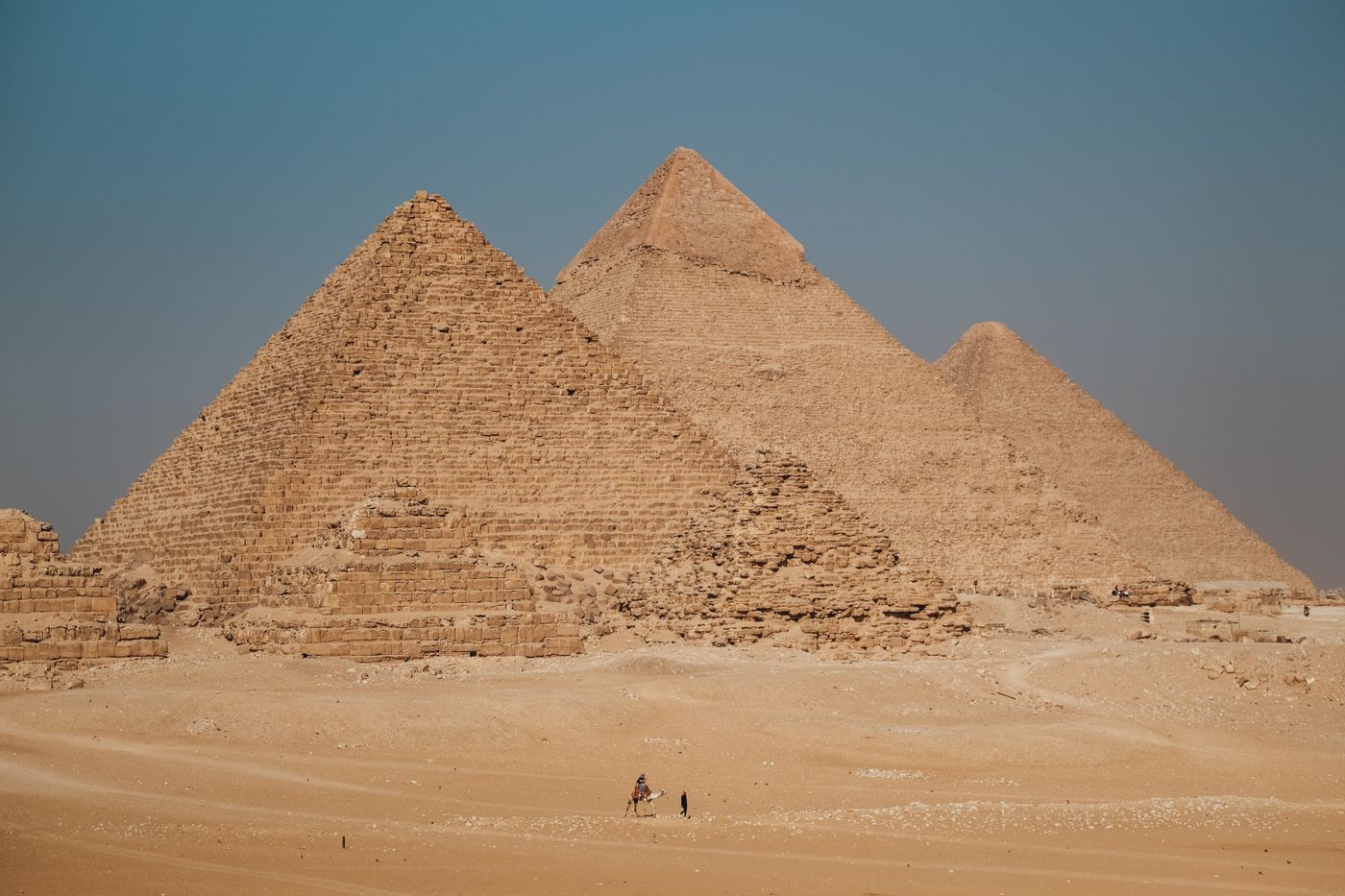
North African travel operates on a Mediterranean-influenced calendar. October–April is the optimal window for Morocco (Marrakech, Atlas Mountains, Sahara Desert camps): temperatures pleasant (15–22°C), Sahara camps bearable, mountain trekking conditions excellent. June–August: Marrakech reaches 38–42°C; the medina is genuinely oppressive midday and the Sahara is dangerous for inexperienced travellers. Egypt's pyramid and temple circuit: October–March is optimal (25–30°C, low humidity). June–August: Luxor temperatures exceed 42°C — temple visits begin before 7am or are genuinely punishing. Tunisia's Mediterranean coast is pleasant April–October, peaking in June–September for beach tourism.
The Shoulder Season Strategy — The Best-Kept Secret in Safari Planning
The months of May and November represent two of the most undervalued safari windows in East Africa. Here is the case for each:
May in East Africa: Yes, the tail end of long rains. But by mid-to-late May, rainfall is typically reducing and game viewing is already improving. The Mara and Serengeti ecosystems are spectacularly green — the golden savanna photographs you'll take are different from high-season shots but equally compelling. Predators are active and concentrated. Lodges that remain open (not all do — confirm before booking) offer 30–50% price reductions. You might have a Mara camp entirely to yourself. The risk is mud and possible flight delays to remote camps. The reward is the same wildlife at dramatically lower cost with full wilderness solitude.
November in East Africa: Short rains, typically less severe than April–May and often falling in afternoon showers rather than all-day downpours. Morning game drives in clear air followed by dramatic afternoon storm clouds — the photography light is extraordinary. Animals remain concentrated before the vegetation fully regenerates. Prices are 20–35% below peak August. The wildebeest are absent (they've returned to Tanzania) but the Mara's resident wildlife — lions, leopard, cheetah, elephant — is fully present and less disturbed than in peak season. November is an outstanding month for the Mara that almost no one books.
School Holiday Price Spikes — What Parents Need to Know
Safari lodge pricing is not seasonal in the simple sense — it responds to demand, and demand spikes in lockstep with UK, European and US school holiday calendars. The practical impact:
- UK summer (mid-July to late August): The highest-priced window of the year, coinciding with Great Migration peak. Budget 30–50% premium over shoulder season rates at the same lodges
- Christmas and New Year (Dec 22–Jan 3): Fixed-date surcharges of 20–40% at most lodges, regardless of whether the game viewing is exceptional. The wildlife does not know it is Christmas
- UK half-terms (October, February): October half-term has become increasingly popular for families; expect 15–25% premium and reduced availability at family-friendly lodges
- Easter: Variable impact; March–April Easter falls during East Africa's long rains, which naturally suppresses demand. A late-April Easter (not during rain peak) carries a 10–20% premium
Value Season — Same Wildlife, 30–40% Less Cost
The safari industry's "value season" designation is applied to periods of genuinely good conditions with lower demand — not the rainy-season closures or truly difficult periods. In East Africa, the best value seasons are: January–February (dry, excellent game, excellent photographic light, lower prices than July–August); October (late migration, thinning crowds, softening prices); November (shoulder, green season beginning, 20–35% off peak). In Southern Africa: June is increasingly popular and now commands near-peak prices; the true value window is late November–December before Christmas, when the green season begins and prices drop 25–35% from May–October peak while game remains good before vegetation becomes dense.
Month-by-Month Quick Reference
January: Excellent East Africa (calving begins, fewer tourists). Good Southern Africa (green, birding). Rwanda/Uganda gorilla trekking good. Morocco/Egypt optimal.
February: Best value month in East Africa. Southern Africa lush. Gorilla trekking good.
March: East Africa long rains beginning. Gorilla trekking in wet conditions. Morocco best time ending.
April: Avoid East Africa (heavy rain). Southern Africa green season ending. Rwanda mourning month — be culturally aware.
May: Shoulder/value in East Africa (improving, lodges quiet). Southern Africa dry season beginning — excellent. Gorilla trekking shoulder (wet but available).
June: Early migration arriving in Masai Mara — excellent, less crowded. Southern Africa dry season excellent. Gorilla trekking peak season begins.
July: Peak East Africa (Great Migration, highest prices). Southern Africa prime dry season. Gorilla trekking peak — book 9–12 months ahead.
August: Peak East Africa (river crossings). Botswana delta at its best. Gorilla trekking peak. Highest prices continent-wide.
September: Excellent East Africa (migration continuing). Southern Africa prime dry season ending. Gorilla trekking peak — prices beginning to soften slightly.
October: Value migration month in Kenya (crossings still happening, prices dropping, crowds thinning). Southern Africa transitioning to green. Gorilla trekking good, UK half-term premium at some lodges.
November: Underrated East Africa (green, beautiful, quieter). Southern Africa green season beginning — good prices, good wildlife. Gorilla trekking possible, wet.
December: Christmas/New Year premium. East Africa pre-calving in Tanzania south. Southern Africa green and birding excellent. Gorilla trekking peak months beginning.
Practical Tips for Timing Your Safari
- Book your preferred lodge first, then build the itinerary around its availability — the best properties fill far ahead of schedule; securing accommodation is more important than optimising every other detail
- Charter flight schedules matter as much as lodge availability — confirm that scheduled charters operate to your chosen camp on your travel dates before finalising
- Travel insurance for weather delays is not optional — April–May East Africa and November–April Southern Africa both carry meaningful risk of charter flight delays due to weather
- Moonphase for night drives — a full moon dramatically improves night game drive visibility; plan conservancy stays around moonphase if night drives are a priority
The Honest Verdict — When to Go
If budget is the primary constraint: January–February in East Africa, or June in Kenya (before peak prices), or November with flexible flight booking. If maximum wildlife density is the priority: August in Kenya's Masai Mara (Great Migration crossings), July in Botswana (dry season waterhole concentration), September–October in Zambia's South Luangwa. If you have school-age children and no flexibility: July–August in East Africa or May–October in Southern Africa — accept the premium and book 12 months ahead. Find the right Africa safari for your target travel dates with verified availability. Whatever month you choose, the wildlife will be extraordinary. Africa rewards every traveller who makes the effort to go.