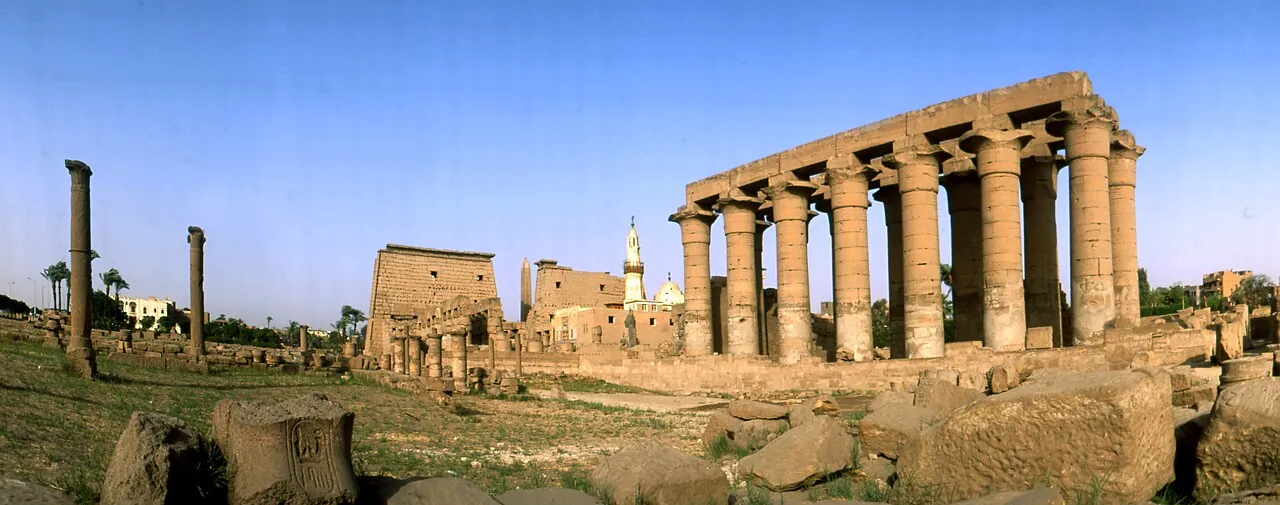

Choose your nights around Cairo and Luxor, not just the room photos. This is the Egypt accommodation decision that matters.
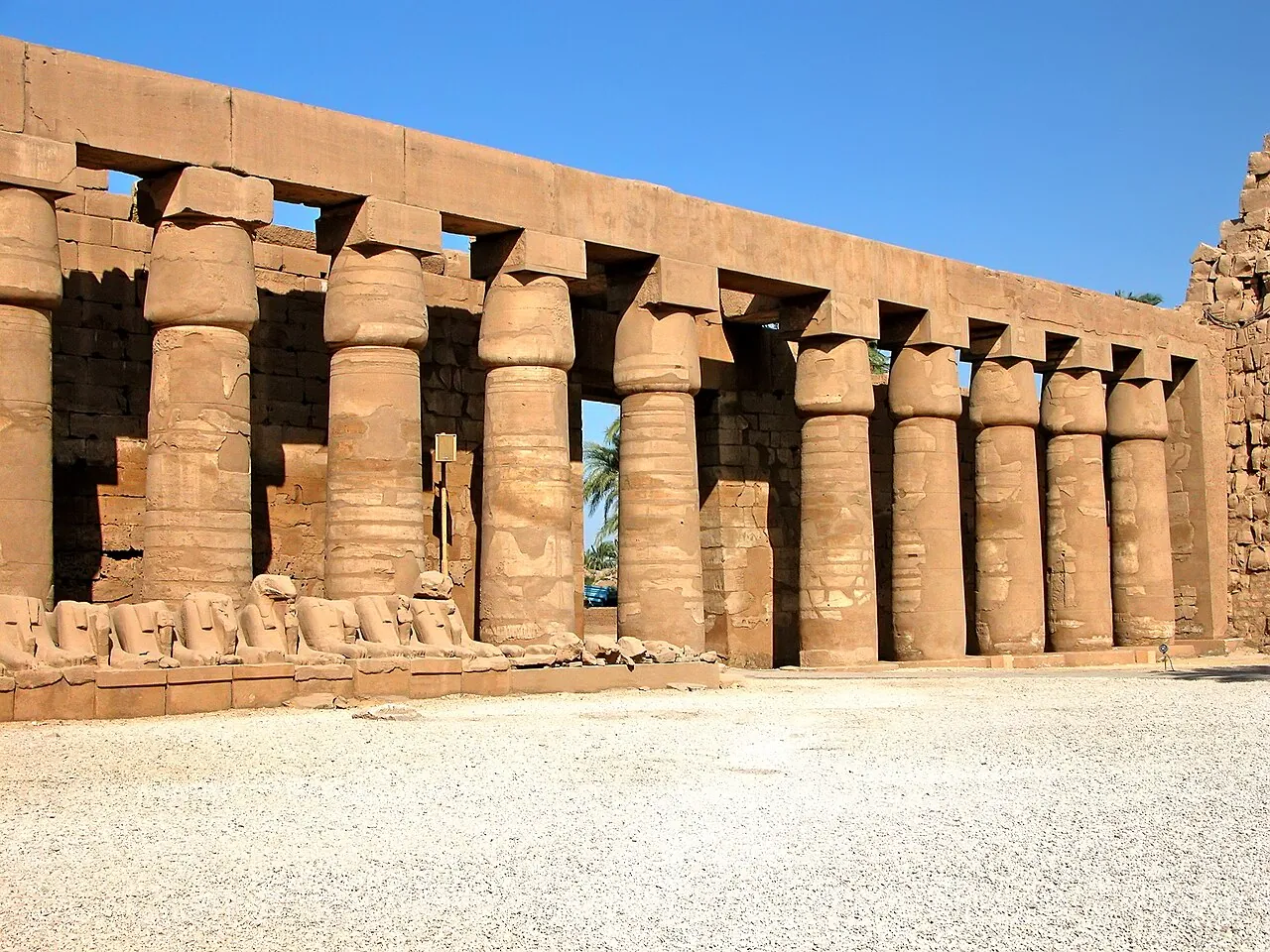
Six bases to compare first
- Cairo & Giza: First-trip anchor; choose it when the surrounding region matters as much as the room.
- Luxor: Strong second base; choose it when the surrounding region matters as much as the room.
- Aswan: Regional contrast; choose it when the surrounding region matters as much as the room.
- Abu Simbel: Nature / culture leg; choose it when the surrounding region matters as much as the room.
- Alexandria: First-trip anchor; choose it when the surrounding region matters as much as the room.
- Hurghada: Strong second base; choose it when the surrounding region matters as much as the room.
Base logic beats hotel-list logic
Cairo is the primary gateway; domestic flights, Nile rail corridors, cruise/road transfers and Red Sea airports create distinct travel systems that should not be compressed into one route. Start with the station, road, ferry or airport connections you actually need, then choose the neighbourhood or property inside that base.
One base or several?
- 7 days: Cairo/Giza plus Luxor, or a focused Cairo–Luxor–Aswan Nile route
- 10 days: Complete the Nile spine and add one Red Sea base only with a clean flight/transfer
- 14 days: Add Alexandria or a distinct Red Sea/Sinai block without turning every day into an airport or coach transfer
When to pay more
Paying more can be rational when it removes a car day, a cross-city transfer or an early-morning repositioning. Paying more for a famous postcode that sends you backwards every day is usually the worse trade.
Who should avoid constant hotel changes?
Families, travellers with substantial luggage and anyone using a rail-heavy route usually gain more from two strong bases than from a chain of one-night stays.