
Choose a coherent route
Greece itineraries that respect geography
The best Greek holiday is not the one with the largest number of islands. Greece includes a vast mainland, island groups served by different routes, and places whose transport depends on season and weather. Athens, the Cyclades and the Peloponnese can each justify a full trip. When a week-long itinerary includes Santorini, Mykonos, Crete, an Ionian island and Athens, it may be efficient on a map but waste the traveller's best hours in queues, transfers and unpacking. These three routes make distinct promises: seven days provide Athens and one generous island stay; ten days allow two neighbouring Cycladic islands; fourteen days support a mainland road trip through the historic south. They are choices, not segments you should concatenate.
Every route finishes close to the international departure gateway instead of betting an onward flight on an island connection. Every transfer is treated as part of the day rather than a negligible footnote. The factual geography below comes from Greece's official tourism organisation, with ticketing rules and safety cautions checked against official cultural and UK government information on 12 October 2026. Exact ferry sailings, hotel costs and attraction hours are intentionally not invented. Match these suggestions to your own dates, the abilities of your group and the prevailing conditions.
How the days and nights work
The seven-day route uses six hotel nights: two in Athens, three in Naxos and one final night in Athens. The ten-day route uses nine nights: two in Athens, three on Naxos, three on Paros and one in Athens. The fourteen-day route described later uses thirteen nights across a manageable sequence of mainland bases. A day is a calendar day including arrival or departure. If your flight arrives after dinner, you do not gain a sightseeing day by writing three attractions into the schedule. If your outbound flight leaves very early, that day may be only the journey to the airport.
This matters because the true cost of a ferry is not only the time at sea. Travellers must reach a particular port and boarding gate, arrive early enough for the operator's procedures, embark, disembark and then reach their hotel. Cars also require collection, familiarisation and parking. For a first visit, allow one substantial activity on a normal day and at most one nearby optional stop. On a transfer day, a harbour walk and dinner can be entirely sufficient. A restful hour at a café is a worthwhile part of a holiday, not a gap that demands another museum.
Seven days in Athens and Naxos
Seven days at a glance: Athens and Naxos
This is the strongest first-timer route when you want antiquities and a proper Cycladic stay without island-hopping fatigue. Naxos is the largest Cycladic island, offering a historic harbour town, beaches, fertile inland valleys and villages with a different rhythm from the seafront. It is a meaningful island in its own right, not a mere consolation prize for skipping more famous names. Book Athens first and last, then choose a confirmed flight or ferry to Naxos for the middle section. The transport route must exist for the precise dates of your stay.
If you are travelling outside the reliable seasonal sailing pattern, or simply dislike a ferry-dependent journey, take the seven days to explore Athens and the nearby Argolid instead. Nafplio provides a walkable historic base with connections to Mycenae and Epidaurus, while Athens remains a strong cultural destination in its own right. The best itinerary is the one that works in your month, not the one that generated the most colourful online pictures.
Day 1: arrival in Athens
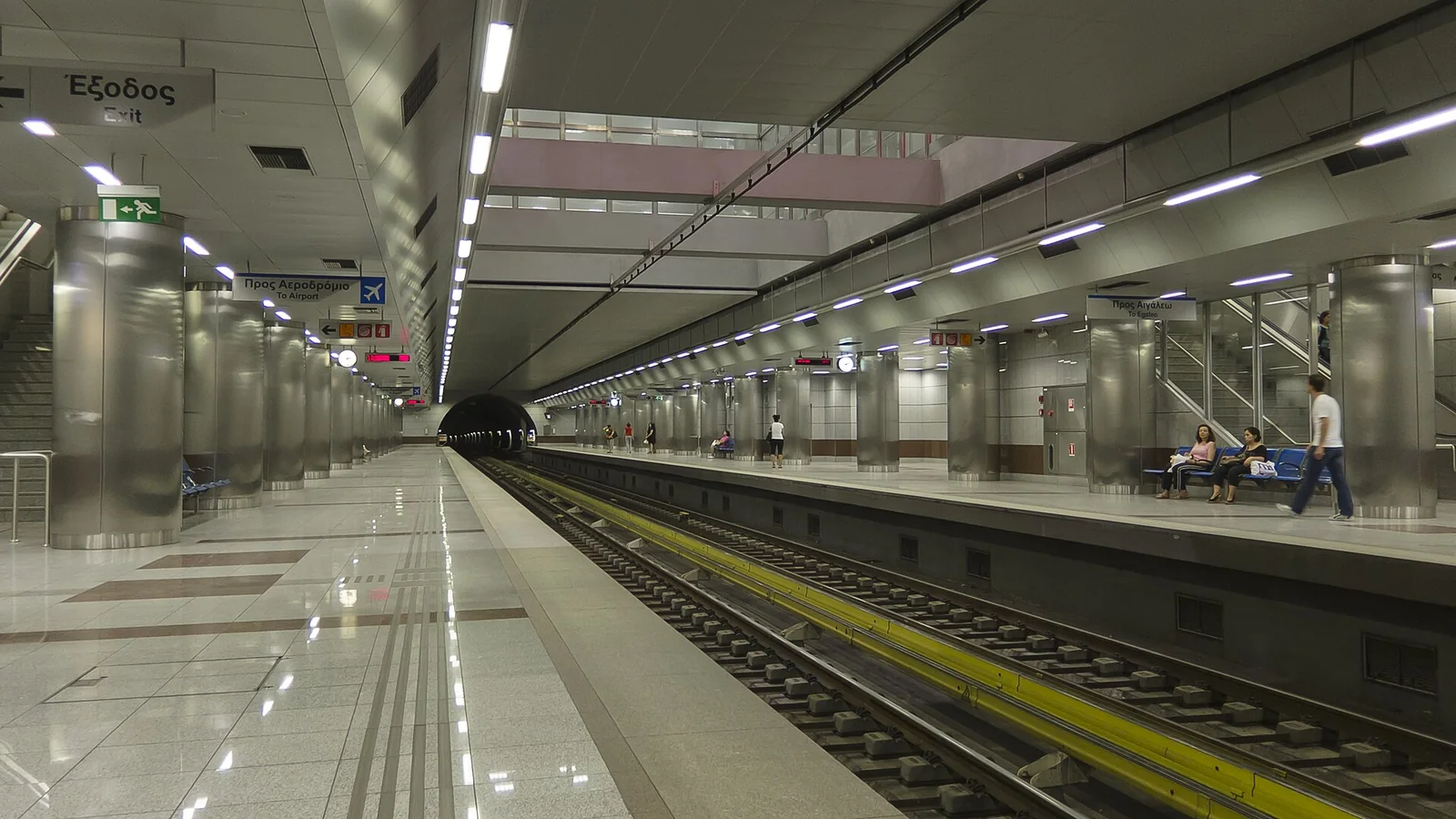
Arrive and establish one Athens base for two nights. Select accommodation with useful transport access, an appropriate level of noise and a route back that feels comfortable at night. The city does not become more rewarding because you sprint to the Acropolis immediately after a long flight. A neighbourhood walk around the historic centre or an informal dinner is an excellent first evening. If your arrival is late, eat close to the hotel and rest. Keep identification secure, look after bags on busy transport and understand how to get from the airport to your accommodation before landing.
If you arrive early, spend time on orientation: find the nearest metro station, understand where the next day's entrance is, and check how you would reach Piraeus if travelling by sea. Athens is a living city rather than an archaeological theme park. Notice the cafés, streets, everyday markets and local routines rather than building your first impression entirely around one monument. Travellers arriving from the USA may need a more generous recovery day than those taking a short flight from the UK; allow your energy level to dictate how much you do.
Day 2: Acropolis and a city beyond the postcard
Visit the Acropolis using the Greek government's current archaeological e-ticket service, selecting the permitted entry time for the date. Plan for uneven and sometimes slippery stone, heat, exposure and queues. In hot weather an earlier slot can be more comfortable, but do not promise a particular temperature or assume the site is open without restrictions. Choose one supporting cultural stop—perhaps the Acropolis Museum or the Ancient Agora—and leave time to understand it rather than rushing through a dozen locations. Confirm accessibility through the official site if stairs or slopes are a concern.
The afternoon can be devoted to a modern neighbourhood, a second museum or simply an unhurried lunch. Respect any site-specific photography restrictions and do not climb walls or unsafe ruins to reproduce an online photo. Ask whether a ticket actually covers the archaeological areas you want; a product labelled 'Athens highlights' does not necessarily grant every entrance. For a food-focused evening, choose a place based on current menu, location and actual reservation availability. You are building context for the rest of Greece rather than treating Athens as an airport stop.
Day 3: travel to Naxos and learn Hora
Take a date-confirmed ferry or domestic flight to Naxos. Piraeus is an important departure port, but departure terminals and schedules vary by operator; check the actual boarding instructions. A domestic flight trades time at sea for the airport journey and security process, so compare the complete door-to-door day. Leave any later excursion optional. Once you arrive, check into a single Naxos base, ideally convenient to the harbour or your chosen transport, and walk through Hora. Its Venetian-era castle quarter and the waterfront provide an introduction to the island's layered history.
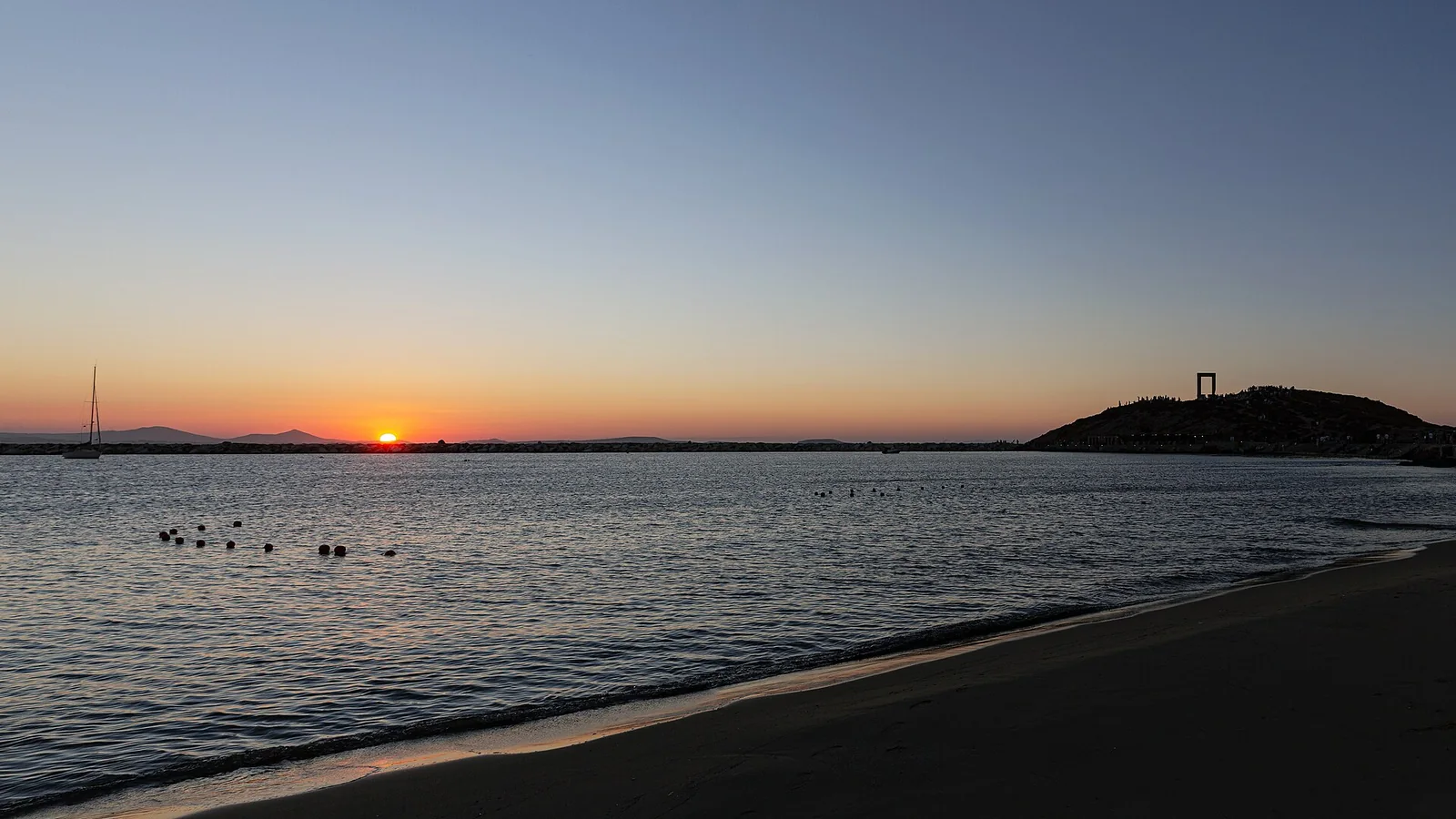
The Portara is particularly atmospheric toward evening, but the exposed coastal setting makes footing and weather relevant. Do not treat the famous doorway as an invitation to climb fragile structures or approach dangerous edges. Find somewhere to eat without tying the evening to a hard booking immediately after your transfer. The aim is to feel you have arrived rather than already being behind schedule. If the crossing is cancelled or delayed, contact the carrier and accommodation and adjust the plan; no historic sightseeing slot is worth ignoring a safety warning.
Day 4: one Naxos beach, not every beach
Naxos's western coast has different kinds of beach: Agios Georgios is convenient to town, while Agios Prokopios, Agia Anna and Plaka appeal to travellers who want longer stretches of sand. Local buses, taxis or a responsibly driven rental vehicle may serve your chosen area, but confirm the actual route and seasonal service. Select a beach based on wind, swimming ability, access and what the group wants. A shallow-looking bay is not a promise of safe conditions. Heed local advice, sea conditions, flags and warnings; children must be supervised around water.
Use the afternoon as breathing space. A long lunch or return to Hora is often more rewarding than adding another distant attraction. If the wind is strong, replace the beach with a town museum, a café or an easier sheltered activity. Naxos also supports active watersports in particular areas, but those activities should be booked through providers able to explain safety equipment, weather cancellation and instruction. A beach day is successful if you enjoy one place properly and arrive back feeling refreshed.
Day 5: villages and the agricultural island
The island's interior reveals a different Naxos. Halki, Filoti and Apeiranthos represent varied mountain and village settings beyond the tourism strip, with marble-paved lanes, village squares and food traditions. Pick one or two places instead of an endless loop that leaves no time to stop. If renting a vehicle, verify the licence and insurance requirements, parking and road conditions; driving in a narrow village should not be treated like cruising a motorway. An arranged driver or guided outing may make more sense for a mixed-ability group.
Naxian cheeses and agricultural produce help explain why the island is not simply a beach resort. Explore where food comes from and let an actual local menu guide your meal instead of repeating invented signature dishes and prices. Walkers can choose a documented route suited to their fitness, weather and navigation skills; do not attempt a demanding summit because its name appeared in a listicle. If you prefer a gentle day, stay longer in one village before returning to the coast. That deliberate contrast between coast and interior is why three nights here are worth making room for.
Day 6: return to Athens for the final night
Return by confirmed ferry or flight and sleep in Athens. The extra mainland night protects the international flight from a missed island connection and provides a cushion if wind or industrial action affects your travel. Do not book the most important non-refundable evening experience for the exact time your boat is due to dock. Instead, keep a familiar neighbourhood or simple dinner as a flexible reward if transport goes smoothly. Travellers using separate tickets should be particularly cautious, since a missed onward flight may not be protected by the first carrier.
A final evening in Athens is not an admission that you planned badly. It recognises the geographical reality of Greece and makes packing, accommodation and departure easier. You can enjoy a museum missed earlier if the schedule permits, but there is no reason to rush. Protect the flight home before protecting an optional last sunset. Later, you may return to discover Crete, the Ionian islands or the north; a first visit does not have to cover every region.
Day 7: departure
Check out and make the airport journey with sufficient time for current airline procedures, transport conditions and border formalities. The exact margin depends on flight, baggage and transfer; use your airline and operator, not an old travel article, for requirements. A leisurely breakfast is possible on some schedules, while an early departure means leaving directly. Seven days have still given you two different lenses on Greece: a capital shaped by ancient and modern stories, and a Cycladic island with both coastal and inland life. That is a complete trip rather than a failed attempt at a longer one.
Ten days across the Cyclades
Ten days: a carefully connected Cycladic pair
With ten days, you can spend two nights in Athens, three on Naxos, three on Paros and one final night back in Athens. The additional island is meaningful because the two share the geography of the central Cyclades, not because all Greek islands are seamlessly connected. This route is strongest when an operator actually serves Naxos–Paros on your dates and there is a viable return to Athens. Before booking either island's non-refundable accommodation, check the ferry route for that exact week and the location of the port. You are buying a journey with several moving parts, not a guaranteed daily shuttle.
There is also a good reason not to add a third island. Each extra stop consumes a morning or afternoon in transport and makes the trip more sensitive to sea conditions. Paros offers its own character through Parikia, Naoussa and the inland village of Lefkes, while Naxos provides broader interior landscapes and long beaches. Two contrasting islands make a more coherent story than a rotating sequence of hotel check-ins. If the group prefers quiet evenings, base yourself away from the busiest dining strip; if you value easy transfers, prioritise proximity to the port. Both decisions are more important than following a single fashionable hotel recommendation.
Days 1 and 2: Athens with cultural depth
Use the same measured opening as the seven-day route: a realistic arrival day followed by an Acropolis-led exploration. With a longer overall trip, there is no need to exhaust the city's entire museum collection before leaving. Choose one museum for context and one walk through a neighbourhood that interests you. The Ancient Agora, the archaeological landscape around the Acropolis and the city's later history invite separate visits rather than being bundled into a two-hour photograph sprint. Enter cultural sites at their official permitted time and check for heat-related or other temporary restrictions.
Athens is also where you can prepare the next leg. Check whether you depart from Piraeus, which ferry gate applies and when your luggage must be ready. Keep the next morning's route practical; if travelling with children, one person with mobility needs or several bags, a hotel with a clear connection to the port may be worth more than a striking rooftop photograph. When a dining venue advertises a fixed 'traditional' menu, compare real ingredients, allergy requirements and cost rather than accepting a travel writer's unverifiable verdict. The city should feel lived in, not consumed from a checklist.
Days 3 to 5: Naxos as your first island
On day three, transfer to Naxos and spend the rest of the day in Hora. The evening view around the harbour and Portara creates an immediate sense of the island, but it is not an appointment that requires a specific sunset time. Day four is for the coast: perhaps Agios Georgios or a southern beach appropriate to the weather, with lunch and space for rest. Day five moves inland toward one or two villages, where agriculture, food traditions and the island's mountain landscape offer a different experience. Keeping one hotel for three nights allows both active and relaxed travellers to settle into a rhythm.
Be cautious with self-driving assumptions. Renting a car can help reach rural places, but it is not necessary for everyone, and licence, insurance and road confidence need checking first. Seasonal buses and taxis may suffice for a focused plan. If the weather is poor for water activities, trade the coastal day for a village visit or an indoor activity; do not buy an inflexible sequence of experiences in advance. Naxos is large enough that a selective itinerary provides variety. A full-day circuit claiming to cover every settlement usually leaves less time for conversation, food and unhurried discovery.
Day 6: Naxos to Paros, with no same-day island race
Take a confirmed ferry to Paros and check where it lands, typically at the Parikia side of the island for many services. Verify the exact pier, ticket terms and luggage arrangements. A crossing that appears short on a route map still involves transfers to and from each harbour and the effort of checking into accommodation. Give the day a modest ambition: an exploration of Parikia and a relaxed dinner, or a transfer to Naoussa with a stroll around its waterfront. Do not add Antiparos on top of a transfer merely to say you visited three islands.
Paros has different possible bases. Parikia is useful for arrivals and onward sailing. Naoussa is attractive for village atmosphere, evening dining and harbour views, but a traveller leaving early the next morning must factor in the journey back across the island. Lefkes is quieter and inland, which makes it an interesting excursion rather than the most obvious port-side overnight choice. If a hotel listing claims to be near 'the centre', inspect the actual map; steep lanes, bus stops and distance from a ferry terminal can matter as much as a room's design.
Day 7: Paros villages and the island's marble history
Dedicate the day to one or two village experiences. Lefkes sits amid hills with narrow lanes and views that reward slow exploration, while Parikia and Naoussa reveal different sides of Parian maritime and cultural life. Greece's official tourism website discusses the island's significant marble heritage, visible in historic architecture and sculpture traditions. A visit should connect that material to the place rather than reducing a village to a row of whitewashed façades. Look for an actual local craft, an open church or a café with time to sit rather than a coach-style circuit of every village on the map.
If using local transport, verify routes and return departures for your day of the week. If driving, park considerately and walk into the historic streets. Uneven paving, steps and heat can be tiring, so let the slowest member of your group influence the plan. This is a day for learning the interior without setting arbitrary distances. A traveller who wants an afternoon swim can still fit one in near the base, but do not overcommit to both a demanding excursion and a distant restaurant reservation.
Day 8: an island day with genuine freedom
Keep one full Paros day flexible. For some travellers this will mean a coastal swim at a location appropriate to the prevailing conditions. For others, a small hike, a visit to a second village or an optional boat journey to Antiparos is more appealing. Antiparos is a separate trip with its own connections, and the ability to travel there depends on current services and your willingness to devote part of the day to another ferry. Check departure and return information before setting off, especially outside summer.
Wind matters in the Cyclades, including for watersports and swimming. A photogenic beach is not necessarily sheltered or suitable for children. Avoid promising calm water, and follow lifeguard guidance or local restrictions where present. If a provider sells a kayaking, boat or windsurfing experience, establish what safety support, equipment and cancellation rights apply. Spending the afternoon close to your accommodation can be a sensible decision when conditions are unfavourable. The value of ten days lies in leaving enough freedom to respond to Greece as it actually is.
Day 9: Paros to Athens, then a final city night
Leave Paros for Athens on a confirmed connection, and protect the final night on the mainland. A same-day island-to-international-flight plan may work when everything runs perfectly, but ferries can be affected by strong winds, strikes, technical problems or port delays. An international flight purchased separately from the domestic journey may leave you personally responsible for the cost of a missed connection. A buffer night is a pragmatic recommendation for UK and US visitors with long onward travel.
Once settled, return to a favourite Athens neighbourhood for a final meal or visit a modest museum if the schedule allows. Treat the evening as a bonus, not a booking that could turn a delayed ferry into a financial loss. Keep digital and offline copies of essential travel documents, check your next day's transport and arrange luggage so an early departure is straightforward. This small planning habit has more impact on the final memory of the trip than one additional rushed excursion.
Day 10: departure and what the route has achieved
Travel to the airport according to the current schedule and airline requirements. In ten days you have seen Athens, a large island where interior and coast share the stage, and a second island with villages and lively harbour culture. You have not been to every iconic Greek island—and that is precisely why the trip is workable. If you have a little more time, add a night to an existing base rather than automatically finding a fourth destination. Visitors especially drawn to ancient history could instead devote a separate future trip to the mainland, which has equally compelling places beyond the ferry network.
Fourteen days in the Peloponnese
Fourteen days: a mainland Peloponnese journey, not forced island-hopping
A two-week trip provides enough space to enjoy a different Greece: one of fortified towns, ancient theatres, working villages, hills and coves. This proposed route is best for travellers comfortable renting a car and driving on a mix of modern highways and narrow rural roads. It uses thirteen hotel nights: two in Athens, three around Nafplio, two near Monemvasia, three on the Mani peninsula, one near Ancient Olympia and two back in Athens. An itinerary like this cannot be sold honestly as effortless. There are driving days, and some transitions across the Peloponnese will take a substantial part of the day. Verify road conditions, licence requirements, parking and the actual route for your travel dates, and cut a region if the distances feel too ambitious.
Why choose this over several islands? It avoids dependence on ferry schedules and explores some of Greece's most significant archaeological and architectural landscapes. The Argolid connects a historic port with Mycenae and Epidaurus. Monemvasia's medieval settlement occupies a rock reached by a narrow causeway. Mani is characterised by its stone-built villages and rugged coastline. Ancient Olympia lies in the western Peloponnese. These are not interchangeable day trips from Athens, and you should not attempt them as one enormous loop without nights along the way. The route is a framework for curious travellers, not a promise of easy driving times or guaranteed opening hours.
Days 1–2: Athens before picking up the car
Spend the first two nights in Athens as described in the shorter routes, visiting the Acropolis and one other site or museum at a comfortable pace. Do not rent a car immediately if most of your time is in the city: you may pay for parking while adding traffic pressure and complicated navigation to a walkable cultural stay. Instead, arrange to collect the vehicle when you are ready to leave for the Peloponnese. Confirm the collection location, fuel policy, any one-way charges, roadside assistance and which credit-card requirements apply. Some travellers may prefer an organised mainland tour or a shorter public-transport trip rather than driving themselves.
Take the opportunity to understand Greek travel conditions: the FCDO warns of strikes, summer wildfires, changing weather and occasional demonstrations, among other risks. Avoid protest areas and follow local instructions. Keep water and sun protection on archaeological days, and check official ticketing for any timed entry or seasonal closures. The goal is to begin the road trip rested, not after two days of frantic sightseeing.
Day 3: Athens to Nafplio, first Argolid night
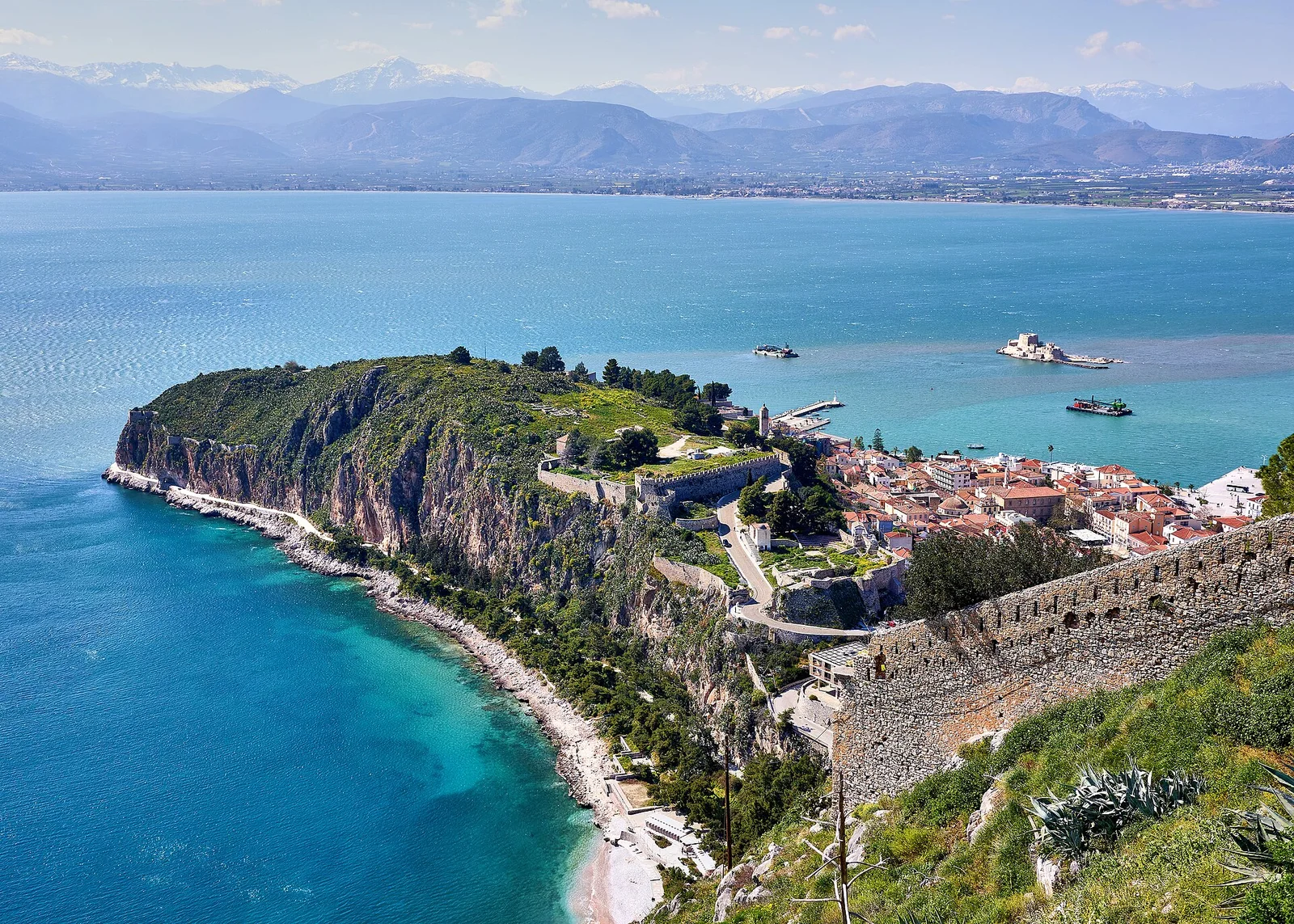
Collect your car and travel to Nafplio with a realistic margin for leaving Athens, rest stops and finding accommodation parking. Do not set a rigid arrival minute from a mapping app without considering traffic. Nafplio was an early capital of modern Greece and its old town reveals Venetian and later architectural layers. Spend the afternoon exploring pedestrian lanes and the waterfront. The fortress of Palamidi above the town is a strong visual landmark, but its steps and exposure should be assessed before adding a climb after a drive.
Nafplio is an excellent base because you can spend evenings walking rather than moving hotels every day. Choose accommodation by parking arrangements, ease of access and your interest in being within the historic streets or slightly outside them. At dinner, resist the idea that every visitor must eat at the same supposedly authentic restaurant; menus, opening days and prices change. A town is best discovered by staying overnight, when the busier daytime rhythms soften and you can explore without immediately returning to the motorway.
Day 4: Mycenae with enough archaeological context
Take a focused excursion to Mycenae, connecting the monumental Bronze Age archaeological landscape with the wider Argolid. The Lion Gate and surviving structures make more sense when you read about the site's history or visit the associated museum rather than photographing one stone feature and immediately leaving. Use the official cultural authority for current admission, ticket conditions and opening times. The site has exposed surfaces, limited shade and uneven terrain. In hot months, start earlier where possible, carry sufficient water and avoid treating the midday sun as a harmless inconvenience.
Return to Nafplio for a slower afternoon, perhaps in the historic town or along a manageable waterfront route. Another nearby site may be tempting, but the best cultural visit offers time for interpretation. Travelling with children or mixed ages, plan a meaningful break and avoid moving straight from a hot archaeological site to a second climb. The Argolid deserves attention beyond a sequence of ruins, and Nafplio itself provides a useful contrast to the ancient landscapes.
Day 5: Epidaurus and the landscape between sites
Visit the ancient theatre and sanctuary landscape at Epidaurus if official opening conditions and your group's access needs permit. The theatre is an extraordinary example of Greek architectural and performance heritage, but it should not be reduced to a gimmick about dropping a coin. Respect staff instructions, restricted areas and any ongoing events. The journey through the Argolid also allows time to appreciate agricultural and coastal scenery that does not make it onto a standard sightseeing checklist. Confirm the actual route and return, and leave room for a lunch stop rather than aiming to collect multiple UNESCO sites in one hurried afternoon.
If you prefer an easier day, spend more time in Nafplio and use its cafés, museums or waterside routes. A road-trip schedule should include choices: archaeological intensity is not a moral obligation. Families with younger children might get more value from a short site visit and a less demanding afternoon. Before you leave, check accommodation details for the next leg; rural access instructions can be more complicated than simply typing a town name into a satnav.
Day 6: Nafplio to Monemvasia, travel and arrival
Drive south toward Monemvasia, allowing for road conditions and a stop. The old Byzantine castle town occupies a steep-sided rock connected to the mainland by a causeway. Many accommodations in and around the old settlement have specific baggage and vehicle arrangements; do not assume you can park at the front door of a medieval guesthouse. Check whether your stay is inside the old walls or in the modern settlement opposite. The walk from a parking point can include cobbles, steps and uneven surfaces, especially with suitcases.
Use the remainder of the day to learn the spatial shape of the place. The Lower Town's stone lanes, arches and churches reward unhurried exploration, while the Upper Town is a different, more demanding outing. The historic atmosphere here is strongest when you allow time to stay rather than treating Monemvasia as a quick stop between two long drives. Avoid claims that an entire site is universally accessible, and plan around the actual abilities of the people travelling with you.
Day 7: Monemvasia at a humane pace
Stay in and around Monemvasia rather than leaving on another transfer. Explore the Lower Town, its churches and views of the sea, and decide whether an uphill route is appropriate in the day's heat or wind. If heading toward the Upper Town, consult local advice on terrain, access and whether any part is closed. Sturdy shoes are more useful than a carefully styled photograph; stone steps may be slippery. A history-minded traveller can spend time understanding Byzantine and later commercial influences rather than simply ticking off the castle.
The afternoon is ideal for a leisurely meal, a rest or a short outing nearby if you have energy. The modern settlement and surrounding coast are different experiences from the old fortified town; neither should be called inferior simply because it lacks a castle wall. If you're interested in a swim, choose a suitable location for prevailing conditions and heed local safety advice. Do not assume that all rocky shores offer safe access or that sea conditions remain calm because the sky is blue.
Days 8–10: Mani, stone villages and coastal choices
Travel west into Mani, choosing a base that suits your planned excursions and willingness to drive on rural roads. Mani's stone tower houses, settlements and austere landscape create a striking contrast to the islands often used to illustrate Greece. Decide whether your trip is chiefly about architecture and villages, a sheltered coastal experience or hiking. Trying to do all three every day leads to too much driving. Stay three nights in one base so you can make short, deliberate outings rather than packing the car at dawn. Confirm the accommodation's access and parking; narrow village streets can be unsuitable for large vehicles.
One day can focus on walking through a selected village and learning about the local building traditions, with a coastal stop if it naturally fits the journey. Another can be devoted to the shore, perhaps a boat trip only when a reputable operator confirms suitable weather, safety equipment and actual departure. A third option is a modest documented walk chosen for your stamina and the season. In summer, heat and wildfire risk should influence activities: carry water, avoid ignition sources and comply with local restrictions. A demanding exposed trail should not be recommended as a casual extension of a café visit.
Mani is a region, not one attraction, and distances that look insignificant on a straight-line map may involve winding roads. If you are not a confident driver, reduce the scope, hire qualified transport or select a different mainland route. Night driving on unfamiliar rural roads can be tiring and less appealing than returning to your base before dark. Give yourself the freedom to skip a cove or tower house; the reward here lies in landscape, continuity and the experience of staying rather than collecting coordinates.
Day 11: cross the peninsula to the Olympia area
Move toward the western Peloponnese and the Olympia region. This is a substantial transfer rather than a full sightseeing day. Check the sensible road route and consider whether the chosen departure point in Mani makes the drive realistic for your group. Plan rest stops, fuel and a calm arrival. If this stage creates excessive fatigue, it is better to replace Olympia with an extra Mani or Nafplio night than to rush and drive dangerously. No destination is worth an exhausted evening behind the wheel.
Once you have reached accommodation, use the time to rest and prepare for the next morning's site visit. Check ticketing, museum hours and weather; do not assume that the ancient site and its museum operate identically every day. This plan favours an overnight near the archaeological landscape rather than combining a long south-to-west drive with an intensive afternoon of sightseeing. The hotel should make the next day's visit simple and allow a sensible drive onward.
Day 12: Ancient Olympia and return toward Athens
Visit Ancient Olympia in the morning when conditions and official opening permit, taking time to understand the sanctuary and ancient athletic traditions. The surviving stadium, temples and surrounding archaeological context explain more than a hurried photograph of the running track. The ancient Olympic Games grew out of religious and civic practices whose significance is easy to overlook without reading about the site. The museum may add useful interpretation, but check whether your ticket and available time cover it. Uneven surfaces, heat and exposed walking mean that a visit should be paced around the group.
Later, drive back toward Athens and check into a base suitable for the last two nights. This is still a transfer day, so do not promise an additional major city attraction after the road. Confirm rental-car return instructions, including fuel, damage inspection and possible after-hours policies. Travellers who prefer to keep the car until departure should consider the cost and inconvenience of parking in Athens. Returning the vehicle on arrival can be more relaxed if your remaining plans are urban.
Day 13: an Athens day left deliberately open
Spend your last full day in Athens in a way that complements what you have already experienced. After two weeks of road travel, a museum, a local food experience or simply time in a neighbourhood may be enough. If an archaeological site was closed during your arrival, this is an opportunity to try again after checking the current schedule. The city also offers a practical buffer if anything on the road trip has gone wrong. A final day without a long highway drive provides space to arrange luggage and enjoy dinner without checking out again the next morning.
Look over the travel highlights: a city, classical landscapes, a fortified medieval town, the rural character of Mani and the western sanctuary at Olympia. None of those places is dependent on a highly specific ferry timetable. Equally, none is a promise of permanent good weather or easy access. The strongest two-week road trip will feel personal because you chose fewer places carefully and allowed daily plans to change without sacrificing safety.
Dates, ferries and booking costs
Day 14: depart, with the road-trip buffer intact
Return home according to your flight and transport arrangements. If you are leaving at dawn, skip the notion of a final city attraction. Check airport routes, traffic and any strike notices ahead of time. A fourteen-day mainland trip should end with a comfortable departure, not another race across the peninsula. If your group dislikes self-driving, consider a shorter version based in Athens and Nafplio with organised excursions instead. A responsible guide offers a workable alternative rather than implying every traveller must rent a car to see the 'real Greece'.
When to travel and how season changes the route
Spring and autumn often allow more comfortable archaeological exploration than the hottest summer weeks, though weather is not guaranteed and shoulder-season island transport can differ from summer timetables. July and August attract high demand on familiar island routes, with more pressure on popular accommodation and exposed historic sites. Autumn can be rewarding for a mainland cultural trip; winter may suit Athens, Nafplio and other year-round settlements better than a complicated chain of resort-island connections. Choose the month before committing to the itinerary, and check the operator's actual schedule rather than assuming every tourist route runs daily.
Wildfire risk is especially important in the warmer months. The UK Foreign Office warns that Greece can experience dangerous wildfires between April and October, and that weather, demonstrations and transport strikes can affect travel. Register for appropriate local alerts, follow the Greek emergency service instructions and use 112 in an emergency. Never treat an outdated itinerary's description of an area as safer than current official warnings. Heat can also lead to temporary access restrictions at archaeological sites, and travellers should obey them rather than attempting to bypass them.
Budget: compare the complete route, not a mythical average
Greece does not have one reliable daily spending figure. A shoulder-season Athens trip using public transport differs radically from a peak-season island itinerary with multiple ferries, premium accommodation and car hire. Make four budget lines: international arrival and departure, intercity or inter-island transport, accommodation and local activities plus food. Add transport from the airport to the hotel, transfer between port and accommodation, baggage costs and any unavoidable parking. Only then compare a flight with a ferry or a central hotel with a remote one.
For every payable experience, review current provider terms. Archaeological entry may be timed or sold separately, boat fares may depend on vessel and season, and a rental car may require a deposit or insurance excess. Booking the lowest advertised headline price is not a saving if cancellation restrictions create avoidable risk. Preserve a contingency for one extra night or changed onward transport. Luxury means knowing what you are paying for and using time well, not purchasing every available upgrade.
Accommodation: choose bases to reduce friction
In Athens, focus on a walkable location with dependable onward connections and the comfort level your group actually needs. On Naxos, a harbour-side or well-connected Hora base simplifies arrival, while beaches and inland villages may require separate local transport. On Paros, Parikia makes pier transfers easier; Naoussa offers a different atmosphere but introduces a connection. In the Peloponnese, central Nafplio is useful for evenings on foot, whereas Monemvasia accommodation requires attention to the historic settlement's access, parking and luggage arrangements. Mani is a region, so a hotel described only as 'in Mani' does not explain the distance to your chosen excursion.
Accessible facilities must be confirmed with the specific property and vessel: lifts, steps, showers and distances from transport are not interchangeable. Families may place greater value on a nearby supermarket and a flexible room configuration than on an infinity pool. Couples may choose fewer bases and a longer meal over a different hotel every night. A thoughtful choice about where to sleep usually saves more holiday time than an optimistic list of supposed shortcuts.
Safety and realistic contingencies
Transport decisions that can make or break the holiday
Treat each ticket as a real contractual product. Check the full name of the operator, departure point, time, luggage rules, cancellation conditions and whether a transfer is protected. Piraeus is a major ferry gateway, but not every Greek island service starts there; Rafina and other ports also matter for some routes. Domestic flights can reduce sea travel on distant routes but require airport time and transfers. On the mainland, different regional KTEL bus operators serve different areas, and their schedules cannot be inferred from a single national train timetable.
If you want to combine a ferry and an international flight, consider a buffer night in Athens. If travelling by car, compare the actual regional route, driving experience and realistic arrival time; do not rely exclusively on straight-line distance. If winds disrupt services, ask the operator about alternatives rather than making risky independent crossings. Your itinerary should have a clear sequence of major decisions but leave nonessential activities flexible. Planning is valuable precisely because it gives you permission to adapt.
Health, safety and responsible travel
Watch for heat exhaustion, dehydration and sun exposure on long archaeological days. Choose footwear for uneven stone and carry enough water, especially with children. On coastal days, currents and wind vary: swim where suitable for your ability and pay attention to warnings or organised activity instructions. On the road, stay alert to narrow rural routes and do not continue long driving days when tired. For walks and mountain trails, use reliable navigation, inform someone of your route and consider local conditions before starting.
Respect sites and communities: avoid climbing ruins, entering closed archaeological areas or flying drones without checking the legal requirements. During wildfire risk periods do not light outdoor fires or discard cigarettes. Use licensed operators for boat excursions and choose businesses that explain environmental practices rather than relying on unsupported 'eco' labels. The emergency number in Greece is 112. For UK travellers, the FCDO advice is a useful continually updated reference; travellers of other nationalities should also consult their own government's entry and travel guidance.
Choose the itinerary that fits your available days
| Days | Route | Risk to budget for |
|---|---|---|
| 7 | Athens — Naxos — Athens | Return ferry buffer night |
| 10 | Athens — Naxos — Paros — Athens | Actual date-specific connecting ferries |
| 14 | Athens — Nafplio — Mani — Olympia | Road and site opening hours |
2026 itinerary final check: a useful travel day is not a free transfer
On a seven-day Athens and Naxos holiday, return to the mainland before an international flight rather than promising a same-day ferry-to-flight connection. Actual sailing schedules vary by season, operator, disruption and weather. Check both island-to-island and airport transfer times when booking the ten-day Naxos and Paros option. Official UK safety advice should inform any severe weather, wildfire or interruption contingency; book insurance and refundable options according to your risk.
The fourteen-day Peloponnese route is intentionally different: Athens, Nafplio, Monemvasia, Mani and Ancient Olympia have substantial road distances, so change bases only when justified by the sights and travel pace. Verify archaeological opening hours, concessions and date-specific tickets through Greece's official cultural ticket provider. A museum or monument pass is never evidence that a ferry or rural car transfer is included. For accessibility, replace difficult road legs with a smaller regional base rather than assuming each traveller can manage a strenuous multi-day circuit.
Continue researching your Greece holiday
Explore the Greece country guide, plan transfers with our transport guide, and compare a route or destination shortlist to avoid booking unnecessary connecting travel.
Make this guide mine to personalise dates, nights and the budget.