
The best places in Japan are not interchangeable. Match each stop to the trip you actually want and to the connections that make the route coherent.
Eight places and regions worth building around
- Tokyo: multiple city centres, food and the country’s largest transport hub — choose a station base around the next legs of the route
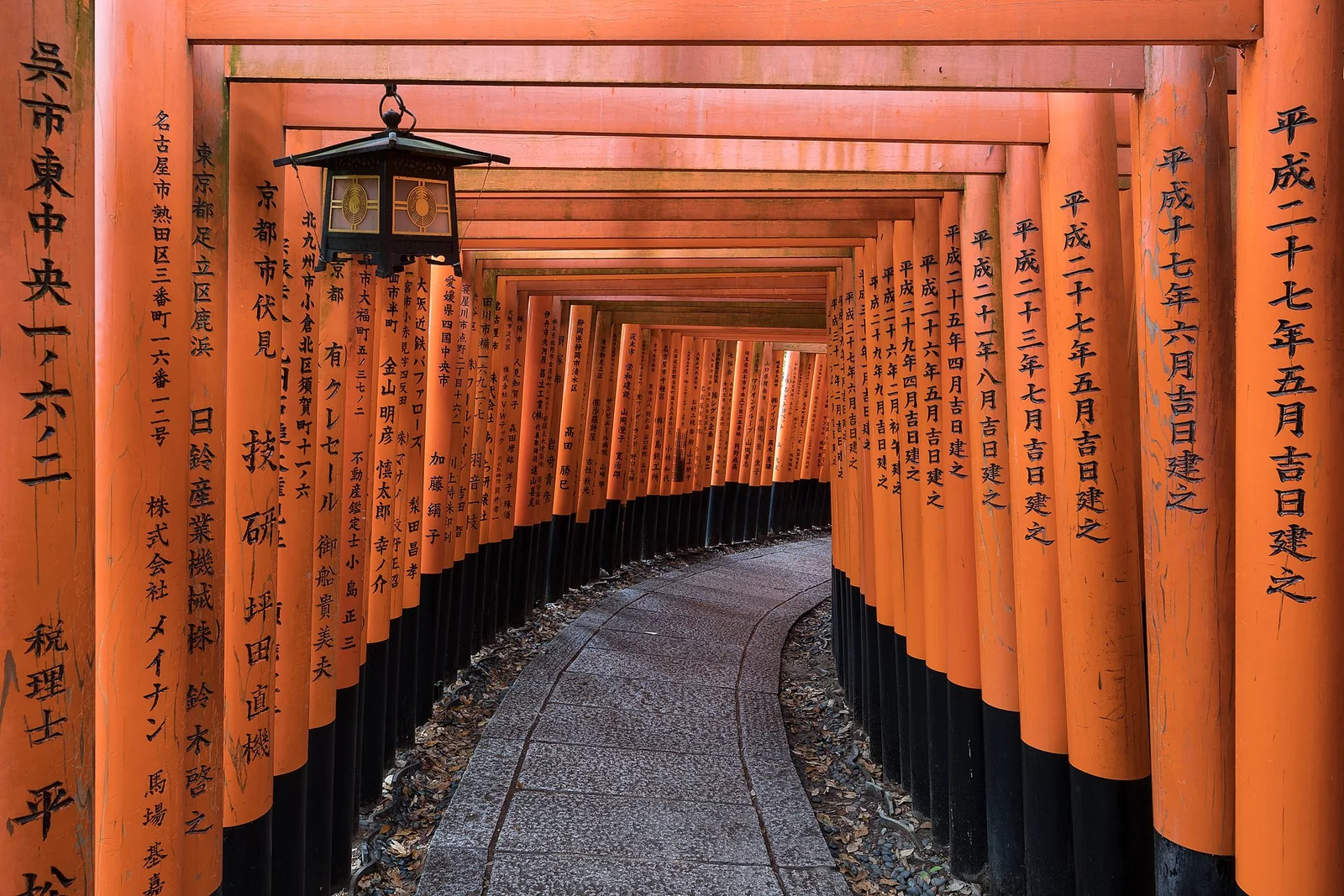
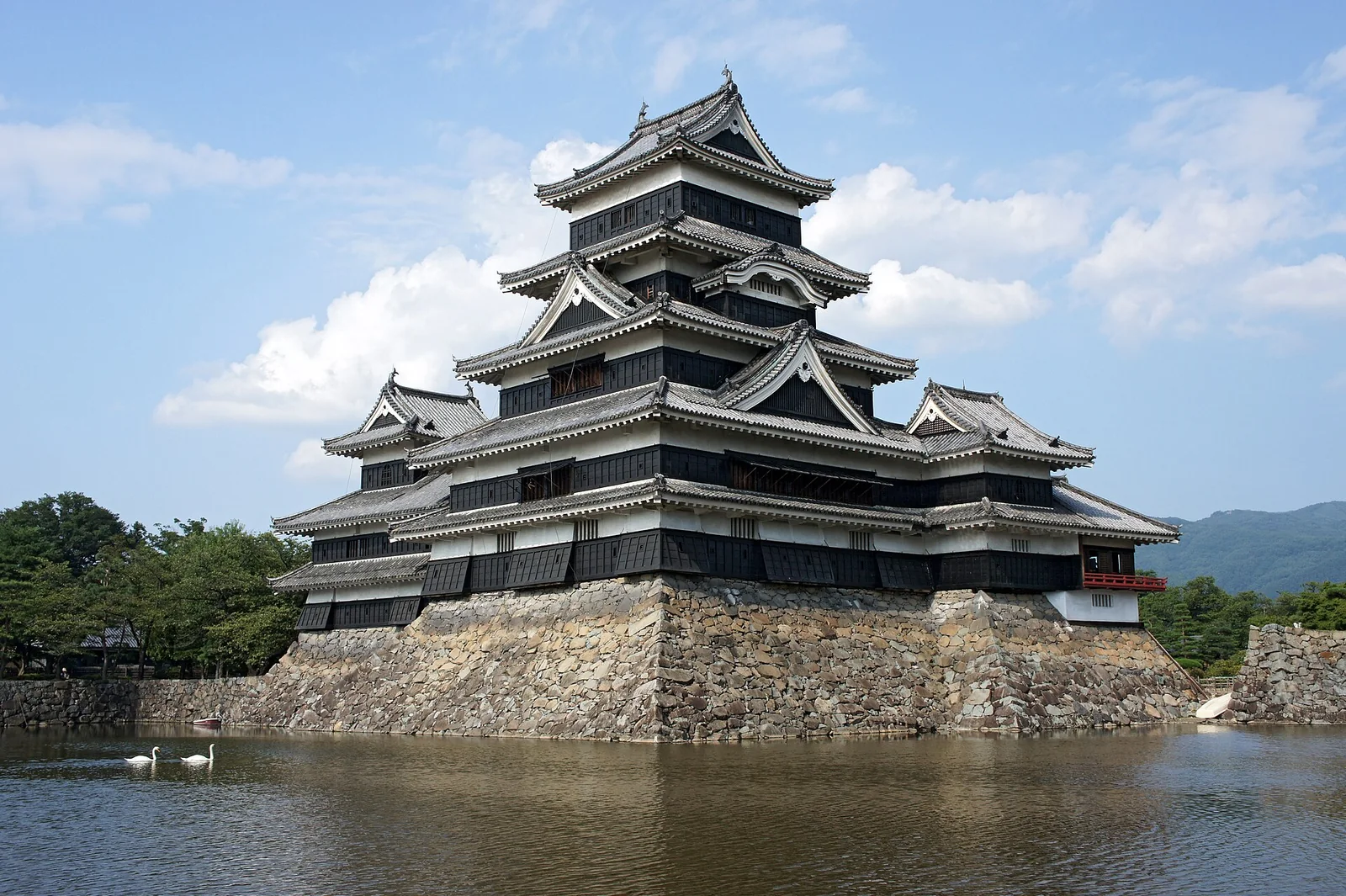
- Kyoto: temples, gardens and historic districts — excellent rail access but local buses/metro can be the slow part
- Osaka: food, nightlife and a practical Kansai base — strong regional rail network
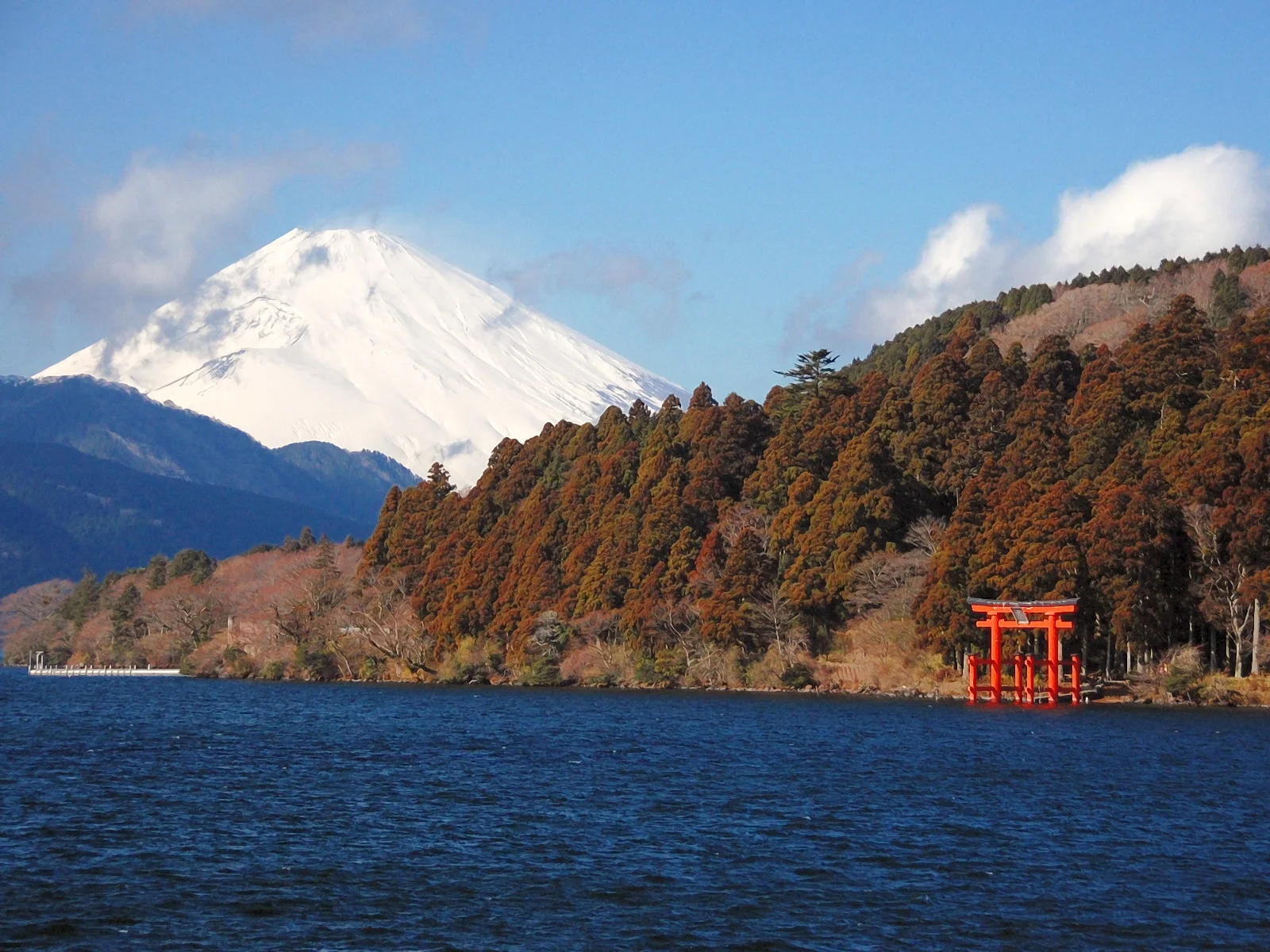
- Hakone and Fuji area: mountain scenery, onsen and Fuji views — weather determines visibility; climbing is a separate trip
- Hiroshima and Miyajima: modern history, island shrine landscapes and western routing — shinkansen plus local rail/ferry
- Hokkaido: snow, national parks and wide distances — regional flights, rail and cars all matter
- Kyushu: Fukuoka, volcanoes and onsen regions — shinkansen plus cars/buses for rural areas
- Okinawa: subtropical islands and a distinct travel system — fly; island driving and ferries matter more than shinkansen logic
How to choose between them
Start with season and transport, then choose two or three complementary bases. A place that looks close on a map can still be an awkward addition when ferries, mountain roads, airport transfers or station changes are involved.
For first trips
Prioritise one clear headline experience and leave enough unstructured time to experience the base itself. The itinerary guide shows how to turn these choices into 7-, 10- and 14-day routes.