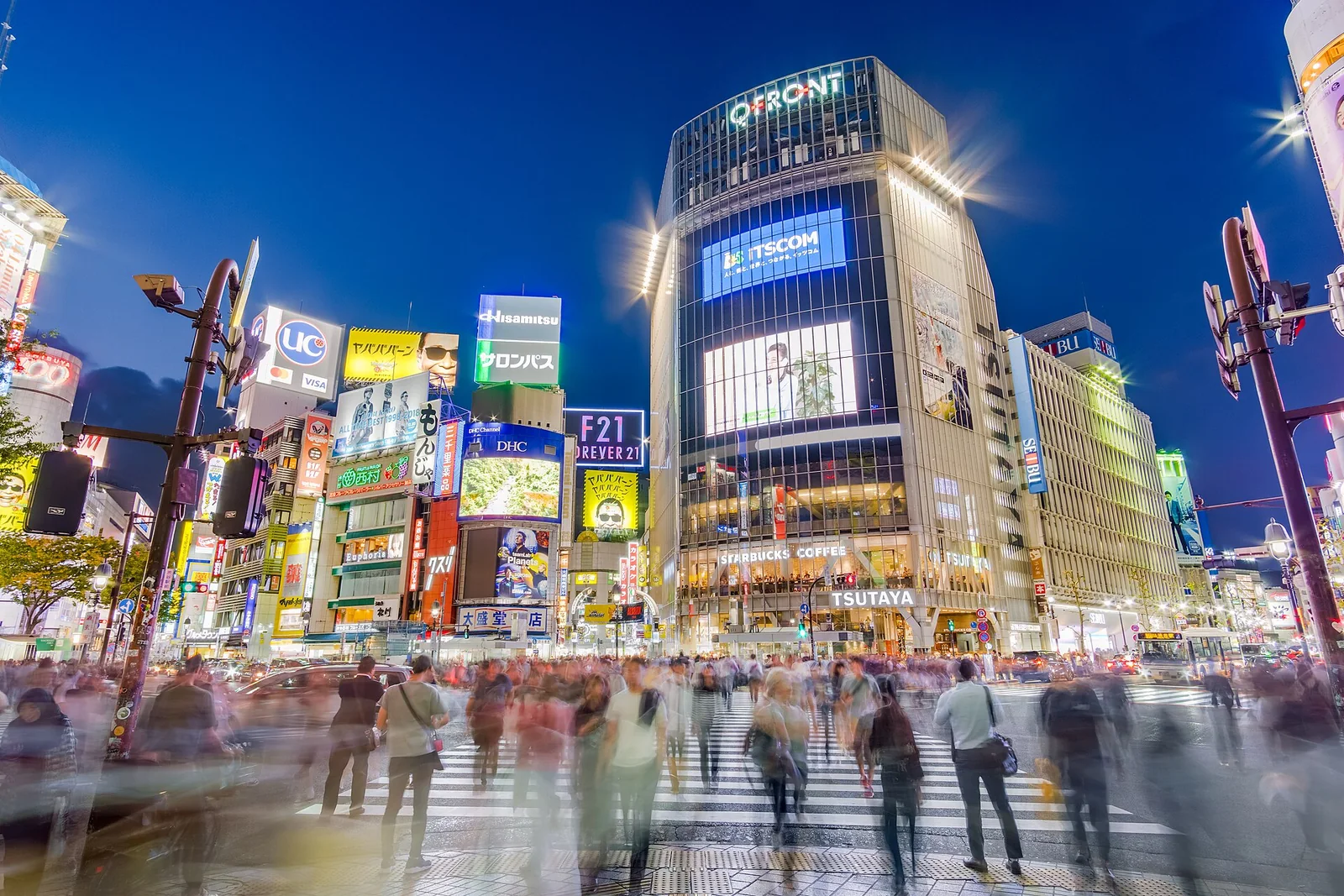

Japan rewards route design more than checklist tourism. The Tokaido corridor makes Tokyo–Kyoto–Osaka extraordinarily easy, but that convenience can encourage travellers to change hotels too often. Hokkaido, Tohoku, Kyushu, Shikoku and Okinawa work on different climate and transport logic, so the best trip is a network of sensible hubs rather than a collection of famous pins.
How to think about Japan
- Tokyo: multiple city centres, food and the country’s largest transport hub — choose a station base around the next legs of the route
- Kyoto: temples, gardens and historic districts — excellent rail access but local buses/metro can be the slow part
- Osaka: food, nightlife and a practical Kansai base — strong regional rail network
- Hakone and Fuji area: mountain scenery, onsen and Fuji views — weather determines visibility; climbing is a separate trip
- Hiroshima and Miyajima: modern history, island shrine landscapes and western routing — shinkansen plus local rail/ferry
- Hokkaido: snow, national parks and wide distances — regional flights, rail and cars all matter
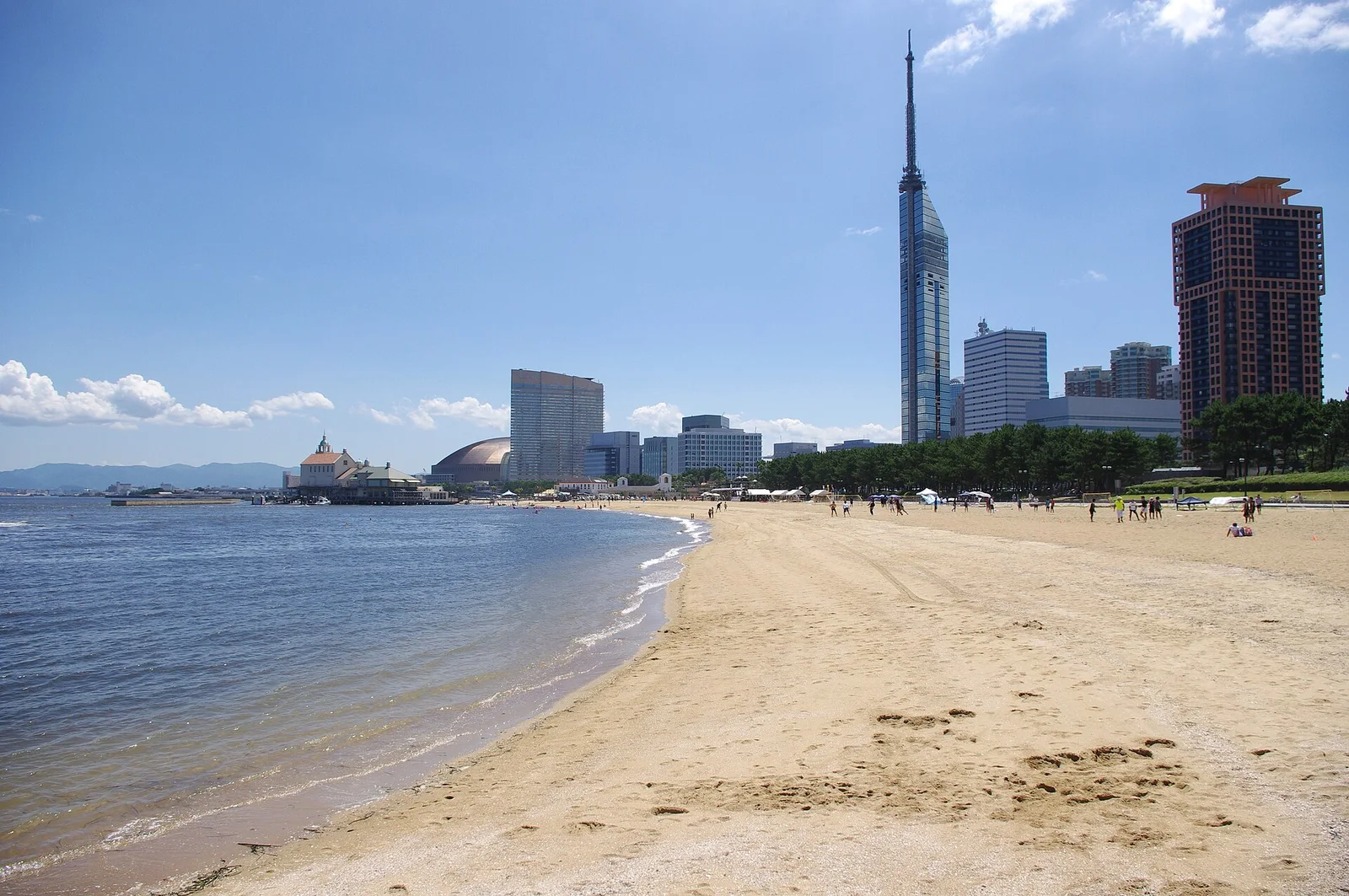
- Kyushu: Fukuoka, volcanoes and onsen regions — shinkansen plus cars/buses for rural areas
- Okinawa: subtropical islands and a distinct travel system — fly; island driving and ferries matter more than shinkansen logic
When to go
- March–May: spring changes quickly by latitude; blossom timing is a forecast, not a guarantee
- June–August: rainy-season and heat patterns vary by region; Hokkaido can be a strategic summer alternative
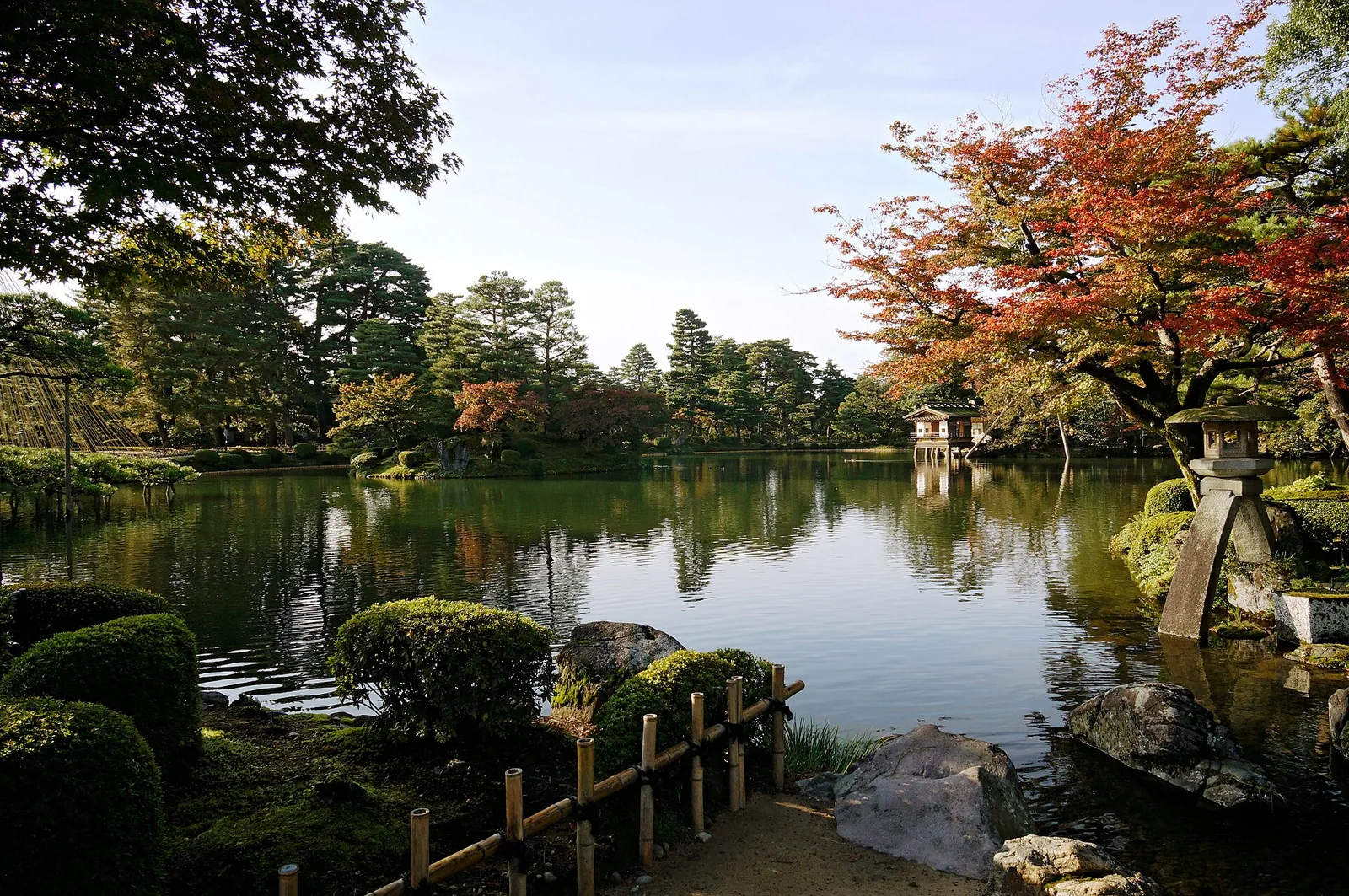
- September–November: typhoon awareness early in the period, followed by autumn colour moving across latitude and altitude
- December–February: excellent for snow regions and city travel; mountain roads and rural services need winter planning
Build the route before booking hotels
- 7 days: Tokyo + Kyoto, with one carefully chosen day trip; keep hotel changes low
- 10 days: Tokyo + Kyoto + Osaka/Hiroshima or Fuji/Hakone
- 14 days: Golden Route plus one strong regional extension such as Kyushu or Hokkaido by flight
- 21 days: two or three regional systems with slower stays; use luggage forwarding to reduce transfer friction
Transport reality
- Shinkansen is exceptional on the main corridors, but a national rail pass is not automatically the cheapest answer; price the actual route.
- JNTO notes that oversized baggage above 160 cm total dimensions requires advance space reservation on several major shinkansen lines.
- Luggage forwarding can transform a multi-city route by removing large bags from crowded station transfers.
- Domestic flights can beat rail for Hokkaido, Okinawa and some long north–south jumps; cars become valuable in rural Hokkaido, Kyushu and island areas.
Budget and safety
TripMag does not publish a fictional universal daily budget: season, base and transport structure move the total too much. Use the dedicated cost and safety guides for live-sensitive planning.
Common mistakes
- Changing hotels every night just because the trains are fast.
- Buying a nationwide rail pass before pricing the actual itinerary.
- Choosing a Tokyo hotel by neighbourhood fame instead of station connections for the next leg.
- Treating national cherry-blossom or autumn dates as fixed guarantees across a country with huge climatic variation.