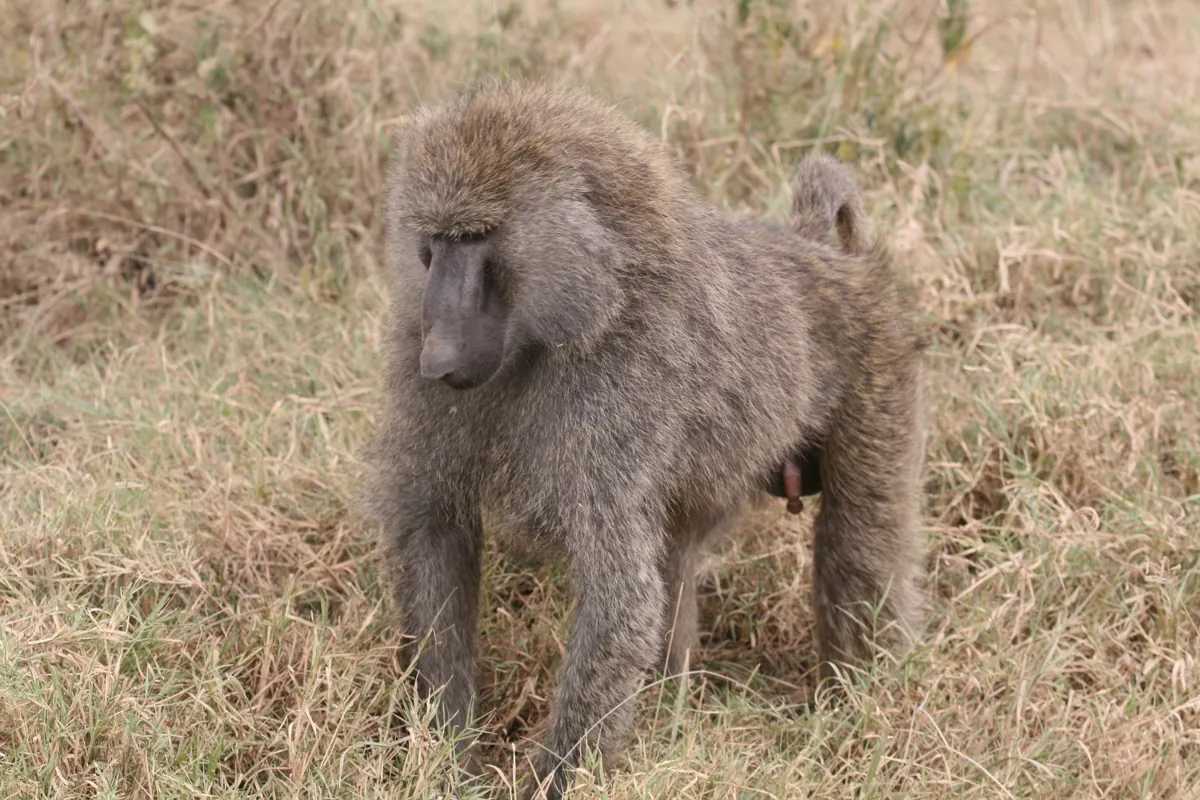

Compare official Kenya Wildlife Service entrance fees for Nairobi, Amboseli and Tsavo before calculating guides, vehicles, lodges and transfers. The table below lists official published charges checked on 11 October 2026. These prices are not live accommodation or package quotes; eligibility and current conditions must be confirmed.
Official tariffs and admission categories
Published official charges
| Admission or permit | Published amount | Basis |
|---|---|---|
| Nairobi National Park, non-resident adult | USD 80 | KWS published park fee |
| Amboseli National Park, non-resident adult | USD 90 | KWS published park fee |
| Tsavo East or Tsavo West, non-resident adult | USD 80 | KWS published park fee |
| Meru, Kora or Aberdare, non-resident adult | USD 70 | KWS published park fee |
| Amboseli, Kenya resident adult | KES 2,025 | Different visitor eligibility category |
Official references: Kenya Wildlife Service: Nairobi National Park; Kenya Wildlife Service: Amboseli National Park; KWS 2025 conservation fee schedule.
Start with the park, not the hotel
A Kenya safari budget should begin with the reserves you actually plan to enter. Nairobi National Park can be a city-based visit; Amboseli generally requires a separate travel arrangement; Tsavo is another distinct protected-area proposition. Package prices vary with the number of nights, vehicle occupancy and lodges. Treat conservation entry fees as a known component rather than as the whole safari product.
What the KWS tariff actually says
Kenya Wildlife Service currently lists USD 80 for a non-resident adult visiting Nairobi National Park, USD 90 at Amboseli and USD 80 at either Tsavo East or Tsavo West. Other non-resident adult rates apply in the published schedule. Resident and East African citizen rates are different, and you should not quote them to someone visiting from Britain unless that visitor genuinely qualifies.
A real two-park calculation
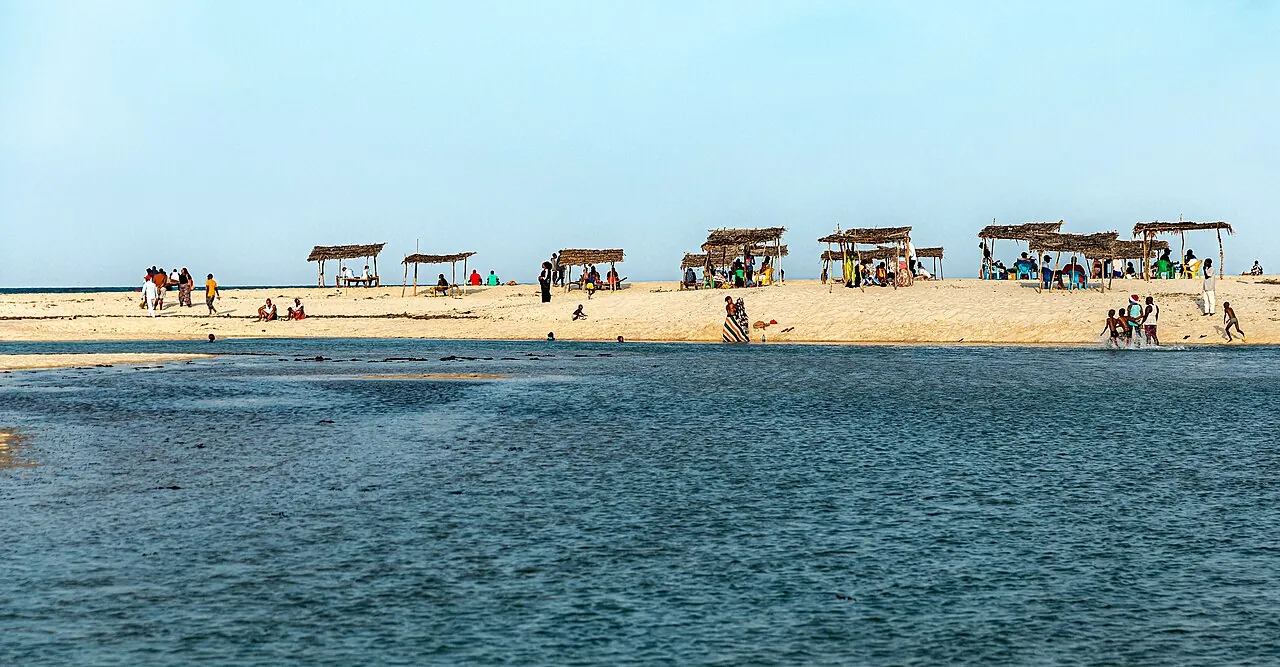
For one non-resident adult, a qualifying visit to Nairobi National Park and Amboseli would begin with USD 170 in published entry fees across those two parks. For two non-resident adults, that component becomes USD 340. These sums exclude accommodation, ground transport, guiding, meals and fees at any separately managed conservancy. They are illustrations of fixed admission charges, not complete safari package quotations.
Safari quotation checklist
Ask an operator whether the quoted vehicle is private or shared, how many full game drives are included, which gates are used, whether KWS park fees are in the package, and how transfers between Nairobi and the reserve are handled. Get the name and board basis of each lodge. A headline price 'per day' can be misleading when it hides a long drive, a flight supplement or a separate reserve levy.
Coast versus safari
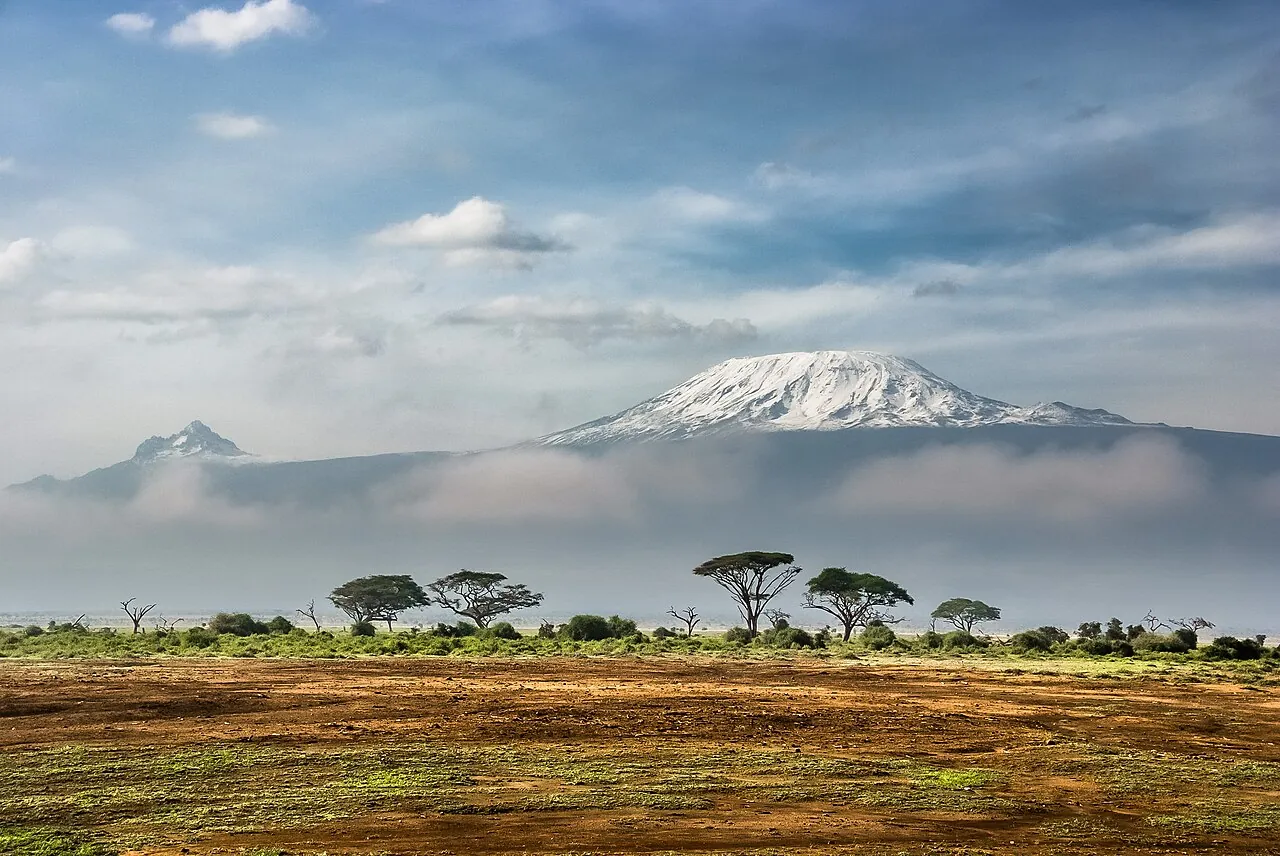
Diani and the wider coast introduce different expenses from a park circuit: airport or rail connections, lodging by the beach and any water or wildlife excursions. Adding coast nights after Amboseli may be rewarding, but make the transfer a visible budget line. Avoid applying the price of a Nairobi hotel day to a lodge experience that bundles meals, transport and wildlife activities.
Check the entry category
KWS separates East African citizens, Kenya residents, African citizens and international non-residents. Fees can also vary for children and activities. Carry evidence for whichever category you are claiming and consult the official KWS rates before paying. Some conservancies, private reserves and specialty activities are outside the KWS national-park tariff, so their charges require separate confirmation.
Route decisions and real travel value
Better value by choosing less
On a short Kenya trip, one well-chosen park with enough time for actual game drives can be more satisfying than paying for transport and entrance to several places in rapid succession. Compare a Nairobi-and-Amboseli plan against a longer stay at one location using actual operator quotations and your accommodation dates.
Editorial methodology
Published admission and permit costs above were checked against the linked official sources on 11 October 2026. They do not establish the price of a complete holiday. Hotels, transfers, meals and tours should be quoted for the precise travel dates and visitor category; no unsupported national daily average is presented as a fact.
Separate park entry from the actual safari price
The Kenya Wildlife Service's published non-resident park tariffs are admission charges, not all-inclusive safari quotations. A safari operator may add a vehicle, driver-guide, fuel, accommodation, meals, concession or conservancy fees and sometimes taxes. A park ticket also does not automatically include transport from Nairobi or another starting point. Ask each operator for a line-by-line quote and make sure it identifies exactly which wildlife areas are being visited.
Visitor category matters. Adult non-resident prices are not interchangeable with resident, citizen or child rates. Parks and private conservancies can have distinct charging arrangements, and the applicable pricing and entry policies may change. Verify the exact park, date and traveller classification on the official issuing site before paying.
Choose a safari route that respects geography
Nairobi National Park can suit a shorter wildlife visit from the capital, while Amboseli and Tsavo require a different time and logistics commitment. Driving distances, road conditions and park gate hours affect how much meaningful wildlife-viewing time you actually obtain. Compare two-night and three-night options on the same route rather than adding an exhausting transfer day in order to visit another park. A journey that looks efficient on a national map can feel very different on the ground.
For a coast-and-safari itinerary, decide where you will begin and end. Combining Mombasa-area travel with Tsavo may avoid some unnecessary backtracking, whereas a trip departing from Nairobi could follow a different pattern. Quote vehicle hours, any one-way transfer supplements and train or flight connections; do not assume that every park can be reached with the same price or travel time.
Safari camps: what is and is not included?
Compare accommodation on the basis of room or tent category, season, occupancy, meals, game drives and transfers. “Full board” describes food provision; it does not necessarily mean unlimited game drives or park fees. Some lodges charge by the room, others by person sharing. Child rules, single-person supplements and peak-season minimum stays can substantially change the final booking amount. Ask whether a quoted camp is inside a park, outside the gate or within a separate conservancy and how that affects fees and driving time.
Check the departure schedule for morning and afternoon drives, not simply the number of nights advertised. A two-night stay with late arrival and early departure might include surprisingly little time in the field. Written clarity matters more than an appealing headline percentage discount.
Illustrative safari cost calculation
Build a worksheet for two adults travelling together. Start with the official individual admissions for each confirmed park day, then add a single quoted private vehicle if that is how the operator charges. Add accommodation according to its actual occupancy rules and include any transfer, guide, concession or conservancy charges. Keep meals separate unless the stay genuinely includes them. This method makes it possible to compare a shared-group safari with a private one without treating the per-person prices as interchangeable.
Wildlife timing and responsible choices
Wildlife sightings are never guaranteed. A more expensive tour cannot promise a specific animal encounter, and an artificially dense game-drive schedule may be stressful rather than rewarding. Ask how the operator handles vehicle crowding, distance from wildlife and park regulations. Price travel insurance for your activities, and account for necessary health and entry requirements using the latest official advice rather than adding outdated or universal charges.
Compare itineraries and inclusive quotations
The Kenyan coast belongs in a different budget
Beach accommodation can be influenced by season, access, meal plan and the cost of transport from the airport or railway station. A half-board resort quotation should be compared with a room-only property only after meals and practical travel are included. Water activities, marine-park admissions and boat excursions can add separate fees and restrictions. When combining safari and beach travel, quote the connecting leg explicitly rather than assuming the holiday package includes it.
A rigorous booking checklist
Require a dated, written itinerary showing each park and the number of entries, vehicle type, actual lodge name, meals, activities, transfer points, taxes and cancellation conditions. Confirm payment recipient and protection arrangements before making a large advance payment. Record every line in its original currency, and use a clearly dated conversion rate only at the final comparison stage. An unquoted item should be marked as unknown, not guessed.
Four-day wildlife stay versus a rushed two-park itinerary
A short trip may deliver better wildlife time by concentrating on one area rather than spending large portions of the day driving between parks. Ask operators for the actual schedule of game drives, the park gates used, lodging location and pickup time. Compare the same dates, passenger count and accommodation standard before concluding that one itinerary offers more value. Include any private conservancy admissions separately from a Kenya Wildlife Service park fee.
Safari vehicle and group-size arithmetic
A park-entry tariff is generally an individual visitor charge; a vehicle and guide may be priced by group or per person depending on the operator. For a private safari, calculate the vehicle quote once for the party and multiply only those items that genuinely apply to each traveller. For a joining safari, inspect whether the price assumes a minimum group size and what happens if that group does not form. The worksheet should label shared, per-person and per-night items explicitly.
Park-fee evidence audit
Identify the issuing park authority for every visit and retain its published adult, child, resident or non-resident category as appropriate. KWS admission is not synonymous with conservancy access, game drives or lodge charges. Ask the safari company for a dated itemised quote that identifies each applicable authority. Check whether the quoted itinerary crosses park boundaries or requires additional admissions.
Safari quality and cost audit
Record the vehicle and maximum passenger number, guide qualifications, lodge names, meal basis and number of real game-drive hours. Separate the fixed shared-vehicle charge from per-traveller entries where that is how the operator quotes. Check deposit and refund terms. A smaller quoted total without named lodges, defined park entries or clear drives should be treated as incomplete rather than automatically better value.
Nairobi-based safari versus a longer circuit
Nairobi National Park can be part of a shorter city-based itinerary, although the official entry category, transport and guided arrangements still require a genuine cost calculation. A multi-day circuit to Amboseli or Tsavo is a different product, with long-distance road travel, additional accommodation and potentially repeated park entries. Ask for the full hour-by-hour itinerary to discover how much time is actually allocated to wildlife viewing. More parks on the brochure do not necessarily mean more meaningful game-drive time.
Cost scenarios and regional choices
Safari accommodation pricing explained
A camp or lodge can be offered room-only, with meals, or as part of a package containing selected activities. Compare quotations for the same arrival and departure dates, number of guests and meal plan. Confirm whether park, conservancy, guide and transfer fees are separate. Rooms or tents described as luxury are not necessarily closer to the intended game-drive area. Location can reduce travel time, but should be verified from the actual lodge and park access points.
What a coast-and-safari trip changes
A beach stay on the Kenyan coast should be costed with its own accommodation, airport or railway transfer and meal package. When linking the coast with Tsavo or a more distant reserve, compare road transfers and available rail or flight options against travel time. Water activities and marine protected areas may have their own charges and safety conditions. Check every excursion's operator and cancellation policy. Avoid using a safari vehicle price as an assumed coast transfer fee.
Making a supplier comparison fair
Ask two or more operators to quote the same itinerary, parks, travel dates, vehicle occupancy, accommodation names and meal terms. Create columns for admissions, guiding, vehicle, lodging, meals, activities, transfers, taxes and cancellation. Identify currency and whether the price is per person or per group. If one quote omits mandatory park charges, add those from the current authority tariff before comparing. Wildlife sightings cannot be guaranteed, so value should focus on time, guiding quality and responsible operating practices.
Nairobi or Amboseli: design the wildlife time first
A Nairobi-based stay may support a shorter wildlife excursion without another accommodation move. An Amboseli journey normally needs a different transport and overnight calculation. Compare time in the park, time on the road and the location of the actual lodge instead of simply counting destinations. A full day marked 'safari' on an itinerary might include several hours of pickup and transfer, which changes how much time remains for wildlife viewing.
Ask for the exact park gate, driver pickup point, scheduled return and whether a vehicle must satisfy specific entry conditions. Check official admission for the traveller's category and date. A short private excursion is not automatically better value than a longer group trip, nor the reverse; the answer depends on inclusion and experience.
Understand conservancy and park boundaries
Kenyan protected landscapes can be managed through different authorities and charging systems. A camp situated near a protected area is not proof that the guest has already paid every relevant admission. Ask the operator to identify each park, reserve or conservancy on the itinerary, the legal access requirements and how many separate entry charges apply. When a safari crosses from one area to another, record the corresponding fees rather than transferring a Kenya Wildlife Service price to every location.
For travellers choosing between a lower-priced camp outside the gate and accommodation inside or close to the wildlife area, compare actual driving and permitted entry times. An apparently cheap room can reduce early-morning viewing opportunities or add transport costs.
Different ways to combine safari with the coast
A traveller can plan a dedicated wildlife trip and a separate beach stay, or investigate an itinerary linking Tsavo with the coast. The sensible sequence depends on flight arrival and departure points as well as the transport available on travel dates. Compare a road transfer with rail or air alternatives using door-to-door time, luggage limits and cost. A coast hotel advertised as all-inclusive does not necessarily include marine park fees, boat trips or onward airport transfers.
For beach excursions, check operator credentials, safety equipment and weather policies. Keep beach accommodation and safari packages in separate columns until the exact joining transfer is priced.
Assess safari quotes beyond headline cost
Ask for actual accommodation names, room standards, meals, guide qualifications, vehicle type, maximum passengers and realistic game-drive schedule. A 'four-day tour' description needs clarification about arrival and departure activities. Record which park admissions and conservation fees are included, along with any obligatory tips or taxes, without assuming these are identical across suppliers. Compare cancellation and refund terms before paying a deposit.
Do not accept promises of guaranteed sightings or approaches inconsistent with wildlife welfare rules. A reliable itinerary gives readers enough operational detail to judge whether the holiday is worthwhile, even when the lowest quoted package is not selected.
Current rules, payment and departure checks
Official Kenya park-fee categories: a family comparison
The Kenya Wildlife Service currently lists Nairobi National Park at USD 80 for a non-resident adult and USD 40 for a non-resident child, and Amboseli at USD 90 for a non-resident adult and USD 45 for a non-resident child. These rates are admission categories rather than comprehensive tour prices. For two non-resident adults and one qualifying child, a single Nairobi park entry would therefore be USD 200 in individual admission fees; the equivalent Amboseli example would be USD 225. The examples assume that each traveller qualifies for the specified category and that one relevant entry is purchased. They exclude vehicle, guide, accommodation and any separate charges.
Visitor classification is consequential: Kenyan citizens, Kenyan residents, other African citizens and non-residents have different posted tariffs, and eligible students or children may require supporting proof. Do not apply the non-resident example to everyone in the party. Confirm the rates and category rules on the official Nairobi National Park tariff and Amboseli National Park tariff immediately before payment.
Park opening times and why they affect cost
Kenya's other visitor categories: what two parks really charge
Kenya Wildlife Service does not use a single universal admission rate. Its Nairobi National Park schedule lists an East African citizen adult ticket at KES 1,000, a Kenya resident adult ticket at KES 1,350, an African citizen adult ticket at USD 40 and a non-resident adult ticket at USD 80. Amboseli's matching adult rates are KES 1,500, KES 2,025, USD 50 and USD 90. These amounts belong to specific categories, not interchangeable currencies for the same ticket. For example, two qualified Kenya residents entering Nairobi National Park would have an adult admission subtotal of KES 2,700; two non-resident adults would have an admission subtotal of USD 160. Neither calculation includes vehicle charges, an operator, transport or lodging. Check classification documents and the live Nairobi and Amboseli price pages.
Compare KWS multi-park packages before buying individually
The KWS conservation-fee schedule also publishes dedicated park combinations: for non-resident adults, a Tsavo West–Amboseli product is listed at USD 150 and a Tsavo East–Tsavo West–Amboseli product at USD 215, subject to the issuer's package rules. Those must not be confused with a Kenya-wide pass or presumed valid for Nairobi National Park or Maasai Mara. For an itinerary that actually visits the named parks, request the applicable package terms and compare them with the current separate admissions. The correct result depends on how the issuer defines the package's entry, validity and traveller categories—not simply on the number of park names in a safari brochure. Refer to the KWS published fee schedule.
October 2026: eTA applicants must budget for mandatory travel health insurance
Kenya's official eTA portal explains that visitors, including children where applicable, need pre-travel authorisation, but it also identifies exemptions, including eligible East African Community passport holders, Kenyan permanent residents and certain existing visa holders. Those eTA rules must be applied to the actual traveller rather than indiscriminately to a family or mixed-nationality group. The fact that one person is eTA-exempt does not automatically resolve all health insurance or immigration questions. Check the official Kenya eTA portal and latest FCDO entry requirements before booking.
Buy only through a legitimate official route and preserve the approved eTA and insurance evidence offline. A safari operator's statement that all necessary permits are included does not necessarily mean the visitor's personal immigration and mandatory health-insurance procedures have been completed. Conversely, do not count an insurance product a second time if the applicable authorised process already charged for it. The product's coverage limits and exclusions must still be evaluated against emergency medical expenses, evacuation and any pre-existing needs.
Safari value depends on the park rules as well as admission
Kenya Wildlife Service's Amboseli guidance says ordinary gates open at 06:00 and close at 18:00 for visitors not staying overnight. It also instructs visitors to stay on established roads, not to drive off-road, to obey a maximum park speed limit of 40 km/h and to remain inside their vehicle except in designated areas. Those rules matter when a tour advertisement promises to chase wildlife or squeeze several distant attractions into a short day. Wildlife cannot be guaranteed, and an expensive vehicle does not buy an exemption from park restrictions.
The same official page says wildlife should be viewed from a minimum distance of 20 metres. A professional operator should be willing to describe a realistic game-drive programme and responsible viewing practices. A lower-priced tour that spends much of the advertised day collecting passengers outside the park may offer less time on site than an apparently more expensive lodge-based trip. Compare gate-entry windows, driving hours, the number of participants, photography needs and the actual type of vehicle before treating headline admission as the principal decision.
For a multi-park holiday, distinguish the manager of each protected area. Nairobi and Amboseli appear in KWS's current tariffs; a different reserve or community conservancy may use its own authority and fee schedule. Check the place's official legal name, who collects its admission, whether an entry period expires during the stay, and which vehicles or guides can operate there. KWS Amboseli visitor conditions.
A family and a group need different safari calculations
Kenya Wildlife Service currently displays Nairobi National Park admission at USD 80 per qualifying non-resident adult and USD 40 per qualifying non-resident child. Amboseli is displayed at USD 90 and USD 45 respectively. A two-adult, one-qualifying-child admission illustration is therefore USD 200 for Nairobi and USD 225 for Amboseli, before the safari provider's transport, guide and any vehicle charges. These are not guaranteed package prices; child eligibility, entry validity and visitor categories must be confirmed on the intended date.
A group of four adults can sometimes spread the cost of one private vehicle and guide, but may require two rooms and potentially different accommodation rates. A solo traveller buying a private safari vehicle can face a much higher per-person transport component despite paying the same individual park admission category. Compare these options using each supplier's full occupancy and cancellation rules. A child park-entry discount does not mean a corresponding discount on a hotel bed, safari seat or personal immigration requirement.
A family trip should also consider time of day and comfort. Longer road transfers, early departures and hot afternoon hours may favour a slower itinerary with fewer parks, whereas experienced wildlife photographers might value several dawn opportunities close to the gate. The best-value option is the one whose inclusions and experience match the traveller's plans, not merely the lowest number in an attractive online comparison.
Nairobi, the Rift Valley and the coast are different budgets
Nairobi National Park can be combined with a city-based visit rather than automatically requiring several nights in a remote lodge. The Rift Valley and highland parks involve different road corridors and accommodation choices. Amboseli's landscapes and park logistics call for another itinerary entirely. A coast extension may involve a rail, road or flight connection and a separate hotel base, but its advertised beach package might omit boat trips, transfers or marine-area admissions. Never use the KWS Nairobi entry price as the universal cost of a Kenyan wildlife day.
Before adding the coast, consult current geographic safety warnings. The UK FCDO advises against travel to specified parts of Kenya near the Somalia border and sections of the northern coast, with a separate advice category for other named regions. Do not imply that the entirety of the Kenyan coast has one uniform advisory; verify the actual beach town, road and airport. A traveller may also need to adjust plans for new public-health screening and official health guidance. FCDO information issued in October 2026 refers to an imported Ebola case and ongoing public-health measures, which should be checked directly rather than converted into alarmist predictions.
An itinerary is not financially complete until it shows the international airport, first accommodation, wildlife route, coastal transfer if any, final airport and appropriate contingency. Review government entry and health notices again before departure, because these change more frequently than most hotel descriptions. FCDO regional advice and health updates.
2026 official-source update
October 2026 entry-health insurance: do not omit the new required purchase
The UK Foreign Office's updated Kenya entry notice specifies Kenyan government-provided travel health insurance for most visitors staying less than twelve months from 5 October 2026. Visitors who need an eTA purchase it in the application flow; a traveller who already has a valid eTA must check the government eCitizen insurance portal. The insurance fee is not reliably established for every applicant, so do not add a fabricated flat amount to the examples below. This mandatory product may not provide every benefit of comprehensive medical evacuation, cancellation or adventure-travel protection. Compare your own policy and any safari operator insurance separately.
For Nairobi and Amboseli non-resident adults, the published KWS rates are USD 80 and USD 90 respectively; two adults entering both once therefore budget USD 340 solely in individual entry charges. KWS Amboseli rules also require using roads and designated viewpoints; a safari driver cannot promise an arbitrary off-road wildlife encounter at a cheaper price. Park-entry eligibility, vehicle costs, accommodation and conservancy charges must be checked against the actual itinerary.
Continue planning Kenya
Before booking, read our Kenya travel guide for regional choices, use the Kenya itinerary to space the journey realistically and consult transport and getting around in Kenya for the full route, rather than treating separate ticket prices as an inclusive holiday offer.
Turn published tariffs into a personal budget
The published amounts on this page are starting points, not live packages. Confirm the traveller's eligibility, itinerary dates and each supplier's written exclusions. Retain screenshots of final fees and source dates before paying. Make this guide mine to transfer this researched route into TripMag's trip planner, then adapt it to your own dates, priorities and booking terms.