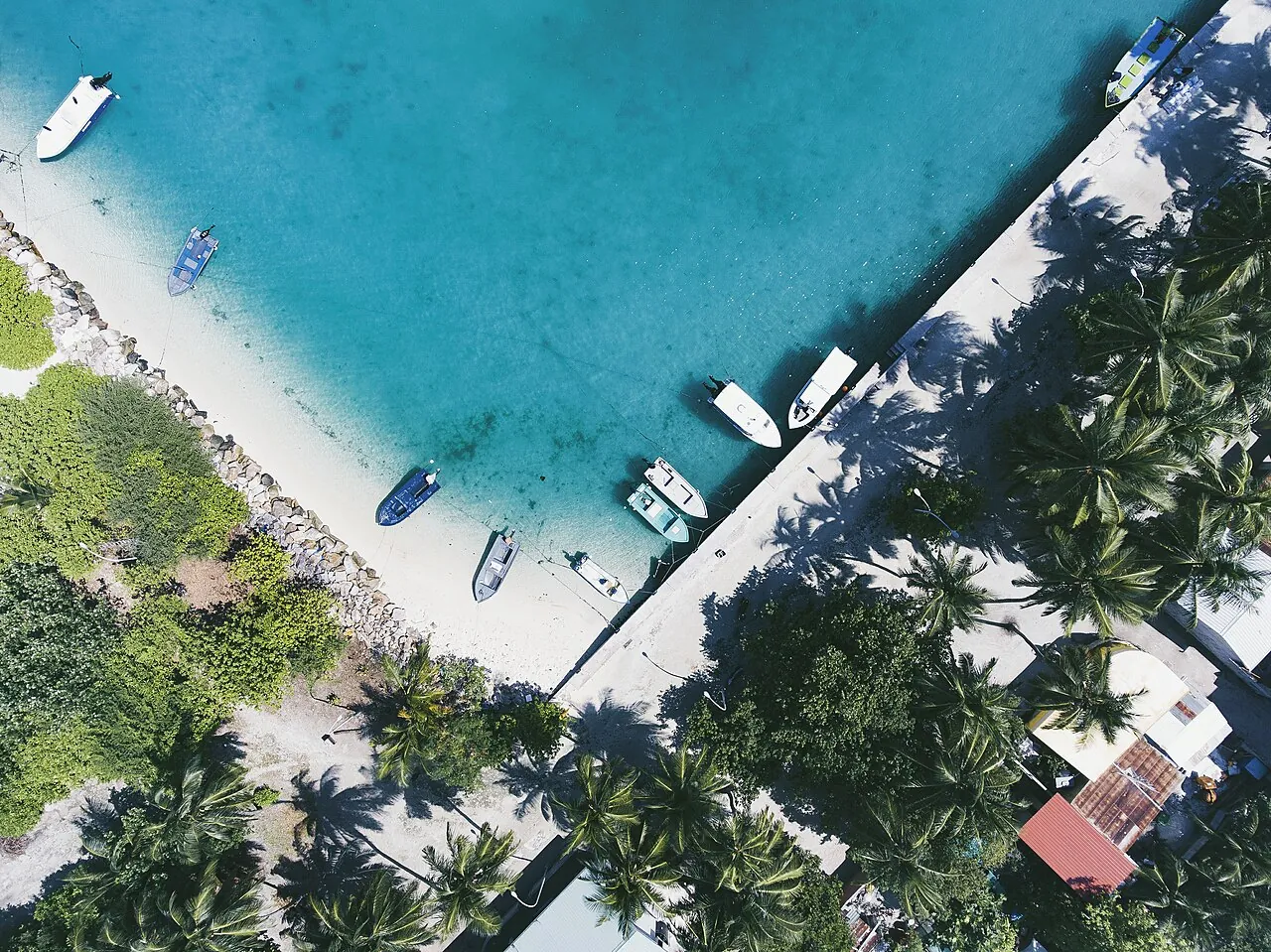

Is the Maldives safe? For the vast majority of visitors, yes. Resort islands are among the most secure holiday settings in the world, and local islands are small, close-knit communities where visitors are welcomed. The risks that matter are mostly about the ocean: strong tidal currents in the channels between islands, boats and propellers around snorkellers, and diving far from medical help. The other important area is the law. The Maldives is a conservative Muslim country with strict rules on alcohol, drugs, religion, dress and behaviour, and these apply with full force outside the resorts.
This guide covers each of these, and what to do if something goes wrong.
We do not include live alerts here, because they change. For current advice, check the UK Foreign Office (FCDO) travel advice for the Maldives or your own government's advice before you travel, and follow TripMag Travel News for updates.
The short answer
- Crime: low on resorts and local islands; take care in Malé and Hulhumalé at night.
- The sea: the main risk, with strong currents, boats and remote dive sites.
- Laws: strict on alcohol, drugs, religion, dress and same-sex relations.
- Weather: monsoon storms and flash flooding on low-lying islands.
- Health: sun, dehydration, coral cuts and limited medical facilities on remote islands.
Crime and everyday precautions
Crime on resort islands is low, though petty theft happens. The FCDO advises against leaving items unattended on the beach or in unlocked rooms. Use the safe in your villa or guesthouse for passports, cash and electronics.
Outside the resorts, the FCDO notes that gang-related knife crime occurs, mainly in Malé and Hulhumalé, usually between rival groups rather than against visitors. Avoid walking along empty roads after dark, and use taxis in Malé at night. Political protests sometimes take place in the capital; stay away from them.
Currents, channels and swimming
The Maldives' beauty hides powerful water movement. Atolls are ringed by channels, called kandus, through which the tide flows in and out of the lagoons, sometimes very fast. The FCDO warns that strong tidal currents can pull swimmers away from the shore and have caused drownings.
- Ask first: check with resort or guesthouse staff where it is safe to swim and snorkel, and check again during your stay, because conditions change with the tide and weather.
- Stay inside the reef: do not swim beyond the reef edge or into channels unless you are on a guided trip.
- Snorkel with a buddy, and consider a float or buoy that boats can see.
- Get out early: if you feel the current pulling, swim across it rather than against it, and leave the water as soon as something feels wrong.
- Watch the sun: the reflection off the water makes sunburn worse, so wear a rash vest when snorkelling.
On local islands, the beaches and lagoons may not have lifeguards, so be extra cautious, and keep children within reach.
Boats, propellers and excursions
Boats are the main form of transport in the Maldives, from resort speedboats and dhonis to public ferries and liveaboard safari boats. Listen to the safety briefing, make sure life jackets are available for everyone, and do not board a boat that looks overloaded or is setting out in bad weather.
The FCDO highlights a specific risk: fatal propeller accidents have occurred at whale shark and manta ray sites, including the South Ari Marine Protected Area, where many boats gather around the same animals. Rules on propeller guards are not yet fully enforced. Choose operators who follow the codes of conduct, stay close to your guide in the water, and keep a lookout for boats approaching. Never swim near a boat with its engine running.
Seaplanes and domestic flights
Seaplanes are a highlight of many Maldives trips and have a good safety record. They fly only in daylight and in suitable weather, so a late international arrival may mean a night in Hulhumalé or at an airport hotel before your transfer. Luggage weight limits are strict, often lower than on international flights, so check them in advance. Domestic flights to regional airports are followed by a speedboat transfer, which can be bumpy in rough seas; keep medication for seasickness handy and secure loose items. If a transfer is delayed by the weather, it is for your safety, and resorts are used to rearranging plans.
Sandbanks, picnic islands and excursions
Day trips to uninhabited sandbanks and picnic islands are a classic Maldives experience. They have no shade, no fresh water and no facilities, so take water, a hat and sun protection, and agree a firm pick-up time with your boat crew. Do not wander off along the reef at low tide, as rising water can cut off a sandbar quickly. Night fishing trips on a dhoni are memorable but take place in the dark, so wear a life jacket and stay seated when the boat is moving.
Diving safely
Diving in the Maldives is world-class, but conditions can be demanding, with strong currents in the channels where the best marine life gathers. The FCDO notes that many resorts are more than an hour from the nearest hyperbaric chamber, and there are only three in the country.
- Dive with a reputable, registered operator, and ask how they would get you to a chamber in an emergency.
- Check that your travel insurance covers diving to the depths you plan, and evacuation.
- Be honest about your experience, and do not dive current-heavy sites beyond your training.
- Carry a surface marker buoy and, ideally, a personal locator device on drift dives.
- Leave at least 24 hours between your last dive and your flight home, including seaplane flights, which also count.
Shark dives, such as those with nurse sharks or grey reef sharks, are popular and usually safe with good operators, but accidents can happen.
Marine life to watch out for
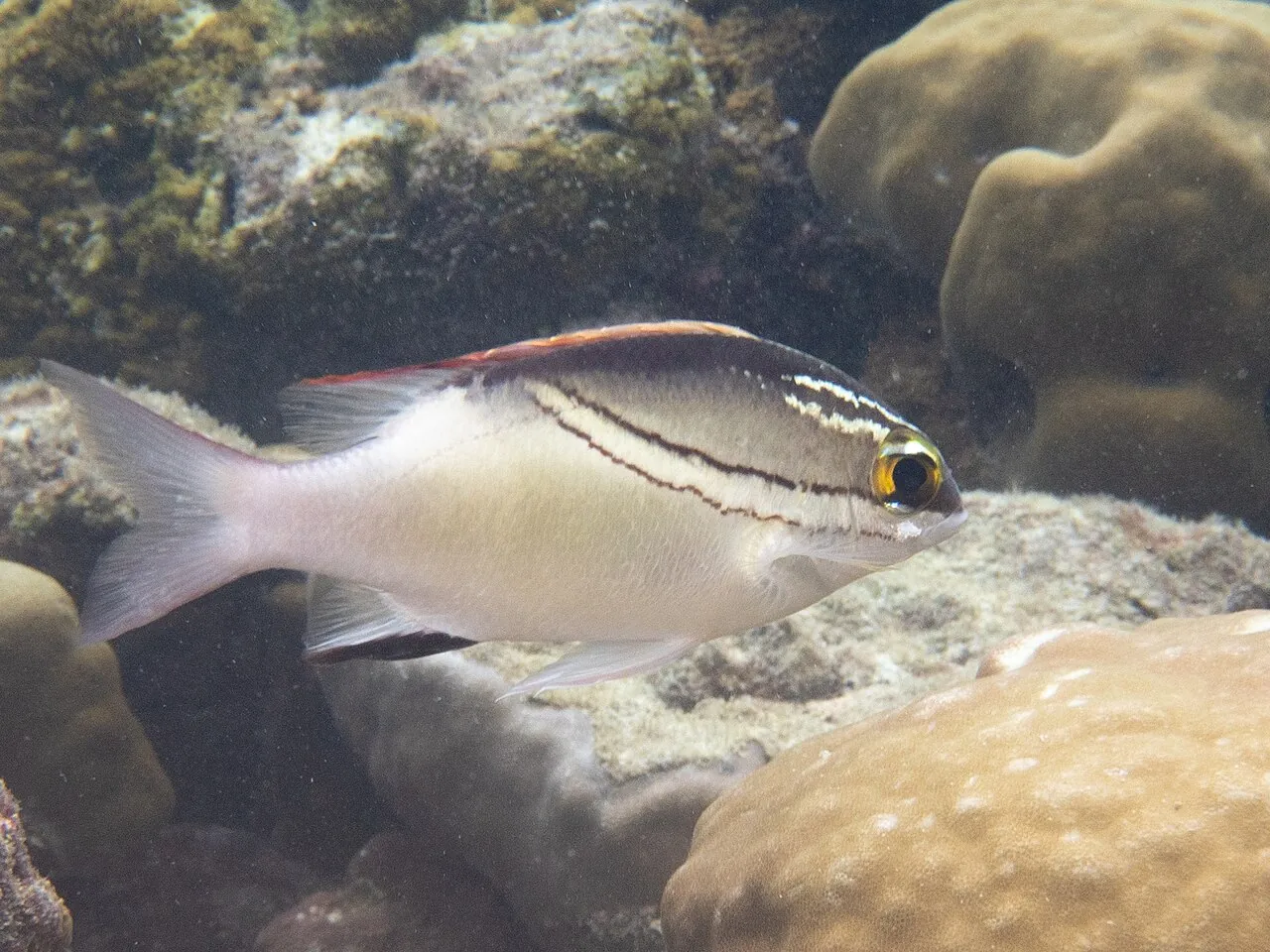
Most marine life in the Maldives is harmless if left alone. Stonefish and scorpionfish hide on the reef, so do not stand on coral and wear fins or reef shoes. Moray eels and triggerfish, especially titan triggerfish during the nesting season, can bite if you get too close. Lionfish have venomous spines. Never touch or feed marine animals, and keep a respectful distance from turtles, rays and sharks. Coral cuts infect easily in the tropics, so clean any cut thoroughly with fresh water and antiseptic.
Weather and natural hazards
The Maldives has two monsoon seasons. From around May to October, the south-west monsoon brings more rain, wind and rough seas, which can cancel boat trips and make crossings uncomfortable. The drier north-east monsoon runs from around December to April. Heavy rain can cause flash flooding on low-lying islands. Seaplanes fly only in daylight and good weather, so allow for possible delays. As most islands are only a metre or two above sea level, follow resort and local authority instructions in the event of storm or tsunami warnings. See our guide to the best time to visit the Maldives for more on the seasons.
Laws visitors need to know
The Maldives' laws are based on Islam, and some are very strict. Breaking them can lead to arrest, prison or deportation.
- Alcohol: sold only on resort islands, safari boats and a few licensed venues. Do not take alcohol off the resort. Drinking, possessing alcohol or being drunk on local islands can lead to arrest and deportation. Do not bring alcohol into the country; it will be confiscated at customs.
- Drugs: zero tolerance. Even small amounts of cannabis can lead to arrest, and penalties range from long prison sentences to the death penalty for the most serious offences. Transit baggage is scanned.
- Medicines: carry prescriptions for any medication, and check whether medicines containing controlled substances are allowed before you travel.
- Religion: public practice of any religion other than Islam is illegal. Keep religious items for personal use and do not display them in public.
- Customs: pork, alcohol, religious idols and pornography are not allowed into the country.
- Souvenirs: it is illegal to take coral or tortoiseshell products out of the Maldives.
- Same-sex relations: illegal, with possible fines or long prison sentences. Resorts are generally discreet and welcoming, but public displays of affection are best avoided everywhere.
- Nudity: nudity and topless sunbathing are banned everywhere, including on resort islands.
Local islands and dress
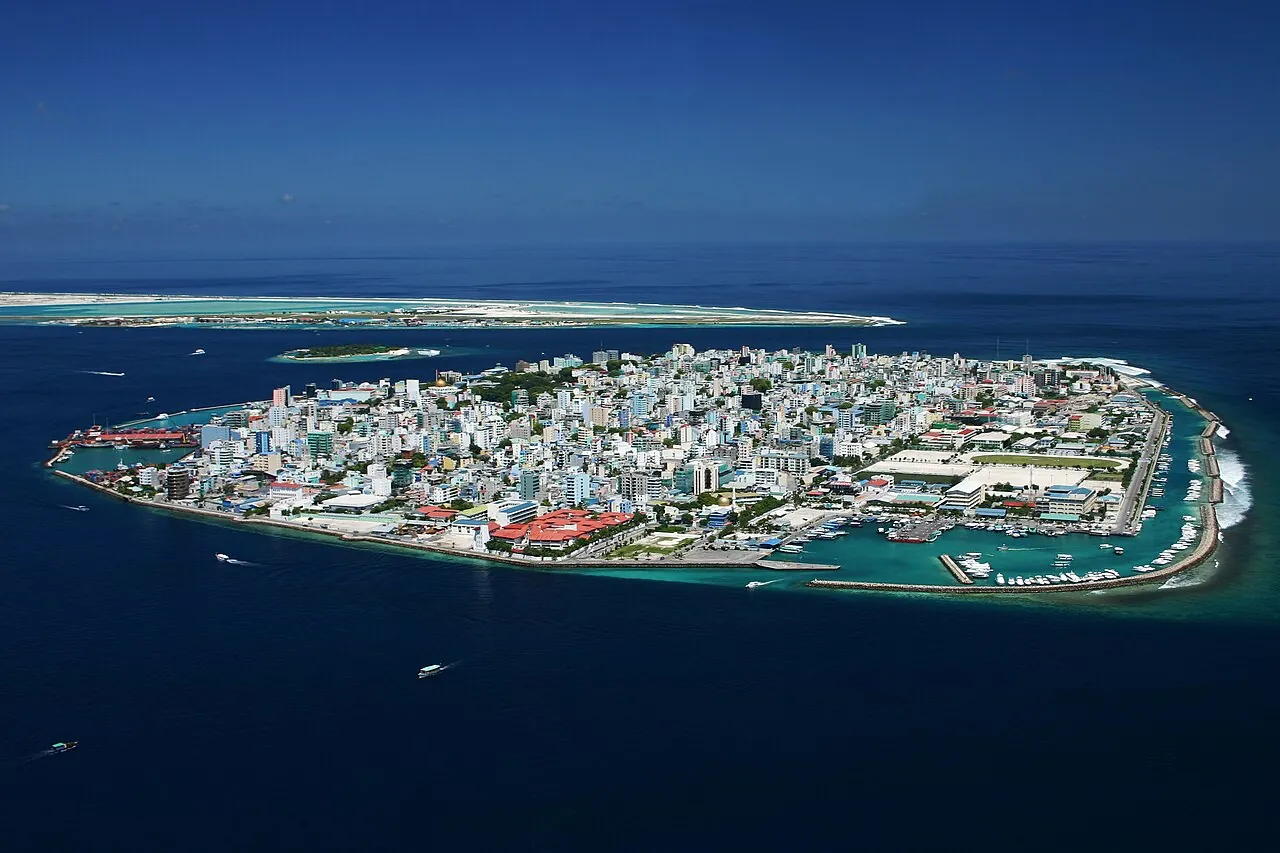
On local islands, visitors live alongside Maldivian families, and modest dress is expected in the villages: cover shoulders and knees, and avoid short or tight shorts. Swimwear, including bikinis, is allowed only on designated tourist beaches. Elsewhere, cover your arms and upper legs when swimming, as the FCDO advises. Couples should avoid kissing and other displays of affection in public. Friday is the main day of prayer, and many shops and cafés close at prayer times throughout the week.
Ramadan
During the holy month of Ramadan, Muslims fast from dawn to sunset. On local islands and in Malé, visitors should not eat, drink or smoke in public during daylight hours. Cafés may close during the day, and opening hours change. Resorts continue much as usual. The dates of Ramadan move earlier each year; in 2027, it is expected to begin in early February. The evenings are lively, with family meals and gatherings after sunset.
Sun, heat and health
The Maldives lies close to the equator, so the sun is strong all year. Use reef-safe, high-factor sunscreen, wear a hat and rash vest, and drink plenty of water. Resorts usually have a doctor or nurse on call, and some larger islands have health centres, but serious cases need transfer to Malé, which can take hours from remote atolls. Comprehensive travel insurance that covers medical evacuation is essential. Dengue fever occurs, especially in the wet season, so use insect repellent. Tap water on resorts is usually desalinated; ask, and drink bottled or filtered water if unsure.
Solo and women travellers
The Maldives is generally safe for solo travellers, including women. On resorts, few precautions are needed beyond the usual. On local islands, dressing modestly in the village avoids unwanted attention, and guesthouse owners are a good source of advice. In Malé, take taxis after dark.
Travelling with children
Resorts with shallow lagoons, kids' clubs and family villas make the Maldives a good family destination. The main precautions are water safety and sun. Choose resorts with calm, shallow lagoons, supervise children in the water at all times, especially on islands without lifeguards, and be aware that overwater villas with open decks and steps into the sea need constant watching with young children. Check whether your resort has a doctor on site.
If something goes wrong
- On a resort: contact the front desk, which can call a doctor, the police or the coast guard.
- Crime: report it to the police and ask for a written report for your insurer.
- Medical emergencies: call an ambulance, or ask your resort or guesthouse to arrange a transfer to a hospital in Malé.
- Lost passport: contact your embassy or high commission; the UK and several other countries are represented in Malé or from Colombo.
Emergency numbers
- Police: 119
- Ambulance: 102
- Fire: 118
- Coast guard: 191
A calm checklist before you go
- Check the FCDO advice and TripMag Travel News before you travel.
- Buy insurance that covers diving, medical evacuation and travel disruption.
- Leave alcohol, pork products and any non-prescribed medicines at home.
- Pack modest clothes for local islands, plus reef shoes, a rash vest and reef-safe sunscreen.
- Ask staff about currents before swimming or snorkelling.
- Choose excursion and dive operators who follow marine codes of conduct.
Plan your trip
Start with our Maldives travel guide, choose an island with where to stay in the Maldives, and plan your spending with our Maldives travel costs guide.