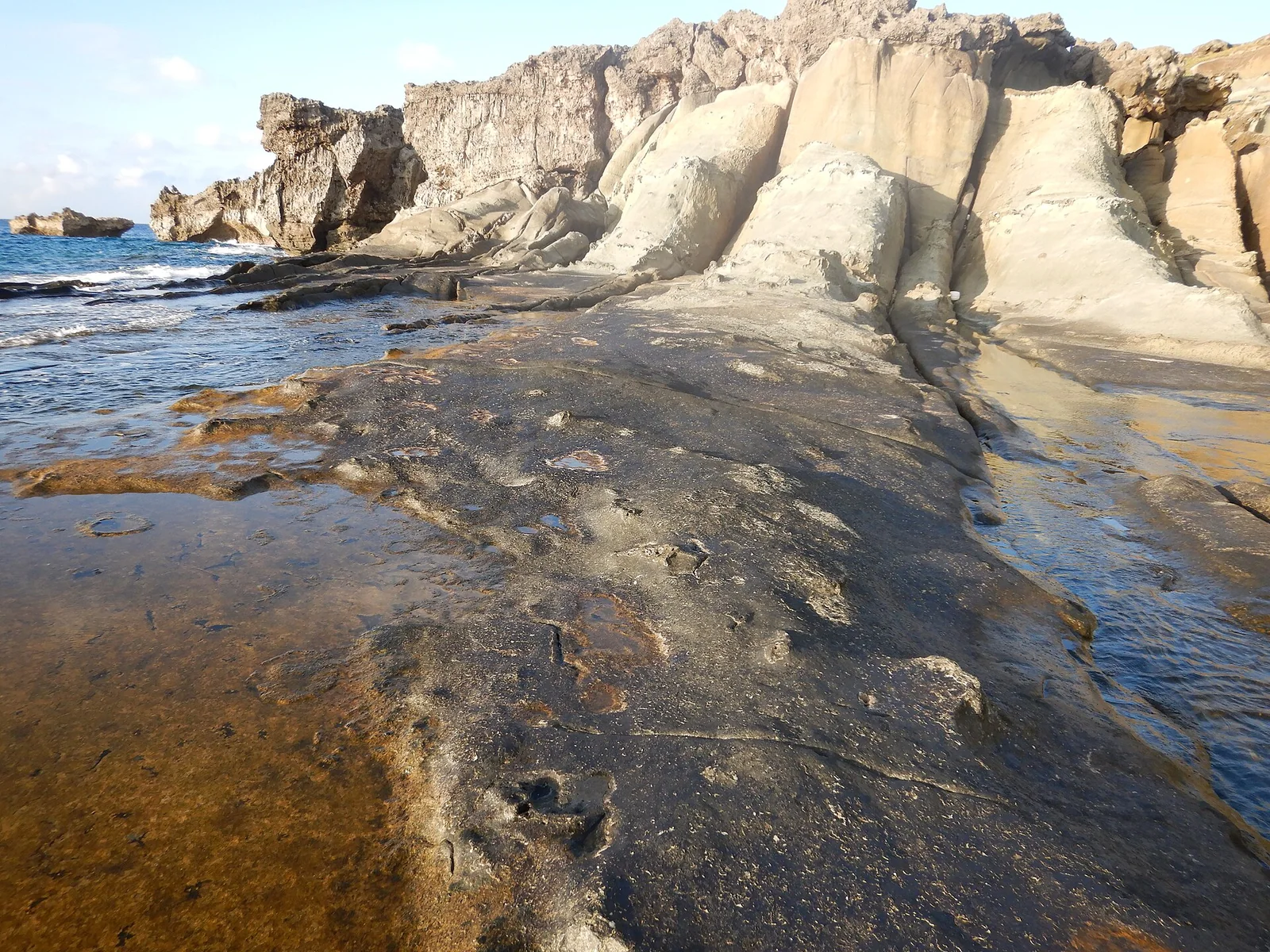

Japan is a mainstream travel destination, but safe travel still depends on understanding the risks that are specific to season, landscape and transport.

Practical risks to plan for
- Japan’s natural-hazard literacy matters: know local earthquake and tsunami procedures and follow official alerts rather than social-media speculation.
- Typhoons can disrupt flights and rail; build flexibility into coastal and island travel during the relevant season.
- Nightlife districts require ordinary caution around touts, inflated bills and drink-related incidents; follow current FCDO advice.
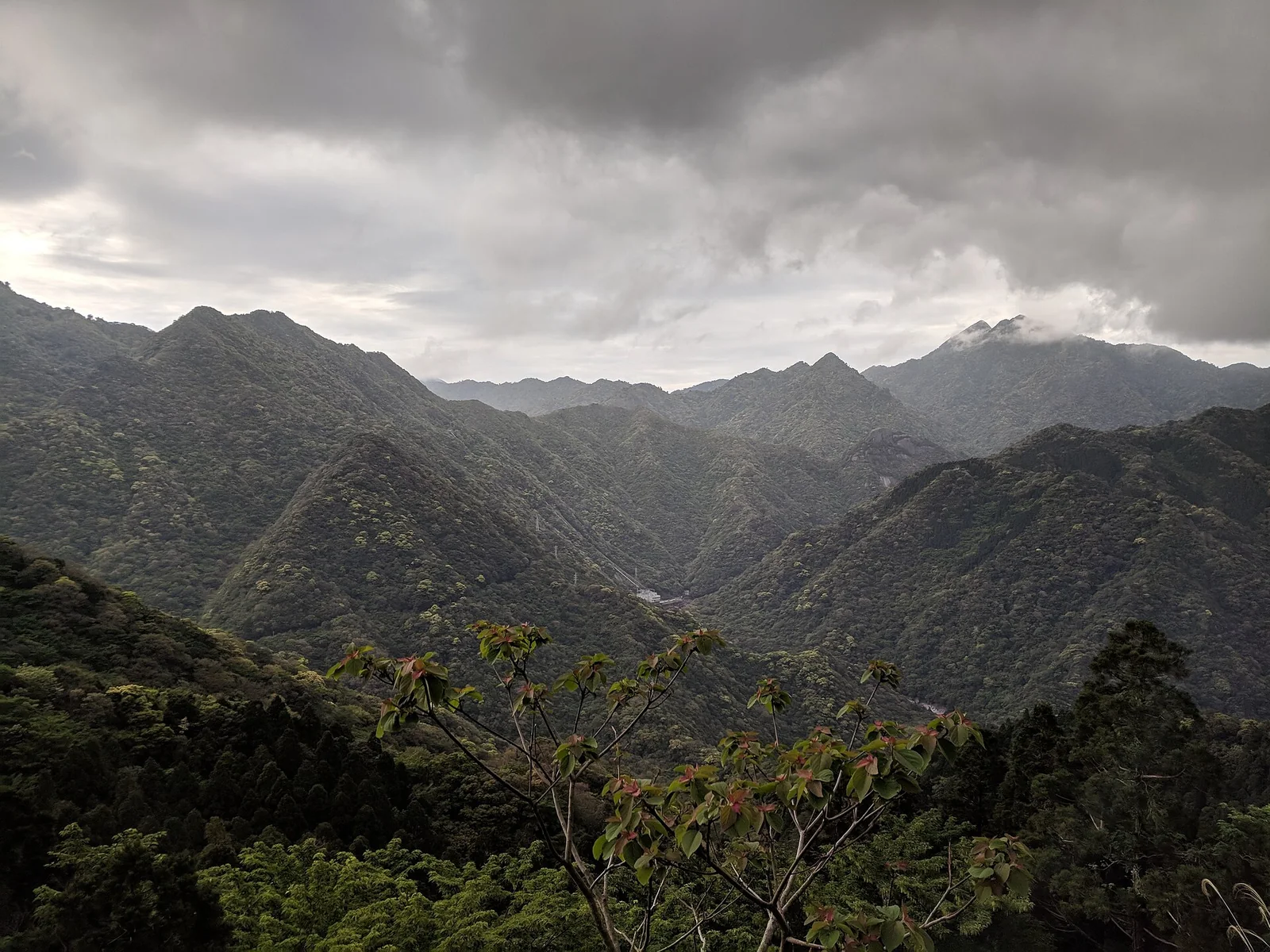
- Mountain and Fuji plans are seasonal activities with weather, equipment and access rules; “seeing Fuji” and “climbing Fuji” are different propositions.
Use official alerts
For wildfires, storms, earthquakes, volcanic activity, trail closures or transport disruption, follow official authorities and operators. Do not use an old travel article as a live warning system.
Low-drama precautions that work
Keep travel insurance appropriate to planned activities, leave connection buffers, save emergency information offline and check the next day's conditions before a weather-sensitive leg.