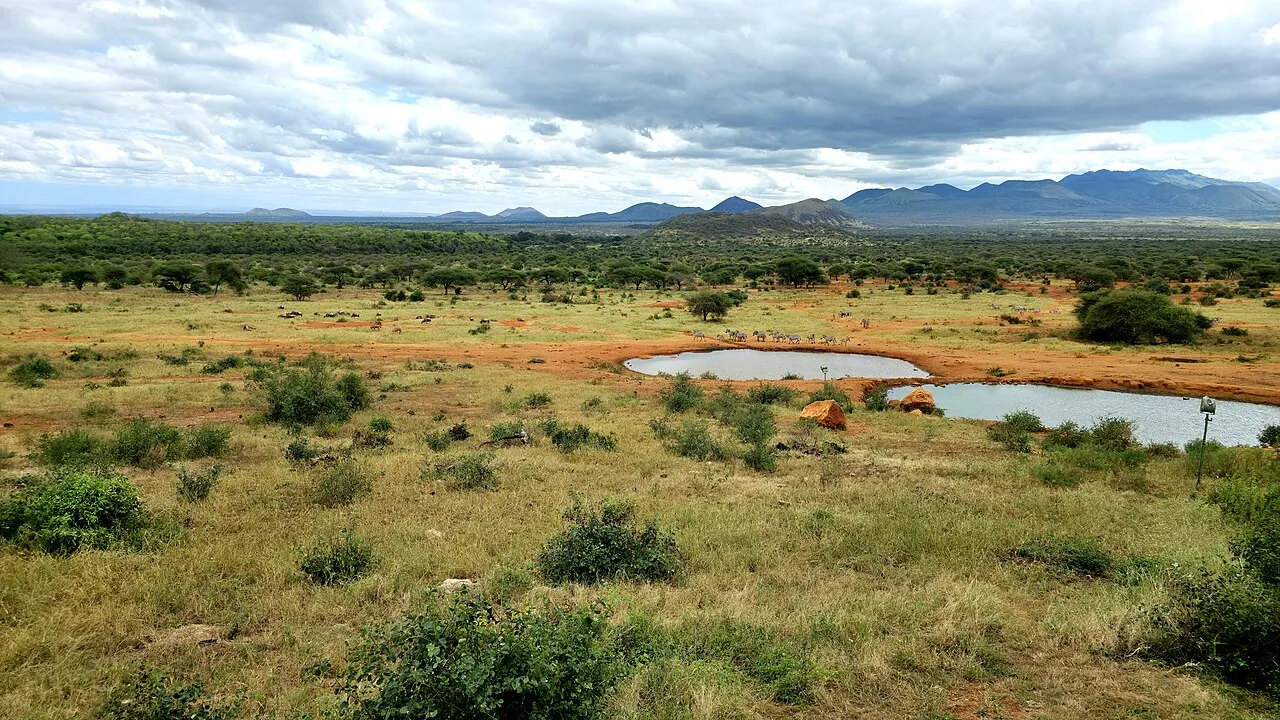

Kenya is a year-round destination, but the best time to go depends on what you want to see and where. The Maasai Mara is at its most famous between roughly July and October, when the Great Migration arrives from Tanzania. Amboseli, Samburu and Tsavo are rewarding in both dry seasons. The coast and Lamu have their own rhythm, set by monsoon winds rather than the rains inland. And the long rains of April and May bring lush landscapes, quieter parks and lower prices, with some trade-offs.
This guide explains how Kenya's seasons work and how to match the month to the trip you want. It describes typical patterns rather than forecasts; the rains can arrive early, late or not at all in a given year.
Kenya at a glance
- Best overall for safari: late June to October, and January to February.
- Great Migration in the Mara: typically July to October, with river crossings at their most likely in August and September.
- Best for the coast: roughly December to March and late June to October, avoiding the heaviest rains.
- Long rains: roughly March to May, heaviest in April and May.
- Short rains: roughly late October to December, usually lighter and shorter.
- Best value: the long rains and the shoulder months either side.
The Great Migration in the Maasai Mara
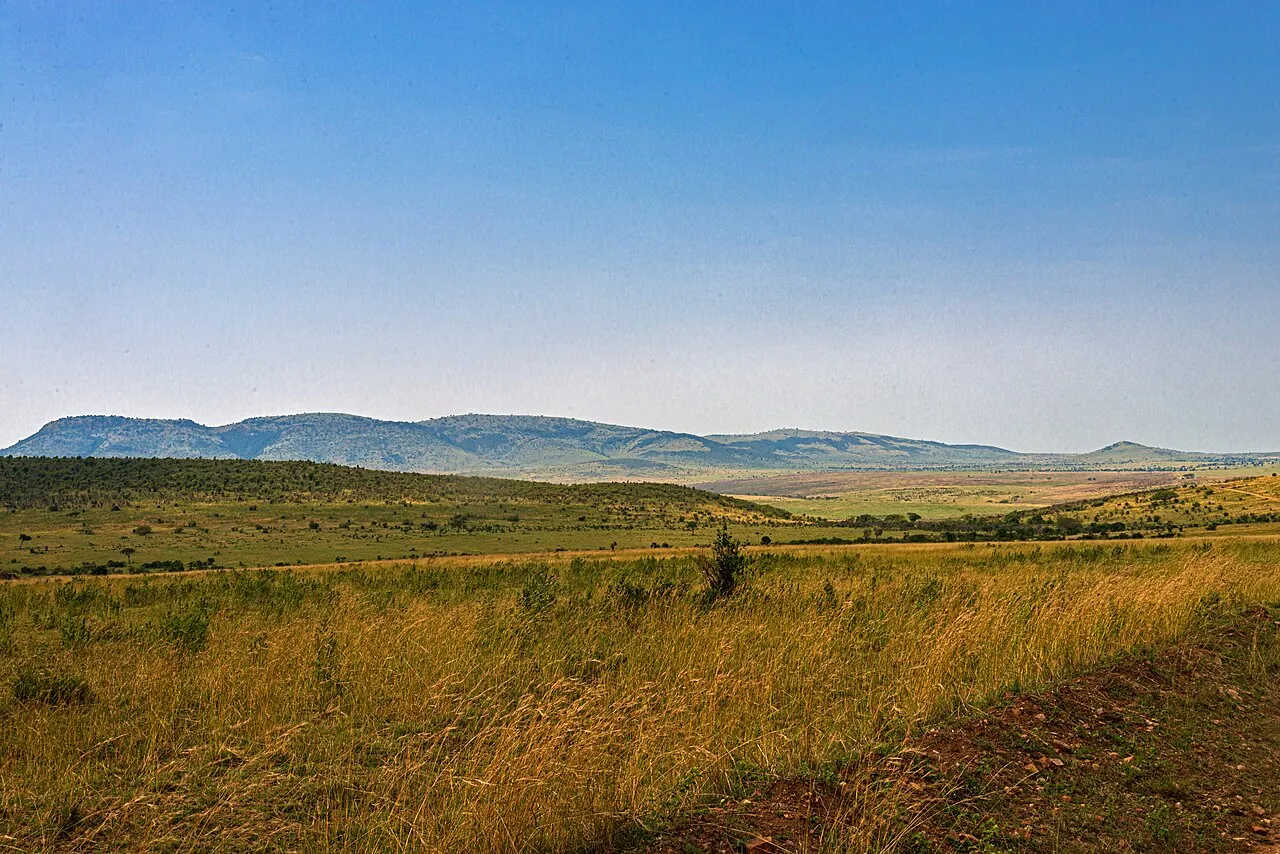
Each year, well over a million wildebeest, along with zebras and gazelles, move in a great loop between Tanzania's Serengeti and Kenya's Maasai Mara, following the rains and fresh grass. The herds usually enter the Mara from around July and remain until roughly October, before heading back south as the short rains begin in the Serengeti.
The most dramatic moments are the river crossings, when herds plunge into the Mara River past waiting crocodiles. These are unpredictable: herds can gather on the bank for hours and then turn away, and crossings can happen at different points of the river each day. Allow at least three or four nights in the Mara, and choose a camp near the river if crossings are your priority.
The Mara is excellent outside the migration too. Resident lions, cheetahs, leopards, elephants and buffalo are present all year, and the private conservancies around the reserve, such as those bordering its northern edge, offer quieter game viewing, night drives and walking at any time of year. The calving season, by contrast, happens in Tanzania's southern Serengeti, around January to March, not in Kenya.
The dry seasons: the classic safari months
Late June to October is Kenya's main safari season. Skies are clear, grass is shorter and animals gather near water, making game easier to find. It coincides with the migration in the Mara and with European and North American summer holidays, so demand and prices peak, especially from July to September. Mornings and evenings in the highlands and the Mara can be cool.
January and February form the second dry season. It is warmer than mid-year, with green landscapes after the short rains and fewer visitors than in August. It is an excellent time for Amboseli, Samburu, Tsavo and the coast, and a good-value alternative to the peak months.
The rainy seasons: what really changes
The long rains (March to May) bring heavy rain, often in the afternoons and at night, with April and May usually the wettest months. Some roads become difficult, some camps close for maintenance, and the coast is humid and wet. On the other hand, the parks are green and quiet, many lodges offer their lowest rates, newborn animals are common and birdlife is excellent.
The short rains (late October to December) are usually lighter and shorter, with brief afternoon storms rather than long downpours. Safaris remain very good, landscapes turn green quickly and prices are lower until the festive season, when demand rises again.
The coast: kaskazi and kusi
Kenya's coast, from Diani and Watamu to Malindi and Lamu, runs to a different rhythm from the safari parks. Two monsoon winds dominate the year:
- The kaskazi, the north-east monsoon, blows from roughly December to March. It brings hot, humid weather, calmer seas, good visibility for snorkelling and diving, and the classic beach-holiday season.
- The kusi, the south-east monsoon, blows from around June to September. It brings cooler, breezier weather, choppier seas and seaweed on some beaches, but excellent conditions for kitesurfing, particularly at Diani.
The long rains, from about April to June, are the wettest period on the coast, and some smaller hotels close. Between July and October, humpback whales migrate along the coast, and whale-watching trips run from places such as Watamu.
Lamu and the festival calendar
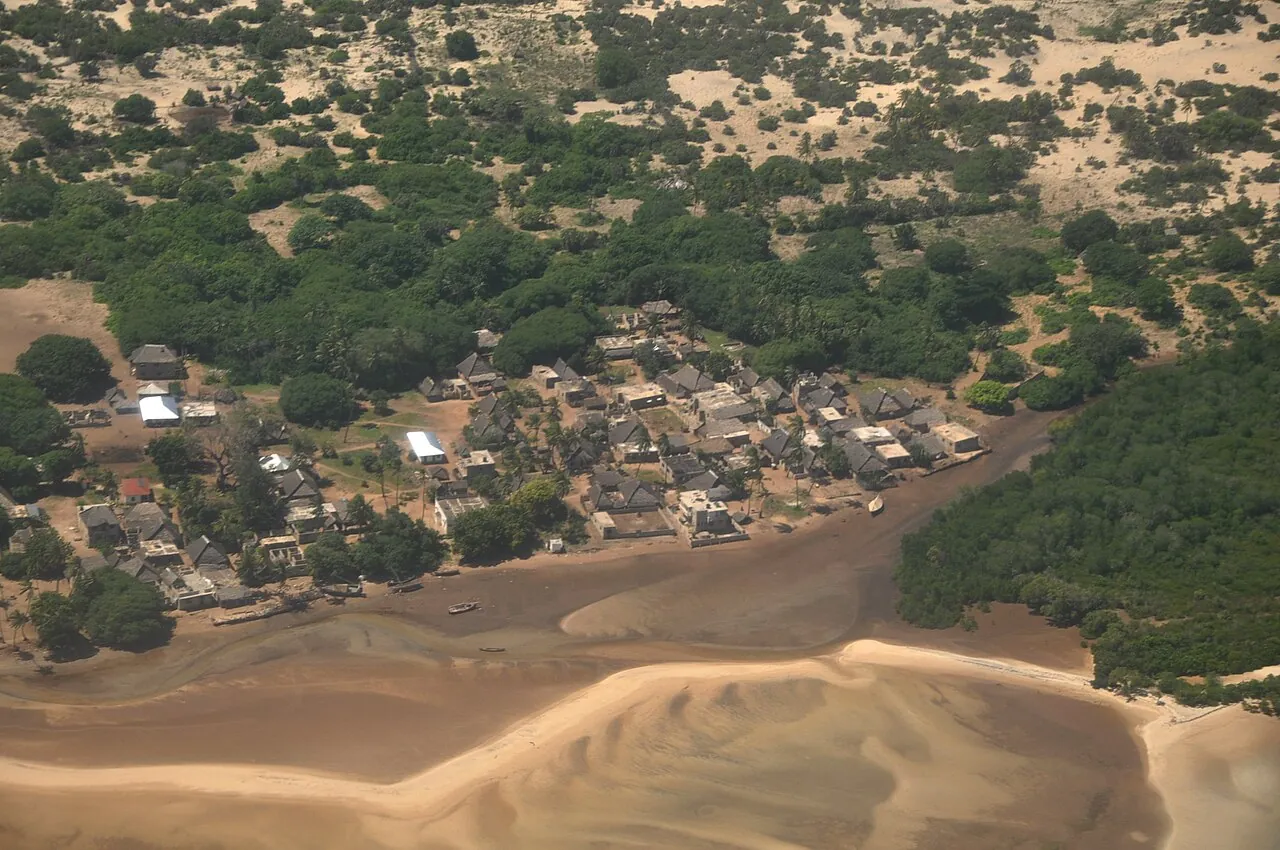
Lamu Old Town, a UNESCO World Heritage Site, is one of the best-preserved Swahili settlements in East Africa, with narrow lanes, carved wooden doors and donkeys instead of cars. Its pace is slow at any time of year, but it is especially rewarding during the Lamu Cultural Festival, usually held in November or December, with dhow races, donkey races and Swahili poetry and music. Maulidi, celebrating the birth of the Prophet Muhammad, is also an important event here; its date follows the Islamic calendar and moves each year. Ramadan changes the rhythm of the island, and visitors should dress and behave with particular respect at that time.
Mount Kenya and the highlands
Mount Kenya, Africa's second-highest mountain, is best climbed in the dry seasons, roughly January to February and late June to October. Nights on the mountain are cold at any time of year, and conditions can change quickly. The highlands around Nanyuki, Laikipia and the Aberdares are cooler than the lowlands and can be misty and wet in the rains. Laikipia's private conservancies, known for rhinos, wild dogs and community-run lodges, are good year-round, with the best conditions in the dry months.
Northern Kenya and Lake Turkana
Few visitors reach Kenya's far north, but those who do find some of its most remarkable landscapes. Lake Turkana, the world's largest permanent desert lake and a UNESCO World Heritage Site, lies in a hot, windswept region of volcanic rock and semi-desert, home to pastoralist communities such as the Turkana, Samburu, Rendille and El Molo. It is hot all year, and journeys are long and demanding, so the cooler months of the dry seasons are the most comfortable. Tracks can become impassable after heavy rain. Many travellers visit by light aircraft or on expedition-style trips with experienced operators.
Birding and wildlife beyond the migration
Kenya is one of Africa's top birding destinations, with well over a thousand species recorded. Birding is excellent all year, but from about November to April, migrant species from Europe and Asia join the residents, and many birds are in breeding plumage during the rains. The Rift Valley lakes, Kakamega Forest in the west and the Arabuko-Sokoke Forest near Watamu are standouts.
Other wildlife highlights do not depend on the migration. Amboseli is home to one of the most closely studied elephant populations in the world, with research running since the early 1970s, and its big-tusked bulls are a sight at any time of year. On the coast, sea turtles nest on beaches around Watamu, where local conservation groups protect nests and sometimes allow visitors to watch hatchlings released. In Laikipia and at Lewa, conservancies protect black and white rhinos, with good sightings in the dry seasons.
Combining Kenya and Tanzania
Many travellers combine Kenya with Tanzania to follow the migration. In general, the herds are in the Mara from about July to October, in the northern and central Serengeti either side of that period, and in the southern Serengeti for calving from roughly January to March. If you want to see a specific stage of the migration, plan the country around the month. Read our guide to the best time to visit Tanzania for the other half of the story.
Region by region
- Maasai Mara and conservancies: best from July to October for the migration; excellent year-round for resident wildlife, with the long rains the quietest time.
- Amboseli: best in the dry seasons for elephants and Kilimanjaro views, which are usually clearest early in the morning.
- Samburu: good in both dry seasons, when animals gather along the Ewaso Ng'iro River; home to species found mainly in the north, such as Grevy's zebra and reticulated giraffe.
- Tsavo East and West: large and less visited, best in the dry months.
- Lake Nakuru and the Rift Valley lakes: good year-round; flamingo numbers vary greatly with water levels.
- The coast: December to March and late June to October.
- Mount Kenya: January to February and late June to October.
Month by month
- January: dry, warm and green; excellent for safari and the coast.
- February: similar, often the hottest month on the coast.
- March: rising heat and the start of the long rains in some years.
- April: long rains; quiet parks, low prices, some camps closed.
- May: long rains easing late in the month; lush landscapes.
- June: drying out, cooler; shoulder season prices.
- July: peak safari season begins; migration arriving in the Mara.
- August: peak season; prime time for river crossings.
- September: excellent game viewing; still busy.
- October: migration often still in the Mara; fewer visitors late in the month.
- November: short rains; green, quieter and good value.
- December: short rains easing; busy around the festive season.
How season changes prices
Kenya's safari lodges and camps usually set three or four price bands. Peak rates apply from around July to October and over Christmas and New Year; high or shoulder rates in January, February, June and November; and the lowest green-season rates in April and May. Some Mara conservancy camps charge higher fees in the migration months. For a full breakdown of where the money goes, read our guide to Kenya travel costs.
What to pack by season
- Dry season safaris: warm layers for cold early mornings in open vehicles, neutral-coloured clothing, a hat and sunscreen.
- Rainy seasons: a light waterproof jacket, quick-dry clothes and insect repellent.
- The coast: light, modest clothing for towns such as Lamu and Mombasa, reef-safe sunscreen and a cover-up.
- Mount Kenya: proper mountain clothing, including a warm jacket, gloves and a hat.
Light aircraft flights to the Mara and other parks usually have soft-bag luggage limits, so pack light.
Choosing the right time
For a first safari with the migration, aim for July to October and book early. For fewer crowds and still excellent wildlife, January and February are a superb alternative. If you want the best value and do not mind some rain, the long rains and shoulder months offer real bargains. Combine your safari with the coast between December and March, or between late June and October.
Plan your trip with the Kenya itineraries, choose bases with where to stay in Kenya, read the Kenya safety guide, and find everything else on the Kenya hub.