
Is Kenya safe? Millions of visitors travel to Kenya every year, and the vast majority have a smooth, rewarding trip. The safari industry is mature, guides are highly trained and many lodges and conservancies are among the best run in Africa. The main risks come from crime in large cities and on some highways, road safety, scams and the realities of travelling among wild animals.
This guide sets out the lasting, practical advice for travelling safely in Kenya. Some areas, particularly near the borders with Somalia, Ethiopia and South Sudan, are subject to specific government warnings that change over time, and we do not cover live alerts here. For current advice, check the UK Foreign Office (FCDO) travel advice for Kenya, including its regional maps, or your own government's advice before you travel, and follow TripMag Travel News for updates.
The short answer
- Safari parks, reserves and conservancies: generally very safe with reputable operators and lodges.
- Nairobi and Mombasa: street crime is common; use pre-booked transport and avoid walking at night.
- Beach resorts: generally relaxed, but be cautious on isolated beaches and at night.
- Roads: the biggest everyday risk; avoid night driving outside towns.
- Remote border regions: check current government advice before any travel.

Nairobi: street sense in a big city
Nairobi is a dynamic, fast-growing capital with excellent restaurants, museums and Nairobi National Park on its doorstep, where giraffes and rhinos roam against a backdrop of skyscrapers. It also has high rates of street crime, including mugging, bag snatching and armed robbery.
- Use pre-booked taxis or ride-hailing apps rather than flagging cars, especially at night.
- Avoid walking after dark, and avoid isolated areas even in daylight.
- Take extra care in the Central Business District, Eastleigh and informal settlements such as Kibera and Mathare. If you want to visit one of these areas, go with a reputable community-led tour.
- Keep phones and valuables out of sight, and avoid wearing expensive jewellery or watches.
- Keep car doors locked and windows closed, particularly in traffic.
- If you are attacked, do not resist.
For airport transfers, use your hotel or a trusted company, and follow the main routes; the FCDO notes a higher risk of carjacking on some roads to and from the airport.
Mombasa and the coast
The coast is generally relaxed, and resorts such as Diani, Watamu and Malindi see many visitors. In Mombasa, take care in the Old Town, especially after dark, and on and around the Likoni Ferry linking the city to the south coast, where bag snatching and pickpocketing are common. On beaches, avoid walking alone in isolated areas, and leave valuables in your hotel.
The coast is predominantly Muslim. Dress modestly away from beaches and resorts, particularly in Mombasa and Lamu, and cover shoulders and knees when visiting religious sites. For Lamu and Manda islands, the FCDO advises travelling by air rather than by road; check the current advice before planning a route.
Safety on safari
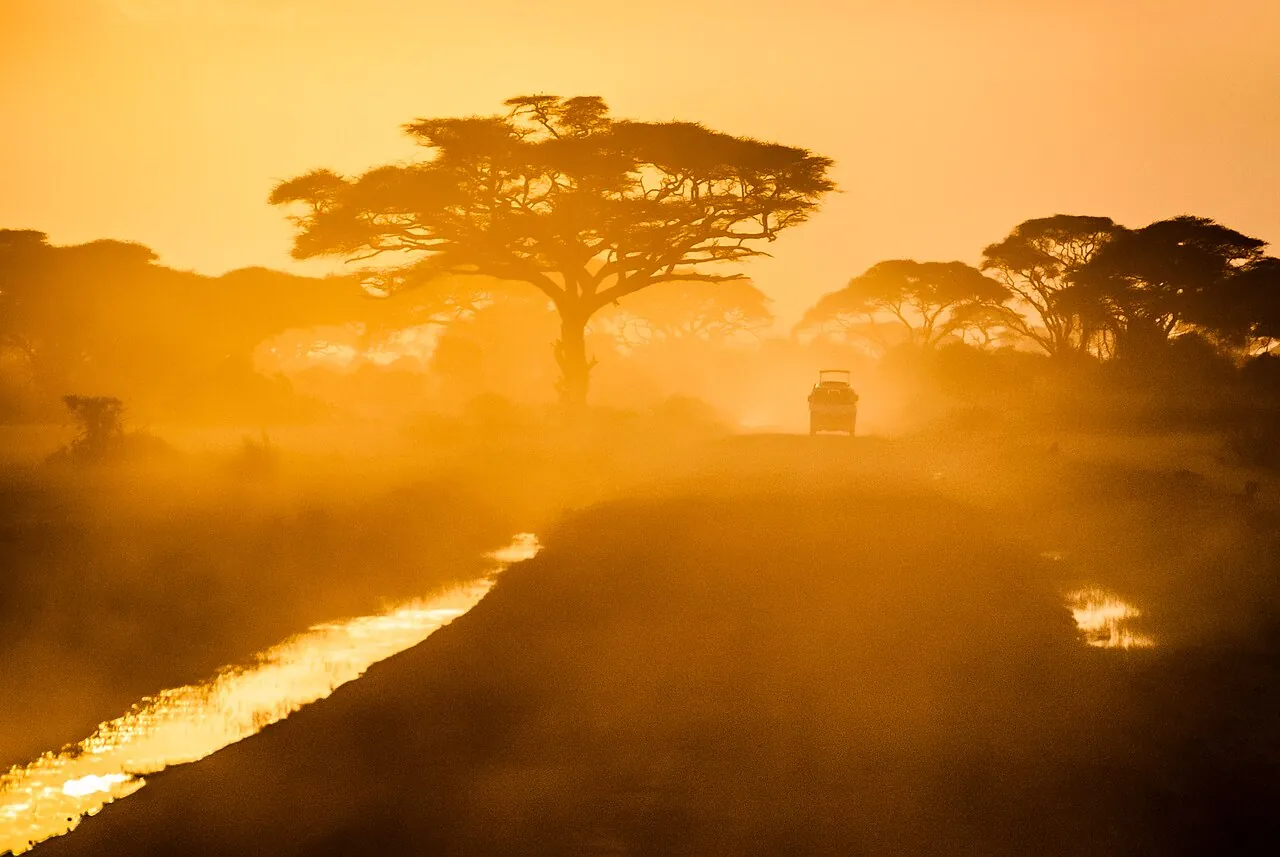
Kenya's parks and conservancies are generally very safe, provided you follow the rules and travel with reputable operators.
- Book with licensed operators, and never buy safaris from touts on the street or at the airport.
- Arrive at parks and lodges in daylight.
- Stay in the vehicle unless your guide says otherwise, and keep a respectful distance from animals.
- In unfenced camps, always ask for an escort after dark.
- On walking safaris, follow your guide exactly, walk in single file and never run.
- Do not swim in rivers or lakes in national parks, which is illegal, and avoid fresh water elsewhere.
Scams and spiking
Scams in Kenya are usually more annoying than dangerous, but a few deserve attention:
- Fake officials: criminals sometimes pose as police officers or private security guards to take valuables, passports or vehicles. Ask for identification, stay calm and, if in doubt, offer to go to the nearest police station.
- Safari touts: unlicensed sellers offering cheap safaris may provide unsafe vehicles or simply disappear with the money.
- Drink and food spiking: do not accept drinks or food from strangers, and keep an eye on your glass in bars and clubs.
- Counterfeit alcohol: methanol in illicit spirits cannot be tasted or smelled and can be fatal. Stick to sealed drinks from reputable places, and seek urgent help if anyone feels unwell after drinking.
- Dating apps and social media: criminals have used them to lure people into robbery. Meet in busy public places and tell someone where you are.
- On-the-spot fines: traffic fines paid in cash at the roadside are illegal; ask for the correct paperwork.
Road safety and transport
Traffic drives on the left. Road safety is a serious concern: driving standards are often poor, speeds are high and accidents involving buses and matatus, the minibuses used for most local journeys, are common.
- Avoid night driving outside towns.
- Choose reputable operators for safaris and long journeys, with well-maintained vehicles and experienced drivers.
- Avoid matatus for long distances; many are poorly maintained, may be uninsured and have been targeted by robbers.
- Be careful on motorbike taxis, known as boda bodas, which are cheap and quick but involved in many accidents. Wear a helmet if you use one.
- Consider domestic flights to the Mara, Samburu, Lamu and the coast, which save time and avoid long road journeys.
- Take the train between Nairobi and Mombasa, the Madaraka Express, a comfortable and safe option; keep valuables with you if you leave your seat.
If you drive yourself, the FCDO advises keeping doors locked and windows closed, driving in convoy in remote areas and being wary of unofficial checkpoints. Read our guide to getting around Kenya for the options.
Health: the risks that matter
- Malaria is present in much of Kenya, including the coast and many safari areas, although Nairobi and the highlands are lower risk. See a travel clinic well before you go.
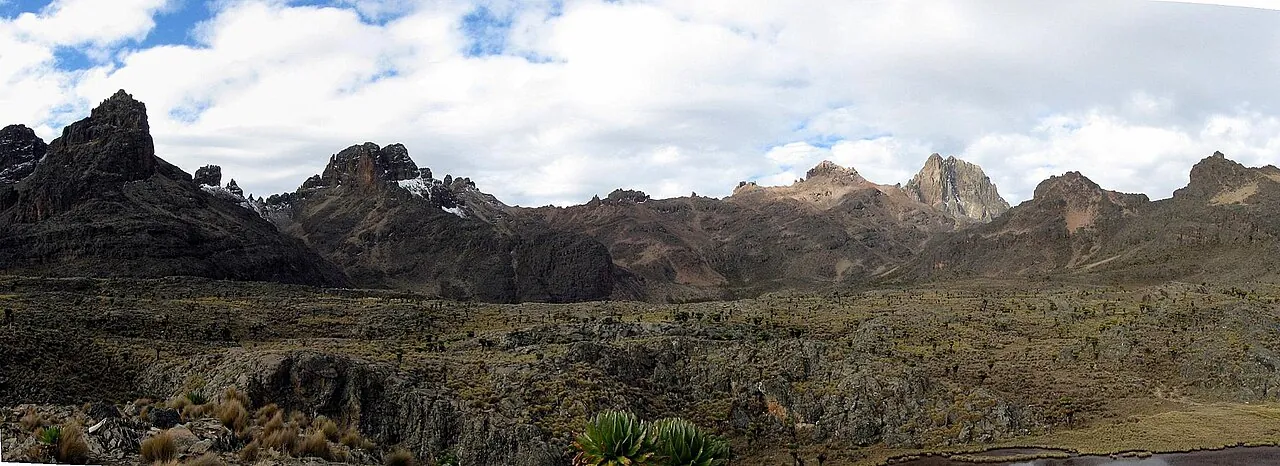
- Altitude: Mount Kenya and its high trails carry a real risk of altitude sickness. Ascend slowly and descend if symptoms worsen.
- Water: drink bottled or treated water.
- Sun and heat on the coast and in the north can be intense.
- Medical care in Nairobi is good at private hospitals, but limited in remote areas. Make sure your travel insurance covers medical evacuation, including flying doctor services from safari areas.
Laws and local customs
- Plastic bags: Kenya banned plastic carrier bags in 2017, with some of the strictest penalties in the world. Leave plastic bags at home and pack duty-free purchases carefully.
- ID: you must always carry ID. A passport copy is usually accepted, but police may ask to see the original, so keep it within reach.
- Smoking: smoking in public places outside designated areas is illegal and can bring a fine of up to 50,000 shillings or imprisonment.
- Drugs: possession can lead to long prison sentences, and trafficking to life imprisonment.
- Photography: do not photograph official buildings, embassies, airports, police or military sites. Always ask before photographing people, including Maasai and Samburu communities.
- LGBT+ travellers: same-sex sexual activity is illegal, and public displays of affection could lead to arrest. Read your government's specific advice.
- Wildlife products: trading or owning protected wildlife or its parts without a licence is illegal. Avoid souvenirs made from ivory, shells, skins or coral.
Money, cards and M-Pesa
Kenya is one of the world's most cashless economies, thanks to M-Pesa, the mobile money service launched in 2007 that is now used for everything from taxi fares to market stalls. Visitors can register a local SIM card for M-Pesa with a passport, which reduces the need to carry cash. Cards are widely accepted in hotels, lodges, malls and restaurants in cities.
- Use ATMs inside banks or malls during the day, and shield your PIN.
- Carry only the cash you need, split between pockets or bags.
- Check card terminals and keep your card in sight when paying.
- Be wary of M-Pesa scams, such as messages claiming money was sent to you by mistake and asking you to return it. Check your balance before sending anything.
Hiking, climbing and the outdoors
Mount Kenya, the Aberdares, Hell's Gate and the hills around the Rift Valley offer superb walking, but they need preparation. On Mount Kenya, use a registered guide and porters, ascend slowly to reduce the risk of altitude sickness and carry proper cold-weather gear, because nights near the summit drop well below freezing. In some areas, including parts of the Aberdares and forest trails, a ranger or local guide is required because of wildlife such as buffalo and elephants. Hell's Gate, where visitors can cycle and walk among zebras and giraffes, has gorges that can flood suddenly after rain upstream; follow ranger advice and avoid the gorge when storms threaten. Check that your travel insurance covers hiking at altitude.
At the beach and in the sea
Kenya's coast has warm water and reefs, but take care. Check tides and currents with your hotel, swim at beaches with lifeguards where possible, and be cautious about walking on reefs at low tide, where sea urchins and stonefish can cause injuries. Book boat trips, snorkelling and diving with licensed operators who provide life jackets and well-maintained boats. Kitesurfing at Diani is best learned with an established school.
Solo and women travellers
Solo travellers, including women, travel widely in Kenya, especially on organised safaris and at the coast. Use pre-booked transport, avoid walking alone at night, dress modestly in towns and on the coast, and be firm but polite with unwanted attention. Beach boys, informal sellers and guides on the coast can be persistent; a clear 'no, thank you' usually works.
If something goes wrong
Report thefts to the nearest police station and ask for a written report, which you will need for insurance claims. If your passport is lost or stolen, report it to the police and contact your embassy or high commission in Nairobi. For medical emergencies on safari, lodges and operators work with air ambulance services, so keep your insurer's emergency line and policy number with you, and share them with your guide.
Emergency numbers
In Kenya, call 999 or 112 for emergency services; 911 also connects on many networks. Response times can be slow outside cities, so on safari your guide, lodge or the conservancy will often be the fastest source of help. Save your embassy's contact details and your insurer's emergency number before travelling.
A calm checklist before you go
- Check your government's travel advice and regional maps shortly before departure.
- Take out travel insurance with medical evacuation, covering your planned activities.
- See a travel clinic about malaria and vaccinations.
- Book safaris and transfers through reputable, licensed operators.
- Avoid road travel after dark and walking alone at night in cities.
- Leave plastic bags at home, and carry ID.
Plan the rest of the trip with the best time to visit Kenya, the Kenya travel costs guide and the Kenya itineraries, and find everything else on the Kenya hub.