
A sunny February afternoon in Funchal tells you very little about the conditions on a high Madeira ridge. A warm June day in Lisbon does not guarantee gentle Atlantic surf or a quiet hotel in the Algarve. Portugal's seasons are not interchangeable across its cities, inland valleys, islands and exposed coast. Rather than declaring one perfect month for everybody, this guide matches the calendar to the trip: city walking, beach time, wine landscapes, island hiking and realistic budgets. The answer depends on what you want to do, where you will do it and which conditions could change your plans.
Season by season
- March–May: mild mainland sightseeing, green landscapes and generally easier city pacing
- June–August: long days and beach weather, with peak crowds, higher heat and wildfire awareness
- September–October: warm coast, wine-country interest and strong shoulder-season routing
- November–February: city and food trips can work well; Atlantic weather is more changeable and islands need flexibility
Match season to logistics
Weather is only half the decision. Transport frequency, closures, wildfire or storm risk, daylight and accommodation demand can change the quality of a route even when the forecast looks attractive.
Shoulder season usually buys flexibility
For many first-time routes, late spring or early autumn offers a stronger balance of access and pacing than peak season, but always check the specific region rather than applying a national rule.
Portugal has several travel calendars, not one
The answer to “When should I visit Portugal?” changes with the story you want the trip to tell. A summer coastline holiday in the Algarve, a train-led cultural journey through Lisbon and Porto, autumn days among the Douro's vineyards, a remote Azores landscape trip and a demanding Madeira mountain walk do not share one perfect month. The mainland's north–south difference matters, as do altitude and Atlantic exposure. The national tourism authority explicitly explains that mainland conditions differ by latitude, altitude and distance from the sea. A weather chart for Lisbon cannot be treated as a forecast for a mountain trail above Funchal.
This guide uses seasons as a decision framework rather than promising a particular temperature or a guaranteed number of sunny days. When a date depends on conditions, consult the Portuguese Institute for Sea and Atmosphere (IPMA) for forecasts, alerts, sea state and warnings. When it depends on a booked attraction or hike, use the responsible authority. Shoulder seasons can make an itinerary more comfortable, but “avoid August” is not sound universal advice: for a family whose priority is a supervised beach holiday during school holidays, the classic summer period may still be exactly right.
January: quieter cities, winter landscapes and flexibility
January suits visitors drawn more to museums, city food and quiet streets than to long days on the sand. Lisbon can work as a cultural break, but expect more changeable weather and a greater need for indoor alternatives than in spring. Porto and the green north may feel damp and cool, while the interior and elevated areas demand particular attention to conditions. A short rail-based stay can still be rewarding when it revolves around galleries, restaurants and neighbourhoods rather than a rigid list of sunny viewpoints.
Madeira offers a different winter proposition, with its milder coastal climate and mountainous terrain. Do not mistake a comfortable afternoon in Funchal for safe hiking weather at a high trailhead. The Azores may also be temperate but exposed to Atlantic systems, meaning a flexible itinerary is more valuable than a promise of clear crater views. If the route includes remote walks or ferries, allow extra time. January is for travellers willing to appreciate a destination without requiring every outdoor plan to unfold precisely as booked.
February: a city-and-food trip with a rain plan
February can be an appealing choice for those who enjoy cities at a gentler pace. Spend several nights in one base rather than making repeated one-night transfers, and put museums or food-focused experiences near outdoor walks so the day's order can change when showers arrive. A couple who hope to explore Porto's old streets and dine well may enjoy the relative calm; a family expecting reliable swimming conditions would be better served by a different season or a different destination.
In the north, pack footwear that handles wet streets and a good waterproof layer. In Lisbon, consider a hotel with straightforward transport rather than an exposed hilltop property whose views will only occasionally emerge between rain showers. Islands still deserve weather contingencies: a listed trail may be closed or unsafe despite pleasant temperatures in the main town. The central principle is flexibility, not that a particular winter month guarantees bargains or crowd-free museums.
March: early spring without assuming it has arrived everywhere
March often makes travellers optimistic about spring city trips, but regional differences remain substantial. Lisbon's walkable districts and central Portugal can be more attractive as days lengthen, while northern or inland conditions can still vary sharply. If you are choosing between cultural sightseeing and beach time, March generally rewards the former more reliably. Plan a city base with a day-trip option but retain an alternative for unsettled weather; a well-paced museum or historic-town excursion is as valid as a clifftop walk.
For nature travel, check what trails and facilities are open on the dates you intend to visit. A lower-elevation outing may be sensible while a high mountain route is exposed to rain, mist or wind. If a spring trip includes both Lisbon and the Douro, resist estimating valley conditions from the forecast for central Porto. A region-based packing list is more useful than carrying the same clothes for every part of the itinerary.
April: strong for walking, with live-warning caveats
April can be attractive for visitors who favour urban exploration, gardens and moderate outdoor activity over beach swimming. A Lisbon–Coimbra–Porto rail itinerary becomes easier to enjoy as daylight increases, although rain is still possible. Inland Alentejo towns can be pleasant for walking and discovering local food before the most demanding summer heat. The value is the ability to explore without planning every hour around shade, not a guarantee that the forecast will cooperate.
The FCDO highlights April through October as a period of elevated wildfire risk in Portugal. That broad warning is not a claim that every area is unsafe in April; it is a reminder to monitor current conditions on rural and hiking days. Similarly, Madeira's classified trails require reservations under the 2026 rules, and their actual statuses can change. If hiking is central to the trip, plan the transport and booking around the current official route listing, not around photographs taken by someone in a different year.
May: one of the most versatile mainland months
For many visitors May offers a useful balance between city walking, rural scenery and an increasingly outdoor-oriented holiday. Lisbon and Porto can combine well with a short Douro or central Portugal excursion without the pressure to spend every afternoon at the beach. In the Alentejo, a driving route between historic towns and landscapes can be appealing, provided you still check current heat and wildfire warnings. A first-time traveller interested in architecture, food and views rather than sea swimming might find May an excellent framework.
This does not mean every beach is warm enough for everybody to swim comfortably. Portugal faces the Atlantic, and local water temperature, wind and swell remain relevant. The Algarve may invite long beach walks, boat excursions when conditions allow and town life, but a coastal wind can change the feeling of a sunny day. If your holiday depends on daily swimming, choose accommodation and travel dates around what is realistically comfortable for your party instead of treating a “best month” label as a promise.
June: long days, festivals and rising demand
June suits travellers who enjoy longer daylight, outdoor meals and a balance between cities and coast. Lisbon and Porto have an active early-summer atmosphere, and the Algarve becomes increasingly appealing to visitors planning a holiday around beaches and sea-facing towns. It is also a month in which demand can rise around events and school-holiday periods in different markets. Book important accommodation and essential tickets ahead when your dates are fixed, but leave some evenings free to experience the place rather than only the events you have paid to attend.
Outdoor activities need the same local attention as at other times. A dry day does not guarantee that cliff paths are secure or that the Atlantic is safe for swimming. Check lifeguard flags, surf and current conditions. Inland routes may already be hot enough to favour early starts and meaningful shade breaks. The value of June is in the breadth of available experiences, not the idea that it is always cheaper or cooler than later summer.
July: choose coast and pace deliberately
July is a natural period for coastal holidays, but it also raises the importance of booking and daily planning. Popular Algarve beaches, resort towns and major attractions can see substantial demand. A hotel near the beach you actually intend to use may be worth more than a room far inland that requires daily driving and parking. For Lisbon and Porto, schedule longer outdoor walks earlier or later in the day when forecasts indicate high temperatures, and allow indoor rest during the most exposed hours.
In the interior, heat can make ambitious driving and walking itineraries unnecessarily tiring. The FCDO's wildfire warning should be taken seriously on rural days. A traveller whose main interests are museums and food may be better served by another month; a family needing school-holiday dates can still create a satisfying July journey by reducing transfers and avoiding overambitious midday excursions. Make local conditions, not a universal seasonal ranking, the deciding factor.
August: summer atmosphere and the price of popularity
August can provide the classic high-summer beach experience, particularly for visitors whose priorities align with the coast. It is also a month when accommodation location, parking and the flexibility to enjoy quieter hours become central. A traveller in Lagos or another Algarve base may gain more from two relaxed beach days and a safe coastal excursion than from trying to drive to every famous viewpoint. Book key accommodations early when flexibility is limited, and avoid insisting on a plan that exposes the party to heat throughout the day.
North and inland Portugal can experience different weather patterns, but do not assume that a cooler-looking mountain photograph means a trail is protected from heat, fire risk or sudden wind. Use IPMA and official local information for any exposed activity. Those who dislike crowded restaurants or busy resort settings may prefer June or September. The key is knowing what kind of August you actually want, not declaring the month either perfect or impossible.
September: a compelling blend of coast and culture
September can work particularly well for visitors combining city experiences, coast and wine-country landscapes. For a couple looking for both Porto and the Douro, the region's autumn rhythm can be part of the appeal. Lisbon also remains an interesting base for walking, museums and day trips as the intensity of summer demand begins to change. The Algarve may still suit a coastal holiday, although the sea and air conditions vary by day and exact location. Do not promise that any particular week will deliver ideal swimming weather.
Seasonal operations and transport remain important. A boat excursion may be restricted by swell even on a warm day, and a rural vineyard visit may require booking well in advance, especially around harvest-related activities. Rather than chasing a generic “September is best” conclusion, select a route that benefits from the combination of cultural options and reasonable outdoor flexibility. If sea swimming is the priority, check the specific coast and suitable beaches before booking.
October: autumn towns and a route with backup days
October can favour city breaks, regional food and a slower journey through northern or central Portugal, but the Atlantic weather becomes more variable. The Douro and Alentejo may reward travellers who value landscape and culture over peak summer sunshine. Build an itinerary with alternatives: an outdoor village visit can switch with a museum or a long lunch if rain affects the planned day. For a 10-day journey, Lisbon and Porto plus one focused region are usually more manageable than trying to cover the whole country.
The FCDO's April-to-October wildfire-risk period still merits attention where conditions are dry. That warning coexists with the possibility of rain and wind at different locations; national seasonal categories are broad rather than precise local forecasts. On Madeira and the Azores, confirm hiking and inter-island travel conditions closer to the date. October is rewarding when the itinerary accepts uncertainty rather than demanding the same coast conditions as midsummer.
November: the indoor-outdoor balance changes
November is suitable for visitors who are comfortable adapting a city break around rain, shorter days and variable temperatures. Lisbon offers a good range of indoor culture and food, and Porto can be atmospheric without requiring blue sky. Choose well-located accommodation and a sensible walking route rather than repeatedly crossing town between distant attractions. A shorter break based in one city may be more satisfying than a large north–south itinerary with frequent luggage transfers.
The islands remain options, but a warm-looking coastal forecast does not describe high ground. In the Azores, cloud can make volcanic viewpoints invisible; in Madeira, classified trail status and mountain weather determine what is feasible. Book a few experiences that work in any weather, leave outdoor excursions movable and avoid a non-refundable chain of weather-dependent activities. November's appeal is the possibility of slowing down, not a guarantee of either low prices or mild conditions every day.
December: cities, food and realistic winter expectations
December can be enjoyable for festive urban breaks, especially when the purpose is architecture, food, museums and atmospheric evenings rather than all-day beach weather. Short daylight hours and rain require planning, and opening schedules around holidays may differ from normal weekdays. For a Lisbon or Porto stay, check the actual hours of any museum or restaurant that matters to you. A beautiful hotel in a practical location becomes more valuable when the day's itinerary may change with the forecast.
Madeira can be appealing as an island-based winter break, but consider how weather, holiday transport and mountain-trail access affect the plans you have in mind. Do not book an ambitious point-to-point hike solely because the island's average coastal temperature looks inviting. If travelling around Christmas or New Year, confirm transport and dining arrangements well ahead of time. December suits a trip planned around atmosphere and flexibility rather than a list of destinations that all depend on sun.
Lisbon: best for a walking city break, not a fixed weather promise
Lisbon works across much of the year because its appeal does not depend on sea swimming. Spring and early autumn can offer a comfortable combination of longer daylight and an outdoor café culture, but this is a broad planning preference rather than an absolute weather rule. In midsummer, hill climbing and queues can feel more tiring; in winter, a route that alternates museums with short outdoor walks may be wiser. A traveller keen on photographs at viewpoints might prefer mornings or evenings in warm months, while a visitor interested primarily in food and historic interiors can build an enjoyable itinerary even when the sky is grey.
For short breaks, accommodation location matters at least as much as month. A transport-friendly hotel gives you flexibility to move plans around rain or heat. Sintra has a different hillier microclimate from central Lisbon; do not assume that a sunny capital morning guarantees comfortable conditions at a palace or woodland walk. Use real forecasts and choose which day to make the excursion. The best Lisbon trip is one that has two or three ways of enjoying the city rather than one rigid chain of outdoor reservations.
Porto and the north: greenery comes with wetter weather
Porto's stone buildings, riverfront and northern landscape are rewarding in many seasons, but the north can be wetter and cooler than the south. A waterproof layer belongs in the bag beyond midwinter. If you are planning long walks, outdoor wine-country visits or day trips to Braga and Guimarães, late spring or early autumn may provide an appealing balance. In winter, put more emphasis on city culture, food and a base from which you can return to warmth easily. A good rain plan is not a sign that the trip will disappoint; it lets the city remain enjoyable if the weather changes.
The Douro Valley adds another climate layer. A photograph of golden autumn vineyards is appealing, but a precise harvest date or winery opening time cannot be inferred from the month alone. Book with the individual producer or accommodation and verify whether the experience is available on your dates. A scenic rail journey can be interesting even without a tasting, but a rural property may need advance transfers and dining reservations. Consider daylight and return transport when the days grow shorter.
Alentejo: plan around heat and landscape
Alentejo's historic towns, cork landscapes and open countryside can make a wonderful road trip, but the interior is more exposed to summer heat than many coastal locations. Spring or autumn can allow longer comfortable hours outdoors for travellers focused on walking and village visits. Summer may still suit a carefully paced rural stay, with morning activities, long rest periods and an accommodation that is itself a pleasant place to spend time. A schedule of exposed midday archaeological sites and ambitious driving is rarely the best use of a hot summer day.
Wildfire conditions matter, particularly in the April-to-October period highlighted by the FCDO. A risk season is not the same thing as a warning against every road, but it means checking current information and being willing to change an excursion. When visiting rural vineyards, verify that operators are open and can receive guests rather than treating a roadside sign as an invitation to appear unannounced. A slower itinerary with two nights in one base can help absorb variable conditions.
Algarve: season depends on what “beach holiday” means
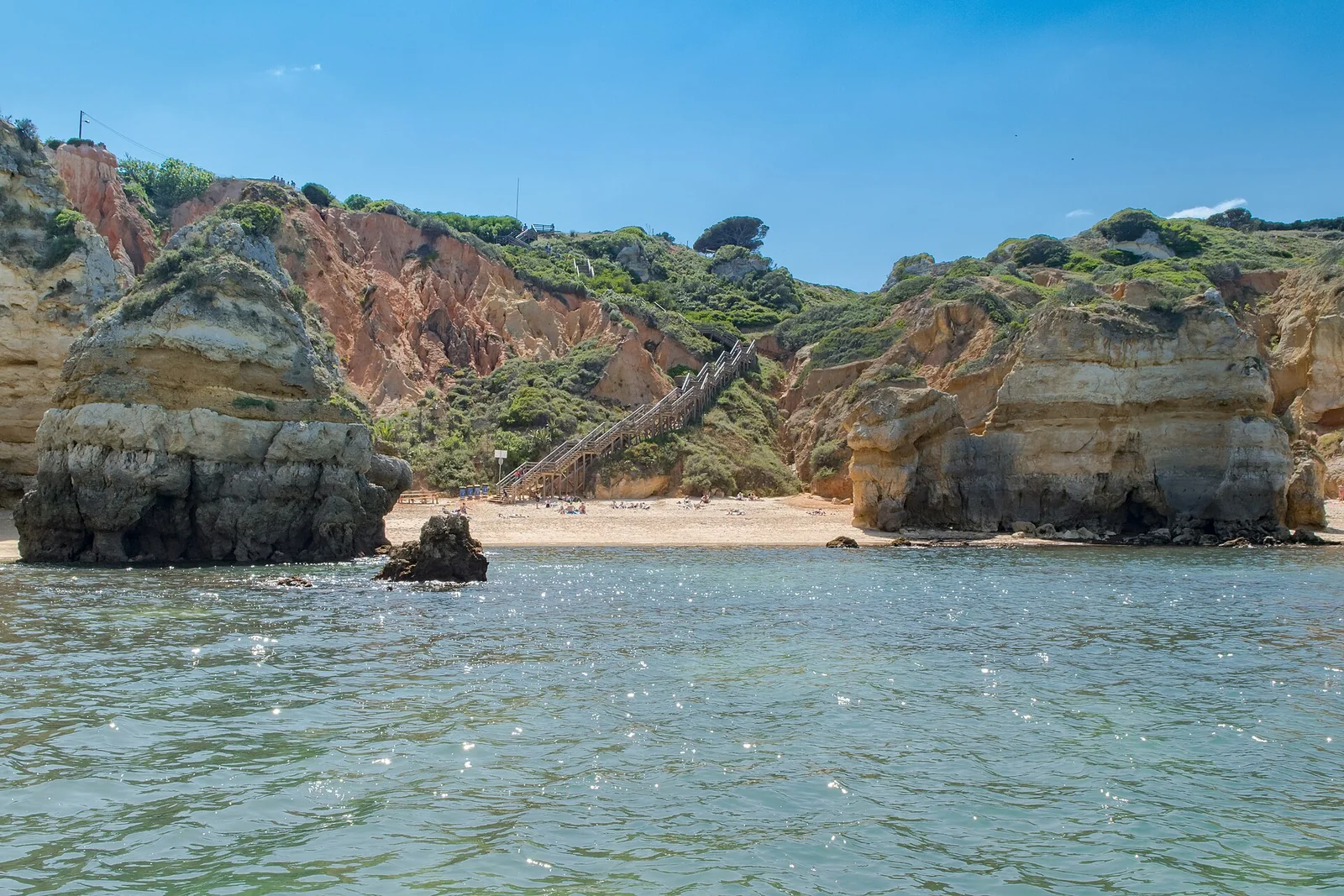
The Algarve's relatively mild climate makes it a destination for several types of trip. Summer is the obvious choice for visitors who want a lively resort holiday built around supervised beaches and long days. Spring and autumn can suit walking, food, historic towns and some coast activities without placing swimming at the centre. Winter may appeal to those seeking a slower coastal base, golf or town life rather than hot sea-bathing conditions. The official VisitPortugal Algarve information describes the region's mild climate and varied activities, but it should not be interpreted as a guarantee of safe seas or constant sunshine.
The western cliffs around Lagos and the eastern Ria Formosa landscapes offer different experiences, and wave exposure differs between beaches. A visitor mainly interested in dramatic coastal photography can enjoy a cool day that a family seeking hours of swimming would not consider successful. Check lifeguard arrangements, red and yellow flag warnings and local sea conditions rather than judging safety by air temperature. If you plan boat excursions, book with a provider that explains weather cancellations, and leave time for a town or inland alternative.
Madeira: coastal mildness versus mountain weather
Madeira's subtropical reputation can mislead visitors into thinking that any month supports any hike. Coastal Funchal and a high exposed trail can experience markedly different wind, cloud and temperatures. The official Visit Madeira hiking page now includes a classified-route status system and mandatory reservations introduced for 2026. These procedures are relevant in every month: an otherwise attractive week is not a reason to enter a path that is closed or restricted. Plan the hike around official permission, realistic ability and the short-range forecast.
Travellers more interested in Funchal, gardens, coastal scenery and food can be flexible across the year, with the understanding that some days will be rainy or cloudy. For a mountain-focused holiday, reserve alternative activities and do not chain several non-refundable hikes assuming they will all operate. Summer may offer attractive outdoor opportunities but does not remove the need for wind and heat precautions. Winter can deliver pleasant coastal days while the hills demand completely different equipment and judgement.
Azores: allow cloud to change the day
The Azores have a maritime climate in which weather shifts can be central to the experience. For many visitors, the most memorable sights are crater lakes, volcanic landscapes, coastal walks and marine excursions, all of which can be affected by cloud, rain, wind or sea state. A month with historically moderate temperatures cannot guarantee that a particular lake viewpoint will be visible. If you are planning São Miguel, keep the route flexible enough to move between a higher-elevation lookout and a lower-altitude town or cultural stop. A day with poor visibility in one region need not be a lost day.
Travel between islands adds another variable. Flights and ferries require schedules, and not every advertised combination works year-round or daily. Check operators before booking accommodation on several islands and protect the international departure with a buffer. A first-time trip can be excellent while focused on one island, rather than assuming that the only authentic way to experience the archipelago is to visit as many islands as possible. The best season is the one that supports your priorities and tolerance for weather-dependent changes.
Best months for families and school-holiday travellers
Families commonly have less control over departure dates, and advising everyone to travel outside summer is unrealistic. If school holidays require July or August, shape the itinerary accordingly. Choose a base near the beach or city areas you will actually use, book necessary accommodation early and build generous rest periods into the hottest part of the day. For a child who enjoys the sea, a supervised beach with nearby shade and facilities will likely be more rewarding than an ambitious circuit of exposed viewpoints. Pick fewer regions so transfers do not consume the holiday.
For Easter or autumn half-term travel, consider city-focused routes with museums and outdoor alternatives rather than expecting classic beach weather. A Lisbon and Porto pairing can fit a week without hiring a car; a Madeira stay can work when the family is comfortable with the terrain and appropriate trail choices. Confirm accessibility, child suitability and operating dates directly with attractions. The goal is to use the season you have well, not regret that you could not choose an idealised month.
Best season for walkers, hikers and outdoor enthusiasts
Walkers should distinguish urban sightseeing, moderate coastal paths and demanding mountain routes. Lisbon streets and Portuguese towns offer great walking opportunities across many months with suitable rain or heat precautions. Alentejo and rural mainland routes may feel easier outside peak summer heat. Madeira's high trails and Azores volcanic landscapes require entirely different checks: current access, weather, experience, suitable footwear and a safe return plan. A sunny forecast at sea level should never override an official trail closure.
For any serious hike, select the route for the least experienced person in the group and leave space to turn around. If a reservation slot is required, arrange appropriate transport and follow the route's current permitted direction. The IFCN's 2026 Madeira guidance explains that some paths now have restricted directions, fees and allocated slots. Treat these as real planning constraints rather than technicalities. A rest day or a guided outing can improve safety and enjoyment more than a crowded checklist of summit photographs.
Best time for food, cities and slow travel
Readers whose priorities are restaurants, markets, architecture and neighbourhood life have much more seasonal freedom than travellers who require constant beach weather. A cooler month can be excellent for strolling Lisbon or Porto at a slower pace, provided rain is part of the plan. Autumn may add the appeal of wine-country activity, but individual harvest experiences must be confirmed rather than assumed. Spring can support time outdoors without turning every museum visit into an escape from heat. For a long city break, an extra day with no fixed reservations creates room to follow local recommendations and weather.
Slow travel is not automatically cheaper or more authentic; it is an intentional choice to spend time in fewer places. That matters in Portugal because distances can look small while hotel changes, hills and connections absorb real hours. A quiet village stay in Alentejo may be most comfortable when the weather permits local walks, but it still depends on opening days for restaurants and transport. Let the itinerary's purpose determine the month and base, not a list of general seasonal superlatives.
Prices and crowds: what can be said responsibly
Season, local events, booking lead time and accommodation style influence prices, but a universal claim that one month is always a fixed percentage cheaper is unreliable. Coastal resort demand often rises in peak summer, while city events, school holidays and specific festivals can produce spikes in other periods. The correct way to compare is to search the same room type, transport conditions and dates across several realistic weeks. Remember that the cheapest accommodation may have less flexible cancellation or be located where daily travel is expensive. Use total trip cost, not nightly rate, as the deciding number.
Crowd levels also vary within a day and across different sights. A popular Lisbon tram, central Porto viewpoint or Algarve beach may be crowded in almost any season at peak visiting hours. Moving the visit to a quieter hour, selecting a different nearby experience or spending more time in one region can improve the day without changing the holiday month. If a major festival is central to the trip, plan around its verified dates; if you prefer quiet evenings, research which neighbourhoods and dates will actually provide them.
How to decide: a practical season selector
For a first-time **city-and-culture** trip, consider late spring or early autumn but leave winter on the table if you value museums, food and fewer outdoor commitments. For a **supervised beach holiday**, plan around the warmer coast season and your tolerance for crowds, checking actual sea safety and lifeguard arrangements. For a **Douro or Alentejo road trip**, factor in the effect of inland heat and the opening days of rural providers. For **Madeira hiking**, choose dates around current classified-trail access and realistic mountain weather rather than coastal temperature averages. For the **Azores**, prioritise flexible days and reliable inter-island connections over a promise of permanent blue skies.
Make the choice in this order: experience first, region second, month third, then exact dates and provider availability. That simple sequence avoids one of the most common errors in travel planning – choosing a headline month and then trying to force an unsuitable activity into it. A great journey should make the most of the conditions you are likely to encounter, while remaining enjoyable when nature does something different.
Official forecasts and references
For a current forecast and weather warnings covering mainland Portugal, Madeira and the Azores, consult IPMA. For general regional climate and destination information use VisitPortugal. For relevant wildfire, travel and safety alerts check the FCDO Portugal advice. For Madeira's classified hiking routes consult Visit Madeira and the IFCN; for Azores trails consult the official trail portal.
These sources supply the factual framework, but an evergreen article cannot guarantee a particular week's weather, travel restrictions or attraction timetable. Recheck the matters that could alter your itinerary near departure. The best time to visit Portugal is not an immutable box on a calendar: it is a well-judged match between the experience you want, the places you choose and the conditions you can reasonably expect.