
Portugal does not offer one interchangeable collection of pretty towns. Lisbon and Porto are cities to inhabit, the Douro is a landscape to move through slowly, the Algarve asks which stretch of Atlantic coast you want, and the islands require a decision about the journey itself. A first visit feels richer when you choose places that complement each other rather than chase every landmark. This guide compares the destinations that genuinely repay your time, how to reach them, what each does exceptionally well and when it makes sense to leave somewhere famous off your itinerary.
Eight places and regions worth building around
- Lisbon: historic neighbourhoods, food and day trips — rail/metro; avoid a car in the core
- Porto and the Douro: granite city streets and wine-country landscapes — rail works well to Porto; valley details vary by stop
- Algarve: limestone coast, beaches and resort towns — rail reaches Faro/Lagos corridor; a car adds flexibility
- Madeira: mountain roads, levadas and Atlantic viewpoints — fly to Funchal; island road planning matters
- Azores: volcanic lakes, whale-watching and island landscapes — fly to the archipelago; inter-island plans are weather-sensitive
- Alentejo: walled towns, cork landscapes and slower road trips — best with a car outside Évora
- Centro and Coimbra: university heritage and a useful Lisbon–Porto break — mainline rail makes Coimbra straightforward
- North and Minho: green valleys, Braga and Guimarães — regional rail plus local transport
How to choose between them
Start with season and transport, then choose two or three complementary bases. A place that looks close on a map can still be an awkward addition when ferries, mountain roads, airport transfers or station changes are involved.
For first trips
Prioritise one clear headline experience and leave enough unstructured time to experience the base itself. The itinerary guide shows how to turn these choices into 7-, 10- and 14-day routes.
Lisbon: the best first stop for culture, food and a sense of Portugal
Lisbon makes a convincing first base not because it provides a sample of everything Portuguese, but because its neighbourhoods reveal several layers of the country in a small geographical area. Along the river and through Baixa, formal squares and rebuilding after the 1755 earthquake sit beside shopping streets and cafés. Higher up, Alfama's narrow routes and Graça's viewpoints remind you that a city's lived geography is rarely as simple as a sightseeing map. Belém has another character again, where the historic maritime story and monumental architecture are especially prominent. These contrasts deserve more than a race between three viewpoints.
A first morning could centre on Baixa, Chiado and the river, allowing a leisurely lunch before exploring a neighbourhood that appeals to you. Reserve a later day for Belém if museums and monuments are priorities, or choose a walking-led day through older districts if atmosphere matters more than timed tickets. Lisbon's inclines require deliberate pacing. Famous trams are often crowded and are not always the most efficient transport option; use the metro and suburban rail when they solve a real journey. Hotel location also changes the experience. A beautiful property high in a hilly district may be less convenient for travellers with luggage or mobility needs than one near a useful connection.
Who will love it: first-time visitors, food-oriented travellers, architecture enthusiasts and anyone building a car-free week. Trade-off: the capital can feel busy in the most popular streets and requires patience with its gradients. How long: three or four nights allows the city itself and one substantial day trip. When to leave it out: if your journey is entirely about island hiking or quiet rural landscapes, a token Lisbon stop can add flight and hotel transfers without improving the holiday.
For historical grounding, the UNESCO designation for the Jerónimos Monastery and Belém Tower describes a particular maritime heritage; it does not mean every photograph of Lisbon is a UNESCO site. Use official monument opening information if that experience matters. A generous itinerary leaves space for eating, discovering a bookshop or simply watching the river, because those moments communicate the city as effectively as a major ticketed landmark.
Sintra: Romantic architecture in a wooded landscape
Sintra is not just a colourful palace above Lisbon. UNESCO recognises the Cultural Landscape of Sintra for its remarkable nineteenth-century synthesis of Romantic architecture, gardens and older historic elements. Pena Palace, its park, the Moorish Castle and other estates sit across wooded hills rather than inside a compact urban museum district. That geography is the critical planning fact. It explains both why Sintra can feel extraordinary and why trying to visit every celebrated monument in one day so often leaves visitors frustrated.
Choose a principal experience before arriving. Pena Palace and the surrounding park reward those interested in colour, architecture and designed landscape, while the Moorish Castle offers a very different relationship with the ridge and its history. Quinta da Regaleira, Monserrate and the town can be compelling alternatives, not mandatory additions to an already full programme. Consider the route from the railway station, timed admissions where applicable, uphill transport and the physical demands of walking between locations. Mist and rain in the wooded hills can change the day even when Lisbon has clear weather.
Who will love it: architecture enthusiasts, garden lovers and travellers who enjoy unusual landscapes. Trade-off: popular entries, steep paths and transfers between dispersed sites. How long: a substantial day from Lisbon can work if you select carefully; an overnight stay makes sense for a slower exploration. When to leave it out: if you have only two nights in Lisbon and are more interested in the city itself, do not sacrifice your one complete urban day simply to tick Sintra off a list.
Use UNESCO's Sintra description to understand why this is a cultural landscape rather than a single monument, and check the relevant attraction's official ticket rules before booking. The best photograph often comes from pausing to notice how architecture emerges from woodland, not necessarily from reaching the most crowded terrace first.
Porto: northern character, the Douro and evenings worth slowing down for
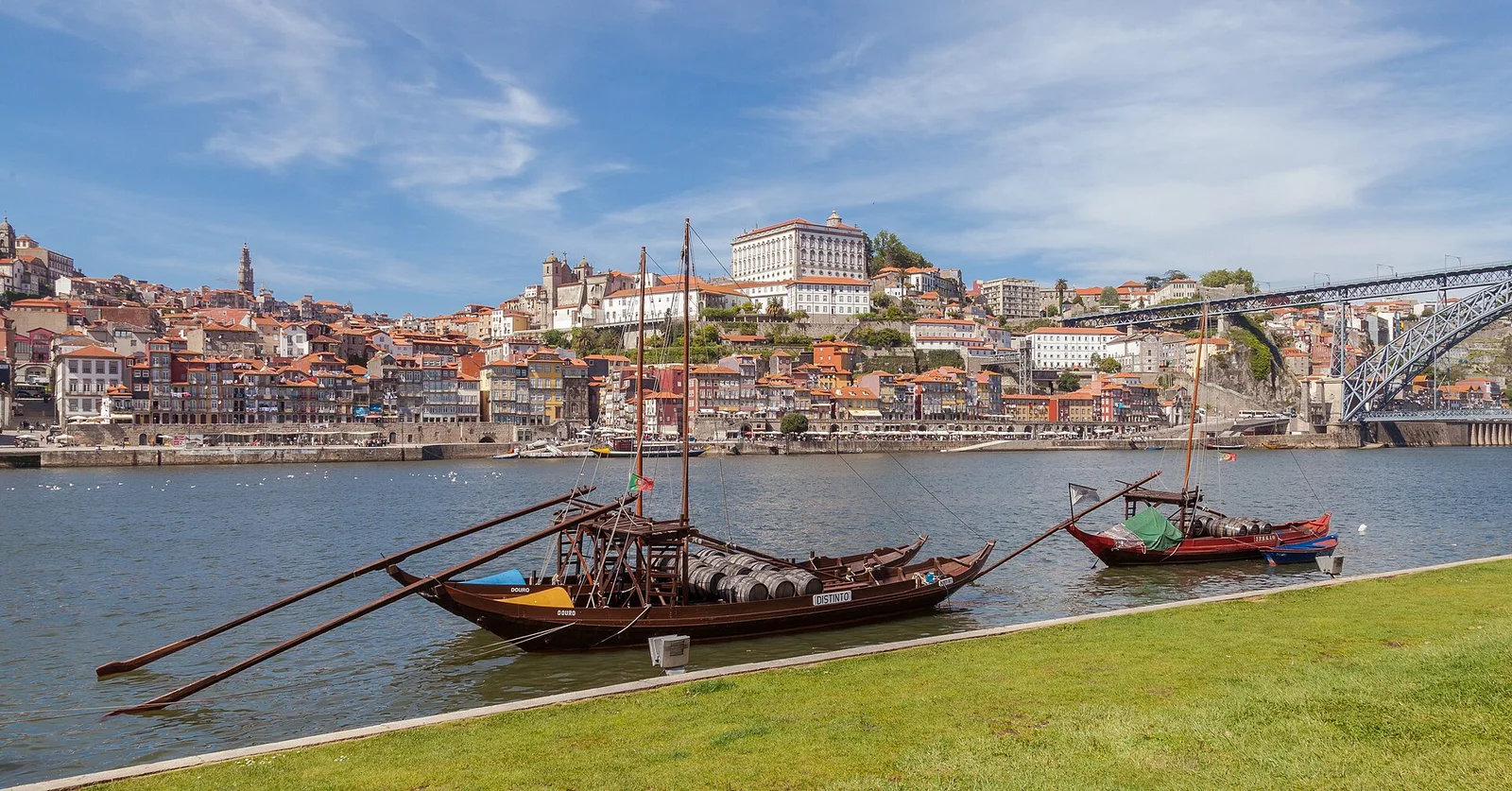
Porto is compact in its historic heart but dense in atmosphere. The river descends between steep banks, stone streets meet the bridges, and the city moves between grand churches, smaller neighbourhood cafés and a working urban rhythm. UNESCO's designation covers the Historic Centre of Oporto, the Luiz I Bridge and the Monastery of Serra do Pilar; the significance lies in a layered city connected to trade and maritime history, not simply in a postcard of colourful riverside buildings. Spending time on both sides of the Douro helps explain this landscape without reducing Porto to one photograph.
Begin with the historic centre and São Bento's azulejo interiors if that interests you, then allow a long stretch for the streets around the river. Cross to Vila Nova de Gaia for an alternative perspective and, if desired, a carefully chosen cellar visit. It is tempting to schedule several tastings, museums and viewpoints in one day. You will probably remember Porto better if you select one formal experience and let the rest of the day unfold. The hills make repeated cross-city journeys more demanding than a small map suggests; group stops by area.
Who will love it: travellers interested in food, architecture, urban photography, wine history and a slower northern city. Trade-off: steep walking and a separation between some central attractions and long-distance station connections. How long: two or three nights for a proper city stay; add more for excursions. When to leave it out: if you have a short beach-focused holiday in the Algarve, a northbound detour may consume disproportionate travel time.
Porto is easy to link with Lisbon by the CP long-distance network, but pay attention to the named stations. Campanhã is an important intercity rail hub, whereas São Bento sits closer to parts of the historic centre. Accommodation around Ribeira or Gaia may add hills or a further transfer. A hotel with convenient access can matter more than a room carrying the most prestigious neighbourhood label.
The Douro Valley: travel for the landscape, not just a tasting
The Douro Valley is a destination where movement itself becomes part of the experience. Terraced slopes, river bends, villages and vineyard estates create a landscape distinct from Porto even though the two are connected by rail and road. UNESCO recognises the Alto Douro Wine Region as a cultural landscape shaped by centuries of wine production. That heritage is broader than the cellar most convenient for a day trip. Give the valley time to be seen as a working and inhabited place rather than a sequence of tasting appointments.
A scenic railway journey can be a strong introduction, with CP serving part of the valley towards Régua and Pocinho. However, not every winery or accommodation is within walking distance of a station. Before booking, ask how you will reach the property and, crucially, return. Driving can unlock rural viewpoints but makes wine tasting more complicated; consider a guided visit, a prearranged driver or an overnight base with transport included. A comfortable one-night stay is worthwhile if the quiet of the landscape is the attraction, not simply because it permits an additional winery stop.
Who will love it: landscape travellers, rail enthusiasts, wine-curious visitors and those seeking a quieter overnight outside the city. Trade-off: limited local transfers beyond the main corridor and bookings needed for many estates. How long: one carefully arranged day or one to two nights. When to leave it out: if wine has little appeal and your holiday is short, Porto itself or a different nearby excursion may be the better use of time.
Harvest-related experiences are seasonal, and neither a tour's price nor a winery's availability should be copied from a previous year's article. Use the rail operator's current schedules and contact any estate directly. When booking a rural stay, ask about dinner and late arrival, because logistical simplicity can be a larger luxury than an upgrade in room category.
Coimbra: more than a railway stop between the cities
Coimbra offers the pleasure of a destination that does not need to compete with Lisbon or Porto. The university sits above the city, and its architecture, student traditions and historic streets give the place an identity that benefits from a night or two rather than an hour with a suitcase. UNESCO recognises the University of Coimbra – Alta and Sofia, including the university's long relationship with the surrounding urban landscape. Its celebrated Joanine Library is only one part of that history. Treat this as a university city with a living culture rather than a single room to photograph.
Coimbra is well placed for a rail-led journey between Lisbon and Porto, making it a practical break if you have enough nights to enjoy it. Check which station your train uses and how your accommodation relates to the university's elevated parts. A room that seems close in straight-line distance can involve a climb; travellers with limited mobility should check routes and access in advance. Consider a guided university visit where useful, but retain time for ordinary streets, food and the riverside. The distinction between Coimbra as a convenient stop and Coimbra as a meaningful stay is the time you give it.
Who will love it: university history enthusiasts, cultural travellers and people who prefer smaller cities. Trade-off: some steep approaches and the temptation to treat it as a rushed diversion. How long: a purposeful day or one to two nights. When to leave it out: if the itinerary already includes frequent hotel changes, keep Coimbra as a potential day stop rather than forcing another check-in.
The UNESCO listing is useful for understanding how university buildings and the city evolved together. Opening rules for individual halls, libraries and gardens need checking with the responsible operator, especially when academic activity or restoration affects access.
Alentejo and Évora: a journey measured in quieter hours
Alentejo challenges the assumption that every memorable Portuguese destination sits by the ocean. Évora's historic centre, open landscapes, small towns and the distinct rhythm of rural life make this region appealing to travellers who value time rather than constant novelty. UNESCO recognises the Historic Centre of Évora, reflecting the city's accumulated historical layers. The wider region is not one single attraction, though: travelling between country properties, villages and heritage sites requires an itinerary that accounts for distances and often benefits from a car.
A town-centred stay in Évora allows a relaxed introduction and practical access to restaurants without evening driving. A rural guesthouse or estate can offer space and quiet, but check meal arrangements and how far the nearest services are. Inland summer heat can be demanding; early sightseeing and long midday breaks may be more appropriate than an all-day walking schedule. The FCDO highlights wildfire risk during the warmer part of the year, so rural outings should respond to current warnings rather than an old road-trip plan.
Who will love it: slow travellers, history enthusiasts and people seeking a landscape-focused country stay. Trade-off: public transport does not conveniently connect every rural experience, and seasonal heat affects pacing. How long: two or three nights to justify the detour. When to leave it out: on a short car-free Lisbon–Porto week, adding rural Alentejo may introduce more transfers than it repays.
A measured itinerary might pair one full day in Évora with a carefully selected nearby experience, leaving time for the accommodation and local food. Avoid promising a precise driving loop without checking roads and opening times. The region's value is its distinct pace; an itinerary that races through a dozen towns destroys the very reason to visit.
Lagos and the western Algarve: cliffs, beaches and a proper town base
The western Algarve has an unmistakable coastal identity: warm-coloured rock faces, headlands, beaches tucked between cliffs and open views of the Atlantic. Lagos can be a useful place to stay because it combines a lived-in town with access to some celebrated coastal scenery. That does not mean every beach is reached by a gentle level walk or that every famous photograph represents a place where swimming is safe. Choose the specific coast experiences you want, then check their access, parking, tides and current restrictions rather than assuming the whole region functions like one resort.
A thoughtful western Algarve day might involve an early walk at an approved viewpoint, a long lunch in town and a beach visit where lifeguard supervision and the day's conditions suit your group. Those interested in boat trips should use a professional provider that explains weather cancellations and safety equipment. Do not enter caves independently on the assumption that a calm promotional photograph is a reliable marine forecast. Cliff erosion and falling rock are genuine risks; remain behind restrictions and avoid waiting directly beneath unstable faces. Children and less experienced swimmers need a beach chosen for safety, not merely for beauty.
Who will love it: coast photographers, couples, active beach travellers and visitors happy to mix a town stay with excursions. Trade-off: busy popular beaches, steps and exposed viewpoints; parking pressure at peak times. How long: three or four nights makes the coastal experience more than a hurried drive. When to leave it out: if your priority is a quiet eastern lagoon landscape or a rail-only city break, another base may fit better.
A car can help with scattered western viewpoints, yet it is not an automatic requirement if most of the holiday centres on Lagos. Compare the actual journey to your hotel and beach access before renting for every day. The Algarve rail corridor reaches some towns, but not every photogenic cove; use the current rail timetable and local services to assess feasibility rather than relying on straight-line distances.
Tavira and the eastern Algarve: a different kind of coast
The eastern Algarve deserves consideration precisely because it is not an interchangeable substitute for Lagos. Tavira's town character and the landscapes associated with the Ria Formosa region encourage a slower stay, where meals, streets and shoreline experiences can become equally important. Its islands and beach access arrangements are not the same as a hotel with a private staircase directly to open ocean sand. Investigate the actual crossing or transport you will need and the time of the last return rather than booking on the word “beach” alone.
A couple might enjoy several nights in a town hotel with evenings on foot, choosing coastal outings according to weather and seasonal operations. A family may prefer a straightforward base with facilities close by and a realistic approach to the beach, avoiding an exhausting transfer after a long day in the sun. Public transport and local access exist, but the usefulness of any connection depends on your date and specific destination. This part of Portugal is about choosing a different pace, not about finding an objectively superior beach to every western Algarve cove.
Who will love it: relaxed coastal travellers, food-led visitors and people who prefer smaller-town evenings. Trade-off: some beach experiences involve an extra connection, and the town is not an ideal launch point for every western Algarve sight. How long: three to five nights for a genuinely slower holiday. When to leave it out: for an itinerary focused on dramatic western cliffs and constant drives to Lagos-area viewpoints.
VisitPortugal's regional destination and beach information is a useful starting point, especially where accessible-beach arrangements matter. Current beach flags and local authority guidance remain more important than any long-term recommendation. A traveller who is willing to choose one coast rather than traverse the Algarve every day will see more and spend less time in transport.
Madeira: for mountains, managed hiking and Atlantic character
Madeira is an island journey rather than an extra mainland stop that happens to involve a short transfer. Funchal provides a practical urban anchor with restaurants, gardens and transport arrangements, while much of the island's attraction lies in dramatic topography and varied vegetation beyond the capital. The Laurisilva of Madeira is UNESCO-listed natural heritage, but that does not imply every levada or ridge path is suitable for independent casual walking. Elevation, exposure, cloud and trail closures shape the experience in a way that the mild coastal reputation can obscure.
Under Madeira's 2026 classified hiking framework, visitors need to consult the official status and reservation arrangements for PR routes. A favourite social-media itinerary may describe a route that is currently restricted, or an out-and-back walk may operate under a particular directional rule. The official Madeira hiking information explains access and directs visitors to the appropriate booking systems. This is a non-negotiable planning check rather than an administrative detail to handle after reaching the trailhead.
Who will love it: hikers, landscape photographers, garden lovers and travellers who want nature with a comfortable city base. Trade-off: steep roads, variable mountain weather and routes requiring permission or guided transfers. How long: five to seven nights are more worthwhile than a one-night add-on. When to leave it out: when the mainland itinerary is already crowded or when your only available day cannot absorb a weather cancellation.
A car offers flexibility for some island visitors but is not automatically the easiest answer. Point-to-point hiking arrangements can make a shuttle or qualified guide more logical; for a Funchal-based traveller, a few professionally organised excursions may be enough. Build at least one flexible day when mountains are your primary reason to travel. A viewpoint shrouded in cloud is not an editorial failure to be solved by driving recklessly to the next ridge.
São Miguel and the Azores: volcanic landscapes without an island-count competition
The Azores present another kind of Atlantic journey, where green volcanic landscapes, crater lakes, coastal settlements and marine experiences compete for time. For a first visit, São Miguel can provide a coherent focus rather than an attempt to collect all nine islands. Ponta Delgada is a practical base for some itineraries, although specific crater viewpoints and thermal areas may require driving or organised transport. The island's geography is more important than how many pins you can place on a digital map.
The Azores government's classified trails network identifies routes by island and difficulty, showing why selecting a walk in advance is preferable to choosing one from a photograph. Cloud and rain can change visibility on an elevated trail while a coastal town remains appealing. Plan a high-level experience and a lower-level alternative for the same day; check the weather, route condition and how you will get back from any linear walk. Adventure activities should be booked with providers whose safety arrangements you understand.
Who will love it: nature-focused travellers, walkers and visitors prepared for changeable Atlantic conditions. Trade-off: weather-dependent viewpoints and significant logistics between islands. How long: five to seven nights on one island can be richer than three islands in the same time. When to leave it out: if you have only a week and also want Lisbon and Porto, adding an Azores flight may leave too little time anywhere.
When the islands themselves are the main holiday, it can make sense to spend even longer and explore a second island with deliberate connection buffers. Flights and ferries are not continuous urban services, and operating patterns vary by season. Keep the final night near a reliable departure gateway rather than relying on an unprotected connection from a remote island to an international flight.
Braga and Guimarães: two distinctive northern heritage trips
The north is more than Porto's extended suburb. Braga's religious and urban history offers a different perspective, while Guimarães holds a powerful place in Portuguese historical identity. UNESCO recognises the Historic Centre of Guimarães and the Couros Zone, and also the Sanctuary of Bom Jesus do Monte in Braga. They are separate places with different meanings, so avoid describing the two as one enormous UNESCO sightseeing district. The value of either visit comes from understanding the setting and taking time to experience one town beyond its most famous facade.
From Porto, check CP's current regional and urban rail services, then decide which excursion most interests you. Guimarães can reward time in its historic streets and spaces; Braga offers an urban centre and a trip to Bom Jesus do Monte when transport and opening arrangements allow. A hurried attempt to cover both towns and several viewpoints in a single afternoon is less rewarding than one properly planned visit. Families and slower walkers should check gradients and on-site accessibility for any hilltop attraction.
Who will love it: visitors interested in Portuguese history, religious art, smaller cities and northern food culture. Trade-off: timetables, local transfers and enough walking to make repeated quick stops tiring. How long: one well-focused day from Porto or an overnight in one town. When to leave them out: when you have only two nights in Porto and have barely experienced the city itself.
The advantage of a northern town day is contrast. A thoughtful excursion can make a later evening back in Porto more interesting because you have seen more of the region's architecture and daily rhythm. It does not need to be a day of frantic monument accumulation.
Gerês and the far north: when nature takes priority over easy logistics
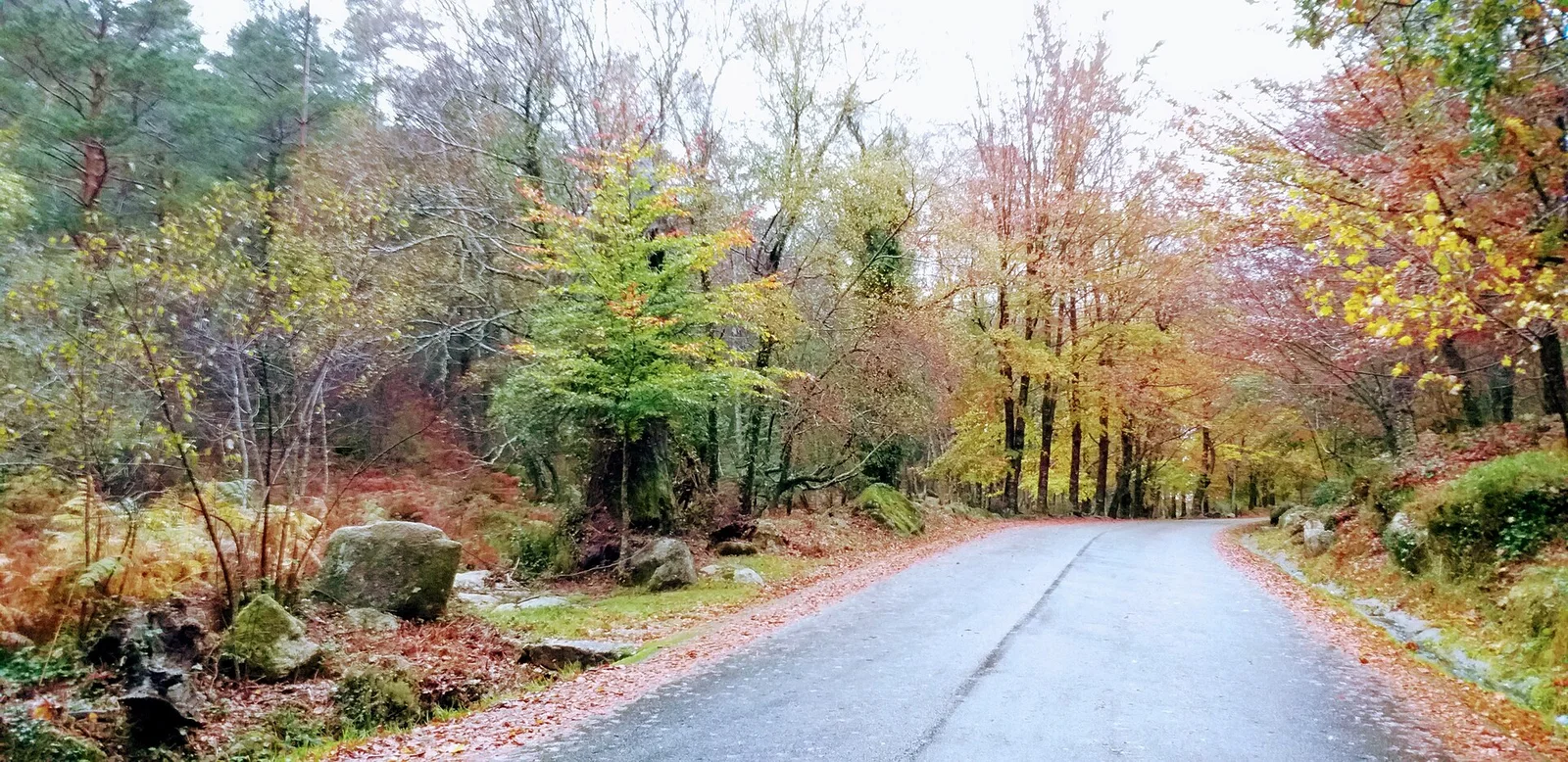
The Peneda-Gerês region offers a green, rugged counterpoint to the Algarve and the cities. For travellers who value outdoor landscapes, this can be one of Portugal's most compelling directions, but it requires a different level of preparation from walking through a city centre. Protected-area rules, suitable trails, access roads and rapidly changing conditions determine what you can realistically do. It should not be sold as a casual two-hour detour from a Porto hotel solely because a road map makes the distance look modest.
Choose a defined base and one or two suitable activities with reliable information from the protected-area or local authorities. A driver should assess mountain roads and parking constraints; a hiker should consult trail conditions and follow restrictions. Carry weatherproof layers and sufficient supplies for the actual route, and avoid assuming mobile signal is universal. If the conditions are unsuitable, a village and local food day can be a satisfying alternative to a forced exposed hike.
Who will love it: experienced walkers, nature lovers and travellers who enjoy a deliberate rural stay. Trade-off: car dependence for many itineraries and the need to take protected-landscape regulations seriously. How long: two to four nights if nature is a central motivation. When to leave it out: for a short, car-free capital-and-Porto holiday.
Responsible travel is especially important in places whose appeal is an intact landscape. Stay on approved routes, avoid disturbing wildlife or livestock and use facilities properly. A beautiful photograph is not a reason to step across a barrier or park where emergency access is needed.
Nazaré and the central coast: know what you are coming for
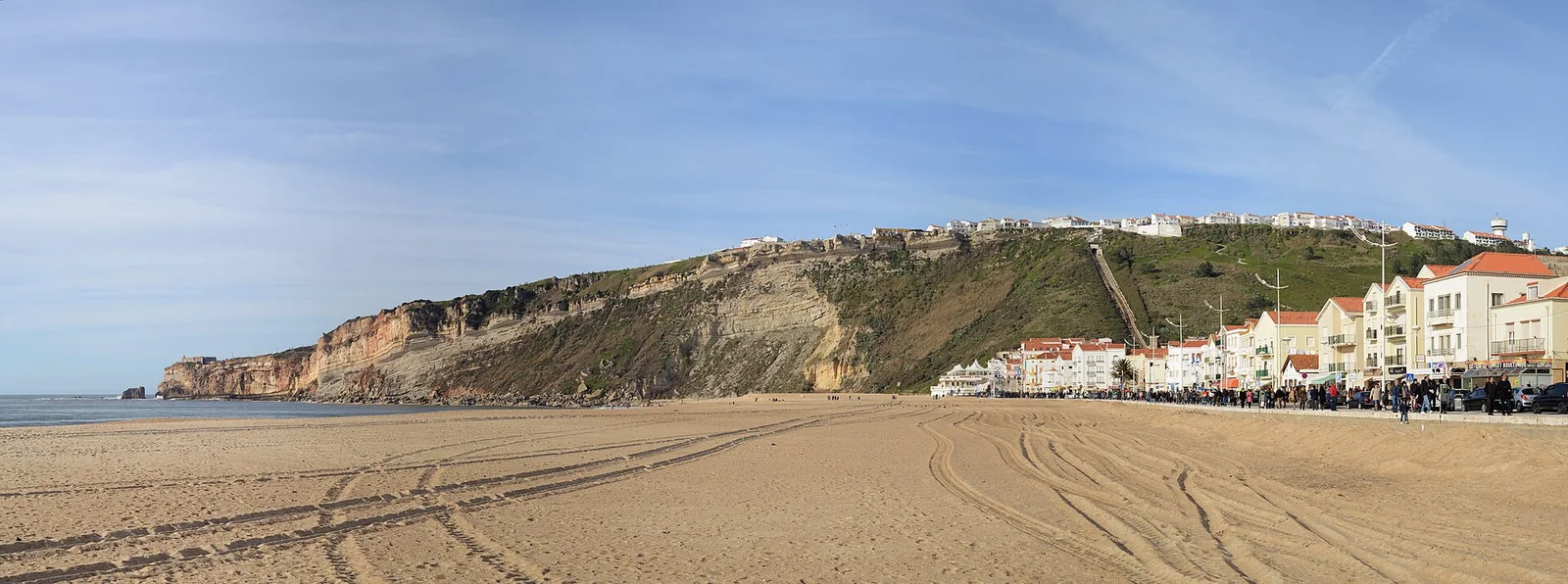
Nazaré attracts attention for its association with powerful Atlantic surf, but an exceptional surf event is not an attraction that can be guaranteed on a chosen afternoon. The setting includes a working town, beach culture and coastal viewpoints. A visitor interested in the place itself can enjoy a worthwhile stop without seeing a spectacular wave; somebody whose only purpose is to photograph one should recognise how dependent that goal is on weather and ocean conditions.
Use a central Portugal route that suits your wider itinerary, accounting for local buses or driving rather than assuming that every coastal town sits directly on the main Lisbon–Porto express rail corridor. At viewpoints, respect barriers and never approach hazardous rock platforms or the sea to get closer to a wave. For a family beach stop, current swimming safety information matters more than the surf reputation. A giant-wave photograph should never be used as an advertisement for casual swimming in dangerous conditions.
Who will love it: coast watchers, surf-culture enthusiasts and travellers curious about smaller seaside towns. Trade-off: conditions can differ radically from promotional footage; connecting transport may require planning. How long: one considered stop or one to two nights if the coast is a priority. When to leave it out: when it would become another rushed stop between Lisbon and Porto without time to experience the town.
How to make the final choice without creating a frantic route
For a first visit of seven days, give Lisbon and Porto a genuine stay and consider Sintra as a single dedicated excursion. For ten days, add either a Douro overnight, a central Portugal stop or several nights on the Algarve coast, rather than all three. If you have two weeks, choose between a deliberate mainland north–south route and one that devotes a significant portion to Madeira or a single Azores island. Be wary of any itinerary promising both archipelagos, all of the mainland cities and daily leisure time in ten nights. The geography and transport simply do not support that experience comfortably.
Use the companion 7-, 10- and 14-day Portugal itineraries to turn this comparison into real days, Getting Around Portugal for transport decisions and Where to Stay for accommodation bases. Those guides solve different planning questions; none should exist solely to repeat this list of places. Before booking, confirm current opening conditions, trail access and transport with the responsible operator. A beautiful photograph tells you where you might want to go, not whether you can safely or realistically reach it on your date.
Editorial verification and reliable resources
Region definitions and destination background are grounded in VisitPortugal. UNESCO's Portugal list supports the exact heritage designations, while CP provides live rail planning. Madeira classified hiking access must be checked via Visit Madeira and the IFCN; the Azores government maintains its own classified trails directory. This article is a researched editorial comparison, not a statement that the writer has personally stayed at each location or that travel conditions cannot change.