

Seven days in Portugal can hold an unforgettable journey through Lisbon, Sintra and Porto. It cannot also hold a proper Algarve beach stay and an Atlantic island escape unless much of the holiday is spent checking out, queuing for transport and dragging luggage between stations. The secret is not a faster itinerary; it is the judgement to leave something out. These seven-, ten- and fourteen-day routes use actual geographical logic, two- or three-night bases and space for the moments you cannot book. Pick the version that matches your interests rather than trying to turn every map pin into an overnight stop.
Route frameworks
- 7 days: Lisbon + Sintra + Porto; keep the route rail-led and resist adding an island
- 10 days: Lisbon + Porto + one focused region such as Douro or Algarve
- 14 days: mainland north-to-south, or a compact mainland week plus Madeira or one Azores island
The two-night rule
Unless a stop is genuinely a transit point, two or more nights usually produces a better ratio of experience to packing. Fast transport does not make check-in and check-out disappear.
Protect the final night
When ferries, mountain roads, weather-sensitive flights or long rail legs are involved, place the final night near the international departure gateway rather than gambling the trip on a perfect connection.
What a good Portuguese itinerary makes possible
Portugal rewards curiosity, but it does not reward impossible arithmetic. Seven days can be a deeply satisfying introduction to Lisbon, Sintra and Porto; it is not enough to do all three, explore the Algarve properly and add Madeira without turning the holiday into a series of airport transfers. A useful itinerary assigns time to things you will actually remember: the first view down a tiled Lisbon street, a proper conversation over lunch, a train journey north and an evening that belongs to no reservation at all. The following routes are frameworks, not tours that promise to fit every museum or coastline viewpoint on a fixed clock.
Start with your arrival city, departure city and the number of nights rather than the list of destinations. If possible, consider open-jaw flights into Lisbon and out of Porto for a northbound journey, but compare the total cost and timetable against a simple return rather than assuming the open-jaw option is always cheaper. Count a travel day as a travel day even when the train is relatively fast. A mid-morning transfer still includes checkout, reaching the station, the train, onward transport and getting settled. Treating those hours as free sightseeing time is the root of many rushed itineraries.
Seven days: Lisbon, Sintra and Porto without a car
This route is for a first-time visitor who values two complementary cities and one substantial day beyond the capital. It is especially well suited to couples, solo travellers and small groups comfortable with urban walking. Keep two accommodation bases – Lisbon and Porto – rather than adding one night in every appealing place on the railway map. The city-to-city journey is handled by CP rail, so you can spend money on a better located hotel instead of car hire and parking. The main compromise is deliberate: you are not seeing southern beaches or Atlantic islands on the same trip.
Day 1 – Arrive in Lisbon and find your bearings
After landing, travel to the hotel using an appropriate airport transfer or public transport and leave the afternoon relatively unstructured. Choose a short walk near the accommodation instead of crossing the whole capital while tired. Baixa and the riverside can be good starting areas for a general sense of the city; nearby neighbourhoods feel different even though they are close on a map. Have an early dinner, identify the closest station for tomorrow's plans and make sure everybody knows the route back. A good first evening is not the one that collects the greatest number of photographs, but the one that starts the holiday pleasantly.
Day 2 – A full Lisbon day with one chosen highlight
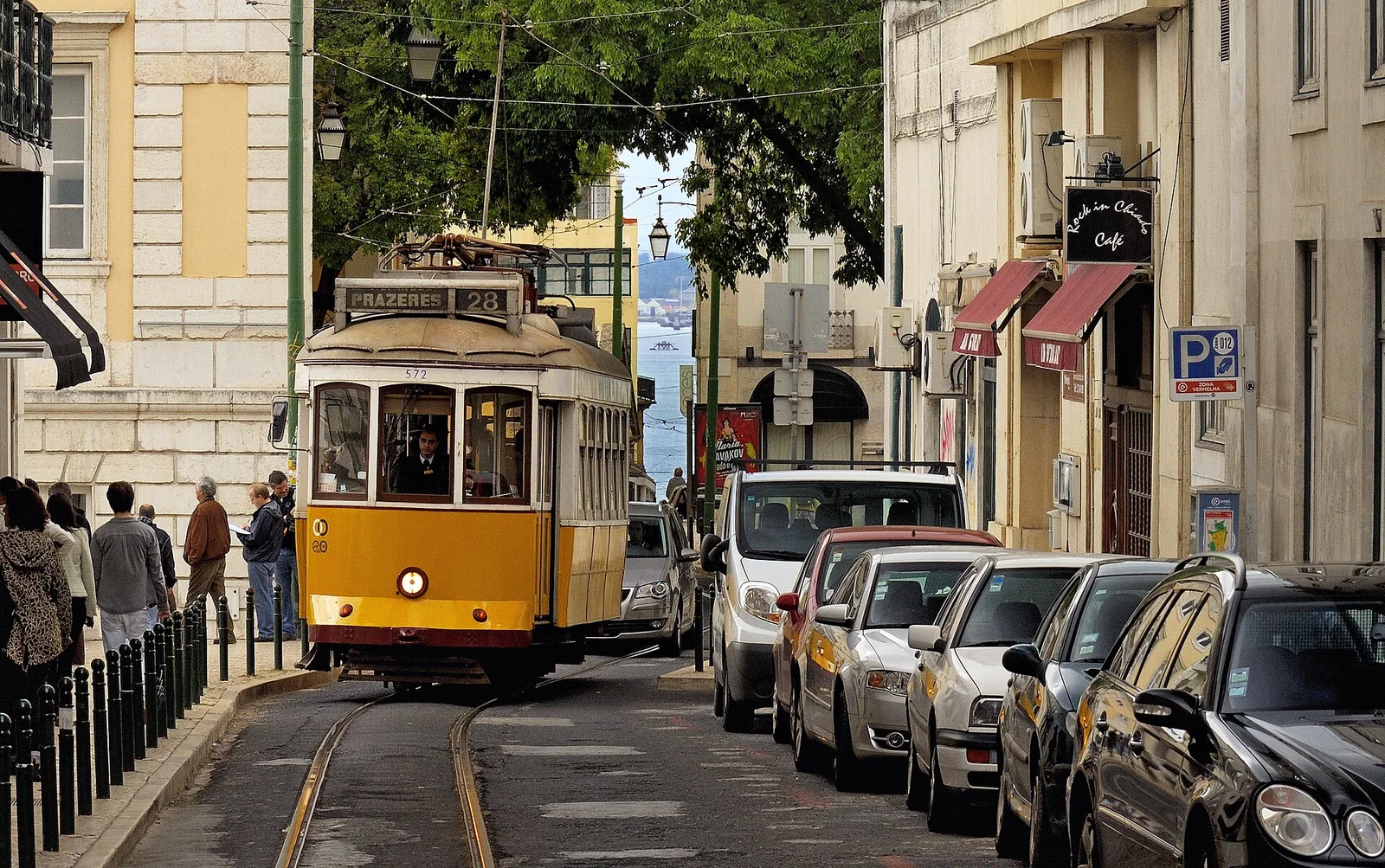
Pick a district for the morning and give it enough time. You could focus on older streets and viewpoints around Alfama, or make a day around Belém's monuments, museum choices and riverside. Avoid putting both at opposite ends of an overfull appointment schedule. Lisbon's hills turn map distances into real walking effort, and famous trams can be crowded. Use metro or local transport to simplify the day where useful, and reserve a late afternoon café stop. If a museum or monument has timed admission, secure the relevant reservation, but do not plan the whole day around a succession of rigid entry slots.
Day 3 – Sintra as a proper excursion, not three palaces in a sprint
Use Lisbon's suburban rail service towards Sintra and plan the connection from the station to your selected site. Sintra's appeal lies in its unusual combination of wooded hills, historic buildings and a very different climate and atmosphere from central Lisbon. Choose one major palace or park and, if energy allows, a complementary experience. A visitor hoping to see Pena Palace, the Moorish Castle, Quinta da Regaleira and all of the town at length in one day will spend too much time moving between gates and transport. Check tickets and access arrangements with the official operators. A relaxed lunch and a return before exhaustion will create a more worthwhile day than squeezing in a final stop at dusk.
Day 4 – Lisbon's second character and a slow evening
The extra capital day is a strength of this itinerary, not a day that needs to be filled with leftovers. Wander a neighbourhood you did not see on day two; choose a market, a small gallery or a coastal excursion to Cascais if you particularly value sea air. If you head to Cascais, use the appropriate suburban rail line from Lisbon and keep the return flexible. Alternatively, spend the morning at a museum and the afternoon without a plan. Travellers on short breaks often remember these unscripted hours most clearly. Prepare a manageable bag for the next day's rail journey and avoid a very late night if you want a comfortable morning transfer.
Day 5 – Train north to Porto and settle in
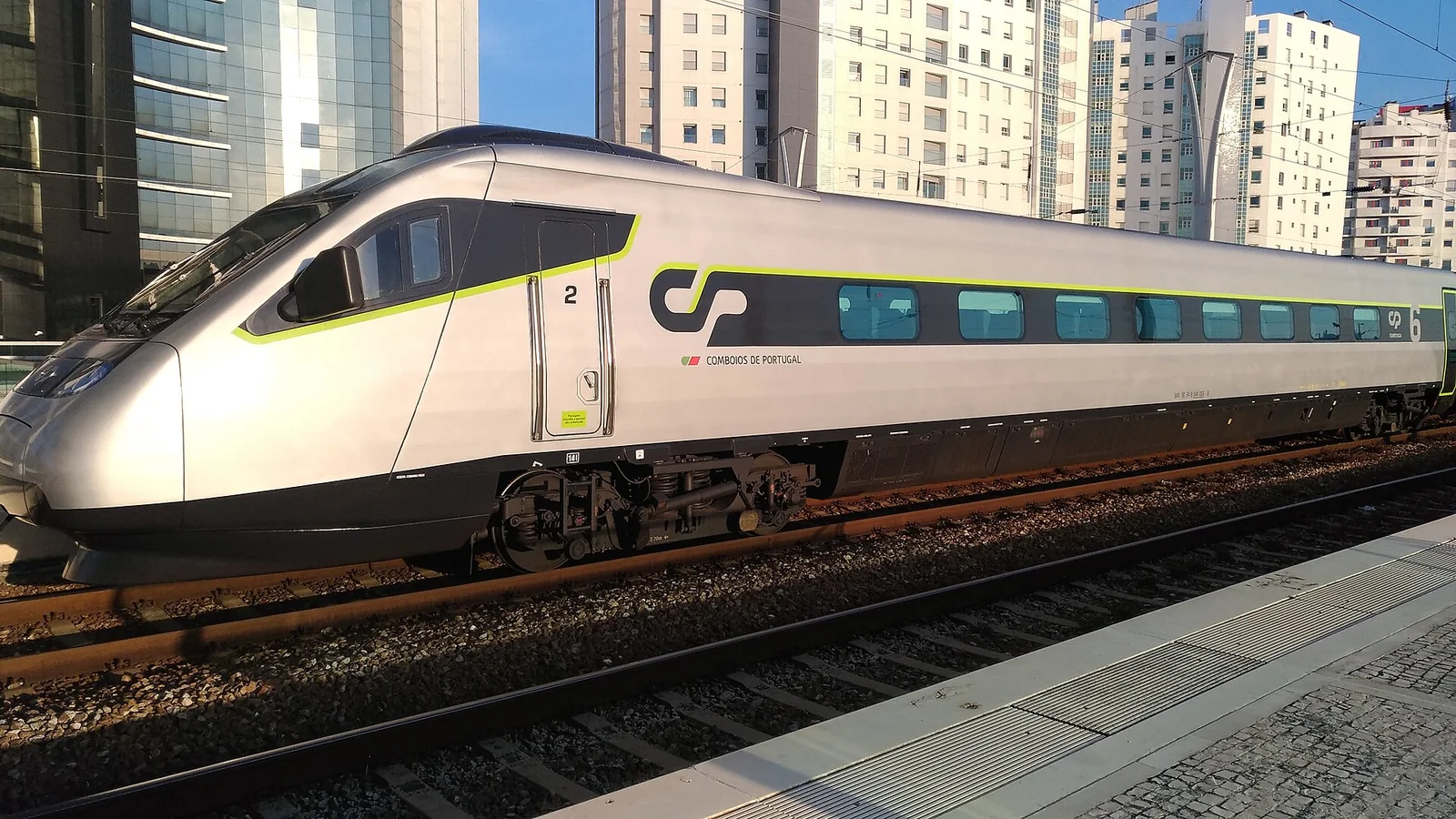
Choose a CP intercity departure based on hotel checkout and desired arrival time. Check the departure station in Lisbon and the destination in Porto rather than assuming every service uses the same central platforms. On arrival, leave luggage and discover the streets around your base. Porto's riverfront and historic quarters invite an evening walk, but steep gradients mean the route back to the hotel matters. Treat the afternoon as a welcome to a second city, not an opportunity to complete its entire landmark list. An unhurried dinner after a train journey can be more restorative than a late museum sprint.
Day 6 – Porto with time to appreciate it
Devote a full day to Porto itself. You might begin with historic streets and São Bento station's celebrated azulejo interiors, then explore the riverside or cross to Vila Nova de Gaia for a different perspective. If a cellar visit interests you, book only a sensible amount of time and avoid making the day a competition between tastings. Porto is a city of gradients, stone, river light and contrasting neighbourhoods; its identity comes through more clearly when you sit with a view rather than keep moving. Families can build a slower loop near their base, while photographers may prefer an evening by the bridges when the light changes.
Day 7 – A gentle final morning and departure
Leave the final day open according to your flight schedule. A short coffee stop or riverside walk is a good bonus, but do not commit to a distant excursion on the morning of an international flight. Porto Airport offers public transport connections including Metro Line E, with service dependent on time and day; confirm your route with the operator. If departing from Lisbon instead, the journey back south has to be counted honestly, and an extra final night there may be more comfortable. The most useful final-day ambition is a relaxed arrival at the airport, not a dramatic last-minute photograph.
Ten days: choose a third region on purpose
Ten days allow one additional region, but there are two substantially different ways to spend that freedom. Option A adds the Douro Valley to Lisbon and Porto, with an emphasis on landscapes, wine culture and slower travel. Option B adds the Algarve, changing the trip into a north–south combination of city life and Atlantic coast. Neither is intrinsically better. Travellers who love architecture and rural views may find the Douro the natural continuation of Porto; those wanting a beach-focused finish may prefer southern Portugal. The mistake is adding both and then wondering why the trip contains more transfers than time at each place.
Ten-day Option A: Lisbon, Porto and the Douro
Days 1–3: Arrive in Lisbon, spend one day focused on the historic city and use another for a carefully chosen Sintra excursion or a less intensive museum day. Three nights provide a reasonable introduction without pretending the capital can be exhausted. Consider staying near a useful public-transport connection rather than a far-flung property chosen solely for its photographs.
Days 4–6: Take the train to Porto and use several nights to explore its different neighbourhoods. Allow time for an evening by the river, a food-led discovery day and one cultural highlight. Keeping the hotel constant gives you space to recover from a late arrival or a rainy morning. If day-trip ambitions expand, remember that a full day exploring Porto itself is not expendable merely because another town is reachable by rail.
Days 7–8: Head towards the Douro Valley. A scenic train journey and a prearranged station transfer can work for travellers who prefer not to drive. Alternatively, a properly planned guided excursion or limited rental period may suit a rural stay. Choose one area to explore rather than stringing together remote vineyards that require long drives. Verify tastings and accommodation transfers with providers; do not assume every vineyard allows casual visitors arriving at any hour. Spending a night in the valley is worthwhile for its pace and atmosphere, not only for the possibility of more wine.
Days 9–10: Return towards the departure gateway with a buffer appropriate to the tickets you hold. A day in Porto before the flight can be useful, especially when rural transfers are involved. Resist adding another long day trip on the final morning. This option suits travellers who see the journey through varied landscapes as part of the holiday rather than a burden between cities.
Ten-day Option B: cities followed by the Algarve
Days 1–3: Focus on Lisbon and one manageable excursion such as Sintra. Days 4–5: Move to Porto for two nights and experience the city without trying to cover the whole north. Days 6–9: Travel south and establish a proper Algarve base. Faro, Lagos and Tavira support different styles of holiday, so choose according to beaches, public transport and preferred atmosphere. Do not expect a train to stop at every isolated cliff viewpoint; a car may help for selected coastal days, while a town-centred stay might work without one.
Day 10: Depart from the most practical airport or return to a suitable gateway with enough room for delay. This version has a greater transfer burden because the trip reaches across much of mainland Portugal. If you value leisurely travel, consider skipping Porto and spending longer in Lisbon and the Algarve instead. That may sound less ambitious but can be a distinctly better holiday, especially with children or travellers who dislike frequent packing.
How to choose a base before you book the route
A good route puts the hardest accommodation decision first. In Lisbon, choose between central atmosphere and station or metro convenience. In Porto, think about Campanhã connections, the steep approach to the river and the experience you want in the evenings. In the Douro, ask whether a rural property can actually collect you from a train station and whether you intend to drive after wine tastings. In the Algarve, a base near Faro is a different decision from a western cliff-focused stay around Lagos. If a property is cheaper but adds long transfers every day, price the actual inconvenience before calling it a bargain.
For visitors with limited mobility, young children or substantial luggage, the location and access of the accommodation may matter more than whether its design is fashionable. Historic properties sometimes have steps and narrow streets even when they appear central. Ask about the route from station to entrance and whether the room is accessible without steep stairs. A beautifully paced itinerary fails if the first hour at each hotel becomes a struggle with luggage.
How to handle food without turning meals into appointments
Portugal's food culture rewards curiosity across regions: markets, modest neighbourhood restaurants, pastry stops and more formal dining can all contribute to the journey. Build one meaningful meal around a place you want to visit rather than booking expensive restaurants every evening. In Lisbon, allow room for a casual lunch after a long museum visit. In Porto, pick a riverside dinner or local favourite and give yourself time to enjoy it. In the Douro, consider whether the property's restaurant and transfer arrangements make sense after a wine experience. Along the Algarve coast, an early meal or late afternoon snack may work better than a rigid plan when beach weather is unpredictable.
Never assume a particular restaurant is open on your dates because a travel article recommends it. Confirm current operating days and reservations, and avoid building a whole day around a place you cannot contact. The journey is richer when meals are part of the rhythm rather than milestones that force you to abandon everything interesting on the way.
Fourteen days: a mainland journey that leaves room to breathe
Two weeks make a cross-country trip plausible, but the best fourteen-day plan is not an unlimited pass to every region. The route below balances Lisbon, central Portugal, Porto and a southern finish, with enough days in each base to avoid packing every morning. It assumes reasonably comfortable independent travel and a willingness to use trains for the urban corridor and a car or local tours only where they solve a real problem. If you are travelling with young children, need step-free access or prefer slower mornings, use the same framework but remove a destination rather than compressing its days.
Days 1–2: Lisbon as an introduction
Arrive, settle in and use the first evening close to the hotel. The second day can explore a chosen part of Lisbon more thoroughly. A morning walk through old streets, an afternoon museum and an evening overlooking the river make a more satisfying combination than an exhaustive checklist of every miradouro. Consider the actual gradients when planning, particularly if anyone in the party tires easily on steep streets. Reserve a landmark if needed, but leave time for an unplanned café and a change of route when the weather or crowds make a different district more appealing.
Day 3: a Sintra day that respects the terrain
Use the suburban rail corridor from Lisbon and establish how you will travel onward from Sintra station. Decide in advance which palace or park is the day's principal experience. Travel times between sights, tickets, the hilly ground and crowds make a long list impractical. If clouds or rain settle over the hills, adapt the balance between outdoor gardens and indoor visits. Return to the same Lisbon hotel instead of moving luggage for one night. This single-base approach is one of the itinerary's easiest ways to make a special day feel relaxed.
Day 4: Lisbon to Coimbra
Take a CP train north and break the journey in Coimbra. Once luggage is stored, discover the city and its university heritage at a pace that allows an actual visit rather than a rushed image of its rooftops. Coimbra rewards time: historic buildings, student culture and views across the river create a distinct experience from both Lisbon and Porto. Check current opening arrangements for any significant university site rather than assuming every hall is accessible whenever you arrive. Keep the evening relatively light and enjoy having one fewer transfer the following morning.
Day 5: a slower central Portugal day
Give Coimbra or its surrounding area another day. A traveller interested in historic university life may choose guided interpretation, while someone who prefers nature might choose a realistic excursion with confirmed transport. Avoid assuming every interesting site in central Portugal is conveniently served by the railway just because Coimbra lies on a main north–south corridor. Select the one experience worth the journey and allow time to return. For families, this can be a useful break between two large cities: a less pressured day and an opportunity to enjoy a meal without a looming train departure.
Day 6: arrive in Porto
Travel north by rail, keeping the morning comfortable rather than rushing to leave at dawn. Choose a hotel that makes sense for the remainder of the stay. An afternoon around São Bento, the historic streets or the river can introduce Porto without pretending to cover its highlights in a few hours. If staying across the Douro in Vila Nova de Gaia, consider how often you will cross the river and whether steep walks suit everyone. Enjoy the different atmosphere of the city after dark and plan tomorrow around your strongest interests rather than a generic list.
Day 7: Porto in depth
Use a full day for the city itself. Choose between architectural and museum visits, food-led discoveries or an unhurried exploration of the riverside neighbourhoods. A cellar visit can be appealing but should be booked with an understanding of the actual location and duration. Do not fill every hour with tastings or organised experiences; the streets, viewpoints and everyday rhythm deserve space. A wet morning can become a museum opportunity, while clear weather might favour walking and photography. Porto's hilly streets are more enjoyable when the plan allows rest.
Day 8: Braga, Guimarães or a quieter northern day
Consider a rail excursion to Braga or Guimarães if history and regional towns interest you, using the current CP service rather than an estimated departure from an old itinerary. Alternatively, take a second day in Porto or a closer local excursion. You will gain more from one well-chosen town than racing between several. A visitor who wants to understand Portugal's northern identity could spend the day learning about one town's architecture and food rather than trying to photograph both before lunch. Return to the same hotel and prepare for the following change of region.
Day 9: transfer south without pretending it is sightseeing time
A journey towards the Algarve is a significant shift in both geography and mood. Choose the route and departure that produce a manageable arrival and, if possible, plan your accommodation near a practical station or transfer point. CP publishes long-distance southbound services, but connections and the exact arrival station matter. Do not book an immediately timed sea excursion after travelling most of the day. Arrive, eat and go for a short walk near the hotel. The day has already achieved something valuable: moving to a new region without turning the journey into unnecessary stress.
Day 10: explore your Algarve base
Spend the first full southern day getting to know the area around your hotel. A Lagos-based visitor might explore the coast and town at an easy pace, while someone staying in Tavira could favour a slower eastern Algarve day. The two bases lead to distinct experiences, and neither should be treated as a universal centre for every attraction. Check beach access, surf conditions and official safety restrictions. Do not scramble down an unstable cliff because a photograph makes a particular cove look deserted. Enjoy the coast as a place to be, not a list of hard-to-reach viewpoint coordinates.
Day 11: one substantial coastal experience
Choose one activity worth building a day around: a managed boat excursion when conditions permit, a safe clifftop walk with suitable access, or a visit to a different town by rail or a carefully planned road journey. Confirm the operator's rules, weather procedure and meeting point. If you are travelling without a car, ensure the return transport is as practical as the outward leg. For a family, the best experience may simply be time at a supervised beach with a relaxed lunch nearby. This day is about enjoying the Algarve rather than collecting everything seen on a brochure cover.
Day 12: optional inland or eastern/western contrast
With another southern day available, decide whether the coast deserves more time or whether a different landscape will enrich the journey. A hired car might make a rural village outing practical, while travellers using rail can explore a reachable town without the expense of driving. Account for heat and road conditions, particularly during summer. If the weather becomes windy or the sea unsuitable for boating, a historic town and local market can offer a better day than attempting a cancelled activity somewhere else. Keep an evening free to enjoy the base you have chosen rather than checking in at yet another hotel.
Day 13: return to the departure gateway or enjoy the last full day
The final full day depends on your outbound flight. If leaving from Faro and staying nearby, it can be a genuine holiday day with a relaxed meal and another coastal walk. If leaving from Lisbon or Porto on separate travel arrangements, travel towards the airport city with a generous buffer. The comfort of an overnight stay before an international departure often exceeds the marginal pleasure of another remote stop. Check actual train and flight schedules before fixing this part of the trip; last-day logistics should shape your hotels, not be improvised after the rest is booked.
Day 14: depart without a risky connection
Allow ample time for the airport transfer, particularly if your ticket is separate from an earlier train or domestic flight. Enjoy breakfast and a short walk if the schedule permits, but avoid an attraction you cannot easily leave when queues grow. An itinerary is successful when the return journey is as carefully planned as the arrival. The alternative – an ambitious final morning that ends with a missed flight – can undo the value of several beautifully paced days.
Two weeks with Madeira instead of the Algarve
Some travellers would rather discover Madeira's mountains than finish on the mainland beaches. That is an excellent alternative, but it is a different two-week itinerary, not an extra destination to squeeze into the preceding plan. Spend approximately a week between Lisbon and Porto, then fly to Funchal and make Madeira the focus of the remaining days. This creates time to see more than the airport and one famous viewpoint. Schedule classified PR hiking routes according to the current Visit Madeira status and reservation system; rules introduced for 2026 mean many advertised old walk-in plans are no longer appropriate.
A Madeira stay can alternate a Funchal city day, one demanding mountain or levada walk suited to the group, a slower coastal day and another excursion when weather allows. Keep a contingency day for a cloudy mountain morning or a change in trail status. Choose a car only if its benefits justify the steep-road driving; guided transfers can work well for point-to-point trails. Protect the return connection to the international flight rather than putting the last night in a remote place linked by weather-sensitive transport.
One Azores island instead of an ambitious archipelago sweep
For travellers most interested in lakes, volcanic landscapes and ocean experiences, São Miguel can be a sensible island focus. Combine a shorter mainland segment with several nights around Ponta Delgada or another practical base. The transport strategy changes: the island is not covered by the mainland railway network, and public transport may not support every remote viewpoint on your schedule. Choose a car, reliable guided excursions or a realistic combination according to your needs. Plan flexible weather alternatives so mist at a crater lake does not ruin the entire day.
Adding three or four Azores islands in a brief extension multiplies flight and ferry uncertainty. Build a separate longer archipelago itinerary if island-hopping is the main ambition. Check services directly with the carriers and leave time for disruption. A holiday focused on one island's distinct character can offer more depth than a rushed sequence of airport terminals and identical island panoramas.
Budget and accessibility versions of the same plan
A budget-conscious couple can use well-connected bases, public transport and free or inexpensive walking experiences without losing the essence of this itinerary. Book rail services sensibly, compare actual door-to-door prices and avoid adding an isolated cheap hotel that creates daily transfer costs. Decide in advance which paid attractions matter most and leave some afternoons without tickets. For accommodation, prioritise safe location and cancellation terms over unnecessary upgrades. Portugal's pleasure is not proportional to the price of every meal or room.
Travellers wanting a higher-comfort version might choose a small number of excellent hotels in convenient areas, reserve one private transfer where it resolves a difficult connection and invest in a thoughtfully guided experience rather than constant upgrades. A river-view room in Porto or a rural Douro night can be memorable, but only if its transport implications have been understood. Spending money to remove friction makes more sense than paying for more attractions than you have energy to experience.
Families and travellers with mobility needs should reduce transfers further. Ask about station access, hotel lifts, steep streets and appropriate activity lengths. For a child, an extra beach afternoon may outweigh another museum, while an older visitor might prefer a hotel near a useful metro or rail connection. The best personalised itinerary is recognisably the same journey, adjusted to the people making it rather than forcing everyone through one fixed pace.
When seasons change the itinerary
Summer increases the appeal of coastal time, but crowds, heat and wildfire risk can make ambitious inland drives or exposed midday walks poor choices. Late spring and early autumn often make city walking more comfortable, although this is a broad planning pattern rather than a guarantee of clear weather. In winter, Lisbon and Porto can still reward visitors interested in culture and food, but Atlantic rain and shorter days justify more indoor alternatives and fewer sunset-dependent plans. In Madeira or the Azores, weather can differ sharply between a coastal hotel and a high trail or viewpoint on the same day.
Do not change destinations mechanically just because a month is labelled “best” in a national calendar. A traveller interested in surfing or dramatic seas may prioritise different conditions from a family wanting supervised swimming. Somebody arranging a demanding Madeira trail needs current path access more than a historical monthly temperature chart. Keep the itinerary's backbone steady and allow individual days to move in response to the conditions.
Booking sequence and final checks
Book the difficult-to-replace elements first: international flights, any constrained island connection, accommodation in high-demand periods and timed experiences that truly matter to you. Then fill in the flexible urban rail legs and local excursions. Use CP for train services, VisitPortugal for official destination context and the appropriate attraction's own website for admission and access rules. Recheck the FCDO travel advice for relevant current safety and entry information.
The routes above are editorial planning frameworks, not tested group departures or promises of provider availability. Timetables, attraction slots, road conditions and hotel prices vary. What should endure is the thinking behind them: fewer incompatible regions, more usable hours in each place, a clear reason for every transfer and enough space to let Portugal surprise you. That is a journey worth planning carefully.