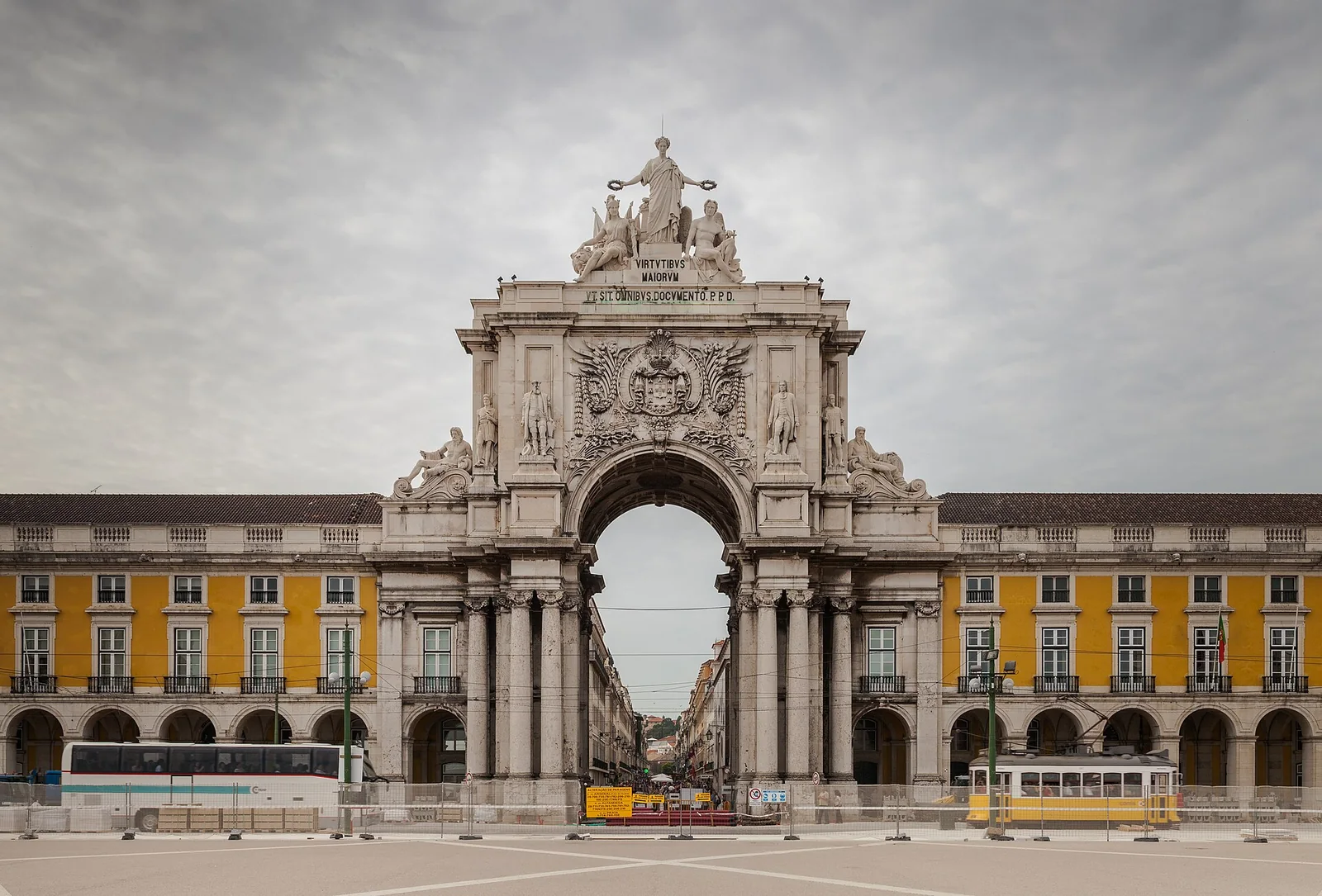

Portugal's map makes an ambitious journey look deceptively easy. Lisbon and Porto sit on a practical rail corridor, yet reaching a Douro vineyard, a remote Algarve cove, a Madeira mountain trail or an Azores island requires an entirely different kind of planning. The best trip is not the one that visits the most named places; it is the one that gives each chosen region enough time to reveal itself. This guide starts with the decisions that shape your days: how long to stay, where to base yourself, what transport to use, which details need checking and when it is wiser to leave another tempting stop for a second journey.
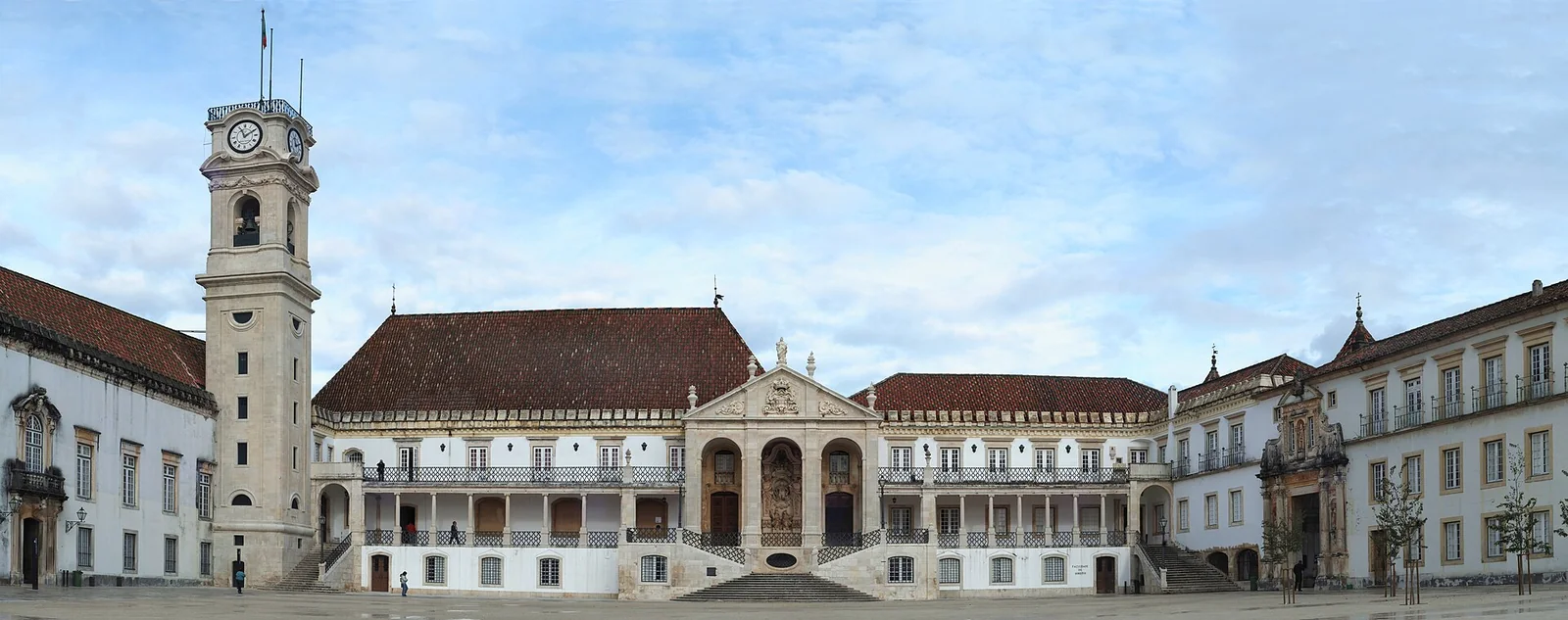
How to think about Portugal
- Lisbon: historic neighbourhoods, food and day trips — rail/metro; avoid a car in the core
- Porto and the Douro: granite city streets and wine-country landscapes — rail works well to Porto; valley details vary by stop
- Algarve: limestone coast, beaches and resort towns — rail reaches Faro/Lagos corridor; a car adds flexibility
- Madeira: mountain roads, levadas and Atlantic viewpoints — fly to Funchal; island road planning matters
- Azores: volcanic lakes, whale-watching and island landscapes — fly to the archipelago; inter-island plans are weather-sensitive
- Alentejo: walled towns, cork landscapes and slower road trips — best with a car outside Évora
- Centro and Coimbra: university heritage and a useful Lisbon–Porto break — mainline rail makes Coimbra straightforward
- North and Minho: green valleys, Braga and Guimarães — regional rail plus local transport

When to go
- March–May: mild mainland sightseeing, green landscapes and generally easier city pacing
- June–August: long days and beach weather, with peak crowds, higher heat and wildfire awareness
- September–October: warm coast, wine-country interest and strong shoulder-season routing
- November–February: city and food trips can work well; Atlantic weather is more changeable and islands need flexibility
Build the route before booking hotels
- 7 days: Lisbon + Sintra + Porto; keep the route rail-led and resist adding an island
- 10 days: Lisbon + Porto + one focused region such as Douro or Algarve
- 14 days: mainland north-to-south, or a compact mainland week plus Madeira or one Azores island

Transport reality
- Use CP rail for the strongest city corridors; check the live timetable rather than assuming every rural destination is rail-friendly.
- A rental car earns its keep in Alentejo, western Algarve, rural north and many island itineraries; it is usually a burden in central Lisbon and Porto.
- Madeira and the Azores are flight-led additions to a mainland trip. Treat transfer days as real travel days.
- Atlantic ferries and island services are operational tools, not guaranteed sightseeing rides; weather can alter plans.
Budget and safety
TripMag does not publish a fictional universal daily budget: season, base and transport structure move the total too much. Use the dedicated cost and safety guides for live-sensitive planning.
Common mistakes
- Trying Lisbon, Porto, Algarve and an island in one short trip.
- Assuming Portugal is Mediterranean: Atlantic wind, swell and water conditions materially affect coast days.
- Renting a car for city centres instead of for the regions where it adds freedom.
- Treating Madeira and the Azores as interchangeable island add-ons.
What kind of Portugal holiday are you really planning?
A Portugal holiday can be a city-and-rail journey, a coast-based week, a slower rural drive or an Atlantic-island adventure. Those are different products. Start with the experience you want before comparing flights. For someone who loves urban food culture, historical buildings and evenings on foot, a Lisbon–Porto route is a strong foundation. For a family whose primary goal is supervised beach time, staying in one Algarve town may be far more successful than booking a north–south circuit. For a confident walker interested in mountains, Madeira deserves enough days to allow trail access and weather to shape the plan.
Ask three questions. What would make the journey worthwhile even if the weather changed? Which part of the trip would you most regret rushing? How much movement with luggage are you willing to tolerate? A couple may enjoy changing hotels every third night, while a family or someone with mobility needs may need a more stable base. Neither is a less authentic way to travel. The useful itinerary is the one that preserves energy for actual experiences rather than rewarding the number of places highlighted on a map.
For a first trip, the mainland rail corridor is exceptionally useful. You can experience two different cities, add a thoughtful excursion and avoid the stress of driving in historic centres. Portugal's islands are not interchangeable substitutes for its mainland regions: both Madeira and the Azores have distinctive terrain, transport and weather challenges. Treat them as complete destinations. Choosing one coherent travel story is the first real investment in quality.
How many days do you need?
Three to four days: choose one city or one coastal base, not a country-wide itinerary. Lisbon is compelling for a short cultural break with an optional Sintra excursion if you have sufficient time. Porto offers a different northern city character, with possible nearby excursions for a longer weekend. An Algarve stay can be a beach-focused escape provided airport and onward transport do not consume most of the trip. Be honest about the first afternoon after flying and the departure morning; neither is necessarily a complete sightseeing day.
Seven days: Lisbon and Porto by rail, with a purposeful Sintra day, form a satisfying first-time route. Three or four nights in Lisbon followed by two or three in Porto avoids the constant cycle of checkout and check-in. You can go north or south according to flights, but calculate station and airport transfers before deciding. Resist the temptation to add the Algarve merely because the name is familiar. A coastline reached for a single rushed afternoon is not the same experience as a coastal holiday.
Ten days: the extra time is best invested in one additional region, such as the Douro, Coimbra and central Portugal, or a dedicated Algarve stay. Each changes the rhythm of the holiday. A Douro overnight is about a landscape and slower evenings; a southern base means beach conditions, local excursions and possibly a short rental-car period. Both can be excellent but combining them with every big city is often exhausting. Keep at least two nights in any new base unless it is genuinely only a transit stop.
Fourteen days: you can plan a thoughtful mainland north-to-south route or combine a relatively compact mainland trip with a meaningful stay on Madeira or a single Azores island. Remember that an island flight is more than time in the air; packing, reaching airports, waiting and getting to the next accommodation take a substantial portion of a day. If the islands are your chief interest, it may be better to give the whole holiday to one of them rather than include Lisbon and Porto simply out of habit.
Choosing the season: region first, date second
There is no universally perfect month. Portugal's Atlantic position, differences in altitude and contrasting northern and southern conditions make blanket seasonal advice unreliable. Spring can be comfortable for cities and rural sightseeing, but an exposed northern trail or a high Madeira ridge may have very different conditions from Lisbon at the same time. Summer can work well for coast-focused holidays but may bring heat, high demand and wildfire concerns in the interior. Early autumn can combine city time with wine-country interest and some coast activities, subject to actual weather and operator dates. Winter suits travellers comfortable with more rain and a culture-and-food emphasis.
Use the Portuguese meteorological agency IPMA for current conditions, warnings and forecasts. Weather averages are a starting point for what clothing to pack, not promises about the dates you choose. A plan for the Algarve based on swimming needs a very different definition of good weather from a plan to photograph dramatic Atlantic coastlines. On Madeira, checking the live status of a hiking route can matter more than monthly temperature. In the Azores, island connections and cloud over crater viewpoints deserve weather buffers.
If you must travel during school holidays, do not let articles describing another season as ideal make you feel you have booked the wrong country. Instead, select the region and pace that suit the dates. A hotel close to a supervised beach, an early outdoor excursion and time for lunch out of midday heat can make a summer trip successful. When dates are flexible, compare total accommodation and transport prices across several weeks rather than assuming one shoulder-season departure will automatically be cheapest.
Finding the right base before browsing hotels
Where you stay determines much of the daily experience. In Lisbon, a property near a practical metro or suburban-rail connection may offer more freedom than a beautiful room reached by a steep climb with luggage. For a trip prioritising the old quarters, atmosphere may be worth that extra effort; for a traveller with mobility needs it may not. In Porto, the choice between staying near the historic centre, the river or Vila Nova de Gaia changes evening walks and the ease of reaching Campanhã for an onward long-distance train.
Rural stays have different constraints. In the Douro, a vineyard property may need a transfer from the nearest station and may not have a restaurant open on your arrival evening. Alentejo accommodation can offer wonderful tranquillity while placing every meal and excursion at the end of a drive. On Madeira, a Funchal base can be practical for guided excursions, while a remote hillside stay may appeal to an experienced driver seeking solitude. In the Algarve, the question is which beach and town you intend to use, not merely whether the property is within the region.
Evaluate each shortlist property with the same simple test: how will you reach it on arrival, how will you reach tomorrow's main activity, and how will you return after dinner? Ask about lift access, noise, cancellation and transfer arrangements where relevant. A luxurious room that complicates all three questions may cost more in time and taxis than its advertised rate suggests. Use the related Where to Stay in Portugal guide for detailed base comparisons, and verify every selected property's current terms before payment.
Getting around: where trains are excellent and where they are not
CP – Comboios de Portugal is the starting point for mainland rail planning. Lisbon–Coimbra–Porto is a particularly useful corridor, served by long-distance products including Alfa Pendular and Intercidades. These trains differ in service pattern and conditions; the best departure is the one whose stations, time and fare work for the whole journey. A train advertised as arriving in Porto may use Campanhã, while a traveller's hotel may be closer to São Bento or on the Gaia side of the river. That onward transfer belongs in the itinerary.
Lisbon's metro and suburban trains make many city journeys and day trips practical without a car. Sintra and Cascais use different suburban rail lines; confirm the station and return timetable rather than assuming that all trains leaving central Lisbon serve both. Porto also has a metro network, and the airport provides public-transport links including Metro Line E. A well-placed hotel near transit can make a car rental unnecessary for the first week of a city-focused trip.
A rental car earns its cost when it replaces difficult repeated rural transfers. Parts of Alentejo, the northern countryside and stretches of the western Algarve can justify driving, as can some island itineraries. It is often poor value when parked for days in central Lisbon or Porto. Read the rental terms for deposits, insurance excess, permitted drivers and Portugal's mixed conventional and electronic toll systems. Confirm driving documents for your nationality using current official guidance. If the journey involves wine tasting, use a driver or rail-and-transfer plan rather than combining drinking with self-driving.
Madeira and the Azores require separate transport logic. Madeira relies on road-based services and tours, while the Azores include island-specific road travel plus flights and selected ferry links. A journey that appears quick on a map can consume most of a day when check-in, transfers and waiting are included. Reserve flexibility for severe weather and do not protect an international flight with an unrealistically tight island connection. The companion transport guide compares the modes in detail with official operator links.
Money: create a real trip budget, not an invented daily average
A universal daily budget for Portugal obscures more than it explains. A solo traveller in a central hostel, a couple using rail and midrange hotels, and a family renting a car for coastal excursions buy fundamentally different holidays. Accommodation is affected by city, season, events, room type and booking flexibility. Intercity transport varies by advance purchase and fare restrictions. Coastal and island experiences may involve guided transport, admission or weather-dependent cancellation policies. A price printed without dates can become misleading almost immediately.
Build a budget from five categories: accommodation for the exact nights, transport door-to-door including airport and station transfers, food choices, paid activities and a contingency. Compare two workable route options rather than one unrealistically cheap quotation. If a rural hotel saves a little per night but requires daily taxis, it may not be better value. If an intercity train ticket is slightly more expensive but avoids a car and parking charges, the total can be lower. For an island itinerary, include baggage conditions and the risk of separate flights.
Keep room for one memorable experience rather than spending on every upgrade. A well-chosen guided cultural visit, a meal with a regional focus or a thoughtfully arranged Douro excursion can deepen the journey. You do not need to purchase an attraction each day. Portugal's streets, landscapes and ordinary café life are central to its appeal, although you still need to respect property boundaries and protected-area access rules. For current budgeting methodology, use the dedicated Portugal Travel Costs guide, then obtain date-specific prices from providers.
Eating in Portugal: make room for the regions
A food itinerary should reflect where you are, not repeat the same famous dish in every destination. Lisbon's markets, neighbourhood cafés and restaurants provide a range from straightforward everyday meals to special-occasion dining. Porto and the north have their own food traditions and a different evening rhythm. Inland Alentejo offers opportunities to explore regional ingredients and a slower style of eating, while coastal towns naturally encourage attention to what is genuinely available from local fisheries. Madeira and the Azores add island-specific food cultures that should not be treated as one generic Atlantic menu.
Make one or two meaningful meals part of the route, then leave other days open. If travelling to a vineyard restaurant or a rural estate, confirm reservations, dietary needs and transport. In a city, a modest neighbourhood restaurant can be more enjoyable after a full day than a formal dining reservation across town. Ask what is local and in season rather than assuming a menu's romantic description proves provenance. For readers avoiding particular foods, language cards and clear communication help more than an unverified claim that a region's cuisine is automatically suitable.
Food Atlas can be a useful companion for understanding dishes, but it should not dictate how much of the holiday is spent collecting restaurants. Try unfamiliar preparations, take a slower lunch where it suits the day and recognise that food traditions often tell you as much about geography and history as another viewpoint. A well-paced meal is one of the simplest ways to make the journey feel less like a checklist.
Travel safety: Atlantic coast, summer heat and small practical risks
Portugal is a mainstream independent travel destination, but a reliable guide should discuss the risks that actually change a day. In busy urban transport and tourist areas, use the ordinary precautions appropriate to crowds: secure your phone and wallet, watch belongings when distracted, and do not leave bags unattended at cafés. At night, plan how to return from a busy entertainment district and look after companions. These are sensible habits, not a reason to fear the country's cities.
The Atlantic is a more distinctive safety consideration. Large waves, currents and exposed headlands can make a spectacular beach unsafe for swimming. Read lifeguard flags where they are provided, choose suitable supervised beaches when swimming is important, and avoid standing below unstable cliffs or crossing barriers for photographs. An Algarve sea cave that appears calm in an online picture may not be safe or legally accessible on the day you visit. Book experienced operators for marine excursions and respect cancellations based on sea state.
The FCDO warns about heightened wildfire risk during part of the warmer year. Inland road trips and hikes should therefore use current official warnings and accept route changes. On Madeira, classified PR hiking routes have formal access and reservation arrangements under the 2026 system. Consult the official Madeira hiking portal before booking a shuttle or entering a trail. On the Azores, use the regional classified trails network to match a walk to your experience and check status. A current local closure overrides every recommendation in a travel article.
The emergency number in Portugal is 112. Save details of your accommodation, emergency travel insurance and any essential medication offline. Understand what your insurance covers, particularly for hiking, driving and water activities. Eligible UK travellers may benefit from a valid GHIC or EHIC for qualifying state healthcare, but neither replaces comprehensive travel insurance. The current FCDO Portugal advice is the appropriate starting point for UK-oriented information, not a fixed guide that cannot respond to new events.
Entry documents and arriving from the UK or US
Check entry rules for the passport actually used by each traveller. Portugal is within the Schengen area, but British, US and EU passport holders do not all have identical rights, documentation rules or circumstances. The FCDO provides a country-specific entry requirements page for British nationals; US travellers should consult their government's official guidance and the appropriate Portuguese or European authority. A Czech or other EU citizen has distinct free-movement rights. Do not copy a visa or passport-validity instruction from a forum without checking that it applies to your nationality and intended length and purpose of stay.
Digital border-entry procedures may affect processing times. Allow space for formalities when arriving from outside Schengen and do not treat the theoretical minimum connection as a guarantee. Keep the travel document used for booking accessible and confirm that its details match airline reservations. If travelling for work, extended stays or remote employment, research the relevant permission separately from tourist rules. No generic travel article should promise that a short holiday entry arrangement automatically covers employment.
For flights, compare the total route rather than only the fare. Lisbon and Porto can make a sensible open-jaw combination when prices and timings cooperate. Faro may be more logical for a southern beach trip, while Funchal and Azores airports serve island-focused travel. Airport-to-hotel transfers differ by arrival time and destination. A direct flight landing late in the evening can still be worthwhile if you have arranged how to reach the room; a cheap connection followed by a long rural drive may not feel like value once you arrive tired.
Seven-day itinerary: Lisbon, Sintra and Porto by rail
Days 1–3: establish a Lisbon base and enjoy two genuine city days plus arrival time. Group neighbourhoods sensibly. An afternoon around Baixa and Chiado, a day involving Belém and its cultural sites, and an evening in a neighbourhood restaurant give contrast without repeated journeys across the capital. Check which experiences need timed entry and give each enough time. If your flight arrives late, move the first major activity to day two rather than squeezing it into the tired first evening.
Day 4: use the suburban rail network for a considered Sintra excursion. The main decision is whether to prioritise Pena Palace and its gardens, another major historic site or the town itself. It is rarely wise to buy tickets for every popular monument in the same day. Account for the route from the station, steep paths and how weather in the hills may differ from Lisbon. Return to the same accommodation that night to avoid an unnecessary luggage transfer.
Day 5: take the CP long-distance train north and allow the afternoon for settling into Porto. Confirm your arrival station and onward hotel route. Day 6: devote a proper day to Porto's historic districts, riverfront and one chosen cultural experience or cellar visit. Day 7: leave a gentle final morning and enough time for your departure. A through-ticket from one city to another is simpler than a complicated multi-modal chain, but it still requires realistic door-to-door timing.
This route is the most straightforward introduction for travellers without a car. Its deliberate omissions are part of its quality: it does not promise the Algarve or an Atlantic island as bonus stops. Use the detailed Portugal Itinerary article to compare the 7-, 10- and 14-day structures before purchasing hotels.
Ten to fourteen days: choose a second travel rhythm
With ten days, one more region can enrich the journey. Consider Lisbon and Porto followed by a Douro Valley overnight if wine landscapes and a slower rural day appeal. Alternatively, devote several nights to an Algarve base if beach time is important. Do not assume the two alternatives have similar logistics. The Douro requires attention to rural transfers and tasting appointments; a southern coast stay involves a longer geographical move and a choice between different towns and beaches. Both are more enjoyable with sufficient time to explore beyond the accommodation.
Fourteen days can accommodate a considered mainland route with an additional stop around Coimbra, a coastal section and one slower rural area. It can also support a compact mainland week followed by meaningful time on Madeira or a single Azores island. The islands are not an effortless extra night added to a city circuit. Flights, check-in, baggage and ground transfers take real time, and weather can affect the activities that motivated the visit. The quality choice is often to remove one mainland destination and protect another island day.
For a premium journey, invest in location and reduced friction rather than upgrading every ticket and hotel. A thoughtfully placed room near a station, an arranged vineyard transfer or a suitable mountain guide can alter the experience much more than a decorative upgrade. For a lower-budget journey, the same principle applies: choose well-connected bases and avoid repeated long excursions that undermine the savings. Good pacing is not a luxury category; it is a design decision available at different budgets.
Families, solo travellers and accessible travel
Portugal can work well for travellers with very different needs, provided the itinerary reflects them. Families may be happiest with a few nights in Lisbon and a longer, stable coastal base rather than frequent changes of accommodation. Select beaches for safe swimming conditions and facilities, not only scenic photographs. Consider a hotel or apartment within a manageable walk of food and transport, particularly if younger children need an afternoon rest. A well-located base can eliminate the hardest part of the day: moving tired children and luggage between places.
For solo visitors, simple logistics are empowering. Choose a base with reliable access from the arrival airport, keep offline directions, and plan demanding rural trips with confirmed return transport. A train-led Lisbon–Porto itinerary permits independent exploration without needing to hire a vehicle. For remote island hiking, tell a trusted person the route and expected return time, follow official closures and consider a qualified guide when terrain or conditions exceed your experience. Confidence comes from understanding the trip, not from believing risks do not exist.
Travellers with mobility needs should consider the complete route from airport to property and from property to sightseeing, not merely an accessible-room icon. Lisbon and Porto both include steep historic streets; some attractions and rural trails involve steps or uneven surfaces. Ask properties and transport operators specifically about lifts, step-free platforms, vehicle access and adapted facilities. An alternative viewpoint or a different hotel is not a lesser experience if it makes the journey genuinely enjoyable. Some managed attractions publish accessibility information; confirm details for the date and the needs of your group before booking.
Photographing Portugal without misrepresenting the location
Portugal's visual identity shifts dramatically between regions. Lisbon's tiled facades and riverfront architecture are not substitutes for Porto's stone streets or the vineyard terraces of the Douro. The limestone coastline of the western Algarve looks different from the lagoon and island landscapes of the east. Madeira's high ridges and dense vegetation are also distinct from the volcanic lakes and green slopes of São Miguel. A premium travel guide should let those differences remain visible, not fill every article with a generic turquoise-beach photograph that could have been taken anywhere.
When planning photographs, consider light and geography without risking access. Early or later light can reveal detail in city architecture and coastal rock, but never justify standing beneath an unstable cliff or crossing a restricted viewpoint. On trails, remain on the permitted path, respect sensitive vegetation and give other walkers room. If a photograph is used editorially, verify that it depicts the actual place and that the rights and attribution are valid. A beautiful image with the wrong location is misleading, particularly in a guide whose purpose is practical trip planning.
Photographic conditions are not promises. The Douro's vineyards look different across the year, and a Madeira summit may be concealed by cloud after a sunny morning in Funchal. Build alternatives, not a frantic sequence of drives to chase an image. The best memory is often the time you spend looking at the place rather than the number of shots saved.
Five planning mistakes that make Portugal feel harder than necessary
The first is choosing too many regions. A seven-night trip involving two cities, a southern beach stay and an island does not offer the time its promotional itinerary implies. The second is renting a car automatically from the airport, then paying for parking while exploring walkable or rail-connected cities. The third is confusing Atlantic beach scenery with guaranteed swimming safety. A dramatic wave or cliff photograph says nothing about lifeguard flags or current conditions.
The fourth is choosing accommodation without tracing the real luggage route. A steep hill, a distant station or a rural property without dinner can impose a daily cost not reflected in the room rate. The fifth is planning mountain walks or island travel from timeless online advice. Madeira's classified trails have a 2026 reservation framework, and Azores travel responds to weather and island-specific services. Check current official status whenever it affects the day.
These errors have one thing in common: treating places as labels rather than lived geographies. A stronger itinerary uses fewer assumptions and better questions. Can you reach the hotel at your arrival time? Do you have a safe return route? Is the activity suitable for everyone with you? Does the day remain worthwhile if one booking is cancelled? If the answer is yes, the journey has room to become memorable for reasons you never anticipated.
Primary sources, update policy and what to verify
The national tourism authority provides the geographical starting point for each region, and CP publishes current rail services and booking conditions. IPMA is the reference for weather and warnings. For British travellers, the FCDO's country advice addresses current travel requirements and risks. Madeira's classified trail portal and the Azores trails directory are essential when outdoor access determines the trip.
The route comparisons and practical advice here were reviewed in October 2026. That does not mean prices, admission fees, rail timetables, passport processes or mountain access stay fixed. Recheck each live-sensitive item with the responsible authority or provider before committing money or entering an exposed area. The goal is to give you an accurate way to plan Portugal, not a false impression that every detail can be guaranteed months in advance.