
A Lisbon tram full of sightseers, a bright cove beneath Algarve cliffs and a sunlit Madeira mountain path have almost nothing in common when it comes to risk. Portugal is easy to romanticise as one uncomplicated holiday destination, yet each setting asks a different question: who is watching your bag, what do the beach flags mean, and is the trail even open today? The most useful safety advice is neither a list of frightening anecdotes nor a blanket assurance that everything will be fine. It is a practical guide to the decisions that change the outcome of an otherwise excellent trip.
Practical risks to plan for
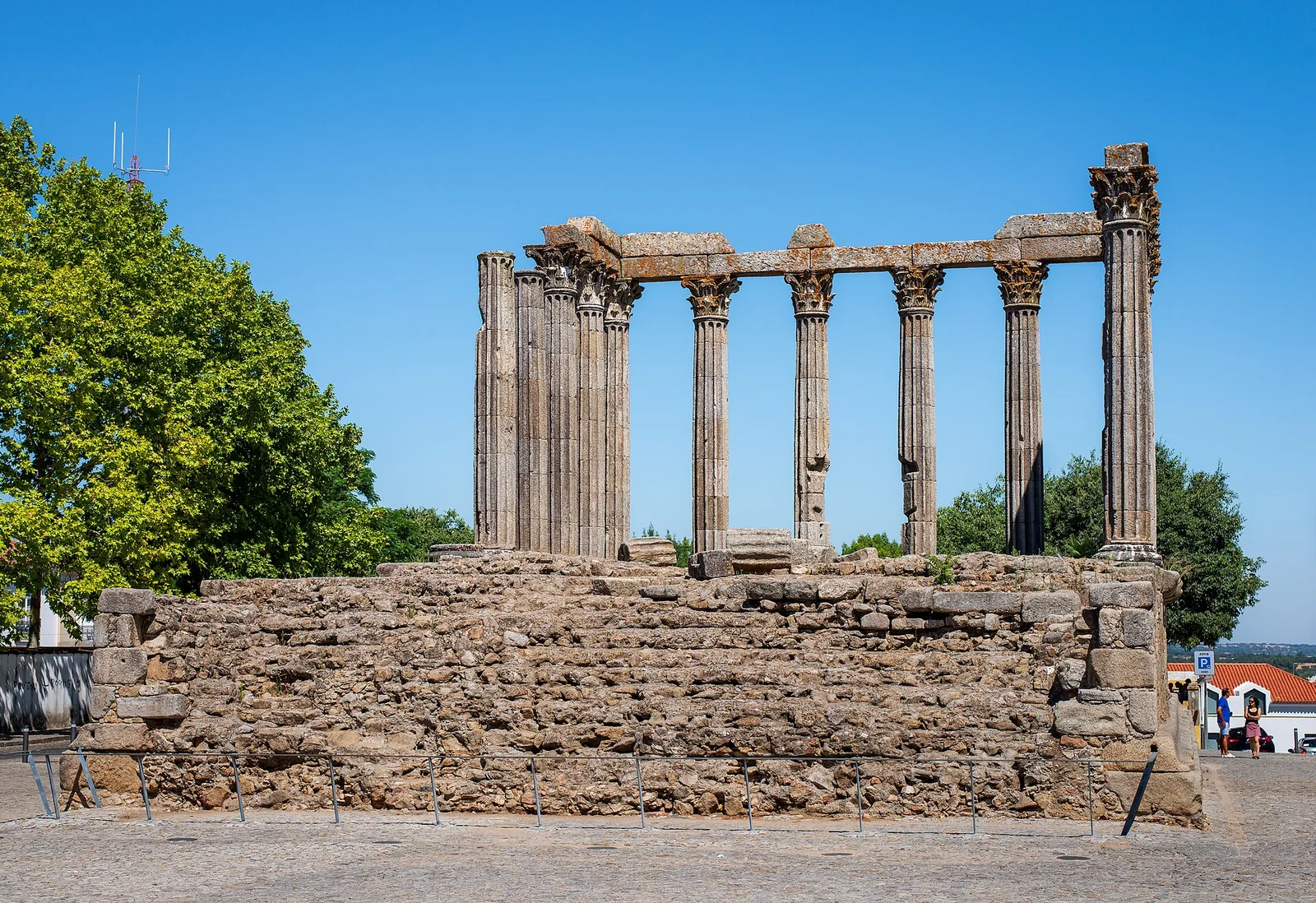
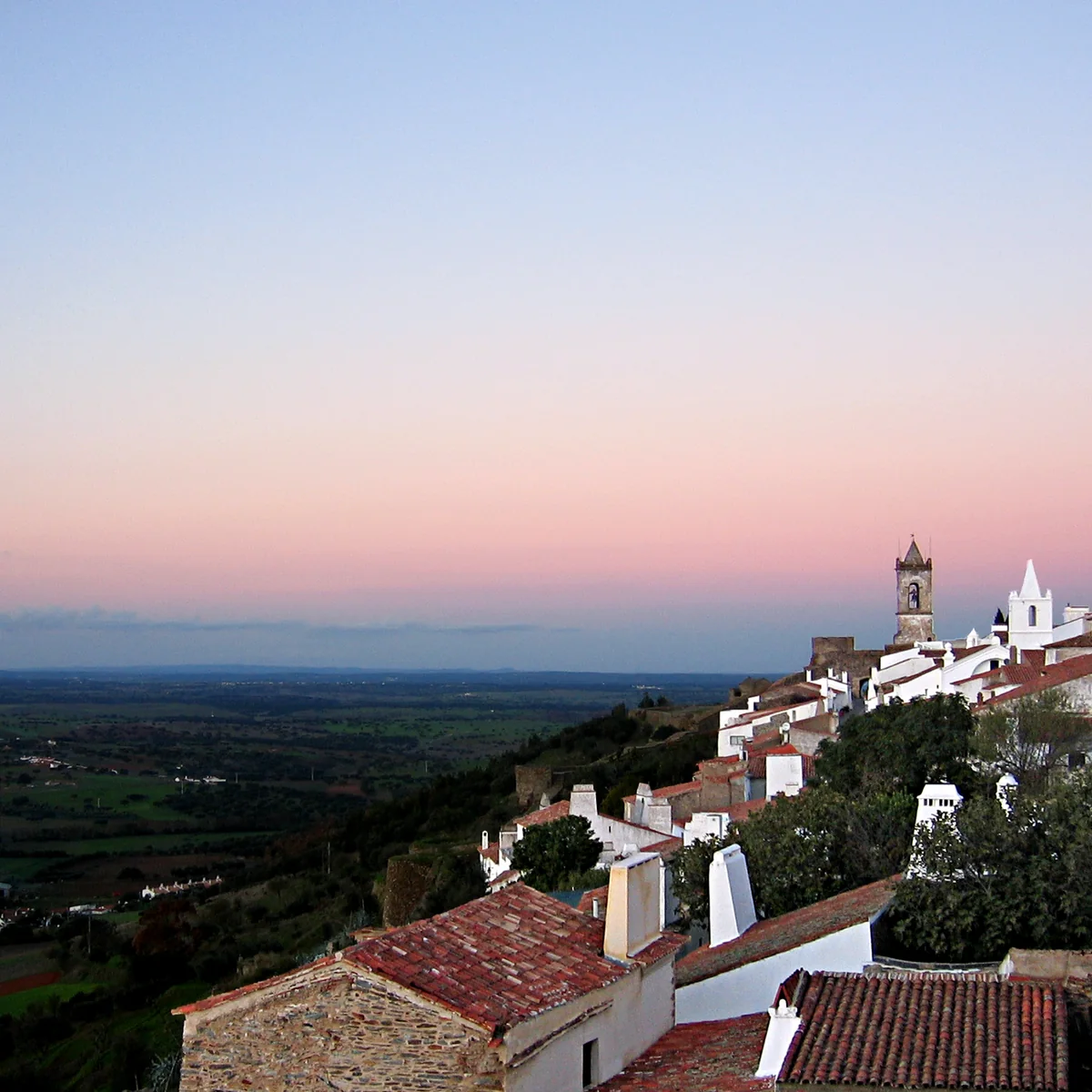
- FCDO advice checked on 12 October 2026 highlights a high wildfire risk in the summer season, particularly April to October; follow local civil-protection instructions.
- Atlantic surf, cliffs and exposed viewpoints deserve more respect than a generic beach-holiday mindset suggests.
- Cobbled hills can be slippery in rain, and rural/mountain roads reward conservative driving.
- For Madeira levadas and Azores trails, check official closures and weather locally before committing to a route.
Use official alerts
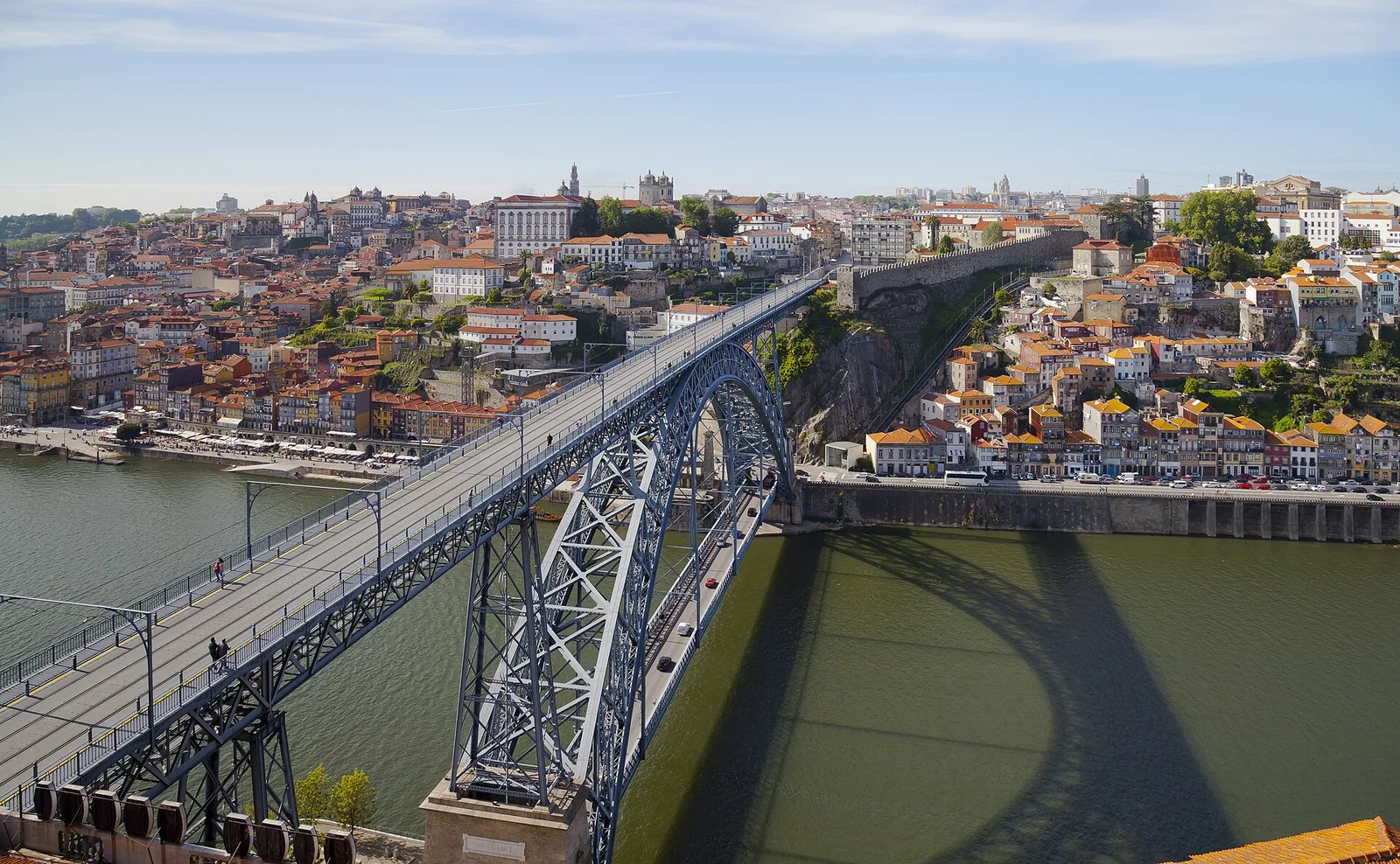
For wildfires, storms, earthquakes, volcanic activity, trail closures or transport disruption, follow official authorities and operators. Do not use an old travel article as a live warning system.
Low-drama precautions that work
Keep travel insurance appropriate to planned activities, leave connection buffers, save emergency information offline and check the next day's conditions before a weather-sensitive leg.
What “safe” actually means on a Portugal holiday
Portugal is a sensible choice for an independent holiday, but its safety profile changes with the trip you choose. An afternoon in a busy Lisbon neighbourhood presents different decisions from a cliff walk in the Algarve, a hired-car journey through the interior during a heatwave or a levada hike above Madeira's steep valleys. The usual questions about crime are only one part of the answer. A useful safety plan also considers where the route will take you, how much daylight remains, the sea and weather, the availability of help and the consequences of a delayed connection. Those are practical decisions, not reasons to avoid the country.
The UK Foreign, Commonwealth & Development Office (FCDO) publishes separate Portugal advice for entry requirements, safety and security, health and getting help. Its guidance explicitly also covers Madeira and the Azores. Read it close to departure and again if circumstances change. A national travel-advice page cannot describe conditions at every beach or mountain path at a particular hour. For that you need current warnings from the operator, beach or trail authority. That distinction is the foundation of this guide: prepare using stable information, then make the final decision using live, local facts.
Street crime in Lisbon, Porto and tourist areas
The most realistic urban precaution is looking after personal belongings when moving through crowds. The FCDO warns that street thieves can work in teams and use distractions, including around public transport, crowded tram stops and bus stops. That does not mean travellers should be frightened of using the metro or exploring popular streets. It means a zipped bag worn where you can see it is more useful than keeping a phone exposed in an open pocket; it also means pausing before responding when someone unexpectedly diverts your attention as another person stands close behind you.
Lisbon's busy trams are charming but not an excuse to stop thinking about your bag. Wait for passengers to clear before adjusting your wallet or camera, move away from a crowd to consult directions and avoid exposing all your cash whenever you buy a ticket. In Porto, a steep walk between viewpoints may feel more informal than a station concourse, but leaving a bag on a café chair is still a poor idea. At beaches and markets, agree who watches valuables before everybody goes into the water or wanders to a stall. A small amount of preparation preserves the spontaneity of the day without turning normal city life into a constant threat assessment.
Keep a photograph or secure digital copy of the passport identity page separately from the original, and know where your accommodation is. If a passport or bank card disappears, contact the relevant authority and provider promptly, then follow the consular instructions for emergency travel documents if required. Do not assume an informal insurance claim can replace a police report if the policy requires one. Share your itinerary with a trusted person without broadcasting real-time absences from your room. Most visitors will never need this preparation, which is exactly why it should be simple rather than elaborate.
Nightlife, drink safety and getting home
Late-night entertainment in Lisbon, Porto and Algarve resort towns can be an enjoyable part of a holiday. The FCDO nevertheless advises extra vigilance around popular nightlife districts, including the possibility of drink spiking and sexual assault. These risks are not confined to any particular traveller or group. Choose a meeting point, keep your phone charged, buy or accept drinks only in situations you trust, and know how you will return before the night becomes complicated. Friends should look after one another rather than assuming that everybody will independently find the hotel when a bar closes.
Do not try to resolve an argument, a suspected drugging or a vulnerable person's disorientation by improvising a long walk through unfamiliar streets. Move to a staffed and well-lit location, seek immediate medical help where appropriate and contact emergency services for urgent danger. If you feel uncomfortable with a driver or venue, you are entitled to leave and arrange a different option. The aim is a low-drama plan: a transport route, a shared address and enough independence to leave when you want. A sensible group chat is more valuable than any promise that a popular tourist district is risk-free after midnight.
Atlantic beaches demand Atlantic judgement
Portugal has extraordinary beaches, but the Atlantic is not a hotel swimming pool. The FCDO warns about strong currents, unpredictable waves, submerged hazards and dangerous conditions on unsupervised stretches. Never infer safety from the number of people sunbathing. Choose a supervised beach when swimming is important, read the flag system and ask lifeguards about conditions rather than copying a stranger who appears confident. A red flag means stay out of the water; yellow signals significant restrictions. These are instructions, not decorative information for photographs.
Large waves can reach higher onto a beach or rock platform than visitors expect. Keep children within immediate reach around water, especially at a villa pool where an adult may mistakenly think somebody else is supervising. Do not dive into unfamiliar water and avoid swimming close to river mouths or rocks where currents and depths can change abruptly. If pulled into a rip current, the FCDO advises against fighting directly into the flow; its guidance describes moving parallel to shore to escape before heading back. The safer strategy is preventing exposure in the first place by obeying local flags and not entering an unguarded beach when conditions are uncertain.
The Algarve's dramatic cliffs create another hazard. The FCDO explicitly warns about cliff erosion and falling rocks and notes that ignoring official warning signs can attract a fine. Keep away from cliff edges, fenced areas and the base of unstable rock faces. Photographs from under an overhang may look exceptional but are not worth exposure to falling stone. If a beach is accessed by steep steps, check whether everybody in your group can manage the return climb in the heat. Do not assume every celebrated sea cave can be reached by swimming or a hired kayak: restrictions, sea state and operator authorisations are separate, changing questions.
Wildfires, heat and smoke in the interior
The FCDO highlights a high wildfire risk during the April-to-October season. This is particularly relevant when an itinerary includes the inland Alentejo, rural north, forested landscapes, a summer road trip or a hike far from a town. Fire conditions can change quickly with heat, dry vegetation and wind. A route that was suitable when you booked a guesthouse may become inappropriate if authorities restrict access. Check official Portuguese warnings and follow instructions about closures, evacuation or road use. A travel article is not a wildfire alert service and cannot tell you that a particular mountain or trail is safe tomorrow.
When smoke or extreme heat affects a region, the right decision may be to shorten a walk, change bases or leave a planned scenic road unexplored. Avoid parking on dry vegetation, obstructing emergency access or lighting any flame where prohibited. Carry enough water for delays and know the location of the next suitable stop before setting out into an unfamiliar inland area. Do not rely exclusively on a phone map that may lose signal, particularly when diversions take you away from major roads. Families, older travellers and anyone sensitive to smoke may need a much more conservative plan than a fit adult following an ambitious hiking itinerary.
Madeira hiking: reservation, closure and return-route rules
Madeira's levadas and mountain paths deserve their own risk assessment. Paths can be narrow, exposed, wet or subject to sudden weather changes. The official Visit Madeira hiking portal shows classified trail status and explains the reservation system. As of October 2026, official classified PR routes require an advance online reservation and allocated entry slot; fees vary, and some notable routes have special conditions. Do not assume that an open-looking path is open to visitors, that an old blog's price remains valid or that paying a hiking fee removes the need to check the weather.
For example, the Institute of Forests and Nature Conservation's published 2026 guidance distinguishes open, restricted and closed routes; for PR1 it also describes one-way sections and specified exit options after reopening. This is operational information with real consequences. A walker who plans to return by the outward route without checking the current rule may discover that the itinerary is no longer permitted or practical. Read the IFCN rules and notices before making a non-refundable transfer or booking a guide.
Match a walk to the least experienced member of your party. Footwear, weatherproof layers, adequate daylight and an informed turnaround point matter more than the route's popularity on social media. Tell somebody where you intend to go, and do not enter an area marked closed just because others have gone past a barrier. Tunnels, damp stone and exposed ridges create different needs from an easy urban walk. If someone becomes tired or anxious, change the plan; a local guide with appropriate insurance and route knowledge may be a better choice than saving the cost of assistance on a demanding first mountain day.
The Azores: weather and terrain alter a good itinerary
The Azores reward travellers with volcanic scenery and outstanding walking opportunities, but the Atlantic weather is a central part of the experience. Cloud can arrive quickly around crater-lake viewpoints and mountain paths. Check the official Azores trails information for current access and follow local notices. Fog can make an otherwise simple-looking trail harder to navigate, while heavy rain can leave surfaces slippery. Treat an island photograph showing blue sky as an image of one moment, not a forecast for the day you will visit.
On São Miguel, it is reasonable to have a flexible choice between a high viewpoint and a lower-level cultural or food activity. For a journey involving several islands, ferry or flight disruption can also affect the next night's accommodation, so protect the final departure connection rather than gambling on a tight transfer from a weather-sensitive leg. People booking adventure activities should verify the operator's qualifications and cancellation procedure. It is not enough that a route or activity is popular: a carefully chosen alternative is often the mark of a well-planned island holiday.
Driving safely: city parking versus rural freedom
Portugal's main roads make a road trip tempting, but the benefits of a hired car depend on where you will actually use it. In historic Lisbon and central Porto, steep streets, traffic patterns and scarce parking may make the vehicle a liability. For Alentejo villages, rural wine regions and some coastal routes, it can be useful when public transport is sparse. The FCDO provides specific information about driving documents and local requirements, including use of a UK photocard licence. Check your own entitlement and rental terms before travel; documentation differs for drivers holding older paper licences and for non-UK visitors.
Do not compare rental quotes on base daily rate alone. Check deposit and excess, permitted drivers, the arrangement for toll roads, fuel policy, mileage limits and restrictions for island or international travel. Make time for narrow roads, hills and unexpected stops, and avoid driving after a long flight if you are tired. In rural landscapes, know where fuel and services are available rather than relying on a final-segment estimate on your phone. Mountain roads can be slower than their map distance suggests; trying to recover lost time by taking a challenging road after dark is rarely a sensible trade.
Medical help and insurance beyond the obvious
Being able to reach healthcare matters even on a short Lisbon or Porto break. Read the FCDO's Portugal health information before leaving, take an adequate supply of prescribed medication and keep essential medicines in accessible hand luggage under airline rules. Where a medicine may be restricted, check with the relevant authority and carry supporting documentation rather than assuming that a UK prescription alone answers every question. For an urgent injury or serious illness, seek medical help instead of waiting to see whether the symptoms improve after your flight or transfer.
A valid GHIC or EHIC may allow eligible visitors access to medically necessary state healthcare under the relevant rules, but it does not replace comprehensive travel insurance. Private treatment, emergency repatriation, interruption of an expensive island itinerary or specialist mountain rescue may be outside what a health card covers. Ask about the actual activities you intend to do: a city museum trip is not the same insurance risk as canyoning, scuba diving or challenging hikes above Madeira's ravines. A cheap policy is not a good purchase if its exclusion list removes the principal reason you are travelling.
Keep the insurer's assistance number and policy reference available offline. If you need non-emergency medical attention, the insurer may have instructions about using a network of providers or obtaining authorisation first. Family members should know where this information is, without publishing medical details in a public group chat. A day or two of recovery space in an itinerary can help prevent a minor problem turning into repeated missed flights or hotel cancellations.
Emergency number, police and evidence after an incident
Call 112 for emergency help in Portugal. Tell the operator what happened, the number of people affected and exactly where help is needed. A clear address or a named beach access point is more useful than saying you are near a famous city or somewhere on a trail. If language is difficult, remain calm, answer simple questions and provide a map location where possible. For a non-urgent missing reservation or ordinary train disruption, contact the operator rather than the emergency service.
For theft or another matter requiring police reporting, the FCDO identifies the PSP as Portugal's public security police in cities and the GNR as the force covering rural areas and smaller towns. Ask how to get a report if insurance requires one and retain a reference number. Do not post photographs of somebody else's identity documents, or accusations identifying a private person, to a public social account. Keep receipts and concise notes about when and where a problem occurred: they are easier to record immediately than to reconstruct days later.
Choose a practical emergency contact arrangement before a remote hike or driving day, with an expected check-in time and a trusted person who knows what to do if you do not return. For a normal daytime city walk, complex tracking is unnecessary. What matters is that somebody can establish your planned route when conditions are unusually exposed or transport is unreliable.
Entry rules and document checks for UK and EU travellers
Portugal participates in the Schengen area. Entry conditions depend on citizenship, travel documents, residence rights and the purpose of travel. The FCDO entry page explains the conditions relevant to British passport holders. A Czech or other EU citizen has different movement rights, so do not copy a British checklist and assume it applies to everybody. Check each person's document, particularly if children travel on another nationality's passport or someone in the group has a non-EU residence status.
European border processes continue to evolve, making an old screenshot of an entry rule a poor substitute for the official source. Plan enough time for passport formalities at a non-Schengen connection, and remember that entry requirements are separate from an airline's check-in deadline. Carry the same passport that was used for any authorisation and ensure names match across the ticket and travel documents. If the purpose involves working or long residence rather than tourism, obtain specific official guidance before booking.
The FCDO also notes obligations to provide photo identification when requested by police, with identification required while driving. Keep original documents secure but accessible in a way that meets the law. Maintain a separate copy of identification details to assist if something is lost, without assuming that a photograph alone substitutes for original ID whenever an authority asks for it.
Local laws, nightlife rules and drink safety
Portugal's drug laws are often simplified in travel discussions. Do not mistake decriminalisation for permission to import, sell or possess any amount of any substance without legal consequences. The FCDO warns about serious penalties for smuggling illegal drugs, including when travelling through airports. If a travel companion says something is “basically legal everywhere”, check reliable legal information instead of accepting the reassurance. Public-behaviour rules can also vary by municipality: the FCDO explicitly highlights Albufeira's local code of conduct and potential fines for breaching it.
Busy nightlife areas can be enjoyable but are not free of risk. Keep control of your drinks, leave with someone you trust when possible and agree on a reliable way to return home. The FCDO warns about possible drink spiking and sexual assault around nightlife locations. Neither is something to blame on victims; preparation is simply about reducing exposure and ensuring that someone knows how to obtain help. If another person appears unwell, confused or in immediate danger, get staff or emergency assistance rather than trying to handle the situation privately.
Demonstrations and strikes may affect travel even if there is no general safety threat. The FCDO advises staying aware around public gatherings and checking providers when disruption affects airports or transport. You do not need to abandon a holiday because a city has a peaceful march, but follow police instructions and allow an alternative route when access is restricted.
Hiring a car and avoiding the insurance trap
Choose a car because the itinerary calls for one, not because the country looks compact on a map. Lisbon and Porto reward walking and rail for many visitors; narrow lanes, dense traffic and parking costs can make a hire car an expensive object sitting outside a hotel. By contrast, Alentejo villages, parts of the Algarve away from the rail corridor and rural inland landscapes may warrant driving. Plan to collect the car on the day you genuinely leave the city. That can eliminate needless parking charges and reduce the stress of navigating unfamiliar streets immediately after a flight.
Verify your licence eligibility and rental conditions. The FCDO advises that a UK photocard licence can be used; older paper licences may require different arrangements. Non-UK visitors should follow requirements applicable to their own documents. Read the actual rental agreement for liability, insurance excess, permitted drivers, card deposit, toll payment system, fuel rules and any border or ferry restrictions. Photograph the vehicle's condition at collection and return where lawful, retaining the operator's paperwork.
Use conservative route planning in the hills or on rural roads. A distance that looks modest on a map can demand slower driving in narrow streets or mountain bends. Avoid long journeys immediately after a late flight or a night out. In areas affected by wildfire risk or severe weather, check current road guidance rather than following a scenic route simply because it is marked on a tourist map.
Accessibility is a safety issue, not an optional footnote
Historic parts of Lisbon and Porto have hills and cobbled surfaces that can be wet or uneven. Ask the accommodation for precise information about lifts, entrance steps, slopes from nearby public transport and bathroom accessibility. A booking marked simply “accessible” may not answer the question that determines whether someone can use the property. If a traveller needs help embarking a train, contact CP about facilities and assistance on the exact service, rather than assuming that a station or wheelchair-accessible carriage makes every connection automatic.
For families, plan beaches and pools around active supervision. The FCDO advises keeping small children within reach near water, even when lifeguards are present. Do not let the presence of a private villa pool create a false sense of security. A coastal viewpoint reached via steps or rough ground may be unsuitable for a pushchair, and an ambitious mountain route may not suit somebody with limited mobility or vertigo. The most inclusive day is often one with a carefully selected accessible viewpoint and time to enjoy it rather than a rushed attempt to complete every famous attraction.
Heat adds another layer. In summer, schedule exposed sightseeing earlier, carry enough drinking water and build indoor or shaded breaks into the day. A long rural transfer and a midday walking tour can exhaust children and adults alike. Nobody should be left in a parked vehicle while others run a quick errand. Adapt the itinerary when the forecast changes rather than judging the day by the number of attractions completed.
Water activities and choosing a responsible provider
A boat trip or surf lesson is not automatically safe merely because it is popular. Ask an operator about safety briefings, flotation equipment, experience requirements, sea conditions, cancellation rules and how a trip would be changed if weather turns. A genuine professional should be comfortable declining to operate when conditions are unsuitable. Do not book on the promise of “secret” cave access if that involves ignoring restrictions or exposing visitors to unstable cliffs. Local maritime and conservation rules can change, and tour operators should be able to explain the current requirements.
Be truthful about swimming ability and health needs. A buoyancy aid does not turn someone into a confident swimmer in rough surf, and a calm photograph of a sea cave does not describe how it will feel when swell builds. For family groups, consider whether everybody can board a smaller boat comfortably and how transfers will work. If the weather makes water activities impractical, enjoy the coastline from managed viewpoints; the sea is interesting even when you do not enter it.
For surfing, the decision depends on experience and local breaks. Beginners are usually better served by instruction on a suitable beach than by copying experienced surfers entering powerful waves near rocks or reefs. Listen to beach lifeguards and school instructors, respect flag warnings and avoid overestimating your ability after a few lessons.
Payment security and holiday accommodation
Use a credible booking channel and inspect accommodation conditions before paying. A beautifully photographed apartment can be inconvenient if it is a steep walk from transport or lacks the access your group needs. Be cautious about sudden requests to move payment to an unfamiliar link or to send card details via messaging. Verify any change through an official contact found independently of the suspicious message. Keep some payment flexibility and a second way of accessing funds should a card be lost or frozen.
At a hotel or short-let, lock doors and windows, use the property's secure storage for valuables where appropriate and avoid leaving passports exposed while away. The FCDO specifically recommends reviewing accommodation security. None of this requires treating hosts with suspicion. It is a simple way to reduce preventable losses and keep the trip moving. For rental-car bookings, make sure the price you compare includes the deposit, excess and likely tolls rather than just the attractive headline daily rate.
What to do after a delay or cancellation
Allow connection buffers when the itinerary includes a ferry, island flight, mountain road or independently booked rail journey. The FCDO notes that strikes can affect travel at short notice. Check operator updates directly, distinguish confirmed cancellation from rumour and retain receipts if you incur necessary additional expenses. A hotel can often help with a local alternative, but it may be unable to solve an unrelated airline or ferry booking. Know who sold each ticket before calling for help.
Do not place the last night of a complex Azores island-hopping holiday on an island with a tight, weather-sensitive connection to the international departure airport. A relaxed final night near the flight gateway can save money and anxiety if conditions deteriorate. Similarly, plan a long rail transfer with enough space for luggage, platform changes and meal stops. Saving fifteen minutes on paper is not worth turning the whole journey into a race.
Practical checks before departure and each morning
In the week before departure, check the official entry requirements for every traveller, confirm your insurance covers the specific activities, verify any rail or island transfers and make offline copies of important contact details. Drivers should read rental terms and clarify toll arrangements. Hikers should identify the official trail-status page and understand the current reservation system before paying for accommodation close to a trail. Bring suitable layers for exposed coastline and mountains rather than packing only according to the temperature forecast for Lisbon.
Each morning, consult the information relevant to that day's actual plan. In Porto, that may mean transport changes and rain. At an Algarve beach, it is flags, surf and cliff restrictions. In Alentejo in summer, consider heat and wildfire warnings. In Madeira, check classified-trail status, reserved slot and the permissible route direction. When a warning changes the plan, choose another experience without guilt. A resilient itinerary has alternatives that are worthwhile in their own right, not a list of second-rate compensations.
Official references and the limits of this guide
For British travellers, start with the FCDO's Portugal country advice and the detailed safety, entry and health pages. For live hiking access on Madeira use Visit Madeira and the official IFCN portal. For island trail information in the Azores use the regional trail website. For timetables use CP. Each source should be checked again when it affects an immediate travel decision.
These pages were consulted in October 2026, but they cannot guarantee that every beach is supervised, that a hillside road is open or that an advertised activity will operate at the time of your visit. The soundest advice is to separate what is generally true about Portugal from what must be confirmed on a particular day. That gives you the most useful form of safety: the confidence to enjoy a remarkable country while being willing to change the plan when conditions demand it.