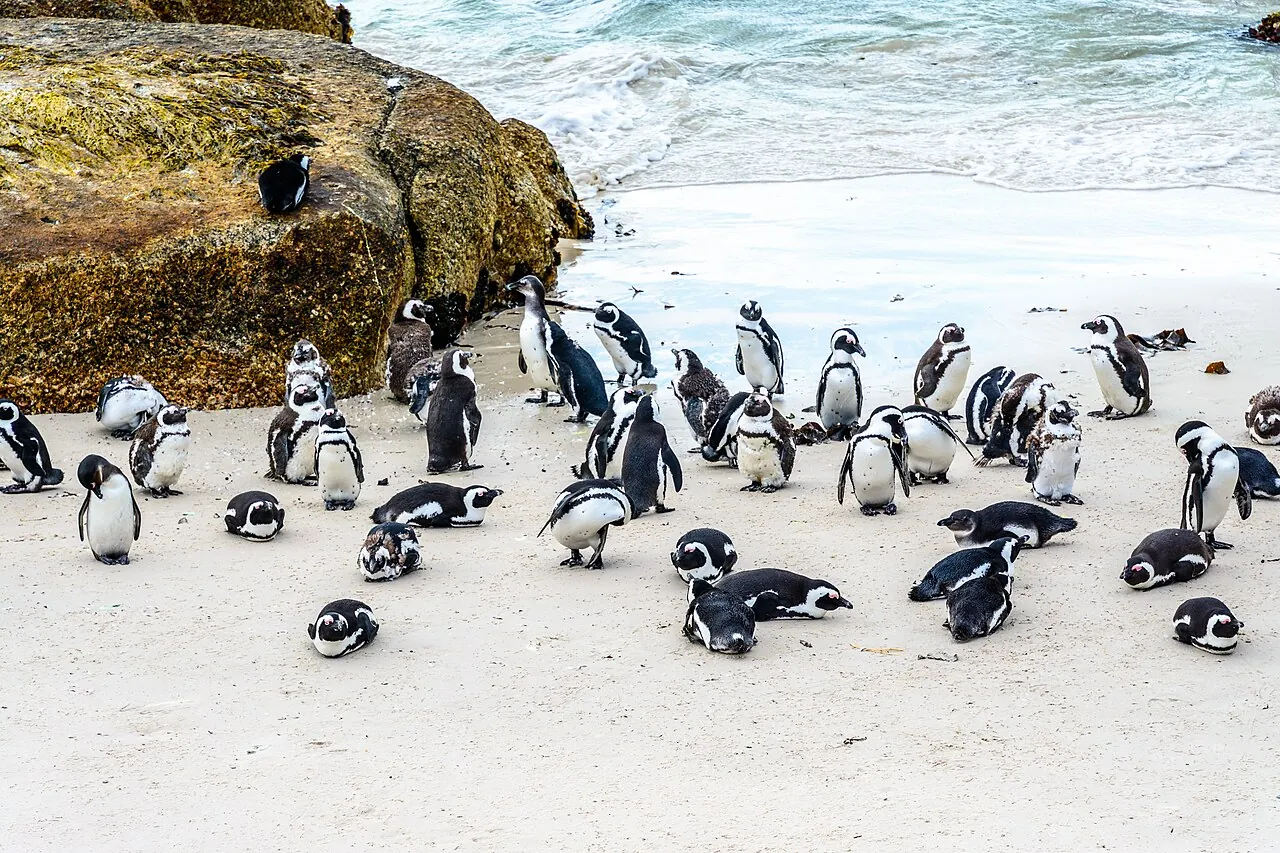

Most countries have a good season and a bad one. South Africa has two calendars running in opposite directions, and the trick is knowing which one your trip belongs to.
The Western Cape, with Cape Town, the Winelands and the start of the Garden Route, has a Mediterranean climate: hot, dry summers and cool, wet winters. The north-east, including Johannesburg and the Kruger National Park, gets its rain in summer, in afternoon thunderstorms, and stays dry and sunny through winter. The Indian Ocean coast around Durban is warm and humid almost all year.
The result is that every month suits somewhere, and the classic Cape Town plus safari trip involves a small compromise whichever month you choose. Here is how to make that compromise well.
The short version
- November to March: Best for Cape Town, the Winelands and the Garden Route. Hot, dry and long-houred, with the wind to match. Kruger is green, hot and wet, with newborn animals and migrant birds.
- April and May: A sweet spot. The Cape is still warm and calmer, crowds thin out, and Kruger is drying out with good game viewing.
- June to August: Peak safari season in Kruger and the private reserves. Cape Town is cool and rainy but green, quiet and good value. Whales arrive on the southern coast.
- September and October: Excellent all round. Dry in Kruger, wildflowers in Namaqualand, whale season at its height, and spring returning to the Cape.
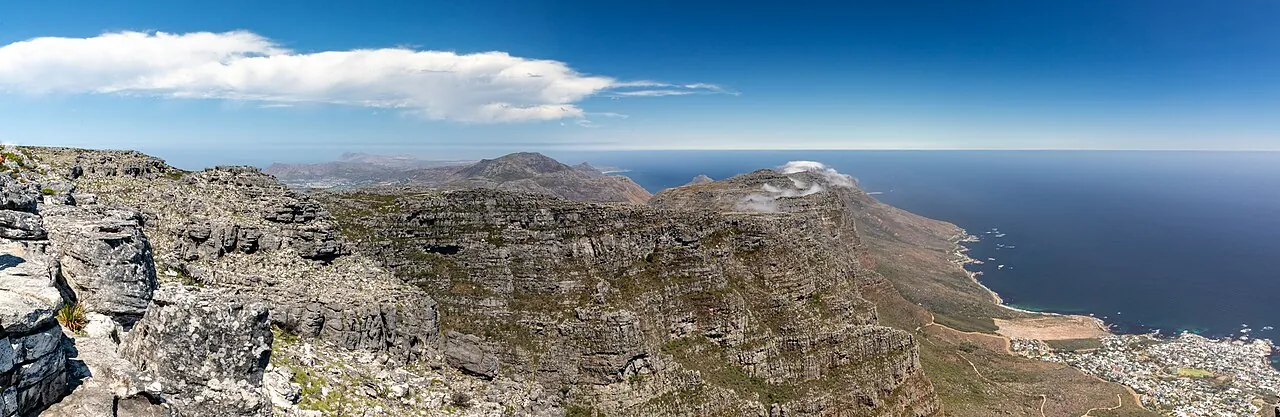
Cape Town and the Winelands: dry summers, green winters
Cape Town's long-term averages are a good guide to its moods. January highs are around 29°C with lows near 17°C, and almost no rain. In July the high drops to about 18°C and the low to about 7°C, and June, July and August are the wettest months of the year. Rain is heavier in the southern suburbs under the mountain than in the city centre.
Summer (November to March) is the classic season, and with good reason: long evenings, outdoor dining, beach days and wine estates at their liveliest. The catch has a name, the Cape Doctor. The strong south-easterly wind blows mainly in spring and summer, clearing the air and sometimes closing the Table Mountain cableway for the day. Have a plan B for wind days and go up the mountain early on the first calm morning.
Summer is also high season. South African school holidays run from mid-December into January, so the coast, Garden Route accommodation and popular restaurants book up and prices rise. February and March keep the weather but lose the crowds, and grape harvest in the Winelands usually runs from about February into March.
Winter (June to August) is underrated. Days are often clear and bright between fronts, the mountain turns green, waterfalls run, and hotels drop their prices. Cold fronts can bring a few days of heavy rain at a time, so keep the itinerary flexible. It is a good season for food, wine, museums and the whale coast, and a poor one for beaches.
A word on swimming. The Atlantic side of the peninsula, including Clifton and Camps Bay, is cold all year, averaging around 13°C. Locals sunbathe there and swim briefly. For warmer water, head to the False Bay beaches such as Muizenberg and St James, which are usually several degrees milder, or go east to the Indian Ocean.
Kruger and the lowveld: the safari runs on dry season
Kruger covers almost 20,000 square kilometres and holds more species of large mammals than any other African game reserve, around 147 of them. When you see them depends heavily on the season.
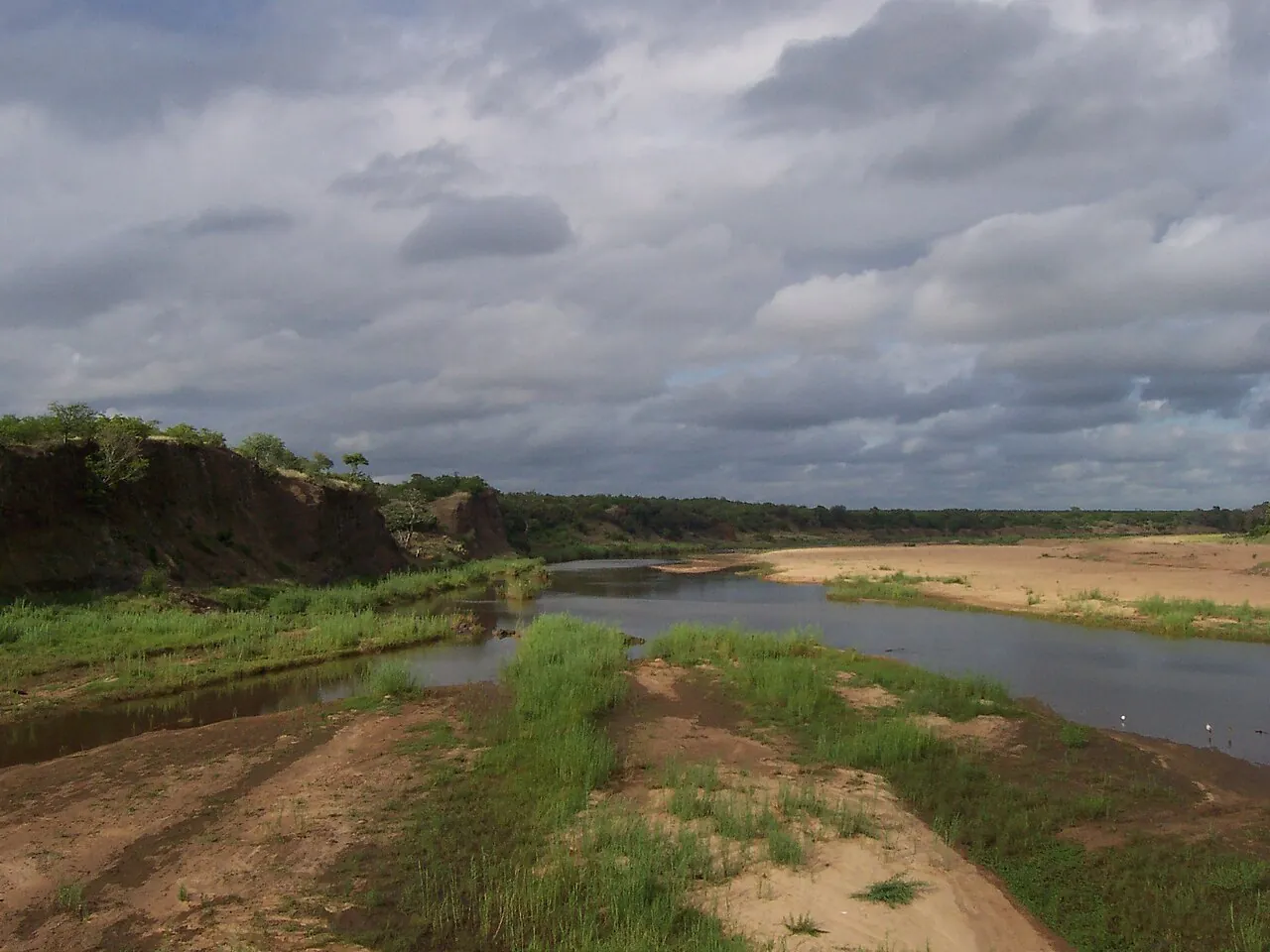
The dry winter, roughly May to October, is the classic safari season. Grass and leaves die back, so you can see further into the bush. Water is scarce, so animals concentrate around rivers and waterholes, which makes sightings more predictable. At Skukuza, in the south of the park, June and July average about 27°C by day but only around 6°C at night. Morning drives in open vehicles are genuinely cold: bring a warm jacket, a hat and gloves. September and October are the driest and dustiest months, with heat building towards the end.
The wet summer, roughly November to April, is hotter and greener. Skukuza's January average high is about 33°C and most of the year's rain falls in short afternoon storms. Game is harder to spot in thick vegetation, but there are compensations: impala and other antelope give birth around the start of the rains, migrant birds arrive, and the landscape is lush. Lodges often cut prices.
Kruger is a malaria area, and the risk is higher in the wet summer months. Take advice from a travel health clinic before you go, whatever the season. Malaria-free reserves exist in other parts of the country, notably in the Eastern Cape and the North West, which is useful for families with young children.
Johannesburg and the highveld
Johannesburg sits at 1,753 metres, which explains its climate. Summer days are warm rather than hot, around 25°C in January, with a reliable pattern from October to April of sunny mornings, afternoon thunderstorms and cool evenings. Winter, from May to September, is dry and sunny, with days near 16°C and nights close to freezing, and sometimes below it. Many Johannesburg homes have no central heating, so guesthouses can feel chilly in June.
Most visitors pass through Johannesburg on the way to Kruger, and either season works for a day or two in the city. Summer storms can briefly delay flights, so leave slack in tight connections.
Durban and the KwaZulu-Natal coast
KwaZulu-Natal is the country's warm-water coast. Durban averages around 28°C in January and 23°C in July, and the Indian Ocean stays swimmable all year. Summer is hot, humid and the wettest time, with most rain from November to January. Winter is the most comfortable season for many visitors: dry, sunny and warm by day.
Winter also brings one of the great wildlife spectacles of the southern hemisphere, the sardine run. From about May to July, vast shoals move north along the east coast, followed by common dolphins, Cape gannets, sharks and Bryde's whales. It is most noticeable along the Wild Coast and southern KwaZulu-Natal, and dive and boat operators run dedicated trips. It varies from year to year, so treat it as a bonus rather than a guarantee.
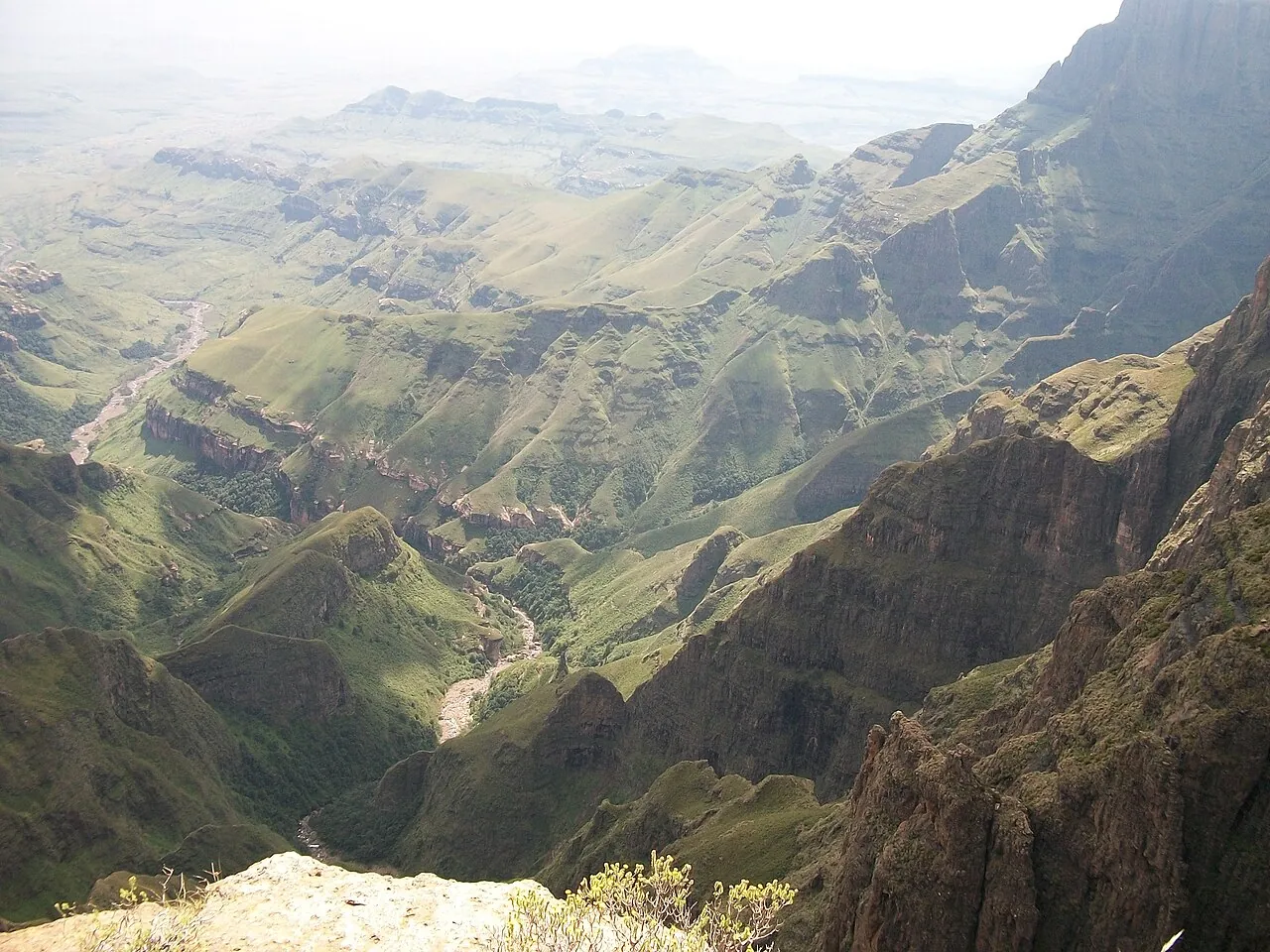
Inland from Durban, the Drakensberg mountains are best for hiking in autumn and spring, from about March to May and September to November. Summer brings thunderstorms on the high peaks, and winter can bring frost and occasional snow.
The Garden Route and the Eastern Cape
Between Mossel Bay and the Eastern Cape, the Garden Route sits in a transition zone between the two rain systems, and it shows. Rain falls in every month rather than in one wet season, which keeps the forests around Knysna and Tsitsikamma green all year. There is no bad month here, only different kinds of good: summer for beaches, lagoons and long evenings, winter for quiet roads, forest walks and lower prices. A wet day in Tsitsikamma is simply a forest doing what forests do.
Further east, Addo Elephant National Park near Gqeberha is a useful alternative to Kruger, especially for families. It is malaria-free, has a mild climate and works in any season, with the dry winter months still slightly better for sightings around the waterholes. Combining the Garden Route with Addo makes a full trip in its own right, and avoids the long flight to the north-east altogether.
Whales: June to November
Southern right whales come to the sheltered bays of the southern Cape coast to mate and calve. They can be seen from the cliffs from as early as June and usually leave in early December, with numbers building through August, September and October. Hermanus, about 90 minutes from Cape Town, is the best-known spot, with a clifftop path right above the water. Since 1992 the town has had the world's only official whale crier, who walks the cliffs blowing a kelp horn to announce sightings.
Hermanus marks the season with a small calf festival in August and its main Whale Festival at the end of September. Walker Bay, De Kelders and the De Hoop coastline are quieter alternatives. Humpback whales also pass along the coast on their migration, and Plettenberg Bay on the Garden Route has whale and dolphin boat trips through much of the year.
Wildflowers: August to October
For a few weeks each spring, the semi-desert of Namaqualand on the west coast turns into one of the world's great flower displays. Of an estimated 3,500 plant species in the region, more than a thousand grow nowhere else, and Namaqua National Park has the highest concentration of succulent plants of any arid region on earth.
The season usually runs from August into September, sometimes October, but its timing and strength vary with the winter's rain. Flowers open in sunshine and close on cloudy days and late in the afternoon, so plan your drives for late morning to mid-afternoon. A closer option is the West Coast National Park, about 90 minutes north of Cape Town, which has its own spring flower display.
Month by month
- January: Hot and dry in the Cape, busy with school holidays until mid-month. Hot and wet in Kruger. Humid in Durban.
- February: Peak Cape weather with fewer crowds. Harvest begins in the Winelands. Green season in Kruger.
- March: Warm, settled and quieter in the Cape. Rains easing in Kruger. A strong all-round month.
- April: Autumn colours in the Winelands, pleasant safari conditions. Easter holidays can be busy.
- May: Dry season begins in Kruger. Cooler, quieter and good value in the Cape. Sardine run may start on the east coast.
- June: Winter rain in Cape Town. Excellent game viewing. First whales on the southern coast.
- July: Cold safari mornings, prime game viewing. Mid-year school holidays. Warm days in Durban.
- August: Whale numbers rising. Wildflowers start in Namaqualand. Dry and clear in Kruger.
- September: One of the best months overall: flowers, whales, dry bush and spring in the Cape.
- October: Hot and dry in Kruger before the rains. Whale season still strong. Wind returns to Cape Town.
- November: Summer arrives in the Cape before the holiday rush. First rains and newborn antelope in Kruger.
- December: Festive and busy everywhere. Book Cape Town and the Garden Route well ahead.
Putting the trip together
If you can travel in September or October, you get the best of both calendars: a dry Kruger, whales, spring in the Cape and the chance of wildflowers. April and May are the next best compromise. In high summer, put Cape Town first and accept a greener, harder safari; in mid-winter, put the safari first and treat Cape Town as a food, wine and whale city.
Distances are long, so most visitors fly between Cape Town and Johannesburg or the Kruger airports rather than driving. Our guide to getting around South Africa covers the options, and the South Africa itineraries show how to split 7, 10 or 14 days. To understand how the seasons change prices, read South Africa travel costs, and for practical safety on the road and in cities, see our South Africa safety guide.
Weather warnings, fire risk on the Cape mountains and any travel disruption change quickly, so we keep them out of this evergreen guide. Check TripMag Travel News and official sources before you go. The rest of our coverage is on the South Africa hub.