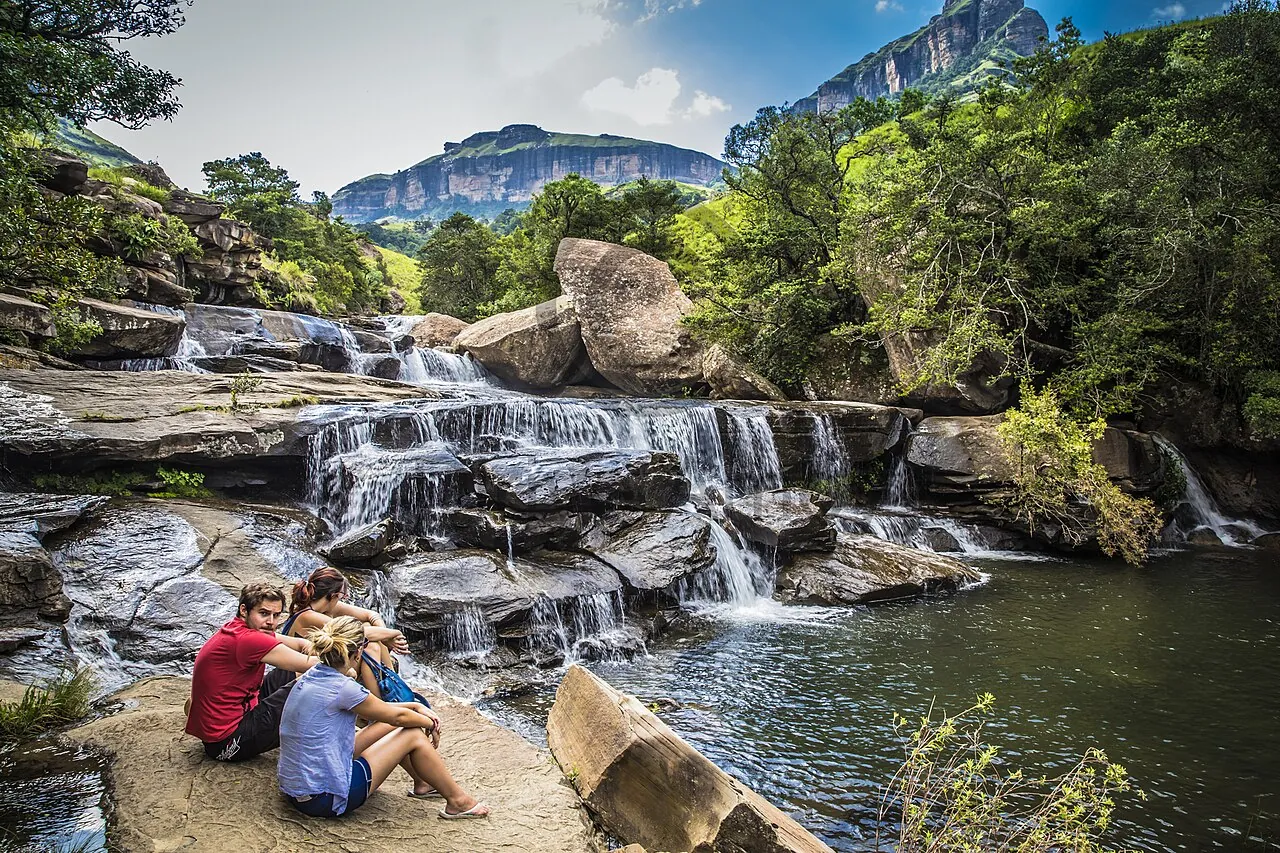

“How much does South Africa cost?” has two very different answers. One traveller hires a small car, sleeps in national park huts, braais their own dinner and spends a fortnight on what a London weekend would cost. Another books three nights at a private reserve with a butler, a plunge pool and a sundowner gin, and spends the same amount before breakfast on day two. Both have a brilliant time.
This guide skips the fake national average and looks at the decisions that actually move the bill. We avoid quoting exchange rates and most prices, because both change quickly. Where a fee is set officially, we name it and the period it applies to, so you can check the current figure.
The five decisions that shape your budget
- Safari style. Self-drive in a national park, a guided tour, or a private reserve with lodge and game drives included. This is by far the biggest swing.
- Flights inside the country. Cape Town, Johannesburg, Durban and the Kruger airports are a long way apart. Domestic flights are usually the efficient choice and add a meaningful line to the budget.
- Season. South African school holidays from mid-December to mid-January push up beach and Cape prices. Winter is cheaper in the Cape, while safari lodges often charge most in the dry winter season.
- Number of bases. Every move means fuel, transfers, check-in times and often a wasted half day.
- The one splurge. Most trips have one: a private lodge, a fine-dining tasting menu, a helicopter flight over the Cape. Choosing it deliberately keeps everything else relaxed.
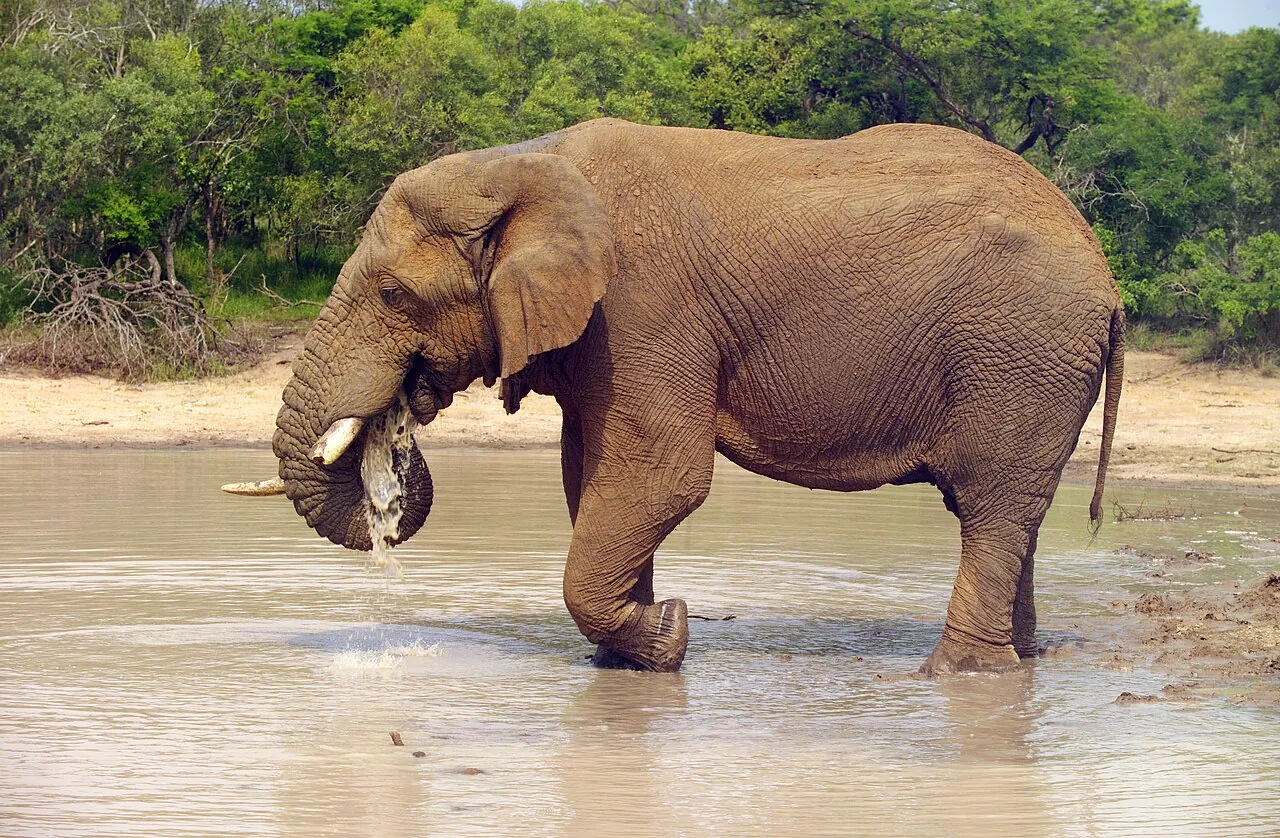
Safari: from rest camp to private lodge
Kruger shows the full range better than anywhere.
Self-drive in the national park is the classic budget option and one of the great travel bargains in Africa. You drive your own hire car on the park's tar and gravel roads, stop wherever you like, and sleep in SANParks rest camps, which offer campsites, simple huts, bungalows and family cottages, usually with a shop and a restaurant. Many have communal kitchens or braai areas. The trade-off is that you are your own guide and must be back inside the camp gates before they close at dusk.
SANParks also runs guided activities from the camps, including sunrise drives, night drives and bush walks with armed rangers. These are good value, and the night drive is the only legal way to explore the park after dark in Kruger itself. They add real depth to a self-drive trip.
Private reserves such as Sabi Sand and Timbavati share unfenced borders with Kruger, so the wildlife moves freely between them. Lodges there usually include all meals, two game drives a day in open vehicles with a ranger and tracker, and often drinks. Off-road driving to follow animals is allowed, which makes leopard sightings far more likely. The price reflects that: per person per night, it can match or exceed a week of self-driving. Check whether the rate includes the reserve's conservation levy, drinks and transfers.
A popular middle path is to self-drive in Kruger for several nights and finish with two nights at a private lodge. You get independence, value and one stretch of expert guiding.
Conservation fees
National parks charge a daily conservation fee per person on top of accommodation, with three tiers: South African citizens and residents, nationals of SADC countries, and everyone else. International visitors pay the highest rate. For the tariff year running from 1 November 2026 to 31 October 2027, the published Kruger rate for international adults is around R690 per day, with children at half price. Cape Point, inside Table Mountain National Park, and the penguin colony at Boulders Beach have their own lower fees. If you plan many park days, compare the total with the cost of an annual Wild Card, which covers entry to the national parks for a year.
Getting around
A hire car is the default for most independent visitors and is good value, especially on longer rentals. You drive on the left, roads between major towns are generally good, and fuel is cheaper than in most of Europe. Petrol stations are attendant-served: someone fills the tank, often cleans the windscreen and checks the tyres, and a small cash tip is expected.
Budget for tolls on the main highways and for a car with decent ground clearance if your route includes gravel roads. For longer one-way trips, check the drop-off fee before you commit, as returning a car in a different city can be expensive.
Between regions, flying is almost always the better deal. The drive from Cape Town to Kruger is roughly 2,000 kilometres, two long days at least, plus fuel and overnight stops. Several airlines link Cape Town, Johannesburg, Durban and the airports near Kruger. In cities, ride-hailing apps are cheap, convenient and widely used. Our guide to getting around South Africa covers the options in detail.
Where you sleep
Outside the safari lodges, accommodation offers good value across the range. Cape Town has everything from backpacker hostels to grand hotels, and the guesthouse is a South African speciality: often a converted family home with a handful of rooms, a pool and a host who will tell you which beach has the least wind today. Self-catering apartments are common and handy for families.
Location matters more than star ratings. In Cape Town, a base in the City Bowl, Green Point or the Atlantic Seaboard saves time and ride-hailing costs compared with a cheaper room far from where you want to be. On the Garden Route, one or two well-placed bases are better than a new town every night. Our guide to where to stay in South Africa compares the main areas.
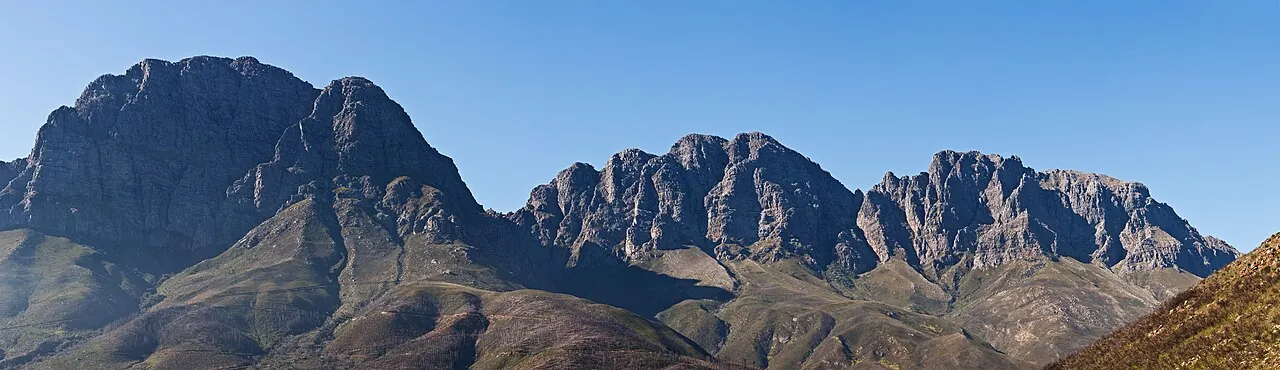
Food and wine: the best-value part of the trip
Eating out in South Africa is one of the pleasures of a visit, and it is where European visitors notice the exchange rate most. A good restaurant meal with wine often costs what a casual lunch would at home. The Cape Winelands around Stellenbosch, Franschhoek and Paarl have some of the best-value fine dining in the world, and wine tastings at many estates cost little, sometimes waived if you buy a bottle.
Supermarkets are well stocked, so self-catering is easy. Pick up boerewors and lamb chops for a braai, rusks for early game drives, biltong for the road and a bottle of Chenin Blanc that would cost three times as much in Europe. Markets such as the Neighbourgoods Market in Johannesburg and food markets around Cape Town are good for cheap, varied lunches.
Tipping: part of the budget, not an extra
Tipping is expected in South Africa and forms an important part of income for many people in tourism and hospitality. Typical customs:
- Restaurants: 10% is the minimum and 15% is usual for good service. Check the bill, as some places add a service charge for larger groups.
- Petrol attendants: roughly R5 to R20 in cash, more if they check your tyres or oil.
- Car guards: informal attendants watch parked cars in many towns; R5 to R10 when you leave is normal, if all is well.
- Safari rangers and trackers: tipped separately, usually at the end of your stay. At luxury lodges, guides commonly receive R1,000 or more for a multi-night stay, plus a shared tip for the rest of the staff.
- Hotel porters: a small amount in cash on the spot.
Keep a stash of small notes and coins. Cards are accepted almost everywhere, including contactless payments, but tips for attendants and guards are cash.
Paying, ATMs and reclaiming VAT
The currency is the South African rand (ZAR). Cards work in most shops, restaurants and hotels, and ATMs are widespread. Use machines inside banks or shopping centres rather than isolated ones on the street, and never accept help from a stranger at an ATM. Our South Africa safety guide explains why.
Prices include VAT at 15%. Visitors can reclaim VAT on goods, not services, that they take out of the country. The VAT-inclusive total must exceed R250, the goods must be exported within 90 days of the invoice, and you claim through the VAT Refund Administrator before departure. The VRA has desks at Cape Town, King Shaka (Durban) and O.R. Tambo (Johannesburg) international airports. Keep the tax invoices, have the goods with you, and allow extra time before check-in.
Small costs that catch people out
A few line items rarely appear in the first budget and add up over two weeks.
- Car hire excess. Standard rental insurance often leaves a high excess, and damage to tyres, windscreens and the underside of the car on gravel roads may be excluded. Read the terms and consider a reduced-excess option if your route includes dirt roads.
- Park and reserve entry on day trips. Cape Point, Boulders Beach and many provincial reserves charge entry per person. They are modest individually and noticeable together.
- Mobile data. Roaming can be expensive. A local SIM or eSIM from one of the main networks is cheap and makes ride-hailing, navigation and park apps easy. You need your passport to register a SIM.
- Parking. Many city car parks and attractions charge, and informal car guards expect a small tip on top.
- Activity add-ons. Shark-cage diving, whale-watching boats, helicopter flights and guided township tours are worth doing but priced for visitors. Book directly with established operators and compare what is included.
- Luggage limits on light aircraft. Flights to some private safari lodges use small planes with strict soft-bag weight limits, and excess luggage may need to be stored or sent separately.
None of these is large on its own. Together they are the difference between a budget that holds and one that leaks.
How the season changes prices
- December and January: Peak prices on the coast and in Cape Town during school holidays. Book early.
- February and March: Great Cape weather with prices easing after the holidays.
- April to September: Winter discounts at many Cape hotels and guesthouses. Safari lodges are often at their busiest in the dry season.
- November to March: Green season in the safari regions, when some private lodges reduce rates.
For what each season is like on the ground, see our best time to visit South Africa guide.
Three ways to shape the trip
Lean: a small hire car, SANParks rest camps and campsites, self-catering with the occasional restaurant, free hikes and beaches, and guided activities booked through the park. Fly between regions only once.
Comfortable: guesthouses and mid-range hotels in Cape Town and on the Garden Route, a mix of self-drive and guided days in Kruger, restaurants most evenings, and a wine tour with a driver so no one has to stay sober.
Splurge: two or three nights at a private reserve bordering Kruger, a boutique hotel in Cape Town or Franschhoek, a tasting menu in the Winelands and domestic flights throughout. Even here, the Cape's restaurants will make the bill look reasonable by European standards.
Whichever you choose, the South Africa itineraries show how many nights each region needs, and the South Africa hub collects all our guides to the country.