
Spain does not suffer from a shortage of places worth visiting. It suffers from travellers trying to visit all of them at once.
Madrid, Barcelona, Seville, Granada, Valencia, Bilbao, San Sebastián, Santiago, Mallorca and Tenerife can all justify a trip. They cannot all justify being squeezed into the same week. A “best places” article that simply awards medals to famous cities is therefore not very useful. The better question is: which places belong in your version of Spain?
This guide compares destinations by what they actually do well, what their practical catch is, and which other places they combine with naturally.
The direct answer: Spain by traveller type
If you want the shortest useful version:
- First cultural trip: Madrid + Seville, or Madrid + Barcelona.
- Architecture and city energy: Barcelona.
- History with a strong regional identity: Seville + Granada + Córdoba.
- Food-led city trip: San Sebastián + Bilbao, or Valencia.
- Beach plus city: Valencia, Málaga/Costa del Sol, Palma/Mallorca.
- Island road trip: Mallorca or Tenerife.
- Volcanic landscape and winter sun: Canary Islands.
- Green coast and food: Basque Country, Asturias or Galicia.
- Pilgrimage/history: Santiago de Compostela and a Camino route.
- A slower first trip: pick two of the above and ignore the fear of missing out. Spain will not close after your departure.
Madrid: best for a first rail-led Spain trip
Madrid is a strong first base because it works twice: as a major destination and as a transport hub.
The capital’s museum district, historic centre, parks, markets and neighbourhoods can fill several days without manufacturing activities. It also sits at the centre of a high-speed rail system that makes several mainland combinations practical.
Choose Madrid if
- this is your first Spain trip and you want an easy mainland starting point;
- art and museums matter;
- you want to combine the capital with Seville, Valencia, Barcelona or another rail-connected city;
- you prefer city life over resort logistics.
Think twice if
- the entire purpose of the trip is beach time;
- you are travelling in high summer but dislike sustained urban heat;
- you are using Madrid only as an airport night when the city itself deserves time.
Best combinations
Seville, Valencia, Barcelona and selected historic cities in central Spain, depending on the route.
Barcelona: best for architecture, urban life and Mediterranean context
Barcelona has enough identity to be a destination rather than an item on a national checklist.
Its urban form, Modernisme architecture, neighbourhood life and Mediterranean setting create a different trip from Madrid. The city also works as a base for a Catalonia-focused journey rather than merely one half of the standard Madrid–Barcelona pairing.
Choose Barcelona if
- architecture and design are central interests;
- you want a large city with coast access;
- Catalonia itself is part of the story you want to understand;
- you can give the city enough time instead of treating it as a two-night photo collection.
Think twice if
- you dislike heavily visited urban attractions;
- your itinerary already contains several major cities and Barcelona would become another rushed stop;
- your main goal is quiet beaches rather than a city with beaches.
Best combinations
Madrid for a rail-led national trip; Catalonia for a more regional journey; Valencia for a Mediterranean east-coast route.
Seville: best for a first deep dive into Andalusia
Seville is the most natural first anchor for many Andalusian itineraries, but it should not be treated as the region in miniature.
Its historic centre, monumental architecture, neighbourhoods and food culture justify several days. More importantly, the city provides context for a wider Andalusian journey that may include Córdoba, Granada or the coast.
Choose Seville if
- Andalusia is the main reason for travelling;
- you value history, architecture and long evenings over beach access;
- you want a base that can form part of a rail-led southern route.
Think twice if
- you are planning the hottest period but struggle with high daytime temperatures;
- you intend to “see Seville” between an arrival train and a departure train the next morning.
Best combinations
Córdoba and Granada; Málaga or Cádiz depending on the type of Andalusian route.
Granada: best when one landmark is only the beginning
Granada is inseparable from the Alhambra in travel planning, but reducing the city to one ticket is a mistake.
The Alhambra and Generalife reflect the history of Nasrid Granada and deserve proper historical context. The wider city adds neighbourhoods, views, university life and the geographic presence of the Sierra Nevada.
Choose Granada if
- the Alhambra is a genuine priority;
- you want a smaller city after Madrid or Seville;
- history and landscape matter more than large-city nightlife.
Think twice if
- you have not checked official Alhambra access well in advance of the trip;
- you are adding Granada only for a few hours around one timed entry.
Best combinations
Seville, Córdoba and Málaga depending on transport and trip length.
Córdoba: best for historical depth without another large-city commitment
Córdoba is smaller than Madrid, Barcelona or Seville but historically significant far beyond its size.
The historic centre and Mosque-Cathedral are central to understanding the city, but Córdoba works best when the traveller understands its place within the history of al-Andalus and later Christian rule rather than viewing it as another photogenic stop.
Choose Córdoba if
- you want to add historical depth to an Andalusian route;
- you prefer a compact city to another multi-day metropolis;
- you can stay overnight or allocate enough time to see beyond the headline monument.
Think twice if
- your route already has too many one-night stops;
- you are counting every train-accessible city as compulsory.
Best combinations
Seville and Granada.
Valencia: best for travellers who want city, food and coast in one base

Valencia is a particularly useful Spain destination because it does several jobs without feeling like a compromise.
It has a historic centre, major modern architecture, Mediterranean beaches and a food identity strongly connected to rice culture. That makes it a convincing stand-alone trip and a useful contrast with Madrid or Barcelona.
Choose Valencia if
- you want city culture without giving up easy beach access;
- regional food matters;
- you prefer a less obvious first itinerary than Madrid–Barcelona without sacrificing infrastructure.
Think twice if
- you are treating it purely as a beach resort;
- you have only one day between Madrid and Barcelona and expect to understand the city.
Best combinations
Madrid, Barcelona or a focused Mediterranean east-coast route.
Málaga and the Costa del Sol: best when the coast is part of the reason for the trip
Málaga is both a city and a major gateway to the Costa del Sol. Those two functions should not be confused.
A traveller staying in Málaga city for museums, food and urban life is planning a different holiday from someone choosing a resort farther along the coast. Both can work; the mistake is booking one while expecting the other.
Choose Málaga/Costa del Sol if
- reliable tourism infrastructure and coast access matter;
- you want to combine Andalusian culture with beach time;
- flights make southern Spain the natural entry point.
Think twice if
- your idea of Spain is mainly quiet historic towns;
- you book a coastal property before checking how far it is from the places you actually want to visit.
Best combinations
Granada, selected Andalusian towns and the coast.
Bilbao: best for urban reinvention and a Basque route

Bilbao is often introduced through one museum, which undersells the city.
The Guggenheim matters, but so do the estuary, food culture, industrial history and the wider Basque Country. Bilbao works particularly well as part of a northern route rather than as an isolated flight-in museum stop.
Choose Bilbao if
- food, design and modern urban history interest you;
- you want a city base for the Basque Country;
- Atlantic Spain appeals more than Mediterranean resort travel.
Think twice if
- you want guaranteed beach weather;
- you expect the atmosphere and food culture of the Basque Country to be interchangeable with southern Spain.
Best combinations
San Sebastián and other Basque/Atlantic destinations.
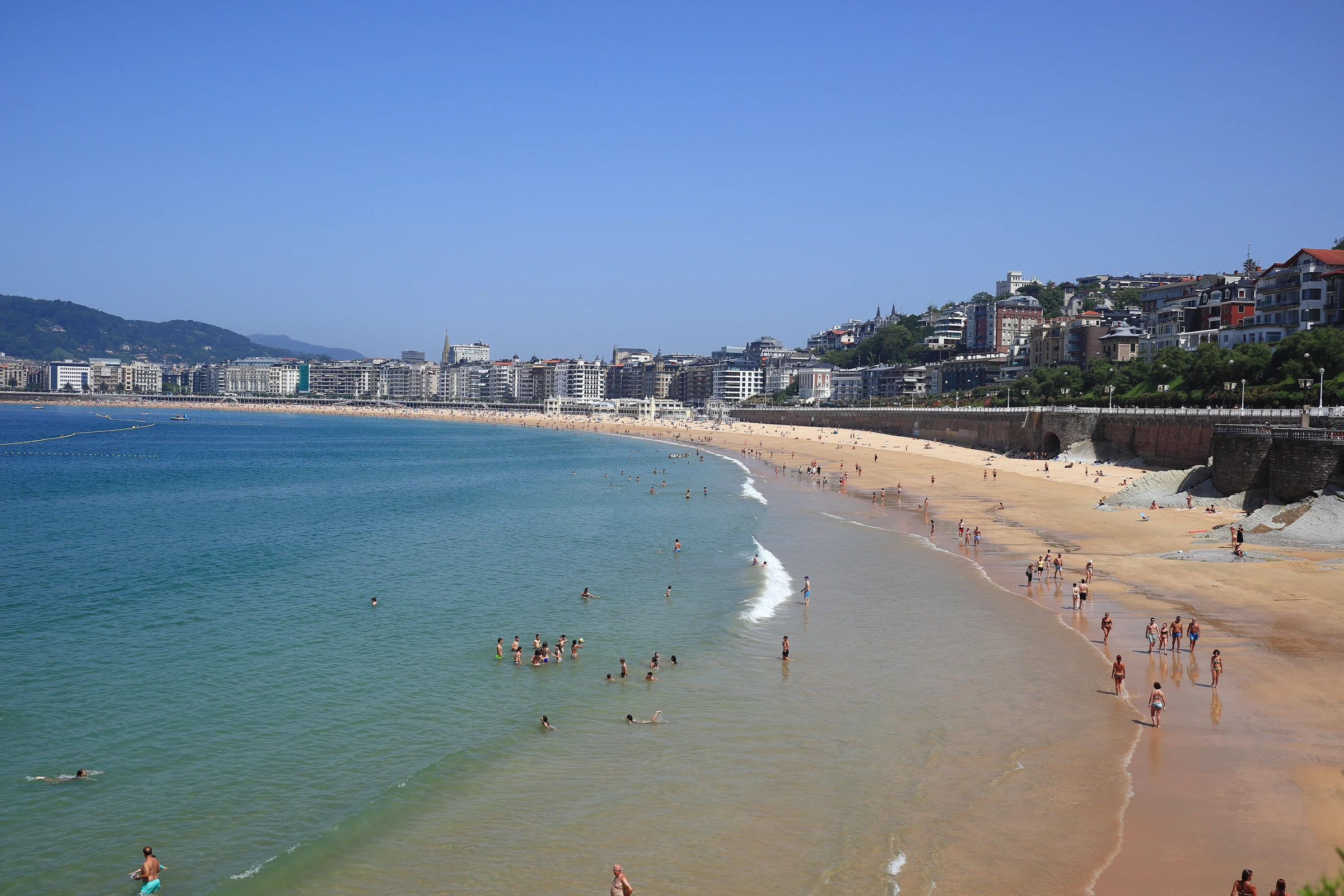
San Sebastián: best for travellers willing to let food lead the itinerary
San Sebastián has a global culinary reputation, but the practical point is simpler: food can legitimately be the reason to travel here.
The city also has beaches, a compact urban setting and a strong Basque identity. It rewards travellers who are happy to spend time eating, walking and staying in one place rather than rushing onward after one famous meal.
Choose San Sebastián if
- food is a primary travel interest;
- you want a smaller coastal city;
- you are building a Basque route rather than ticking off a national city list.
Think twice if
- you expect budget accommodation and dining to behave like less demanded parts of Spain;
- you are adding it as a long detour to a southern itinerary.
Best combinations
Bilbao and the Basque Country; selected northern routes.
Santiago de Compostela and Galicia: best for pilgrimage context, Atlantic landscapes and seafood culture
Santiago de Compostela is the destination of the historic Camino de Santiago pilgrimage network, but Galicia deserves more than a finish-line photograph.
The region combines Atlantic coastline, green landscapes, distinct food traditions and cities/towns that make sense as a slower north-western journey.
Choose Galicia if
- the Camino or its history matters;
- seafood and Atlantic landscapes are strong interests;
- you want a side of Spain that feels markedly different from the Mediterranean coast.
Think twice if
- you are expecting southern-style weather assumptions to apply;
- you have built a mostly eastern/southern route and Galicia would require a major detour for one night.
Best combinations
A dedicated Galicia route, a Camino journey or a broader northern Spain trip.
Mallorca: best all-round island for variety

Mallorca is large enough to punish travellers who book the first pretty hotel and investigate geography afterwards.
Palma, the Serra de Tramuntana, villages, coves, resort areas and different coasts create several possible Mallorcas. The island is therefore strongest when the base is chosen around the desired trip rather than around a national “best resort” ranking.
Choose Mallorca if
- you want an island with city, mountains and beaches;
- a road-trip element appeals;
- you need more variety than a pure resort stay.
Think twice if
- you expect to cross the island repeatedly without considering driving time and parking;
- the only requirement is nightlife, in which case other islands or specific resort zones may fit better.
Best combinations
Usually a dedicated island leg. Palma can work as a short city-plus-island break.
Menorca: best for a slower Balearic trip
Menorca is often described only in contrast with Mallorca or Ibiza. That is not enough.
Its scale, beaches, walking opportunities and development pattern create a slower island trip. It suits travellers who do not need a large city or major nightlife to justify the journey.
Choose Menorca if
- lower-key island travel appeals;
- beaches and landscape matter more than clubs;
- you are comfortable building days around an island rather than a city attraction list.
Think twice if
- you want dense nightlife or constant urban variety;
- you expect every beach to be reachable without local transport planning.
Best combinations
Usually a dedicated island stay rather than a rushed Balearic island-hopping checklist.
Ibiza: best when you separate the island from the brand
Ibiza’s nightlife reputation is real. It is also incomplete.
The island includes resort zones, quieter coves, villages and landscapes that have little to do with club culture. The practical planning mistake is assuming “Ibiza” describes one atmosphere everywhere.
Choose Ibiza if
- nightlife is genuinely part of the trip;
- or you are willing to choose a quieter base deliberately and treat the club scene as optional.
Think twice if
- you dislike seasonal demand and premium pricing in the most famous areas;
- you have not checked whether your chosen base matches the version of Ibiza you actually want.
Best combinations
A dedicated island stay; Formentera may be a separate excursion or leg depending on itinerary.
Tenerife: best for volcanic scale and an island with several climates
Tenerife is not simply a winter-sun resort island.
Teide dominates the island geographically and helps create sharp environmental contrasts. Resort zones, northern towns, volcanic landscapes and mountain access can feel like different trips.
Choose Tenerife if
- volcanic landscapes matter;
- you want beach/resort infrastructure plus major inland nature;
- year-round island travel is appealing.
Think twice if
- you choose accommodation only by room price without checking which side of the island it is on;
- you expect the whole island to share the same weather at the same time.
Best combinations
Usually a dedicated Canary Islands leg. Multi-island combinations should be planned around actual ferry/flight logistics.
Gran Canaria: best for travellers who want city and island landscapes together
Gran Canaria combines Las Palmas with major resort areas and a mountainous interior.
That mix makes it useful for travellers who want more urban life than a pure resort island but still want beaches and inland scenery.
Choose Gran Canaria if
- a city/island mix appeals;
- you want several distinct environments without changing islands;
- you are comfortable choosing a base around the part of the island you will actually use most.
Think twice if
- you assume all Canary Islands offer the same scenery;
- you plan daily cross-island movement without understanding road geography.
Best combinations
A dedicated island stay or a carefully planned Canary multi-island route.
So which places should a first-time visitor choose?
For a first Spain trip, use contrast rather than collection.
One week
- Madrid + Seville for city history with a strong regional contrast.
- Madrid + Barcelona for two major urban experiences connected by rail.
- Seville + Granada for a focused Andalusian journey.
- Valencia only, with nearby excursions for city, food and coast without constant packing.
- One island if the island itself is the purpose of the holiday.
Ten to fourteen days
- Madrid + Seville + Granada for a coherent central/southern route.
- Barcelona + Valencia + Madrid for an urban/east-coast rail journey.
- Bilbao + San Sebastián + another northern base for Basque/Atlantic Spain.
- Madrid or Barcelona + one island leg if the flight transition earns its place.
These are route frameworks, not commandments. The dedicated Spain itinerary guide will test them against realistic transfer logic.
Common mistakes
Ranking Barcelona against Mallorca as if they solve the same problem
They do not. One is a major city with a beach; the other is an island with several travel systems of its own.
Flying to an island for two nights simply because the fare looked cheap
Cheap airfare can be very expensive once it consumes two half-days of a short trip.
Treating Andalusia as Seville plus two day trips
Granada, Córdoba and the wider region deserve context and, often, nights.
Calling the north “bad weather Spain”
Atlantic climate is part of why the landscapes are green. Bring the correct expectations rather than judging Galicia by a Mallorca brochure.
Booking the hotel before understanding the base
This mistake is particularly efficient on islands: save £25 on the room, spend £60 moving around every day. Impressive work.
TripMag verdict
The best places in Spain are not the destinations with the highest imaginary score out of ten. They are the places that make sense for the trip you are actually taking.
Madrid is excellent when rail and culture lead. Barcelona when architecture and city life lead. Andalusia when history and regional depth lead. Valencia when food, city and coast need to coexist. The Basque Country and Galicia when the Atlantic north is the point. Mallorca when island variety matters. The Canaries when volcanic landscape and island climate justify the flight.
Choose those roles first and the route usually becomes obvious.
Choose the route by fame alone and your suitcase may once again become the most travelled member of the group.
Beyond the obvious: Spain's remarkable historic towns
Toledo often appears as a day trip from Madrid, but the city's reward is more than a fast visit to one viewpoint. Its hilltop street pattern, religious heritage and relationship with the Tagus reveal several intertwined periods of Iberian history. The cathedral, former synagogues and other cultural spaces need contextual attention; they should not be presented as interchangeable monuments in a generic “three cultures” marketing slogan. If you want to understand the historic centre, allow time for the small streets and individual sites rather than treating the entire town as one photograph from the opposite bank. An overnight can give a quieter evening, but a carefully paced Madrid-based day remains practical for many visitors.
Segovia offers a different central-Spain experience, shaped by its Roman aqueduct, elevated historic core and later architectural layers. A short rail journey may reach the wider urban area rather than the aqueduct itself; inspect onward transport. For a traveller primarily interested in art museums, neither Toledo nor Segovia is automatically a better use of a day than another Madrid neighbourhood. For someone fascinated by urban history and architecture, however, either can become the centre of the journey rather than an optional excursion.
In Andalusia, Cádiz brings an Atlantic maritime atmosphere distinct from Seville's inland monumental streets. Ronda, set above its gorge, has a dramatic setting but also working-town life and heritage that merit more than one bridge photograph. The smaller white towns vary in accessibility and seasonal bustle; choose one that fits a natural route rather than devoting an entire day to zigzagging between similar-looking places. A regional road journey might include time for a slow meal, local market and a landscape walk. Without a car, favour towns connected by dependable rail or coach services, and verify the last return.
In the north, Oviedo and coastal Asturias offer an urban and rural context different from the hot inland stereotypes of Spain. The Basque interior and Cantabrian towns provide architectural and food traditions worth encountering beyond Bilbao and San Sebastián. Galicia's smaller coastal settlements can be delightful, yet weather and regional buses shape the experience. For these destinations, the practical question is not “are they hidden gems?” but whether they belong to a coherent multi-night journey in which daily transport remains reasonable.
Nature-led Spain: choose a landscape before a photograph
For mountain travellers, the Pyrenees cover different valleys, protected areas and walking systems. The Ordesa landscape in Aragón is not the same holiday as a Basque coast stay or a Catalan city break; trails can be demanding, access may be managed and mountain weather can change quickly. Choose a valley for your actual ability, season and transport options. Do not recommend a walk because a photograph looks peaceful. Elevation gain, exposure, remaining snow, route restrictions and the ability to return before dark are more important than a social-media rating.
The Picos de Europa in the north offer another mountain environment, with steep terrain and regional gateway towns that require thoughtful travel logistics. A visitor with one afternoon should choose a suitable established viewpoint or lower-level walk rather than pretending an ambitious mountain circuit is a casual excursion. Those who want multiple hiking days should stay close to the relevant trailheads, consult official park information and make an alternative plan for poor visibility. The Atlantic side of Spain is often wetter and greener for geographic reasons; prepare accordingly.
Doñana and other protected wetlands show a different form of natural heritage, with conservation access and seasonal ecology that should be approached through official visitor guidance. In the southeast, drier landscapes offer another counterpoint to the green north. National parks and reserves are not free-for-all photography locations. Some areas restrict access for wildlife protection, safety or environmental restoration, and following signed routes is part of travelling responsibly. For birdwatching or specialist nature interests, a focused local guide may provide more insight than an overly ambitious general itinerary.
On Tenerife, Teide and the volcanic landscapes create a high-altitude setting that differs sharply from beach resorts lower down. Conditions can be cold or windy at elevation even when the coast is warm; permits or regulated access may apply to specific routes. Gran Canaria also contains substantial mountain and interior landscapes alongside well-known southern resorts. Lanzarote has an especially distinctive volcanic geography, and La Palma offers a different landscape-led island experience. Choose an island based on what you enjoy doing each day; a flight to the Canaries is not a simple substitute for visiting Andalusia's historic towns.
Regional food as a reason to choose your destination
San Sebastián's gastronomic reputation is not only about expensive tasting menus. Pintxos culture can encourage sociable, small-plate exploration, although specific customs and opening patterns vary between bars. Travellers who want to understand the food should make time for local markets, produce and neighbourhood streets rather than booking three highly rated restaurants and leaving immediately. Bilbao offers a different urban food setting and pairs naturally with Basque architecture and museums. For a food-centred holiday, several consecutive northern nights can be more satisfying than an additional flight to the south.
Galician seafood reflects the Atlantic environment, while inland dishes and regional agricultural products belong to a different meal tradition. Valencia's rice culture deserves its own context beyond the tourist shorthand “paella everywhere”. Andalucia offers a range of local cooking and tapas practices rather than one identical menu across Seville, Granada and Málaga. Markets can reveal seasonal produce and ordinary routines; they should be approached respectfully, with local trading taking priority over tourist photography. Don't claim an “authentic” restaurant simply because it lacks English on the menu: quality is best assessed through the actual food, hospitality and relevance to the region.
For visitors with dietary restrictions, research the dishes and ingredients of the chosen area before travel. Some traditional meals depend heavily on meat, seafood, eggs or dairy, while larger cities have broader dining choices. A cooking class or guided market visit can be a good way to learn when it is genuinely led by someone with regional knowledge, but never present a commercial experience as personally tested without evidence. A memorable food journey can also be unstructured: a neighbourhood bakery, a long lunch and an evening meal somewhere you decide to return to.
What makes a place worthwhile for different travellers?
For a first-time traveller with seven nights, Madrid and one nearby historic town may provide a more coherent introduction than trying to reach Barcelona, Seville and the coast. For an architecture enthusiast, Barcelona deserves several unhurried days; add a Catalan coastal or interior excursion only if it genuinely complements the city. For a history-led Andalusian holiday, the balance between Seville, Granada, Córdoba and smaller towns should depend on the sites you want to understand and the availability of timed-entry tickets. For a beach-focused family, the decisive criteria are safe swimming conditions, accommodation access and how enjoyable the chosen town is in the evening.
Solo travellers may value easy rail links, walkable neighbourhoods and accommodation with flexible arrival times. Travellers with reduced mobility should inspect hills and uneven historic streets as carefully as train platforms and hotel lifts. Parents with small children may prefer fewer bases and a mix of museums, open spaces and predictable meals. Experienced hikers should organise an entirely different Spain around a particular landscape and appropriate season. A useful list of best places gives the reader permission to eliminate destinations that look famous but do not suit them.
Ultimately, choose one region you want to understand and one contrasting experience that fits without sacrificing its best hours to transfers. Spain's strength is variety: a mountain valley, a major art museum, an Atlantic fishing town and a Mediterranean island are all possible holidays, but not necessarily the same holiday. Travel well by letting the place shape the time you spend there.
Keep planning Spain