
If someone tells you the best month to visit Spain without asking where in Spain, what you want to do and how much heat you enjoy, they have skipped the useful part of the conversation.
Madrid, Galicia, Seville, Mallorca and Tenerife do not share one climate calendar. Spain’s own meteorological agency publishes separate climate mapping for the peninsula/Balearics and for the Canary archipelago for a reason: geography matters.
So the answer is not “go in May”. The answer is “go when the conditions fit the trip you are actually taking”.
The direct answer
For a broad first trip:
- Spring: strong for walking-heavy cities, many cultural itineraries and parts of Andalusia before peak summer heat.
- Summer: natural for many beach/island trips, but inland and southern cities can be physically demanding in high temperatures.
- Early autumn: often useful for mixed city/coast travel, with regional variation and changing service patterns later in the season.
- Winter: good for city travel, mountain/ski trips and especially Canary Island escapes; mainland beach assumptions need more caution.
That is a framework, not a national weather guarantee.
Why Spain needs more than one climate answer
AEMET climate atlases distinguish substantial geographic variation across the Iberian Peninsula, Balearic Islands and Canary Islands. Spain.info likewise notes seasonal and area differences even while describing Spain overall as sunny and generally mild.
For travellers, the important divisions are practical:
- central/inland cities can have large seasonal temperature swings;
- Andalusia can become very hot in summer, especially for urban sightseeing;
- Mediterranean coast and Balearics have a different season profile from the Atlantic north;
- Galicia, Asturias, Cantabria and Basque Country receive more Atlantic influence;
- mountains follow elevation and access conditions rather than a city-break calendar;
- Canary Islands sit in the Atlantic off north-west Africa and have their own climate system.
One packing list for all of those would be an ambitious piece of fiction.
Spring: one of the easiest seasons for city-led Spain
Spring is often a strong choice for Madrid, Barcelona, Valencia, Seville, Granada and other walking-heavy cities because daylight increases without the strongest summer heat being the default condition.
The catch is that “spring” is not one stable weather block. March can still feel very different from late May, mountain conditions remain separate, and major holidays or events can change demand sharply.
Spring suits
- art-city trips;
- rail itineraries with substantial walking;
- Andalusian culture trips before the hottest period;
- food and road trips where outdoor time matters;
- travellers who prefer layering to peak heat.
Watch for
- holiday-period demand;
- rain variability by region;
- mountain access that may still be transitional;
- coastal water/season expectations that differ from midsummer.
If the trip is mostly museums, neighbourhoods and long lunches, spring is easy to like. If the trip is entirely about warm sea and late-night beach life, summer may better match the brief.
Summer: excellent for some Spains, hard work for others
Summer is the obvious season for many Mediterranean beaches, Balearic stays and coastal holidays. Spain.info emphasises the country’s long coastline and summer beach options across the Mediterranean, Atlantic and islands.
But a beach calendar and a city calendar are not the same thing.
Long sightseeing days in Madrid, Seville or Córdoba can become tiring in high temperatures. A route that looked elegant in February can feel considerably less clever at 3pm in July while carrying water, camera gear and mild resentment.
Summer suits
- beach-led trips;
- Balearic holidays;
- selected Atlantic north routes;
- mountain activity when local access is open and conditions are appropriate;
- travellers whose schedule is tied to school holidays and who plan heat-aware days.
Summer needs more strategy for
- Seville/Córdoba/Granada sightseeing;
- inland road trips with long daytime stops;
- popular islands/resorts where demand is high;
- itineraries that move accommodation every one or two nights.
The answer is not “never visit southern Spain in summer”. It is “do not plan July in Seville as if it were April in Bilbao”.
Autumn: good for mixed trips, but do not treat September and November as twins

Early autumn can be excellent for travellers who want cities plus coast without automatically choosing peak summer.
Mediterranean destinations may retain warm conditions well beyond the end of school holidays, while northern and inland regions begin moving into a different weather pattern. Later autumn brings shorter days and greater variability.
Early autumn suits
- mixed city/coast itineraries;
- food-led travel;
- cultural routes with substantial walking;
- travellers who can avoid peak school-holiday demand.
Later autumn suits
- city and museum trips;
- food/culture travel;
- travellers comfortable with more variable weather.
Check locally for
- seasonal ferry/service reductions;
- resort businesses changing operating patterns;
- mountain access;
- rainfall risks and weather-sensitive outdoor plans.
Do not build November around a beach-club assumption copied from an August article.
Winter: cities, mountains and the Canaries become three different holidays
Winter Spain is not simply “off-season Spain”.
Madrid, Barcelona and other cities remain cultural destinations, but daylight, temperature and opening patterns differ from summer. Mountain regions enter a winter-sports logic. The Canary Islands offer a separate mild-climate option that Spain.info promotes for year-round sun and outdoor travel.
Winter city trips
Can be attractive for museums, food and urban travel when beach time is irrelevant. Pack for the actual city; inland Spain is not permanently warm just because the country is associated with sun.
Winter mountains
Require dedicated snow, road, lift and safety planning. Exact operating conditions belong with local official sources, not a national article.
Winter Canary Islands
The archipelago’s mild climate makes it one of Spain’s strongest winter-sun options. But Tenerife, Gran Canaria, Lanzarote, Fuerteventura and the smaller islands still differ by elevation, exposure and activity.
“Canaries in winter” is useful planning shorthand. “Every Canary beach will be hot, calm and identical” is not.
Madrid: spring and autumn are easiest for long walking days
Madrid’s inland position creates stronger seasonal contrasts than many visitors expect from the phrase “sunny Spain”.
Spring and autumn often make long museum-and-neighbourhood days easier. Summer can be very hot; winter can be cold enough to require proper layers.
If Madrid is one stop on a wider rail trip, time the route for the most demanding region rather than optimising the capital in isolation.
Barcelona and the Mediterranean east coast
Barcelona and Valencia can work across much of the year, but the purpose changes.
Spring and autumn are often comfortable for city exploration. Summer supports beach use but brings heat and heavier visitor demand. Winter works for culture and food, but should not be sold as guaranteed beach weather.
A city with a beach is still a city. Do not choose the month solely from a sea-temperature chart if most days are going to be spent walking streets and museums.
Andalusia: timing matters more when the itinerary is urban
Seville, Córdoba and Granada are highly rewarding cultural destinations, but summer heat materially affects walking-heavy days.
Spring and autumn often suit travellers whose priorities are monuments, neighbourhoods and outdoor eating. Winter can work well for culture, though conditions vary by city/elevation and daylight is shorter.
Coastal Andalusia follows a different pattern from inland sightseeing. Málaga and resort coasts cannot stand in as the weather forecast for Seville.
Atlantic north: greenery has a climate explanation
The Basque Country, Cantabria, Asturias and Galicia experience stronger Atlantic influence and generally more rainfall than Mediterranean stereotypes suggest.
That is not a defect in the destination. It is part of why the landscapes are green and why the food/coastal culture feels different.
Summer can be attractive for northern routes, while spring and autumn can still work for travellers willing to carry rain protection and build some flexibility into outdoor days.
The useful question is not “Will it rain?” It is “Does the itinerary collapse if it rains for part of the day?”
Mallorca, Menorca and Ibiza: beach season versus island season
The Balearics are most strongly associated with warm-season beach travel, but each island also has hiking, culture, villages and food outside a pure beach calendar.
Peak summer suits travellers who specifically want full beach/resort energy and accept higher demand. Spring and early autumn can be more attractive for walking, cycling, sightseeing and mixed itineraries.
Outside the main season, verify transport, hospitality and activity availability for the exact island/area. An island being physically present all year does not mean every tourism service follows the same timetable.
Canary Islands: year-round does not mean seasonless

Spain.info describes the Canary Islands as having mild temperatures and strong year-round tourism appeal. AEMET maintains a dedicated climate atlas for the Canary/Macaronesian archipelagos, reinforcing that they need their own climate lens.
For travellers, winter is a major advantage: the Canaries can offer outdoor and coastal travel when much of continental Europe is far less inviting for that style of holiday.
Still, island, altitude, wind and local exposure matter. Teide is not the same climate experience as a southern Tenerife resort. Fuerteventura’s activity profile is not interchangeable with La Palma’s.
Choose the island and activity first; then judge the month.
Mountains: elevation outranks the national calendar
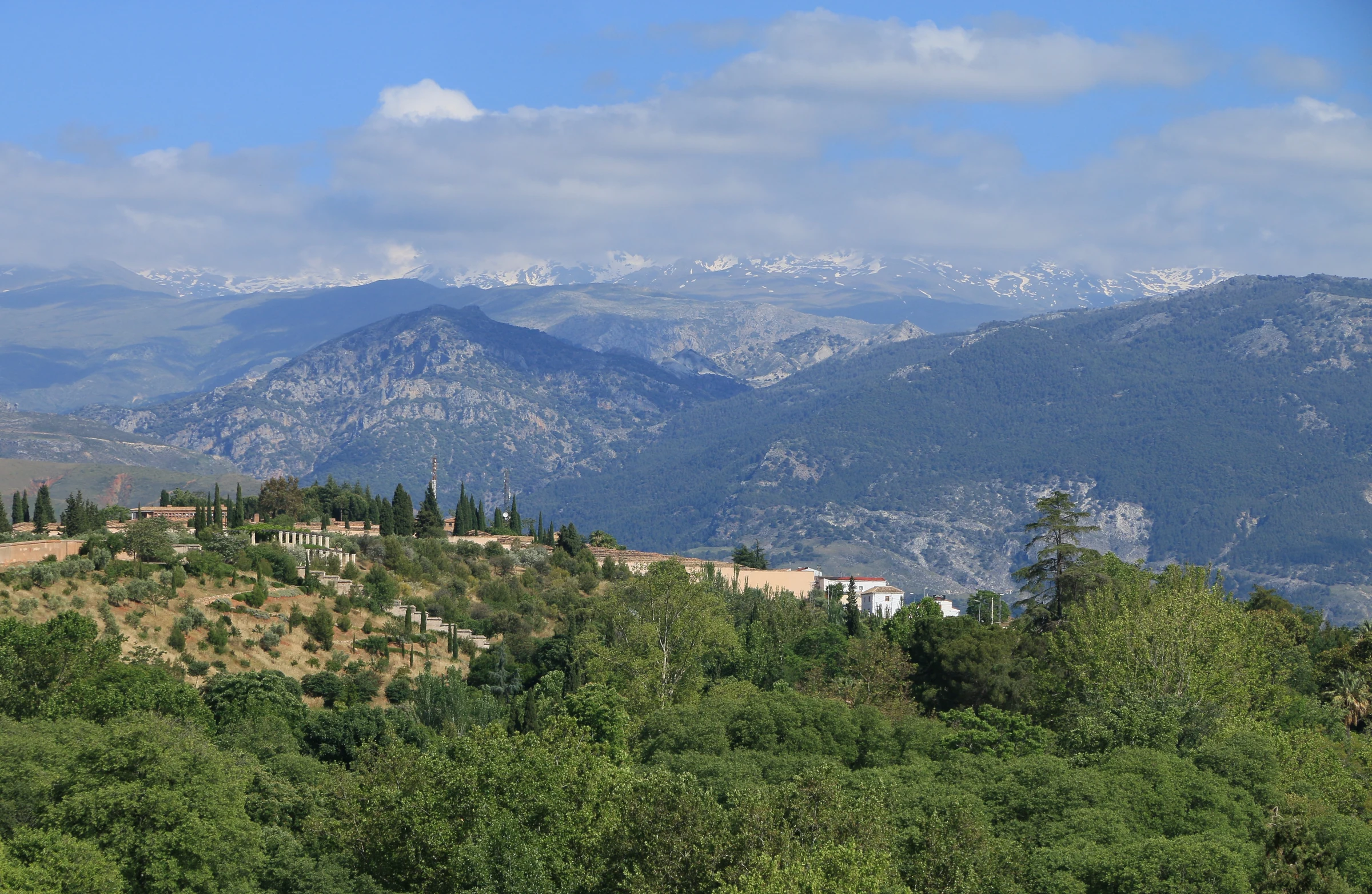
The Pyrenees, Sierra Nevada and other mountain regions should never be planned from a national “best time for Spain” table.
Hiking, road access, snow and lift infrastructure depend on elevation, local conditions and season. Verify mountain-specific sources near travel.
This is one area where TripMag deliberately refuses to be reassuringly vague. Mountains do not care what the average temperature in Madrid was.
Best timing by trip type
City and culture
Usually easiest: spring and autumn. Can work: winter. Needs heat strategy: summer, particularly inland/south.
Mediterranean beach holiday
Primary season: warmer months. Shoulder season: potentially excellent depending on exact coast/island and desired swimming conditions. Winter: choose based on specific destination, not national reputation.
Atlantic north road/food trip
Strong choice: late spring through early autumn for many travellers. Always: pack for variable weather.
Balearic Islands
Beach-first: summer. Walking/cycling/mixed trip: spring and early autumn can be attractive. Off-season: check local services.
Canary Islands
Year-round potential: yes, especially for winter sun. But: choose by island, altitude and activity.
Hiking/mountains
Never use the national season alone. Check local official mountain/park conditions.
Families and school-holiday travel
Families often have less date flexibility, which makes route design more important.
If travelling in summer:
- choose bases that reduce midday transit;
- book accommodation for location, not only pool photographs;
- build heat breaks into southern/inland city days;
- avoid multiplying hotel changes;
- use early/late parts of the day intelligently for outdoor sightseeing.
The weather cannot be negotiated with. The itinerary can.
Budget travellers
Shoulder periods can sometimes reduce accommodation pressure, but TripMag will not promise a fixed percentage saving nationally.
Events, weekends, island demand and city calendars can override the broad season. Compare dated accommodation/transport prices for the exact route.
Cheaper is useful only if the services and activities you want are actually operating.
Common mistakes
Asking for Spain’s “best month” without naming the route
A useful answer needs at least a region and travel style.
Planning Andalusian summer days like northern-European city breaks
Heat changes walking speed, appetite and enthusiasm for “one more church”.
Assuming the Atlantic north has failed if it rains
That climate is part of the region’s landscape and character.
Assuming Canary winter sun means one identical island forecast
Altitude and island geography still matter.
Choosing shoulder season solely for lower prices
Reduced demand can also mean reduced services in some seasonal areas.
Using historical averages as a forecast
Climate normals describe patterns. They do not promise the weather on your Tuesday in Granada.
TripMag verdict
The best time to visit Spain is the time when your chosen version of Spain works best.
Spring and autumn are excellent generalists for city-led travel. Summer belongs naturally to many beach and island itineraries but asks more from inland sightseeing. Winter works for cities, mountains and especially Canary Island escapes, each for completely different reasons.
Start with the place and activity.
Then choose the month.
Doing it the other way round is how you end up packing one national suitcase for four different climates.
January and February: two very different winter trips
January is not a single Spanish season. Madrid and inland Castile can be cold, with short winter days that suit museums, historic quarters and warming meals rather than endless terrace-hopping. Seville and Málaga may offer attractive days for city exploring, but cool evenings and occasional wet spells still matter. Galicia and the northern Atlantic coast have another winter pattern, while the Canary Islands can offer a milder escape, subject to island geography, wind, cloud and the altitude of any planned walk. The essential decision is whether you want cultural sightseeing, winter sports or time outdoors in a potentially milder climate.
February often supports similar city-focused trips, though cultural calendars can begin to change and individual winter festivities may affect accommodation. A budget traveller might find value outside major event dates, but cheaper hotels are not worthwhile if the entire holiday depends on a beach club that is closed for the season. For a winter walking trip, research actual daylight, weather and local access. In the Pyrenees or Sierra Nevada, snow sports and mountain travel demand their own specialist conditions; never assume an average city temperature describes the slopes.
March: urban walking and unpredictable transitions
March can be rewarding for visitors who prefer Madrid, Seville or Barcelona without the pressure of a peak summer itinerary. Yet the transition from winter to spring is often uneven. A warm afternoon does not guarantee a warm evening, and conditions along the Atlantic coast may remain unsettled. Pack layers and choose a neighbourhood base with museums or other indoor alternatives rather than designing every day around sunshine. If an important festival or holiday is involved, verify its date for the actual year and plan for different opening patterns.
Andalusia's historic cities can be particularly attractive for walking before the strongest heat arrives, depending on the year's conditions. If the journey includes Granada and the Alhambra, timed-entry ticket availability remains essential regardless of the month. March is less suitable for travellers whose only definition of a successful holiday is warm Mediterranean sea swimming. For those who love streets, history and food, the balance can be excellent.
April: heritage, events and Easter logistics
April often makes city sightseeing appealing, especially for itineraries built around museums, gardens and walking between historic neighbourhoods. In Andalusia, however, Semana Santa and other local festivities can influence crowding, accommodation costs, street access and transport. Dates change with the religious calendar; a generic April guide must not imply that an event always occurs in the same week. Some visitors specifically want to experience the processions with respect, while others would prefer a calmer city visit.
If travelling around Easter, research the city rather than just the national holiday. A hotel beside a procession route may be atmospheric but less convenient for daytime access or sleeping. Museums and restaurants may follow altered schedules. Families should consider how crowds, late evenings and long periods on foot affect the children. Spring is a good time to learn how distinctive regional cultural calendars shape the holiday, not an excuse to promise empty streets across the whole country.
May: a strong month for region-first travel
May can suit a wide range of journeys: Madrid and Castilian towns, Barcelona architecture, the interior of Andalusia and the greener landscapes of northern Spain. It is often more comfortable for long cultural days than high summer, though temperatures and rainfall still vary by region. For city photography and outdoor museums, a flexible combination of early walking and afternoon cultural activities works well. For a rural trip, check whether local attractions and transport services match your planned route instead of assuming that warmer weather means everything operates daily.
In some Mediterranean areas, beach infrastructure and visitor services begin their busier seasonal rhythm, but water temperatures may not match those later in summer. A traveller who wants beaches for scenery and shore walks can be perfectly happy; someone expecting hours of warm-water swimming should investigate the actual location and time of year more carefully. May demonstrates why weather and the type of trip must be evaluated together.
June: long days, rising demand and the value of geography
June may offer long daylight hours that benefit outdoor exploring, while temperatures in southern inland cities can rise sharply. A Madrid or Barcelona city break and a Seville–Córdoba itinerary may demand different daily schedules even in the same week. For a southern heritage journey, visit exposed sites early and make the middle of the day more flexible. Keep water, shade and a suitable return route in mind rather than treating a high-temperature warning as minor inconvenience.
Along the Atlantic north, June can offer a different climate and longer walking hours, though weather can remain changeable. The Balearic Islands begin to attract beach travellers, but town and coastal conditions still differ. Book accommodation according to the actual local demand, not a generic declaration that June is cheap or uncrowded. For families on fixed school dates, even small shifts in location or departure timing can affect availability.
July: choose the coast or change the rhythm
July is an excellent example of why “summer in Spain” needs careful interpretation. Beaches and islands may be the main attraction, but popular resort towns can be busy and expensive. Inland Andalusia can experience substantial heat that makes long afternoon walks at archaeological sites unpleasant or unsafe. An itinerary built around Seville and Córdoba should include early starts, indoor museums, genuine midday rest and opportunities to adjust plans around official weather warnings.
For travellers who prefer nature, northern landscapes and specific mountain areas may be appealing, but mountain routes still require checks on trail difficulty, storms and access. A supposedly cooler Atlantic beach can have strong currents or variable surf; consult local beach guidance rather than relying on summer air temperature. July can work beautifully when the chosen experience matches the region: a coast stay with one base, a flexible northern road trip or a mountain journey carefully designed around real conditions.
August: popular does not mean equally comfortable everywhere
August concentrates demand in many holiday destinations. A beach base on Mallorca or an Algarve-style Spanish coast resort may offer a lively atmosphere, but transport, parking and restaurant bookings can require more planning. At the same time, some urban businesses alter their operating schedules, so a visitor should not assume every small local venue remains open as usual. Large cities still have much to offer, but summer heat should be considered when walking in exposed parts of Madrid or southern Spain.
For families, the practical question is whether the accommodation supports several ordinary days comfortably. A room with suitable cooling, shade and a manageable beach approach can matter more than a famous view. For island travellers, book the core transport and accommodation early enough to keep choices open, but avoid turning every day into a fixed paid excursion. A well-chosen rest day can be the most valuable part of an August holiday.
September: beach comfort and the return of city travel
September is attractive to many travellers because some places may remain warm while the pace of peak holiday travel begins to shift. But early and late September are not interchangeable, and Atlantic versus Mediterranean or mountain conditions remain very different. Valencia, Barcelona and some islands can suit a coast-and-city balance, while Madrid and Andalusia may gradually become more comfortable for longer walking days depending on heat. The actual forecast still matters.
Smaller beach or island services may alter operating patterns later in the season; check boat trips, facilities and regional transport. On a culture-first trip, September can help combine outdoor streets with museum afternoons. Do not present it as a universal guarantee of empty beaches, lower prices or perfect sea temperatures: those depend on destination and dates.
October: one of the most varied months on the map
October can be excellent for some city and regional road journeys, but conditions become less predictable as the season advances. Madrid, Barcelona and Andalusian towns offer museum and culinary travel that works well with changing weather. Galicia and the northern Atlantic coast may involve rain, while Mediterranean coastal areas can experience heavy downpours and local flood risk. Never promote an autumn coastline as a risk-free extension of summer simply because photographs still show sunshine.
October can also suit wine-region and countryside interests, although visits depend on individual producers and agricultural calendars. In the Balearics, some businesses may operate on a reduced schedule and boat excursions may be weather-dependent. The right autumn itinerary has flexibility, realistic driving time and places to enjoy if a beach afternoon becomes a café or museum day.
November: build the holiday around culture
November favours travellers who want museums, city walks in suitable weather, food and local history rather than guaranteed beach conditions. Southern destinations may feel attractive at certain times, but evenings become shorter and rain or cold can alter plans. In the north, more unsettled weather encourages an itinerary with good towns and indoor alternatives. A traveller on a budget might find less competition for some city accommodation, although events and particular dates can still change pricing.
For photography, the lower seasonal light and quieter street moments can be interesting, but a flexible afternoon is essential. Check local opening days, especially in small towns and rural areas. An isolated property chosen for outdoor space may be less enjoyable if it has poor indoor facilities and nearby restaurants are shut.
December: festive cities and winter island decisions
December can offer urban museums, food traditions and local seasonal events, while mountain destinations follow snow-dependent patterns. Christmas markets, concerts and public holiday programmes are not identical across cities and must be checked against current-year organisers. A Madrid or Barcelona winter break requires appropriate clothing and realistic daylight; a Canary Islands trip demands attention to which island, altitude and side of the coast you choose.
If looking for warmer outdoor days, the Canaries may be a better fit than an inland mainland itinerary, but “year-round sun” is not a guarantee for every resort or mountain route. Wind, cloud and sea conditions remain part of the experience. For winter hiking at altitude, obtain current route and weather guidance, and do not copy advice from a summer travel photograph.
Choosing a date by activity rather than a magazine ranking
Art museums and city culture: choose Madrid, Barcelona, Bilbao or other cities according to exhibitions and your tolerance for weather. A wet morning does not ruin a carefully chosen museum day. Andalusian heritage: weigh outdoor heat against major festivals and ticket demand. Beach travel: select a coastline or island and research actual swimming conditions and seasonal services. Walking and mountains: consult regional park authorities on route access, equipment and weather rather than using a national average.
Food and wine: recognise regional harvest and producer calendars instead of expecting a single nationwide gastronomy season. Families: match school dates with a base that offers appropriate facilities and alternatives on hot or wet days. Solo and rail travellers: choose station-connected cities and consider how seasonal event schedules affect accommodation. The best travel month follows the experience you want, not the other way around.
What to verify in the fortnight before departure
Check the specific local forecast, official weather alerts and the status of outdoor routes rather than trusting a general “best time” recommendation. Confirm museum tickets and hours, the actual arrival station or airport, any boat or seasonal train timetable and the accommodation's opening or check-in conditions. If travelling during a major holiday, look at local rather than just national calendars.
Have a plan B for each weather-dependent commitment. A city museum can replace an exposed garden in heavy rain; a lower-level walk can replace a high mountain trail when conditions change; a leisurely coastal town day can replace an unsafe swim. Insurance should cover the activities you intend to pursue, not merely the fact that you are on holiday. Season selection is ultimately about making the journey resilient enough to be enjoyable even when a forecast changes.
Keep planning Spain