
Mention Egypt and someone will ask whether it is safe. The honest answer is that most visitors are much less likely to be robbed in Cairo than in many European capitals, and much more likely to be talked into buying a papyrus they did not want. The UK Foreign Office describes crime as low and pickpocketing as rare. What it does warn about, alongside some regional security issues, is scams, touts, road safety, harassment of women and variable safety standards in adventure activities.
Regional security advice, including areas that governments currently advise against visiting, changes over time and depends on where you are going. We keep that live information out of this evergreen guide. Read the current UK Foreign Office advice for Egypt before booking and again before you fly, and check TripMag Travel News for anything changing quickly. Everything below is about the everyday risks that apply to most trips.
The real issue: hassle and scams
Egypt's tourist sites attract people who make their living from visitors, and some are more honest than others. The most common tricks are mild and well known:
- The helpful stranger. Someone tells you a site is closed, the entrance is round the corner, or that today is a special festival with free entry to a nearby shop. It is not. Walk to the official ticket office.
- The camel or horse ride with a moving price. At Giza, rides start at one price and acquire extra charges at the far end of the plateau, when you are a long way from the exit. Agree the total price, duration and route before you get on, and pay at the end.
- The free gift. A scarf, bracelet or bunch of flowers is pressed into your hand, then payment is demanded. Hand it straight back.
- The shop stop. Cheap tours and friendly taxi drivers may take you to papyrus, perfume, alabaster or carpet shops where they earn commission. It is fine to look, and fine to say no.
- Taxi fares. Ride-hailing apps in Cairo and Alexandria solve most taxi disputes. With street taxis, agree the fare before you get in.
The best defence is a calm, firm “la, shukran” (no, thank you) and keeping walking. You do not owe anyone a conversation. Using a licensed guide for the busiest sites also makes a huge difference: touts tend to leave guided visitors alone.
Crime: low, but keep copies
Violent crime against tourists is rare, and you can walk around central Cairo, Luxor or Aswan in the evening with ordinary city sense. Keep valuables out of sight in crowded places such as the Metro and Khan el-Khalili, and keep photocopies or phone photos of your passport, visa and tickets separate from the originals.
Police may ask to see your passport and visa, and you can be detained if you cannot show them, so carry them or certified copies. Egypt's tourist police, who wear distinctive uniforms at major sites, are the people to approach with problems. Report any crime to them, on 126, before you leave the country, because prosecution is very difficult once you have gone.
Advice for women
Many women travel in Egypt without serious problems, but unwanted attention, from comments and staring to persistent approaches, is common, and official advice asks women travelling alone to take care, particularly at night and in taxis. It notes that most reported assaults have happened in Red Sea resorts, often involving someone the victim had only just met, such as hotel or excursion staff.
- Dress modestly, especially in rural areas, mosques and souqs. Loose clothing covering shoulders and knees attracts far less attention.
- Sit in the back of taxis and share your driver's details and live location with a friend.
- Do not let hotel staff into your room alone, and use reputable providers for massages, excursions and transfers.
- Avoid sharing your phone number or social media accounts with people you have just met.
- Women-only carriages on the Cairo Metro are a useful option at busy times.
A wedding ring, real or not, and a firm manner help more than you might expect.
Roads and transport
Road safety is the biggest physical risk for most visitors. Driving can be chaotic, lane markings are often ignored, and long-distance roads see serious accidents. Official advice is clear: do not drive outside the main cities and resorts at night. Wear a seatbelt wherever one is fitted.
Most visitors do not drive themselves, and that is sensible. Use a reputable driver for day trips, domestic flights for long distances, and trains along the Nile Valley. Official advice notes that buses, trains, ferries and Nile cruise boats have all had serious accidents, so choose established operators and do not pick the cheapest option for overnight journeys. If you do drive, UK licence holders need the 1949 version of the international driving permit alongside their licence, and it must be bought in the UK before travel. Off-road desert trips need a qualified guide and a permit.
In Cairo, crossing the road is an art. Cross with locals, at a steady pace, and never step back suddenly. For more on choosing transport, see getting around Egypt.
Adventure activities: balloons, boats and diving
Some of Egypt's best experiences carry real risk if you choose the wrong operator.
Hot-air balloons over Luxor are spectacular at sunrise. Official advice suggests speaking to your tour company before booking, noting that some UK operators stopped selling flights because they could not verify safety standards. Choose an established company with a long track record, and do not fly in strong wind.
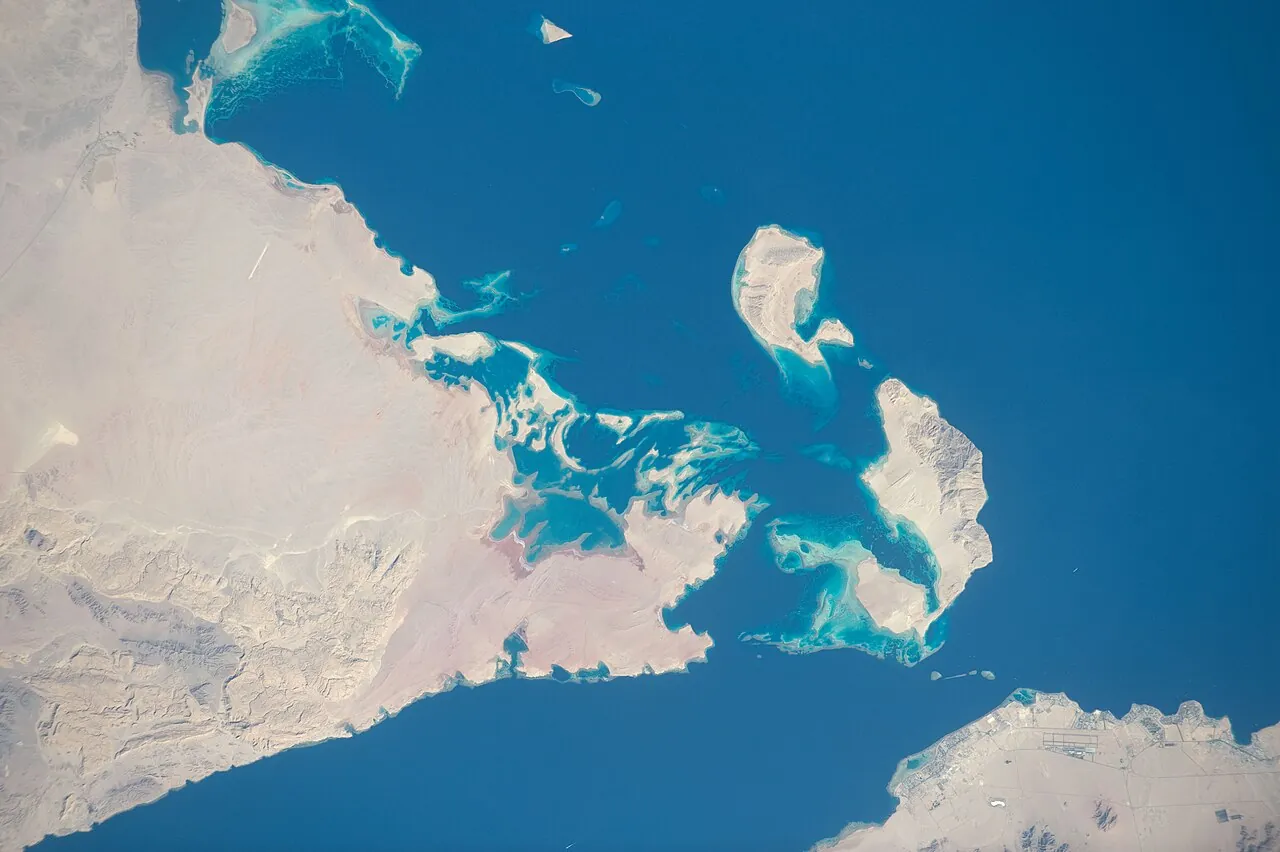
Red Sea diving and snorkelling are world class, from the reefs of Ras Mohammed near Sharm el-Sheikh to the walls and dugong bays around Marsa Alam. Safety standards vary considerably between operators and boats. Book liveaboards through reputable vendors, ask for a full safety briefing, and check that your insurance covers diving to your planned depth and evacuation by air or sea. Rescue can cost thousands of dollars an hour, and the authorities may only begin once payment is guaranteed.
Sharks are rarely a problem, but there have been attacks on tourists in the Red Sea region. Follow instructions from your dive centre and local authorities, and do not swim where you are told not to.
Place by place: where the hassle is, and how to handle it
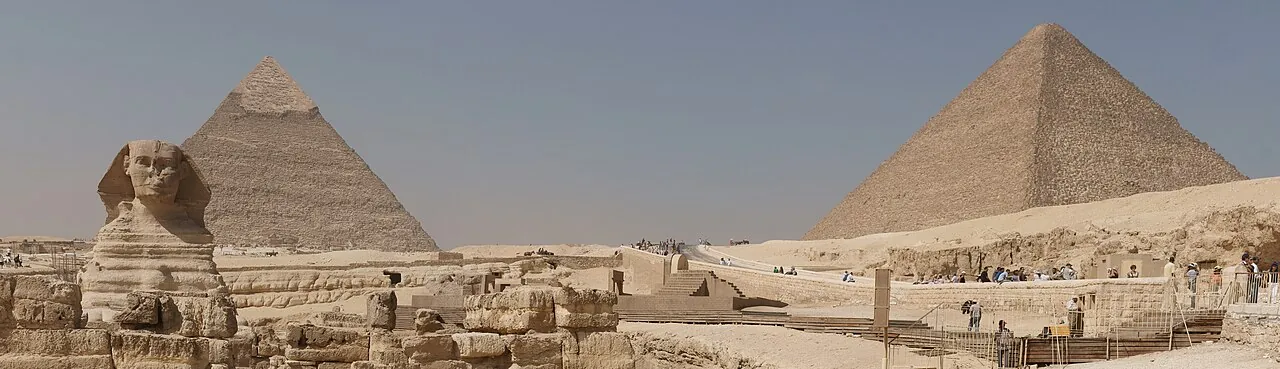
Giza. The busiest pressure point in the country. Arrive at opening time, go straight to the official ticket office, and decide in advance whether you want a camel or horse ride. The panoramic viewpoint is a long, hot walk from the pyramids, and a car with a guide is calmer than negotiating on the spot.
Khan el-Khalili. Cairo's great bazaar is lively rather than dangerous. Expect enthusiastic selling, keep your phone and wallet zipped, and treat bargaining as a game. Sitting down for mint tea at one of the old coffee houses is the best way to watch it all without being part of it.
Luxor. Calèche (horse-carriage) drivers and felucca captains on the East Bank are persistent. If you want a ride, agree the price, route and duration first, and check that the horse looks healthy. The West Bank is quieter, and staying there puts you close to the tombs before the crowds arrive.
Aswan. The most relaxed of the big Nile towns. Felucca trips around Elephantine and Kitchener's Island are a highlight; agree the fare beforehand. Trips to Abu Simbel, by early-morning road transfer or short flight, are well organised.
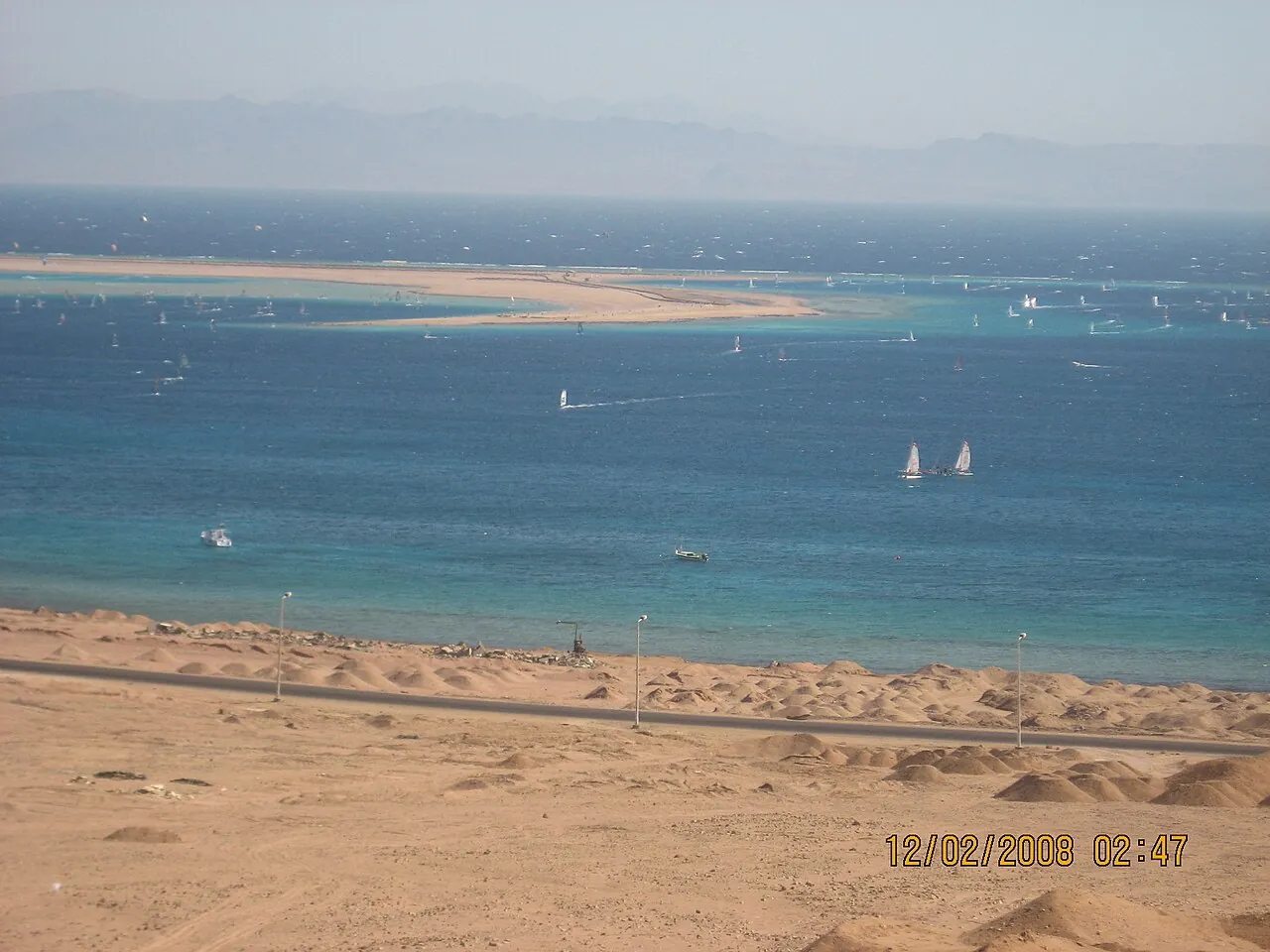
Red Sea resorts. Inside the resorts, pressure is low. Outside, boat trips, quad-bike excursions and desert safaris vary widely in quality and safety, so book through your hotel or a well-reviewed operator rather than a stranger on the beach.
Heat and health
Upper Egypt is extremely hot from about May to September, with Luxor and Aswan regularly well above 40°C. The Valley of the Kings, set in a bare limestone valley, acts like an oven by midday. In summer, start sightseeing at opening time, rest in the afternoon and carry plenty of water. Even in winter, the sun is strong.
Stomach upsets are the most common health problem. Drink bottled water, be careful with salads and ice in very basic places, and wash your hands often. Pharmacies are plentiful. Travel insurance with good medical cover is essential, and private hospitals in the major cities and resorts are generally good. Egypt also asks travellers from some countries for proof of yellow fever vaccination; check before you go.
Laws you need to know
- Drugs: penalties are extremely severe, up to life imprisonment or the death penalty, even for small amounts. Khat is illegal.
- Alcohol: drinking is legal in licensed hotels, bars and restaurants and in private, but drinking in public outside those places can lead to arrest.
- Photography: do not photograph military property, including the Suez Canal, or police and officials without consent. Ask before you photograph people, and do not photograph children. Professional equipment needs a permit.
- Drones: need prior permission from the Ministry of Defence, and penalties for unauthorised use are heavy. Leave yours at home.
- Antiquities: buying or exporting genuine antiquities is illegal. Souvenir “antiques” are almost always modern, which is the best outcome.
- Religion: encouraging conversion to another religion is illegal.
- Public behaviour: public displays of affection are frowned upon, though holding hands is generally fine.
LGBT+ travellers should know that same-sex activity is not explicitly criminalised, but laws on “debauchery” have been used to prosecute LGBT+ people, including through dating apps and social media. Discretion in public and online is strongly advised.
Ramadan
During Ramadan, avoid eating, drinking or smoking in public during daylight hours, as well as loud music and dancing in public. Tourist sites stay open, often with shorter hours, and hotels serve guests normally. Evenings are festive, and an iftar meal at sunset is a lovely experience. The dates move about eleven days earlier each year, so check them for your trip.
Emergency numbers
- 126: tourist police
- 122: police (or 112 from a mobile)
- 123: ambulance
- 180: fire brigade
The bottom line
Egypt is safer than its reputation in the ways that matter most, and more tiring than people expect in the ways that matter less. Plan around the roads, choose activity operators carefully, respect the laws and the heat, and treat the touts as part of the scenery. Then go and stand in front of Karnak's hypostyle hall at opening time, before the coaches arrive, and decide for yourself whether it was worth it.
To plan the rest of the trip, start with our Egypt travel guide, budget with Egypt travel costs, choose your bases with where to stay in Egypt and pick your season with the best time to visit Egypt. All our guides are on the Egypt hub.