
Egypt is a country where you can eat a superb lunch for less than the price of a coffee at home, then spend more on one afternoon's tickets than on the night's hotel. That split surprises many first-time visitors, and it is the key to budgeting well.
This guide explains where the money goes on a typical trip of Cairo, the Nile Valley and perhaps the Red Sea. We deliberately avoid quoting exchange rates and most prices: the Egyptian pound has been devalued sharply more than once in recent years, and ticket prices are revised regularly. Instead, we focus on the structure of costs, which changes much more slowly, and point you to official sources for the current figures.
Where the money actually goes
For most sightseeing trips, the budget splits into five parts:
- Entry tickets. Often the biggest single category on a history-focused trip.
- Transport between regions. Domestic flights, the Nile cruise or the sleeper train.
- Accommodation. Wide range, often good value, especially outside Cairo.
- Guides and drivers. Optional in theory, very useful in practice.
- Food and tips. Cheap meals, frequent small tips.
Tickets: the foreigner price is the real price
Egypt uses dual pricing at almost every archaeological site and museum. Egyptians pay a small fee; foreign visitors pay several times more, with reduced rates for students who hold a valid international student card. This is official policy, set by the Ministry of Tourism and Antiquities, and prices are reviewed every year or two.
The big-ticket items are the ones everybody wants to see: the Giza plateau, entry into the Great Pyramid itself, the Grand Egyptian Museum with its Tutankhamun galleries, the Valley of the Kings and the tombs on Luxor's West Bank, Karnak, Abu Simbel and Philae. Several famous tombs, including Tutankhamun's and Seti I's in the Valley of the Kings and Nefertari's in the Valley of the Queens, need a separate extra ticket on top of site entry, and Nefertari's is one of the most expensive tickets in the country. A week of serious sightseeing can easily cost more in tickets than in hotels.
Three ways to keep this under control:
- Choose your premium tombs. A standard Valley of the Kings ticket already includes several superb tombs. Add one or two special tickets for the ones that matter most to you rather than all of them.
- Look at the multi-site passes. The ministry sells a Luxor Pass and a Cairo Pass for foreign visitors. They are expensive up front and only pay off if you plan to visit a lot of sites, including the premium tombs, over several days. Check the current conditions on the ministry's site, as passport photos and specific validity rules apply.
- Buy tickets officially. Many major sites sell tickets by card at the gate or online. Buy from official ticket offices only, never from people at the entrance.

Our guide to the Giza Pyramids explains which tickets are worth it at Giza, and why the inside of the Great Pyramid is a thrill for some people and a hot, cramped disappointment for others.
Nile cruise, train or flight?
How you travel between Cairo, Luxor and Aswan shapes the budget and the feel of the trip.
Nile cruise. The classic way to see the river between Luxor and Aswan, usually three or four nights, with stops at the temples of Edfu and Kom Ombo. Prices vary hugely by boat. Cruises usually include accommodation and meals, and often guided visits, but check exactly what is covered: site tickets, drinks and tips for crew and guides may be extra. Smaller dahabiya sailing boats cost more and feel very different, with a handful of cabins, no engine noise and stops at quiet villages. Our Nile cruise guide compares the options.
Sleeper or day train. Trains run the length of the Nile Valley between Cairo, Luxor and Aswan. The overnight sleeper is a practical way to cover the distance and save a hotel night, while the day trains are cheap and offer a long window on rural Egypt. Book through official channels.
Domestic flights. EgyptAir and other airlines link Cairo with Luxor, Aswan, Hurghada and Sharm el-Sheikh. Flights save time, and often make sense for the long leg from Cairo to the south or for reaching the Red Sea. Abu Simbel, far south of Aswan, can be reached by road on an early-morning day trip or by a short flight.
Inside Cairo and Alexandria, ride-hailing apps make getting around cheap and spare you the negotiation that comes with street taxis. See our guide to getting around Egypt for the details.
Accommodation: wide range, good value
Hotel prices vary enormously, from simple guesthouses to historic palaces. A few patterns are worth knowing:
- Cairo and Giza are the most expensive cities for hotels. Staying near Giza puts you close to the pyramids and the Grand Egyptian Museum; downtown is better for Islamic Cairo and the old city.
- Luxor's West Bank has calm, family-run guesthouses close to the tombs, often cheaper and more characterful than the big hotels on the East Bank.
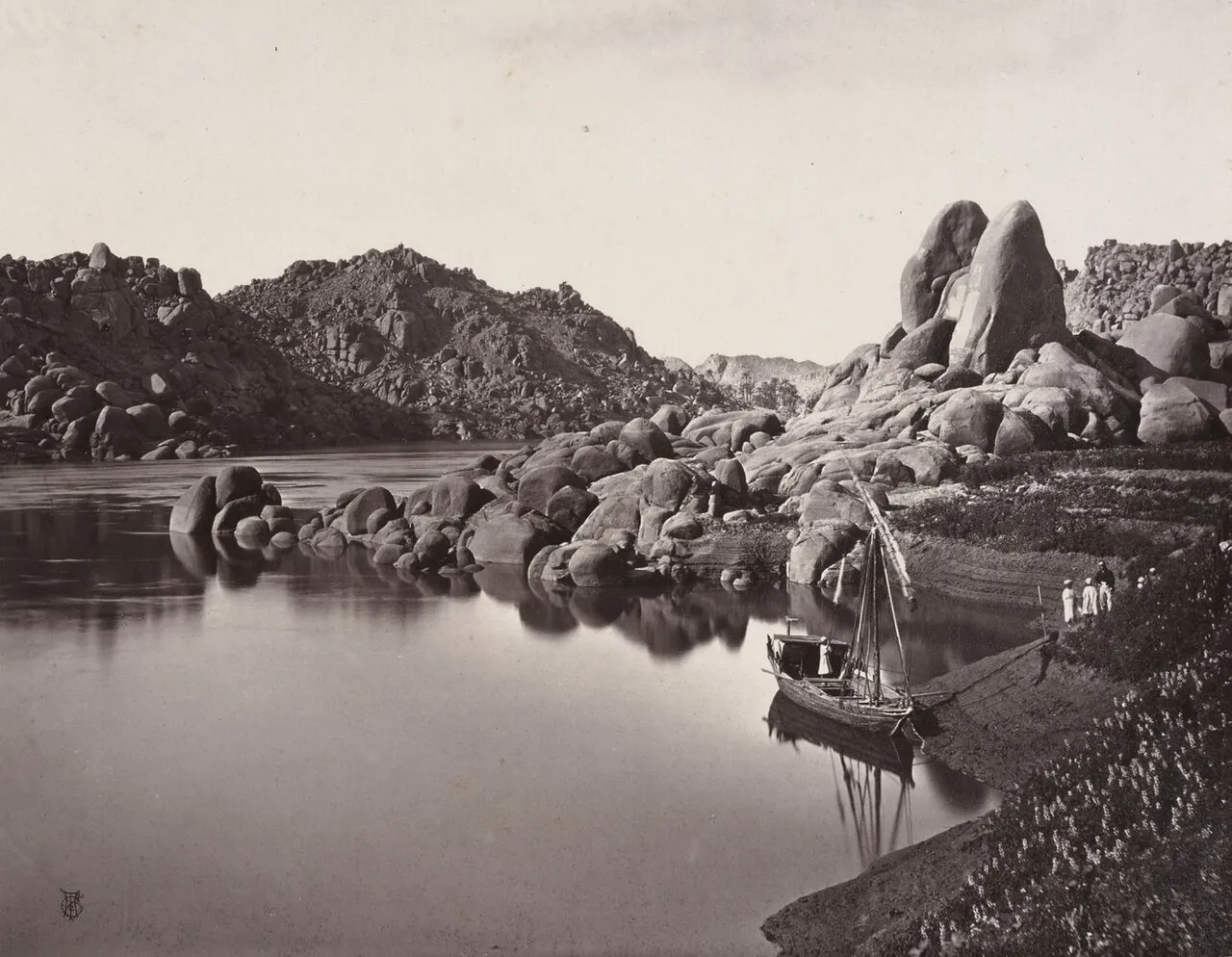
- Aswan has some of the most atmospheric places to stay, including Nubian guesthouses on the islands and riverside hotels with views of the felucca sails.
- Red Sea resorts at Hurghada, El Gouna, Marsa Alam and Sharm el-Sheikh are often sold as all-inclusive packages, which can be very good value in winter compared with Mediterranean resorts.
For choosing a base in each region, read where to stay in Egypt.
Guides and drivers: worth paying for
You can visit most sites independently, and many people do. A good Egyptologist guide, though, transforms places such as Karnak, Saqqara and the Valley of the Kings from a blur of columns into stories you will remember. They also handle the hassle at busy sites, which is part of what you are paying for.
Licensed guides can be booked through hotels, reputable agencies or recommendations from other travellers. A private car and driver for a day is often affordable when shared between two to four people, and makes sense for Saqqara, Dahshur and Memphis, which are spread out south of Cairo.
Beware of very cheap packages. Some recover their margin by adding long stops at papyrus, perfume, alabaster or carpet shops, where your guide earns commission. If you do not want that, say so clearly when booking and again on the day.
Food: the best bargain in Egypt
Egyptian street and café food is filling, tasty and very cheap. Start the day with ful medames, slow-cooked fava beans, and crisp ta'ameya, the Egyptian falafel made from fava beans rather than chickpeas. At lunch, try koshari, the national dish of rice, lentils, pasta, chickpeas and spicy tomato sauce, served by specialist restaurants that do nothing else. Wash it down with chilled karkadeh, the deep red hibiscus drink.
Sit-down restaurants, hotel restaurants and Nile-view terraces cost more but remain reasonable by European standards. Alcohol is available in hotels, tourist restaurants and some licensed bars and shops, but is relatively expensive, while fresh juices, tea and coffee are cheap everywhere. Drink bottled water.
Baksheesh: how tipping works
Tipping, or baksheesh, is woven into daily life. Wages in tourism are low, and small payments for services are expected. Treat it as part of the budget rather than an irritation, and keep a supply of small notes, because nobody ever has change.
Typical customs suggested by local operators:
- Restaurants: many bills include a 12% service charge. A further 10% or so in cash for the waiter is customary in sit-down restaurants.
- Guides: a daily tip for a private guide at the end of the tour, and a smaller amount per person on group tours.
- Drivers: a tip at the end of each day or transfer.
- Nile cruises: a collective tip for the crew, often collected in a box at the end of the trip and suggested per person per night, plus tips for the guide.
- Porters, toilet attendants and site guardians: small tips in Egyptian pounds. At tombs, guardians may offer to show you a hidden corner or let you take a photo in exchange for a tip; it is polite to decline if you do not want the service.
US dollars are often welcomed for larger tips such as guides and drivers, but use Egyptian pounds for small services, and avoid single dollar bills, which are hard to change.
Money, cards and bargaining
The currency is the Egyptian pound (EGP), sometimes written LE. Cards are accepted in most hotels, larger restaurants and many site ticket offices, but cash is still king in markets, cafés, taxis and for tips. ATMs are common in cities and tourist towns. Use machines attached to banks, and avoid changing money on the street.
In souqs such as Khan el-Khalili in Cairo and the markets of Luxor and Aswan, bargaining is normal. Start well below the first price, stay good-humoured, and walk away if the price does not feel right. A good rule is to decide what an item is worth to you before you ask the price. Fixed-price shops exist too, and are a useful way to learn what things should cost.
Extras worth budgeting for
- Hot-air balloon over Luxor's West Bank at sunrise: one of the most popular splurges in the country. Choose an established operator.
- A felucca sail in Aswan or Luxor: cheap, quiet and beautiful at sunset. Agree the price and duration before you set off.
- Sound and light shows at Giza, Karnak and Philae.
- Diving and snorkelling on the Red Sea, where marine park fees may apply on top of the trip price.
- Visa and entry costs, which depend on your nationality. Check the official requirements before you travel.
How season changes prices
Winter, from about October to April, is high season in Luxor, Aswan and the Nile Valley, when temperatures are comfortable and cruise boats and hotels are fullest, especially around Christmas, New Year and Easter. Summer is extremely hot in Upper Egypt and prices fall sharply, though sightseeing has to be crammed into early mornings. Red Sea resorts are busy most of the year, with peaks in European school holidays. For what each month is like on the ground, see our guide to the best time to visit Egypt.
Three ways to shape the trip
Lean: guesthouses, the train between Cairo and the south, ride-hailing in cities, street food, a guide only for the sites that matter most, and standard tickets rather than premium tombs.
Comfortable: good hotels in Cairo and Aswan, a mid-range Nile cruise, a private Egyptologist for the main sites, a domestic flight to save a long journey, and a few days at a Red Sea resort.
Splurge: a dahabiya sailing cruise, historic hotels such as those overlooking the Nile in Aswan and Luxor, private guiding throughout, the premium tombs including Nefertari, and a sunrise balloon flight.
Whatever you choose, plan the route first with our Egypt itineraries, read the Egypt safety guide for scams and hassle, and find everything else on the Egypt hub.