
The best places to visit in Morocco are not the eight places you can name most quickly. They are the ones that make a satisfying journey together. Marrakech, Fes, Essaouira and the dunes near Merzouga can all earn a place on a wish list. Put them into a short holiday without respecting the geography, however, and the wish list starts behaving like a transport timetable. The scenery changes; your view remains the back of a seat.
Our first recommendation is therefore a choice, not a ranking: decide whether this trip is about historic cities, Atlantic downtime or a road journey towards the desert. Then select a principal base and one or two places that support it. The following destinations have different strengths and different costs in time. We explain what each contributes, when to stay overnight, what to combine and when a famous stop is the wrong addition.
This is editorial judgement informed by official destination and heritage sources, rather than a claim that one city is objectively best. There is no invented first-hand visit, universal hotel recommendation or promise that every attraction is open on your dates. Check current access, transport and official travel advice before booking. Start with what you want from the day; the photographs can help afterwards.
A short list organised around the holiday you want
| Place | Choose it for | Suggested role | Main trade-off |
|---|---|---|---|
| Marrakech | Medina, gardens and a city-led first trip | Three or four nights | A busy city is not automatic downtime |
| Fes | Historic urban fabric and a focused cultural stay | Two or three nights | Navigation and access deserve planning |
| Rabat | Capital-city history with a rail-led route | One or two nights | Do not judge it only by headline fame |
| Essaouira | Atlantic atmosphere and a coastal change of pace | Two or three nights | Wind and sea conditions shape beach plans |
| Chefchaouen | Rif setting and a compact northern stay | One or two nights | Road access makes a hurried detour less attractive |
| High Atlas | A suitable guided mountain outing or stay | Its own planned block | Conditions, ability and access matter |
| Aït-Ben-Haddou | Earthen architecture on a southern road route | A substantial stop or overnight | A return excursion and an onward journey differ |
| Merzouga / Erg Chebbi | A desert-led journey | A multi-day road block | Distance is part of the experience and the cost |
Casablanca and Tangier can also be purposeful stops, especially when they fit your arrival point or northern route. Their value does not depend on displacing a more famous name. Nor does every trip need every imperial city. For a seven-night holiday, choose a pair from this table that reinforces the same idea. For a longer trip, add a contrasting landscape only when the transfer still leaves usable time at both ends.
Marrakech: the strongest first base for a city-and-coast week
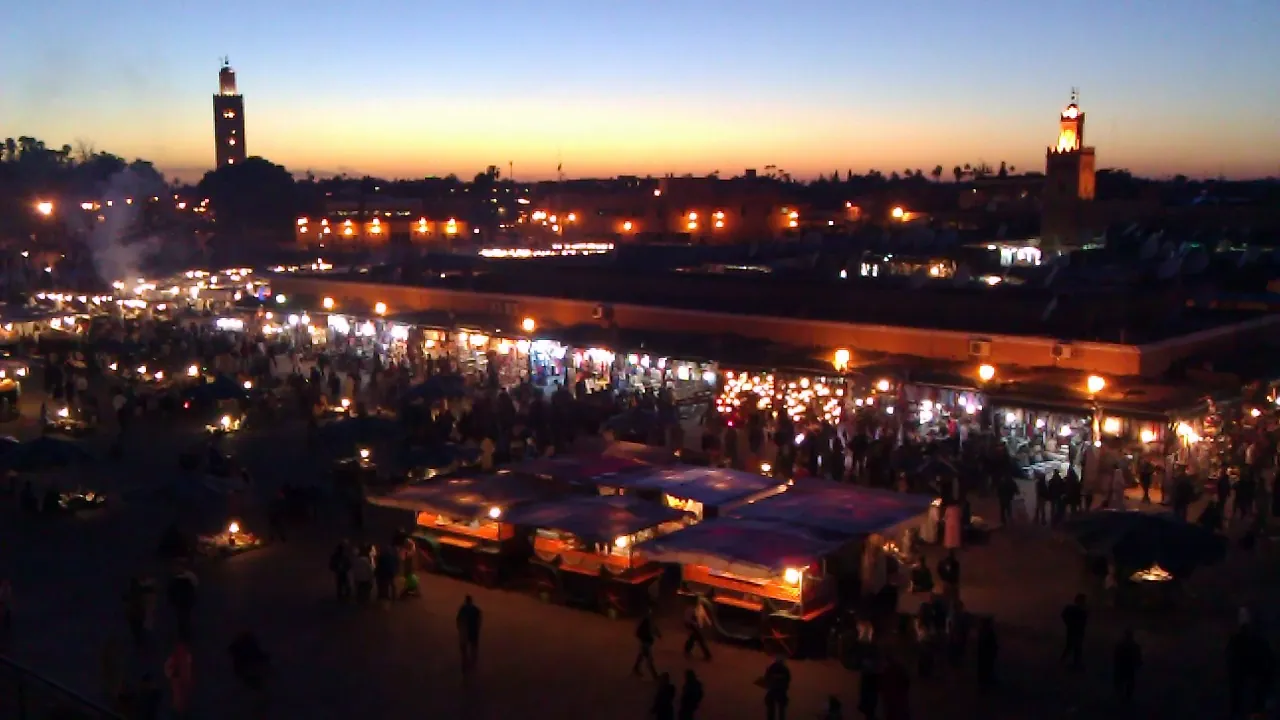
Marrakech suits travellers who want a substantial city stay rather than a quick introduction before moving on. Jemaa el-Fna, the medina and the souks provide a concentrated urban starting point; gardens and museum visits can give the day a different rhythm. Choose the sequence according to opening arrangements and your energy. Trying to consume the whole city in a single guided march leaves little room to notice what attracted you in the first place.
Our preference is to give Marrakech several nights and leave part of each day uncommitted. A morning focused on one area, a proper break and a later return make more sense for many first-time visitors than crossing the city repeatedly to satisfy a list. Book attractions with current timed-entry requirements through the appropriate operator. If you hire a guide, agree the interests and shopping expectations first; architectural context and a string of sales stops are different services.
The accommodation decision matters. A medina riad can make short outings convenient, but confirm where a vehicle can stop and how luggage reaches the property. A resort outside the centre can be excellent if swimming, space and quiet are your priorities. It makes less sense to pay for those facilities and spend the whole stay transferring into town. Pick the address that supports your actual days, then choose the room within it.
Combine it with: Essaouira for a road-linked coastal finish, or a carefully chosen High Atlas outing appropriate to the season and your ability. Reconsider it if: you want a quiet beach holiday with minimal city time. Marrakech need not be inserted simply because it is the most familiar name. It is also a poor base for pretending a far-reaching desert trip is a casual day out.
Fes: choose depth over another tick on the itinerary
Fes earns a longer look because the historic medina is the destination, not just the space between attractions. UNESCO describes its surviving urban heritage as exceptionally significant. Begin with a manageable area, use an appropriate guide when context or navigation would improve the visit, and allow time for pauses. Bab Boujloud can be a useful orientation point; it is not a magic solution to every subsequent turn.
The official destination material points to the tanneries, historic religious architecture, museums and gardens, but access rules differ between sites. Do not assume every religious building admits non-Muslim visitors or that seeing an exterior means you can enter. Check the specific place. At a tannery viewpoint, understand whether access is linked to a shop and whether a charge or purchase is expected. Clarifying the arrangement before taking the view is easier than disentangling it afterwards.
Fes is particularly rewarding when you enjoy looking closely: craftsmanship, streets, doors and the relationship between working businesses and visitors. That does not mean residents exist to supply photographs. Ask before photographing people or workspaces, keep entrances clear and respect private areas. A morning without a long list can be productive if you have a sensible route and know how to return to your accommodation. Getting intentionally lost is an overrated planning strategy when somebody else is waiting for lunch.
Combine it with: Rabat and other genuinely useful stops on a northern city route, checking ONCF's offered journeys. Chefchaouen is a separate road leg that needs its own time. Reconsider it if: a dense historic district, stairs or complicated access will make the visit uncomfortable for your party. Ask about the actual walking route and room access before assuming a beautiful riad is suitable.
Rabat: a useful city, not a consolation prize
Rabat should not be selected merely as the stop left over after Marrakech and Fes. The capital has a distinct combination of historic places and contemporary city life. The Kasbah of the Oudayas, Hassan Tower area and Chellah give you reasons to stay, with museums and modern neighbourhoods broadening the visit. Check the current admission and access arrangements for the specific sites rather than assembling a day from historic opening times.
For a traveller building around the northern railway, Rabat can improve the trip's structure. The city can provide a deliberate first or last stop rather than forcing an immediate long onward journey after a flight. That is a practical advantage, not a promise that every arrival connection is effortless. Check the airport or station transfer, the accommodation's location and the next departure before deciding how much time remains for sightseeing.
Our judgement is to give Rabat an overnight when its interests fit your holiday rather than compressing it into a bag-storage exercise between trains. An evening, a morning and a focused set of sites can be more satisfying than arriving, rushing through several places and leaving before the city has acquired any shape. If you have only a week and prefer deeper stays elsewhere, omit it honestly; do not include it merely to increase the city count.
Combine it with: Fes, Casablanca or Tangier where the current transport plan works. Reconsider it if: the trip is already committed to a southern road journey and the detour would consume its limited time. Rabat is a good choice for a particular route, not an instruction to pull every itinerary north.
Essaouira: choose the coast for its atmosphere, not a tropical promise
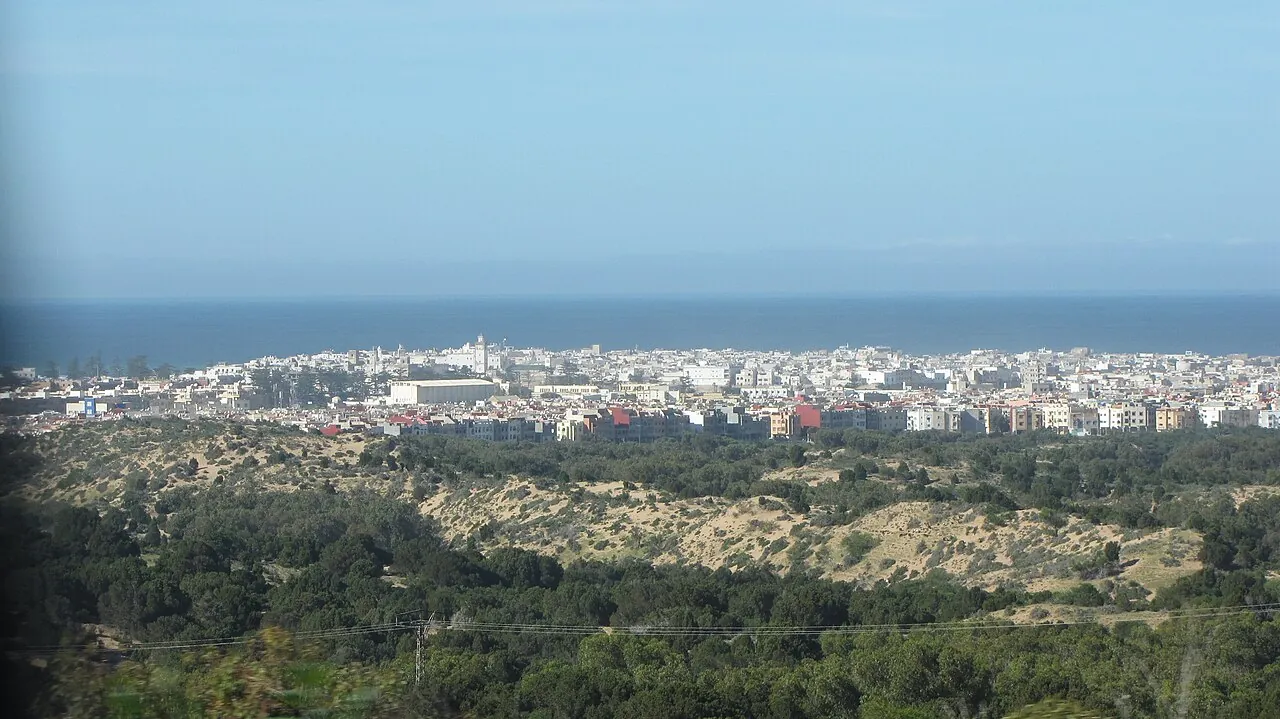
Essaouira's Atlantic setting, medina, ramparts and fishing port make it a strong contrast to an inland city stay. It is a place to change the day's pace: a waterfront walk, time around the historic streets and a meal can be enough of a programme. You do not need to fill every coastal hour with an excursion to justify staying overnight. A holiday is allowed to include a morning that has not been optimised.
The tourism office emphasises the city's wind and water sports. Treat that as part of the choice rather than an inconvenient footnote beneath a beach photograph. A beach-facing stay and reliable warm-water swimming are different propositions. Check local sea conditions, safety advice and the suitability of any water activity near departure. For a surf or wind-sport lesson, choose a provider with appropriate instruction and equipment; a scenic beach is not evidence that conditions suit a beginner.
Two or three nights can allow a coastal stay to feel different from a rushed return excursion. That allocation is our suggestion, not a minimum required to enjoy the city. If you only want a brief look and the confirmed transport suits, a day visit may be enough. If the purpose is to slow down after Marrakech, stay overnight and stop measuring the city by how many sights you can collect before the driver returns.
Combine it with: Marrakech through a planned road transfer, checking coach or private-vehicle arrangements. Reconsider it if: your non-negotiable priority is sheltered resort swimming every day. Compare the accommodation and season with that requirement first. Essaouira is a persuasive coastal town on its own terms; it does not need to impersonate a different kind of seaside holiday.
Chefchaouen: the blue streets are the beginning of the decision
Chefchaouen's blue-painted streets have made it an obvious photographic stop, but its northern setting is what determines whether it belongs in your route. It works better as a deliberate stay in a northern journey than as a distant detour added to a southern week. Build around the road connection and an overnight you can enjoy, rather than promising yourself that a few quick photographs will repay the transfer.
The official tourist office highlights the city's medina, crafts and Ras Elma area. Approach those as parts of a lived-in town. Choose a walking route that matches your mobility and leave room for cafés, local businesses and simple observation. The same streets that look charming can involve slopes and steps. Confirm the access to your accommodation and avoid arranging a luggage-heavy arrival without knowing where your driver or coach will leave you.
Our preference is an overnight if the town is a meaningful part of the trip. It gives you more than one slice of the day and reduces the temptation to treat every doorway as a backdrop. Ask before photographing residents, do not block entrances and respect requests to move on. A quiet-looking frame does not establish that you have found an undiscovered place. A famous destination can still be enjoyable when you stop demanding that it be secret.
Combine it with: a northern route that can absorb the road leg, potentially involving Tangier or Fes after checking actual services. Reconsider it if: your available week already centres on Marrakech and the Atlantic coast. Cutting one far-away addition can make the remaining holiday considerably better. The country will still have blue streets when you return.
The High Atlas: select an activity before selecting a view
The High Atlas should be approached as a range of mountain trips, not a single sightseeing product. A comfortable drive to a suitable village, a short guided walk and a demanding trek have different requirements. Decide what you can and want to do before choosing accommodation or an excursion. A dramatic photograph does not explain the route's altitude, surface, exposure or access. Ask the operator to describe the day in practical language.
Check current local conditions, transport access, guide arrangements and weather close to travel. Mountain conditions cannot be frozen into an evergreen recommendation. For a guided walk, clarify distance, ascent, pace, footwear and what happens if someone needs to stop. For a more demanding route, check qualifications, equipment, emergency arrangements and insurance cover. Do not use the label family-friendly as a substitute for information about the particular walk.
A mountain stay may be the most valuable addition for travellers who want a genuine change from city exploration. It also deserves enough time that arrival and departure do not consume the whole experience. If you only have room for a day trip, choose a modest suitable programme rather than attempting to reproduce a longer expedition. There is no shame in wanting lunch with a view rather than a summit. There is a problem in booking one while imagining the other.
Combine it with: a Marrakech-based journey when the specific access and programme fit. Reconsider it if: current conditions, fitness, accessibility or qualified support make the proposed outing unsuitable. High-altitude activities are not an automatic upgrade to a holiday. A city-and-coast week can be complete without them.
Aït-Ben-Haddou: architecture that deserves more than a passing frame
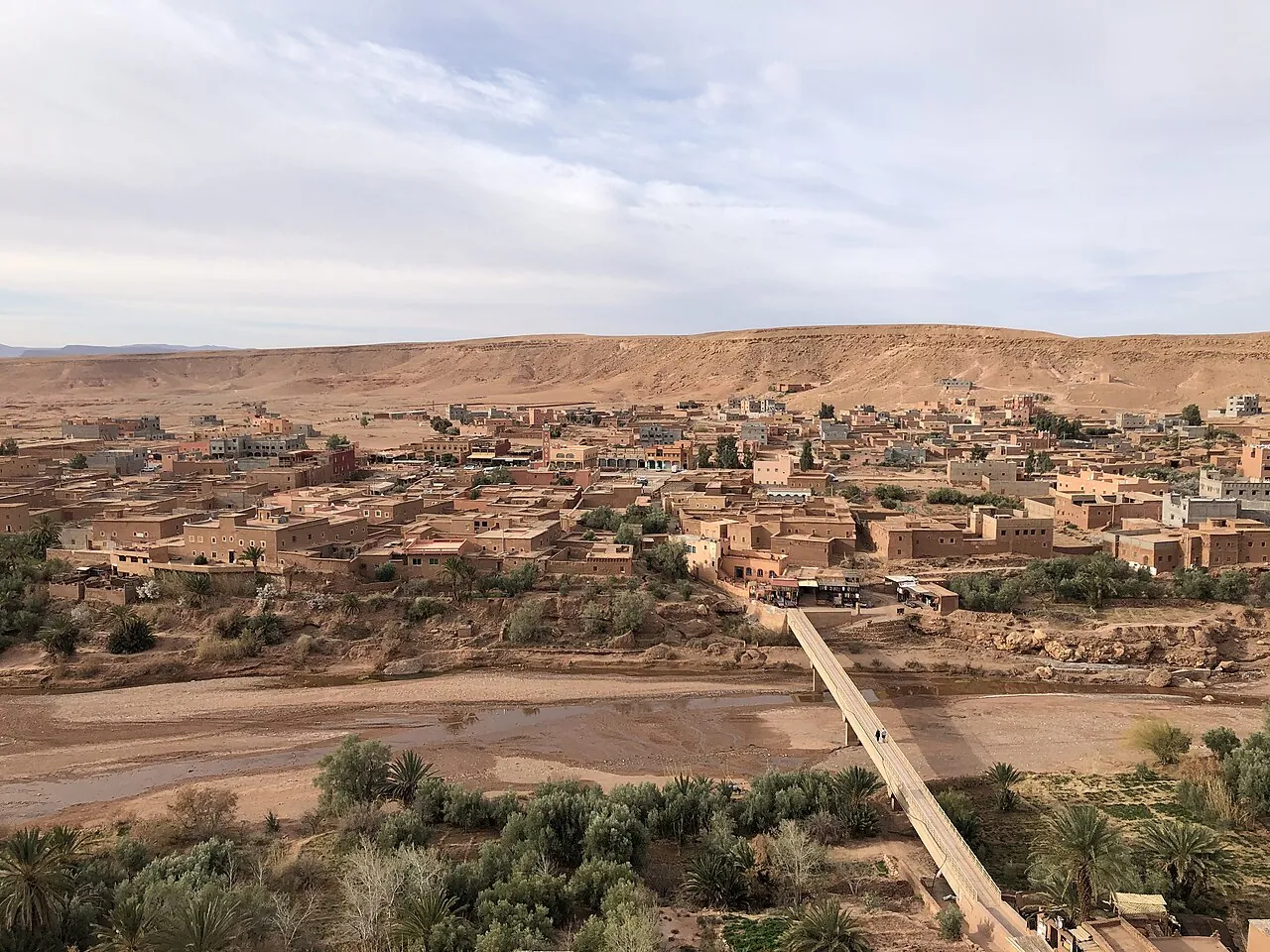
Aït-Ben-Haddou is a UNESCO-listed ksar, an earthen settlement whose architecture is central to its appeal. It should not be introduced simply as a film backdrop. Look at the relationship between buildings, defensive form and the surrounding landscape; those are good reasons to stop even if you have never seen a production filmed in the region. A guide can help explain what you are looking at, provided the arrangement is clear and appropriate.
The key choice is whether this is part of an onward road journey or a return outing from Marrakech. Both can be organised, but they use time differently. An onward journey lets the stop belong to a wider southern route. A return excursion must justify the road time on its own. Ask for the proposed sequence, time at the site, meal stops and expected return, without treating an optimistic driving estimate as a guarantee.
Allow for uneven ground, steps, exposure to the weather and the abilities of everyone travelling. Ask about the actual crossing and access arrangements for your visit, which can be affected by conditions. Bring the equipment appropriate to the day and do not assume a vehicle can take you to every viewing position. If mobility needs limit access, ask the provider for an honest alternative perspective rather than a vague assurance that everything is possible.
Combine it with: Ouarzazate and a thoughtfully paced southern road itinerary, where those stops have a clear role. Reconsider it if: you are adding a long return drive to a short holiday purely to reproduce a photograph. The place is significant; the question is whether this particular trip has enough room to visit it properly.
Merzouga and Erg Chebbi: let the desert lead the journey
Merzouga is associated with the dunes of Erg Chebbi in south-eastern Morocco. If those are the dunes you want, check that the advertised package actually goes there. A generic desert excursion can mean another landscape. There is nothing wrong with choosing a different destination, but it should be a conscious choice. A tent photograph and the word Sahara are insufficient descriptions of where you will spend the night.
Our editorial view is to give a desert journey its own block of time. Ask how much of each day is spent travelling, where the stops occur and how long you remain near the dunes. A trip can include several impressive sights and still be too compressed for you. A longer version may buy a more useful experience; a shorter version may suit someone happy with road-heavy days. Make that trade-off before paying, rather than discovering it through the window.
Check accommodation and camp arrangements carefully: bathroom, meals, water, power, transfers and weather contingencies. Clarify whether animal rides are optional and how welfare is considered. Assess any activity and operator on suitability and safety, not on how adventurous the advertisement sounds. An overnight outside a town changes your practical needs, including communications and medication. Your chosen provider should be able to answer questions without replacing them with reassurance.
Combine it with: a southern or one-way road journey designed around the distances, with intermediate nights where appropriate. Reconsider it if: you have only a short city break or dislike long road days. Skipping the desert on a first visit does not mean missing the real Morocco. Cities, coast and mountains are not supporting acts waiting for a dune to validate them.
Casablanca and Tangier: gateways can also be destinations
Casablanca can be useful when it fits your arrival, departure or interests in a major contemporary city. If visiting the Hassan II Mosque is important, check the official visitor arrangements and whether a guided entry is required for your dates and circumstances. Do not assume an exterior photograph and an interior visit are the same experience. Give the city a defined role, such as a specific architectural visit and an overnight, instead of expecting a generic medina holiday.
Tangier belongs in a northern travel conversation, particularly when your wider route uses it as a gateway. Research its own historic and cultural interests, then check the rail or road legs that follow. An arrival point can repay a stay when it offers something you want; it can also be passed through deliberately. Neither choice needs to be dressed up as a universal rule about where every first-time traveller should begin.
The practical question for both cities is whether an extra night improves the journey. A buffer before an international departure, a more comfortable arrival or a site you actively want to see can justify it. An overnight included only because a map marker looked empty cannot. For a short holiday, resist adding gateways as full sightseeing stops unless you are willing to remove something else.
Three coherent routes instead of one impossible national tour
Seven nights, city and Atlantic: our suggested starting version is four nights in Marrakech and three in Essaouira, adjusted to your flights and transfer arrangements. This gives each base a clear purpose and leaves room for ordinary unplanned time. You could reverse the split if coastal downtime matters more. Price the return to the departure airport before booking the last night; a coastal finish still needs a realistic journey home.
Seven to ten nights, northern culture: build around Fes and Rabat, adding either Chefchaouen or another useful northern stop when the road or rail plan supports it. Choose one addition rather than collecting every city named above. Check the stations, departure times and accommodation access. The promise of this route is cultural depth with a considered transport spine, not freedom from every logistical decision.
Ten to fourteen nights, southern road journey: begin with a substantial Marrakech stay, then design a paced block through appropriate intermediate stops towards the desert if that is your priority. Aït-Ben-Haddou may fit naturally. Obtain the transport plan before fixing all the accommodation nights. Consider a one-way structure only when the actual flight or onward arrangements make it work. An elegant line on a map is not a confirmed connection.
These are suggested frameworks, not sold tours or verified departure schedules. They deliberately leave some choices open. Read our 7, 10 and 14-day Morocco itinerary for the route logic, then use the Morocco budget guide to compare your exact quotations. A route is ready when the transfers and nights fit together, rather than when the list contains the correct number of celebrated names.
Choose the season for the places you selected
Morocco's coast, inland cities and mountains do not offer one interchangeable climate. Decide whether heat, walking conditions, a pool, wind sports or mountain access is central to your trip, then check the relevant season and near-departure forecast. A broad spring-or-autumn recommendation cannot settle every activity. Even within the same holiday, clothing and plans may need to change between an inland city, an Atlantic evening and a mountain outing.
Do not book a demanding walk purely because the city forecast looks pleasant. Ask the mountain provider about the specific route. Likewise, do not assume an Atlantic beach guarantees comfortable swimming because an inland destination is warm. Include an indoor or lower-effort alternative when the main activity depends on conditions. The aim is to give the holiday a workable second version, not to predict the weather months in advance.
Check religious calendars and local events for the actual dates, and ask businesses about their operating arrangements. Respect local customs, especially around religious places and periods. A guide should explain durable considerations; temporary closures, disruptions and event changes need current checks. We do not preserve a live warning in this article as though it will remain accurate throughout the year.
Where to spend more, and what to leave out
A useful final exercise is to picture an ordinary day in each proposed base. Where will breakfast happen? How will you reach the first area you want to explore? Can you return for a rest without undoing the day's route? What happens after dinner? Answering those questions can reveal that an appealing overnight stop is really a difficult transfer followed by a rushed morning. If so, either give it more time or remove it. Do not make the accommodation booking first and ask the practical questions afterwards.
For a mixed group, identify the least flexible requirement early. It might be limited walking tolerance, a child's routine, a strong dislike of long drives or a need for a private bathroom on a desert stay. Build a route that respects that requirement, then find the memorable experiences within it. The best places for your party are not necessarily the places in somebody else's edited travel montage. A quieter, more suitable plan can deliver a richer holiday because everyone has enough energy to participate.
Spend on the elements that solve a real problem: a suitable room in a useful location, an authorised guide with relevant knowledge, a clear transfer or an extra night that reduces rushing. A private vehicle may be a valuable part of a southern road trip and unnecessary for a city stay. The expensive option is not automatically better; the cheap one is not automatically good value. Compare the result it buys for your route.
Leave out a famous stop if it forces several other days into transit. Leave out a difficult activity if the suitable support is unavailable or exceeds your budget. Leave out an additional city when it would replace the evening and morning that make your main base enjoyable. These are editorial recommendations about the shape of a holiday, not verdicts against the places themselves. A destination can deserve a visit and still be wrong for this itinerary.
If two places offer the kind of experience you want, choose by access, accommodation suitability and the rest of the journey. You do not need to settle whether Marrakech or Fes is the better city in some abstract competition. Decide which makes this trip work. Save the other for a route built around it. The best itinerary has a point of view and the confidence to omit things.
Before booking: five checks that matter more than a ranking
First, write the exact arrival and departure points beside the nights. Second, confirm the longest transfer and how much usable time it leaves. Third, verify the accessibility of your accommodation and planned walking. Fourth, check the operator and current official advice for any mountain, desert or water activity. Fifth, retain a simpler version of the plan if conditions or costs change. These checks make the suggestions above practical rather than decorative.
The FCDO's Morocco guidance is a starting point for British travellers; use the authorities relevant to your own nationality as well. Treat guide identification, local laws and activity standards seriously. An attractive destination description is not a safety assurance. Keep current checks close to departure and ask providers concrete questions when the answer affects a booking.
Morocco becomes easier to choose once each place has a job. Marrakech can anchor a city-led first week; Fes can reward cultural depth; Rabat can strengthen a northern route; Essaouira can change its pace. Chefchaouen, the High Atlas, Aït-Ben-Haddou and Erg Chebbi need the right space around them. Pick the journey first, then the places. You will leave with fewer crossed-off names and a better chance of remembering the days between them.