
A Morocco itinerary should tell one regional story
Morocco is not a collection of picturesque squares waiting to be linked with a rental car. Atlantic cities, the historic medinas of the north, the High Atlas and the desert-edge valleys belong to different travel systems and rhythms. A first journey is better when it chooses one geographic narrative and gives that route enough time. Marrakech, with its medina, gardens and varied city life, can anchor a week that includes Essaouira on the Atlantic and perhaps a modest Atlas excursion. Fez and Rabat can anchor a different week, connected through the established rail corridor. Both are genuinely Moroccan journeys. Neither requires hurried visits to every famous city.
Ten days can support a second major city if a sensible train or road connection exists, while fourteen days can make a more substantial southward route possible. What is misleading is a promise that you can spend the morning shopping in Fez, the afternoon riding camels beside Merzouga and the evening dining in Marrakech. The distances, terrain, seasonal conditions and actual door-to-door transfers make this kind of schedule improbable for a calm holiday. The routes below include dedicated travel time, suggest what to skip and explain what to verify before committing to trains, drivers, mountain activities or desert camps.
Seven days: Marrakech and Essaouira, with a deliberate pause
The most flexible seven-day option begins and ends in Marrakech and adds a few nights in Essaouira. It works for travellers who want culture, atmospheric accommodation, contemporary Moroccan life, food, sea air and manageable changes of base rather than an exhausting grand tour. Seven calendar days typically mean six nights: three in Marrakech, two in Essaouira and one last night in Marrakech before the flight. The exact sequence may change with arrival and departure times. If you have only five usable days after flights, keep the entire stay in Marrakech and make Essaouira a day excursion only if the travel and available daylight justify it.
The two cities provide a valuable contrast. The official Moroccan National Tourism Office presents Marrakech through its old medina, riads and Jemaa el-Fna, while Essaouira has a more coastal character and a different historical relationship with the Atlantic. But changing hotels merely to say you have visited another place can undermine the trip. A two-night stay in Essaouira gives you a full day there rather than a stressful return immediately after arrival. If coast and breezy evenings interest you less than gardens, architecture and food, a longer Marrakech base may be equally worthwhile. Plan according to experience rather than a fixed count of destinations.
Day one: arrive in Marrakech without racing the medina
Arrange a credible transfer from Marrakech Menara Airport or your preceding Moroccan stop to a hotel or riad whose precise arrival instructions you have checked. Cars cannot reach every entrance within the older pedestrian lanes, and a property may arrange a meeting point some distance from its front door. Confirm it, particularly if arriving after dark with luggage or if accessibility is a concern. A handsome listing photograph of a courtyard tells you little about the final cobbled walk or the stairs inside an old building. Contact the property before booking if you need a step-free route, airport assistance or luggage handling.
A relaxed first evening might mean dinner near your accommodation and an orientation walk in well-lit, familiar areas. It need not involve a detailed exploration of the souks immediately after a long flight. The FCDO notes petty theft and scams in tourist quarters, and people posing as official guides can approach visitors in historic districts. Keep bags secure, use an official guide with appropriate credentials when needed and avoid following unsolicited offers down unfamiliar lanes. This is sensible urban travel preparation, not a reason to treat Marrakech as an inherently unwelcoming city.
Day two: the medina, gardens and architecture
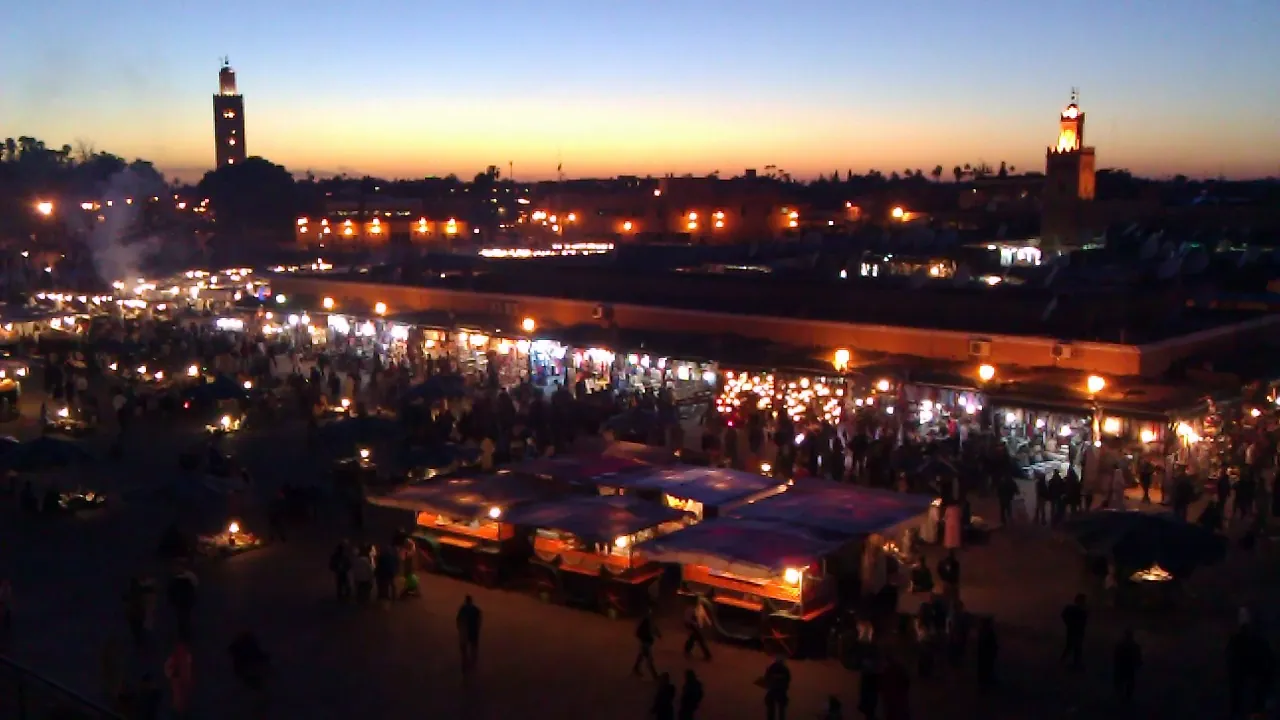
Allow a substantial day for Marrakech's medina and its urban history. The centre is made for observation: tradesmen opening workshops, changing light on traditional buildings, quiet internal courtyards and busy public spaces. Start early if heat and crowds are a concern, and decide which historic spaces are important to you rather than trying to enter every palace in one day. The Moroccan tourism office identifies Jemaa el-Fna, the souks and Menara Gardens as highlights, but the real pleasure often comes from a good sequence of visits and meals, not racing between icons.
A licensed local guide can add useful architectural context and help distinguish long-standing craft practices from goods marketed specifically to tourists. Ask upfront about the length, language, price and any shopping stops included. A visit should not become a pressured succession of stores where the guide expects commissions. If you are visiting places of worship, check whether non-Muslim visitors may enter and follow the relevant rules; do not assume every beautiful doorway is open to all visitors. The difference between an enjoyable cultural day and a frustrating one is often a little advance planning and the freedom to say no politely.
Day three: give Marrakech a different mood
Use the next day to see Marrakech beyond the most photographed square. A museum, thoughtfully chosen garden, contemporary neighbourhood or food-focused walk can reveal a different side of the city. Rather than provide fragile opening hours that may change, identify two or three priorities and check the actual venue's official schedule the evening before. Some visitors will appreciate an early start followed by a long afternoon rest in a riad; others may explore a quieter neighbourhood and dine later. The trip should reflect the traveller rather than force everyone into identical early-morning tours.
Moroccan food merits more than a rushed photo of a tagine. Ask what dishes are characteristic of the neighbourhood or season, and choose establishments on genuine food quality and hygiene rather than intrusive sales tactics. Respect privacy in markets and avoid photographing vendors without consent. If you are interested in a cooking experience, select one that clearly explains what is taught and whether ingredients and cultural context are handled responsibly. The overall aim is not to claim that every market stall is authentic, but to make room for encounters that feel considered and respectful.
Day four: transfer from Marrakech to Essaouira
Move to Essaouira with a credible daytime coach, private driver or other prearranged service. There is no need to invent a guaranteed door-to-door travel time because the final journey depends on traffic, pickup point, stops and your accommodation. Verify current operators and departure locations before purchasing a nonrefundable connection. In Essaouira, stay somewhere convenient for your planned walks rather than automatically choosing the most photogenic old property. If you have limited mobility, ask about the streets around the hotel and access to your room.
Use the rest of the day for a gentle introduction to the coastal landscape, perhaps a walk near the harbour or medina depending on weather and conditions. Atlantic winds can change the feeling of an afternoon compared with Marrakech, and a light jacket may be useful even after a warm inland morning. Do not assume that swimming or water sports are appropriate whenever the beach looks inviting. Ask about local beach hazards, lifeguards and the operator's equipment before joining any activity. A coastal overnight should feel restorative, not like another chore on a national checklist.
Day five: Essaouira at a human pace
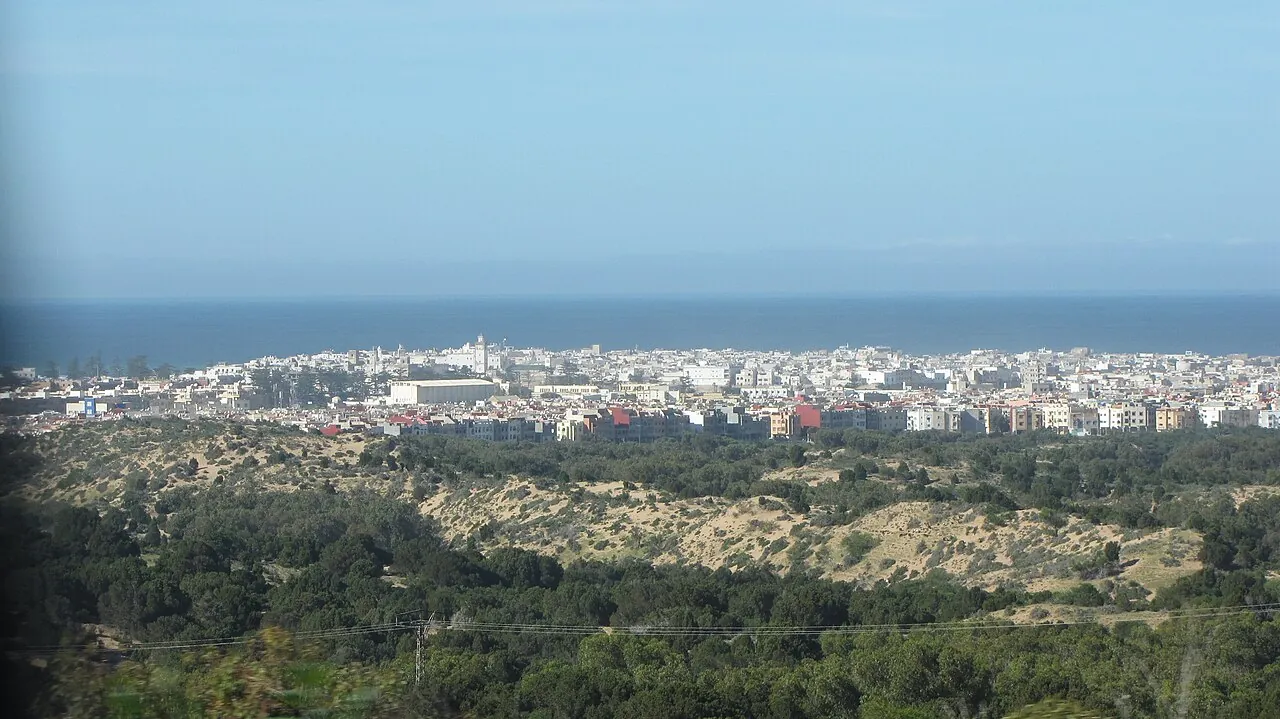
Give Essaouira the entire day. Observe its maritime relationship with the Atlantic, its historic walls, arts and everyday city life without trying to force a long inland excursion between breakfast and dinner. A slower coastal day can be particularly valuable after the stimulation of Marrakech. The town offers a different light, pace and weather pattern. If you encounter working areas of the port, remain considerate of people earning a living. Do not obstruct fishermen or assume that every photograph is welcome.
A coastal guide or local cultural walk may add context, but choose the route you genuinely want. For anyone interested in water activities, insurance and competent supervision are essential; the FCDO cautions that recreational and adventure providers may not meet UK safety standards. The alternative is simply a thoughtful day of walking, seafood or other suitable food, and time by the shore. A good itinerary allows a day to be satisfying without purchasing a string of optional excursions. It is equally valid to remain in a quiet courtyard with a book if the weather turns windy or the group is tired.
Day six: return to Marrakech with a flight buffer
Travel back to Marrakech in daylight, avoiding the temptation to book an expensive flight on the same afternoon as a long overland connection without enough margin. A final city night gives you room to recover from delays and organise baggage. If you need to buy specific items before departing, choose one or two shops rather than leaving an open-ended negotiation in the souk to the last hour of the holiday. Save hotel details and transfer contacts offline in case mobile service is inconsistent.
The last evening is also an opportunity to reflect on the contrasting places you experienced: an inland imperial city and a working Atlantic port. A one-week route does not need the Sahara to justify itself. The journey has allowed five substantial days with a coherent balance of old-city culture and coast. On day seven, depart according to your actual flight schedule, with the airport transfer agreed and a realistic allowance for check-in. The fact that you did not sleep in five different cities is more likely to have improved the trip than diminished it.
Seven-day alternative: Fez, Rabat and northern culture
Travellers arriving in northern Morocco may prefer Fez and Rabat instead of Marrakech and Essaouira. Fez offers one of the country's most significant historic medinas; UNESCO notes its development from the ninth century and its preserved urban character. Rabat has a different civic and Atlantic identity, allowing a comparison between a deeply historic inland cultural centre and a more modern capital. Mainline rail can make the pairing convenient, but verify the relevant ONCF schedule and station choices before promising a specific connection. Some travellers may add Meknes or another nearby place as a day trip, not necessarily another overnight.
Spend several nights in Fez rather than treating its UNESCO medina as a one-hour stop. Choose a qualified guide if the dense lanes and many layers of history would otherwise be confusing. The Moroccan tourism office highlights Fez's historic quarters and craft life, yet it should be approached as a living district with residents, schools and commerce rather than a theme park. A Rabat stay can balance that intensity, with extra room for coastal walks and architectural context. A separate northbound trip to Chefchaouen may be attractive but is best added only when a practical road connection and actual extra nights permit it.
Ten days: add a second region, not every region
With ten days, one realistic ambition is Marrakech, Rabat and Fez connected through the main rail system, provided arrival and departure airports support the direction of travel. Nine nights might be allocated three in Marrakech, two in Rabat, three in Fez and one near the departure connection. Check actual train service and transfer details for each date. A route through Casablanca may be convenient for interchange, but that does not mean the city must become a sightseeing stop merely because a train passes through it. Every additional hotel change consumes time, especially when medina accommodation involves walking with luggage.
Another sensible ten-day choice keeps Marrakech and Essaouira and adds two or three nights in a suitable Atlas foothill base. This route offers a contrast of city, coast and mountains without forcing a cross-country rail itinerary. Choose the variant that suits your interests. The Atlas option needs more attention to weather, safe walking routes and local transport, while the rail option may suit someone who prefers historic cities and simpler connections. The right ten-day trip is not necessarily the one with the most varied photos on a map; it is the one whose travel days leave worthwhile time in each place.
Ten-day city itinerary: Marrakech to Rabat
Start with two or three nights in Marrakech, then arrange the train journey north through the appropriate ONCF route. The national railway provides the backbone for many northern and central city connections, but its service patterns are not the same as an international city subway. Check departures, class, station addresses and the method for collecting or displaying tickets. After arriving in Rabat, allow time to reach the hotel and leave the rest of the afternoon flexible. A tight same-day schedule of rail journey, checked baggage, several monuments and a formal evening booking can become unnecessary stress.
Rabat offers a chance to see national history and everyday capital life through a different lens from Marrakech's tourist-facing souks. Choose a few meaningful sites, a manageable coastal walk and an unhurried meal rather than treating the city as a transit penalty. If the priority is architecture, consider how older quarters and modern public spaces fit together. With two nights you can have an arrival evening and one full day, which is usually more useful than turning the city into a brief platform stop. Continue toward Fez only when you have allowed sufficient time for a second railway journey.
Ten-day city itinerary: Fez and its living medina
Give Fez three nights if possible. UNESCO regards the Medina of Fez as a remarkably preserved medieval urban environment whose craft traditions and architecture developed across many centuries. Start with a licensed cultural guide or carefully planned introductory route, especially if you are unfamiliar with the layout. There is no need to enter every alley or shop. Respect places of worship, working craft spaces and resident privacy. The city remains home to people whose daily lives are not exhibits for visitors.
On a second day, revisit areas that interested you most or explore another cultural site whose current visitor access can be confirmed. Avoid turning leatherworking or other traditional trades into a sensationalised performance; the most valuable part of the visit is learning about skills and material culture without intrusive photography. On the third day, consider a gentle excursion or simply more of Fez. The luxury of several nights is the ability to absorb complexity, returning to a workshop or street with some understanding rather than a hurried first impression.
Fourteen days: a south-eastern journey beyond Marrakech
Two weeks give you the opportunity to build a genuine journey through Marrakech, the High Atlas foothills, Ouarzazate's wider region, the Dades valley and Merzouga's Erg Chebbi dunes. This is a more demanding itinerary than the seven-day Atlantic alternative. It needs careful road planning, mountain-weather flexibility and accommodation at intermediate points, not the fantasy that 'the Sahara' lies on the edge of Marrakech. A workable thirteen-night outline could use three nights in Marrakech, two around Ouarzazate or Aït-Ben-Haddou, two in the Dades area, two around Merzouga, two broken between desert and mountain return corridors, and two final nights in Marrakech. Exact overnights depend on your driver and current roads.
The important choice is between this southern route and a northern rail journey; mixing both extensively within fourteen days can make the holiday a series of transfers. You may want to add Fez or Chefchaouen, but those places are not trivial detours from the desert south-east. For a visitor who loves historic urban culture more than remote landscapes, a different two-week rail-and-north plan can be a better trip altogether. The point of the southern route is the evolving geography: the city, higher valleys, earthen settlements, increasingly arid land and dunes. Keep sufficient time to notice each transition.
Days one to three: the Marrakech foundation
Begin with the city rather than departing immediately for the mountains. A first evening in a riad or convenient hotel establishes the rhythm; the next two days make room for medina architecture, a carefully chosen garden or museum, food and thoughtful wandering. With three nights, an unexpected delay or a tiring flight does not destroy the city's contribution to the trip. The official Moroccan tourism office presents Marrakech as a place where historic markets and newer urban districts coexist; it deserves more attention than a pickup point for tours.
Select accommodation for practical access. Old riads can offer extraordinary spaces, but stairs, inner-courtyard layouts and distances from taxi drop-off points vary enormously. Ask about accessibility, luggage collection and local transport. A guided historical walk should explain the place without pressuring visitors into commercial stops. Buy an excursion only when its inclusion, duration and cancellation conditions are clear. Morocco often rewards a slower first three days because travellers acquire context for the craftsmanship and architecture they may later recognise in southern valleys.
Days four and five: the Atlas crossing and Aït-Ben-Haddou
Leaving Marrakech toward Ouarzazate and the Aït-Ben-Haddou region changes the character of the journey. The landscape climbs into the mountains and later becomes drier, with striking contrasts in light and building materials. Road safety and weather need to guide your departure time and the choice of route. The FCDO specifically warns that secondary and mountain roads can be hazardous in poor conditions. Do not insist on a particular pass if a competent local driver advises a safe alternative or a postponement. An experienced guide can reveal geography and settlements that a hurried private car trip would simply pass.
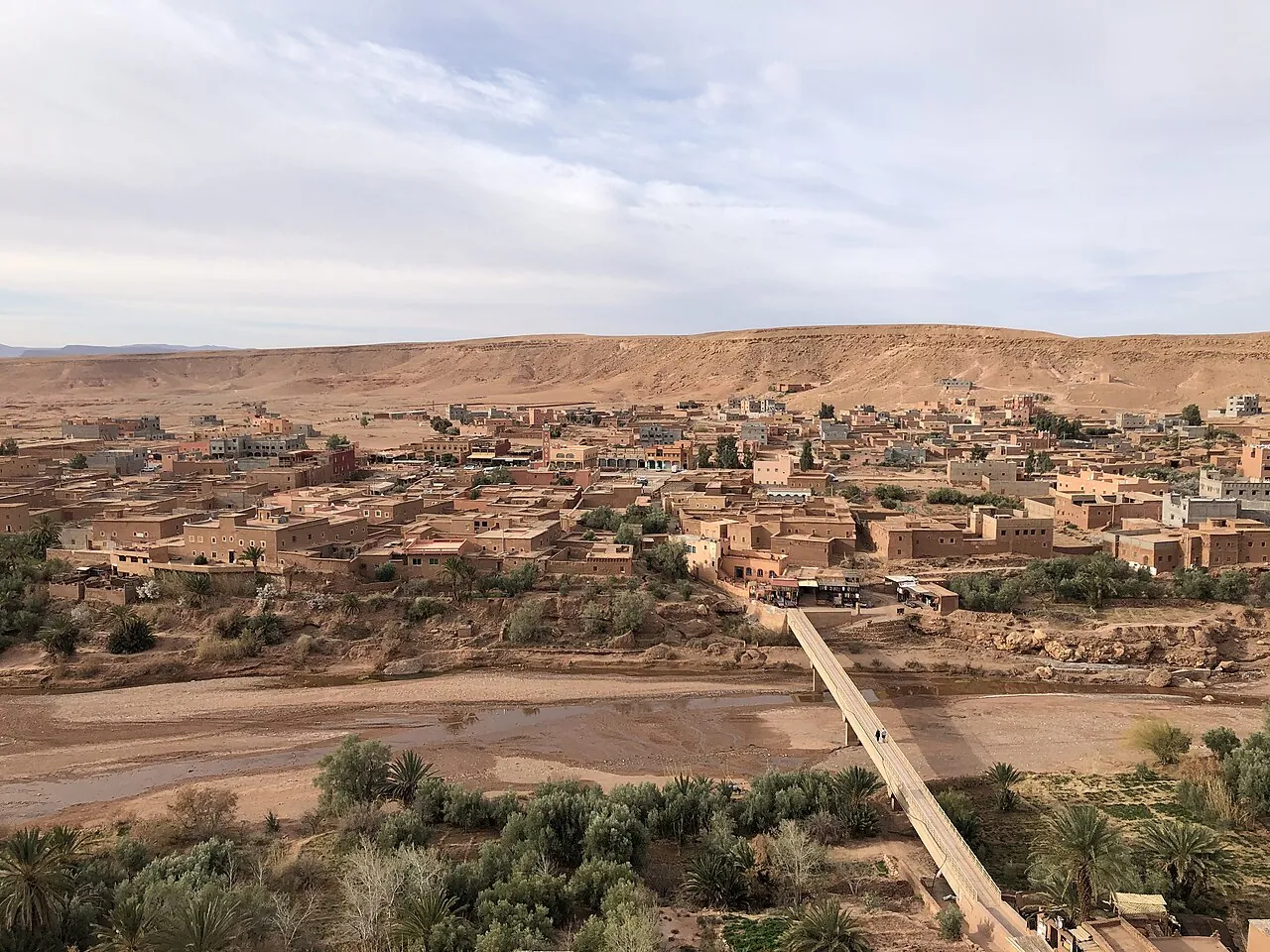
UNESCO describes the Ksar of Aït-Ben-Haddou, in Ouarzazate Province, as a traditional fortified collection of earthen dwellings and a distinguished example of pre-Saharan architecture. The old settlement requires respect: people and communities have made and continue to shape the place. Use managed paths, take time for the architectural details and seek permission before photographing residents or entering private spaces. A night or two in the wider region gives time to appreciate the site rather than reducing it to a midday stop made only for a famous film-associated photograph.
Days six and seven: valleys, earth architecture and slower travel
The next days can explore the landscapes of the Dades area or an adjacent route selected by the operator. This region is not a theme park of canyons and viewpoints; it is a lived-in environment where agriculture, communities and distinctive landforms are part of the experience. Choose one comfortable base and allow a day for guided walks or scenic outings that match the weather and group fitness. A road that looks dramatic in photographs may not be the right choice in rain, snow or darkness. Ask how your driver manages route changes and whether an optional excursion demands a separate vehicle.
Avoid racing to reach a second gorge or a remote lookout simply because it appears on a tour operator's checklist. A good day can include one well-interpreted landscape, a meal and a conversation about vernacular architecture, with no need for multiple hotel keys. For travellers who enjoy nature, the value lies partly in seeing how dry river valleys and village patterns differ from the Atlantic and imperial-city landscapes. Those changes are more memorable when you give them time. The transition toward the desert should feel gradual rather than like a race to an overnight photo opportunity.
Days eight and nine: Merzouga and the Erg Chebbi landscape
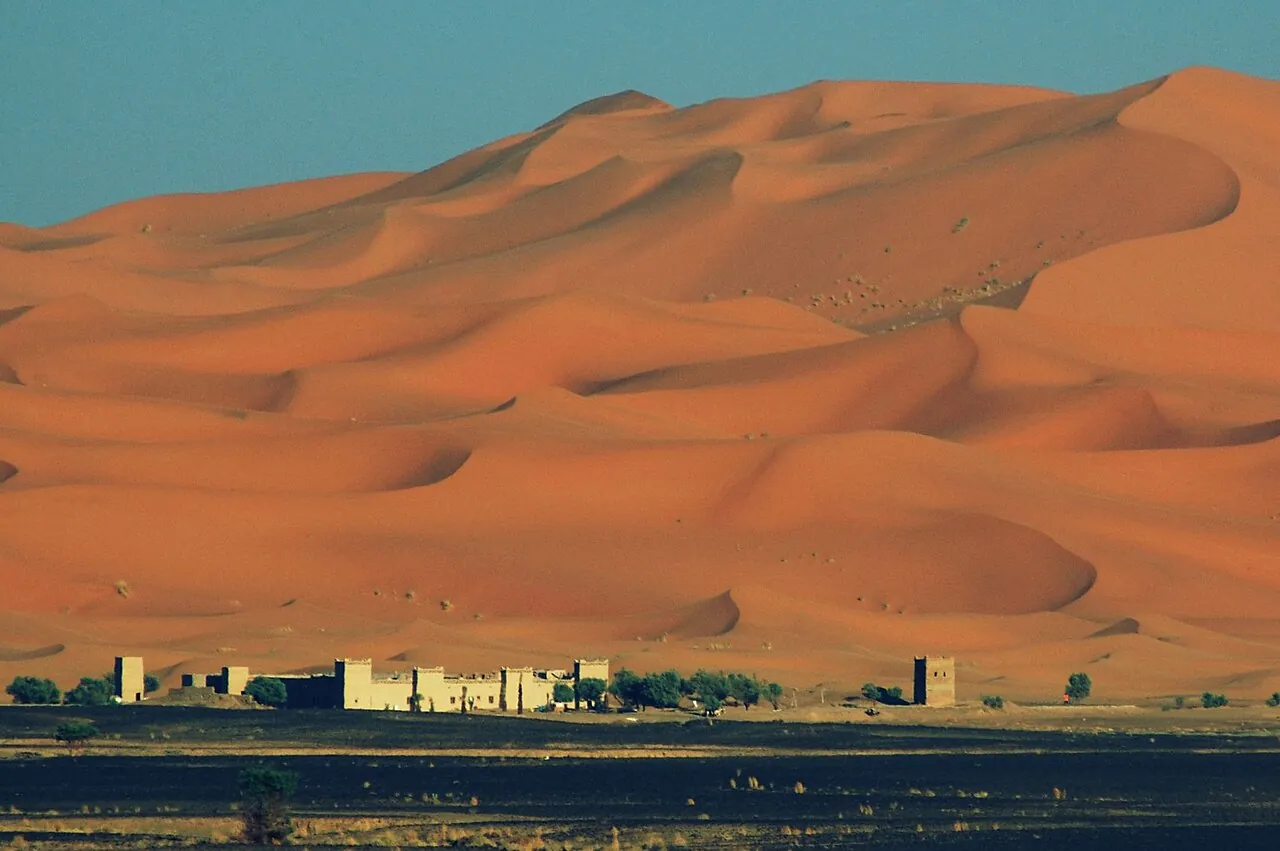
Merzouga lies in Morocco's south-east, and the official national tourism office identifies the nearby Erg Chebbi dunes as a defining landscape. It is a gateway to one particular dune region, not the whole Sahara compressed into a convenient tourist attraction. Arrive during daylight if possible, check the exact location of the accommodation and understand how the last transfer is made. Camps vary widely in comfort, ecological practice, sanitation, heating or cooling, and emergency communications. An advertised 'luxury desert camp' does not tell you whether the access involves a long vehicle route or how the provider would respond to illness or severe weather.
Allow two nights for the area rather than treating it as a single sunset-and-departure performance. Dune conditions, wind and temperature can change dramatically; ask about suitable clothing, hydration and any equipment needed. Activities involving animals, motor vehicles or remote excursions deserve ethical and safety scrutiny. Do not assume that an off-road quad ride is automatically safe or ecologically benign. A quieter afternoon spent observing light on the sand may be more compelling than another noisy activity. The point is to understand this arid environment without treating its residents or wildlife as props for a publicity photograph.
Days ten to twelve: returning without a punishing marathon
After Merzouga, the road back toward Marrakech is long enough to demand a deliberate broken journey. Arrange at least one or two intermediate nights and allow for variations in the road route, the weather and each day's daylight. A travel advert that promises 'desert sunrise, Marrakech dinner' may depend on many hours in a vehicle and leave little margin. The more thoughtful return might pause in a different valley or a suitable town rather than retrace every scenic stop at high speed. Exactly where to spend the nights should depend on the service you have actually booked, not on a timetable invented in a magazine.
Use these days to appreciate how the landscape changes in reverse and to visit one place that was missed during the outward journey. Resting after a desert stay is sensible; sand, sun and vehicle travel can be tiring even when the activities are enjoyable. If heavy rain or mountain snow affects access, a competent provider needs to adapt. Confirm whether the package includes meals and all transfers, and what the refund or rebooking conditions are if a route is not feasible. A route that protects passengers and local communities is more successful than one that completes every advertised attraction regardless of conditions.
Days thirteen and fourteen: a final Marrakech night and departure
Spend the last full day close enough to the departing airport that an unexpected mountain-road delay will not compromise an international flight. Return to a known city base, take care of shopping or a favourite meal and confirm the airport transfer. If you have bought fragile crafts or other goods, pack them appropriately and check airline rules. Leave enough time for ordinary travel errands that are less enjoyable when undertaken under pressure. A concluding night in Marrakech also gives you a moment to compare what you have seen: the craft traditions of a medina, earthen architecture beyond the mountains and the immense scale of a dune landscape.
Day fourteen is travel home or onward. The southern itinerary has deliberately excluded Fez, Rabat, Essaouira and Chefchaouen because trying to insert them would defeat its purpose. Morocco deserves repeat visits. A good first fortnight is not an obligation to see every UNESCO site or famous Instagram location; it is the opportunity to understand why different parts of the country look, sound and feel different. You may finish with fewer named places than a commercial tour promises and much more meaningful knowledge.
Hiking, driving and activities in the Atlas
The Atlas Mountains can be a major attraction but should not be treated as an easy add-on to a city walk. The UK FCDO advises hikers to research trails, prepare for conditions, hire a professional guide and obtain insurance appropriate for their planned activities. Fitness, altitude, temperature and path conditions matter, and a day walk is not the same undertaking as a summit trek. For a group with limited mobility or small children, a scenic drive to a well-accessed village may be a more suitable mountain experience than a challenging footpath. Ask before booking about steep surfaces, toilets, assistance and the ability to turn back.
Driving also deserves care. Mountain roads may be affected by poor weather, with limited lighting or unpredictable traffic beyond major highways. If hiring a car, verify the driving documents required for your licence and insurance. The FCDO currently specifies that British licence holders driving in Morocco need the 1968 version of the International Driving Permit alongside their UK licence and appropriate motor insurance. Those rules are nationality-specific; US and other travellers should check the official requirements that apply to them. Never rely on a blog post that treats legal documentation as an optional detail.
Train, coach and private driver: choose based on the route
Rail is the natural backbone for many northern and central intercity journeys, while the Atlantic coast, much of the Atlas and the south-eastern desert require road travel. Verify current train routes and tickets on ONCF's official platform, because a journey with a named city at each end may include an interchange or a road leg. For the Marrakech–Essaouira corridor, choose a credible coach or driver rather than assuming a railway station exists at every beach destination. For a desert route, use a professional operator if the group cannot confidently manage remote driving and seasonal road conditions.
A private driver offers flexibility, but clarify what is included. Will the driver accompany the group at monuments? Is a licensed cultural guide separate? Are driver accommodation, fuel, tolls and parking covered? Do you have time for a meal at a place of your choosing or only scheduled commercial stops? A less expensive quote may not include any of those items. Conversely, an expensive car is not proof of knowledgeable guiding or good working conditions. Request a clear written itinerary that lists the real stopping points and approximate daily vehicle commitments.
Season, heat and expectations across three environments
Morocco has different microclimates: the Atlantic coast, major inland cities, mountain valleys and desert fringes cannot be described by one national weather forecast. The best dates for a coastal stay may not give the same comfort in Marrakech, and a pleasant city afternoon does not guarantee safe conditions on a high mountain route. Summer can be demanding in hotter inland areas, while mountains can be cold and exposed in winter. Wind may affect coastal activities and dunes, and rain can alter roads in ways that matter much more than the forecast high temperature in your arrival city.
Choose dates in relation to the route rather than using a simplistic universal best-month ranking. For a city-and-coast week, prioritise your comfort exploring on foot and what you want from the Atlantic. For an Atlas or Sahara-oriented journey, make sure the operator understands the season and has contingencies. A reasonable travel plan includes alternatives for a windy beach afternoon, a closed mountain path or a delayed road transfer. The trip does not fail when the landscape has its own weather. It fails when the itinerary ignores that possibility.
Make this guide mine
Use this guide as a starting point, then adapt the trip to your dates, budget, travelling companions and pace. Your guide and destination details will carry into the planner.
