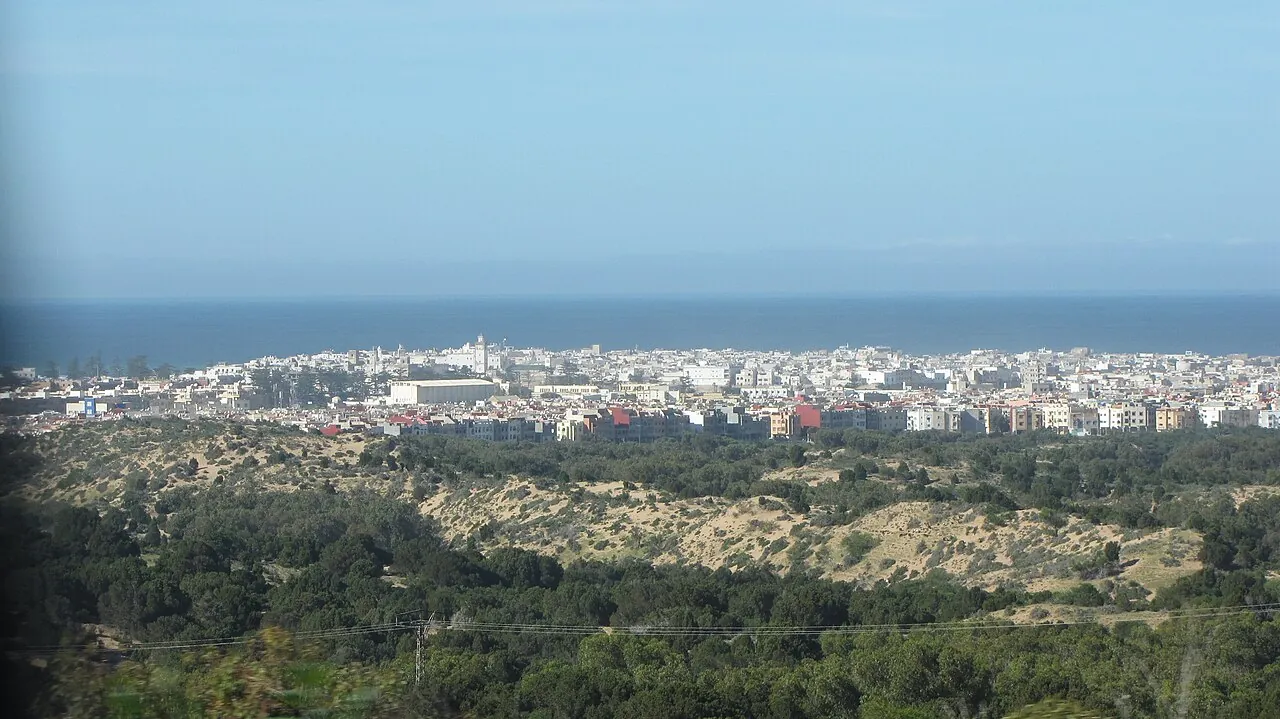

There is no single perfect month for Morocco. The useful answer changes with region, altitude, coast, snow, heat and the kind of trip you are building.
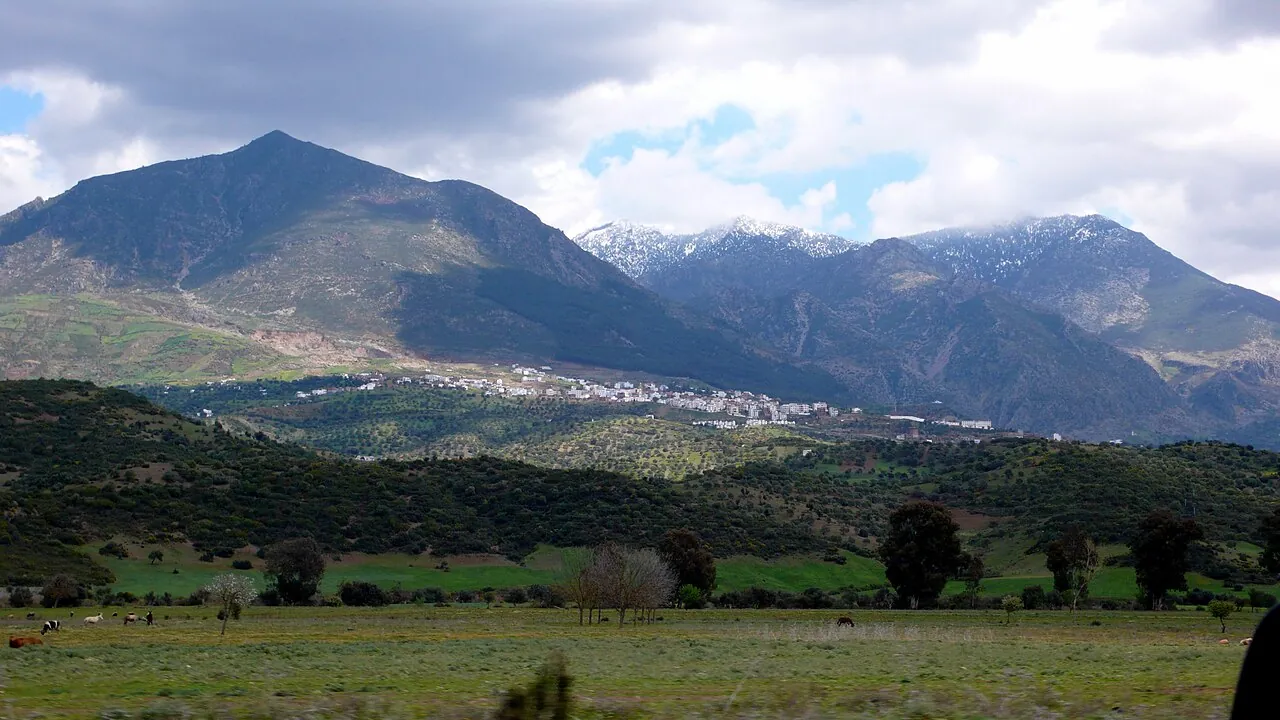
Season planner
- Mar–May — Spring touring: Cities, coast and lower mountains often balance temperature and daylight well.
- Jun–Aug — Hot-season routing: Interior and desert heat require early/late-day pacing; coast/highlands differ.
- Sep–Nov — Autumn touring: Often strong for cities, coast and road trips before winter mountain conditions.
- Dec–Feb — Cooler / mountain-sensitive: Cities remain viable; Atlas nights and high routes can be cold or weather-affected.
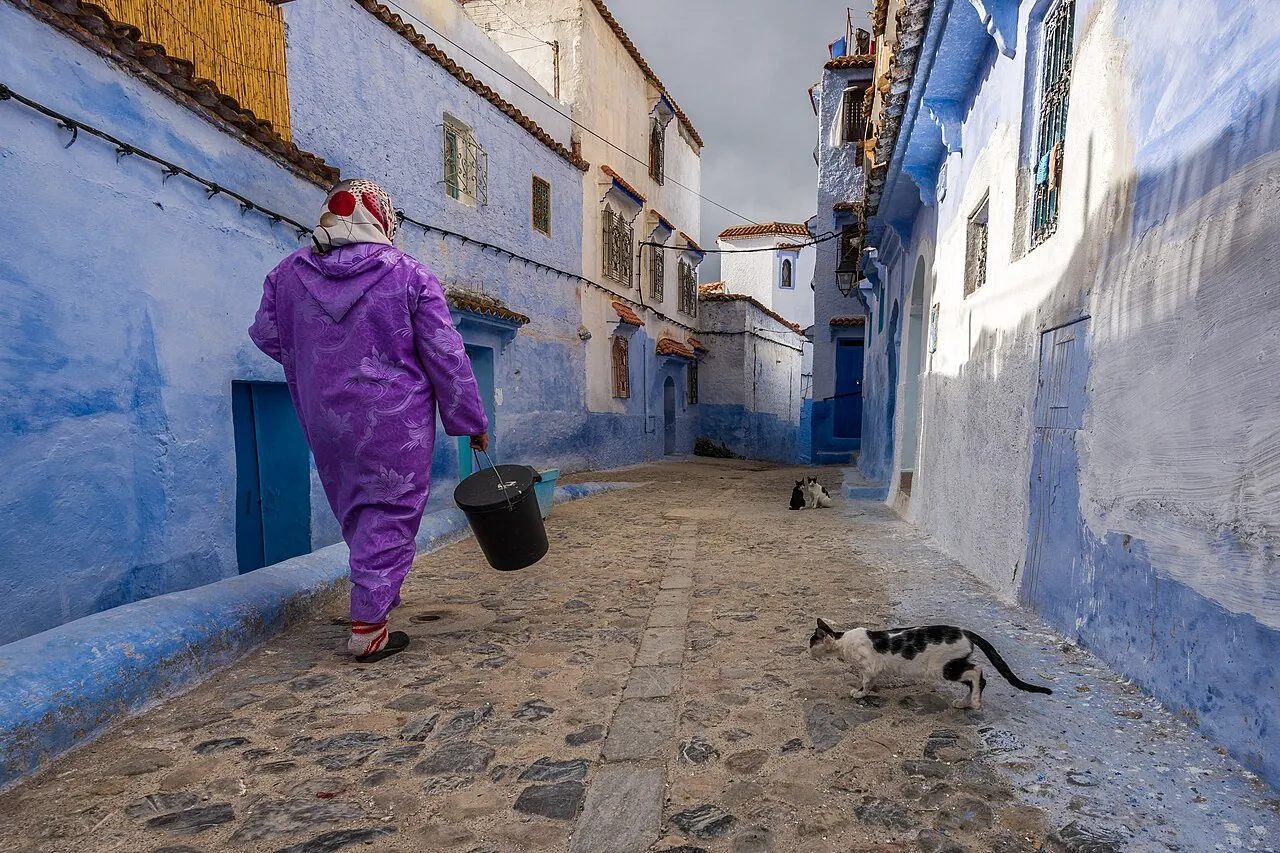
Match season to geography
Atlantic cities and coast; Rif and northern medinas; Marrakech/High Atlas; central imperial-city corridor; south-east desert gateways; Anti-Atlas and southern Atlantic coast. A city weekend, a mountain route and a coast trip can need different answers in the same month.
Crowds are not just a summer problem
Holiday periods, major events, snow seasons and concentrated weekend demand can matter as much as temperature. Book constrained mountain, island or small-town inventory earlier than flexible city nights.
Weather belongs in the final check
Use this guide for durable seasonal patterns, then check the relevant national weather, road, park or transport authority close to departure. Active disruption belongs in live sources, not in evergreen copy.
The planning mistake to avoid
The Sahara is not a quick add-on from every city; road time is part of the trip design.
How to make the seasonal decision
Start with the part of Morocco that would disappoint you most if conditions were wrong, then work backwards. For a route centred on Marrakech, Fes, Casablanca, Rabat, compare daylight, likely temperature range, precipitation or snow exposure, and whether the transport or attraction you need is seasonal. A shoulder month is useful only when the services required by your route still operate at a practical frequency.
Keep at least one flexible day when the trip depends on mountains, coast or weather-sensitive transport. City museums and food stops can often absorb a poor-weather day; a high pass, exposed trail or boat-dependent excursion cannot. That flexibility is usually more valuable than trying to identify one supposedly perfect date months in advance.