
Is Morocco safe? For the millions of visitors who travel there each year, the answer is generally yes. Serious crime against tourists is uncommon, police are visible in cities and tourist areas, and Moroccan hospitality is warm and genuine. What visitors find challenging is the pressure: touts, unofficial guides, aggressive selling and, for women in particular, unwanted attention in some places.
This guide sets out the lasting, practical advice: how to handle the medinas, avoid the common scams, travel safely on the roads, trek in the Atlas, swim on the Atlantic coast and stay on the right side of local laws.
We do not include live alerts, protests or terrorism threat updates here, because they change quickly. For current advice, check the UK Foreign Office (FCDO) travel advice for Morocco or your own government's advice before you travel, and follow TripMag Travel News for updates.
The short answer
- Cities and medinas: generally safe; expect touts, pickpocketing and persistent selling.
- Scams: mostly about money and pressure rather than danger.
- Women travellers: unwanted attention is common; modest clothing and firm responses help.
- Roads: the biggest physical risk, especially at night and in the mountains.
- Mountains, desert and beaches: use licensed guides and operators, and respect the sea.
Navigating the medinas
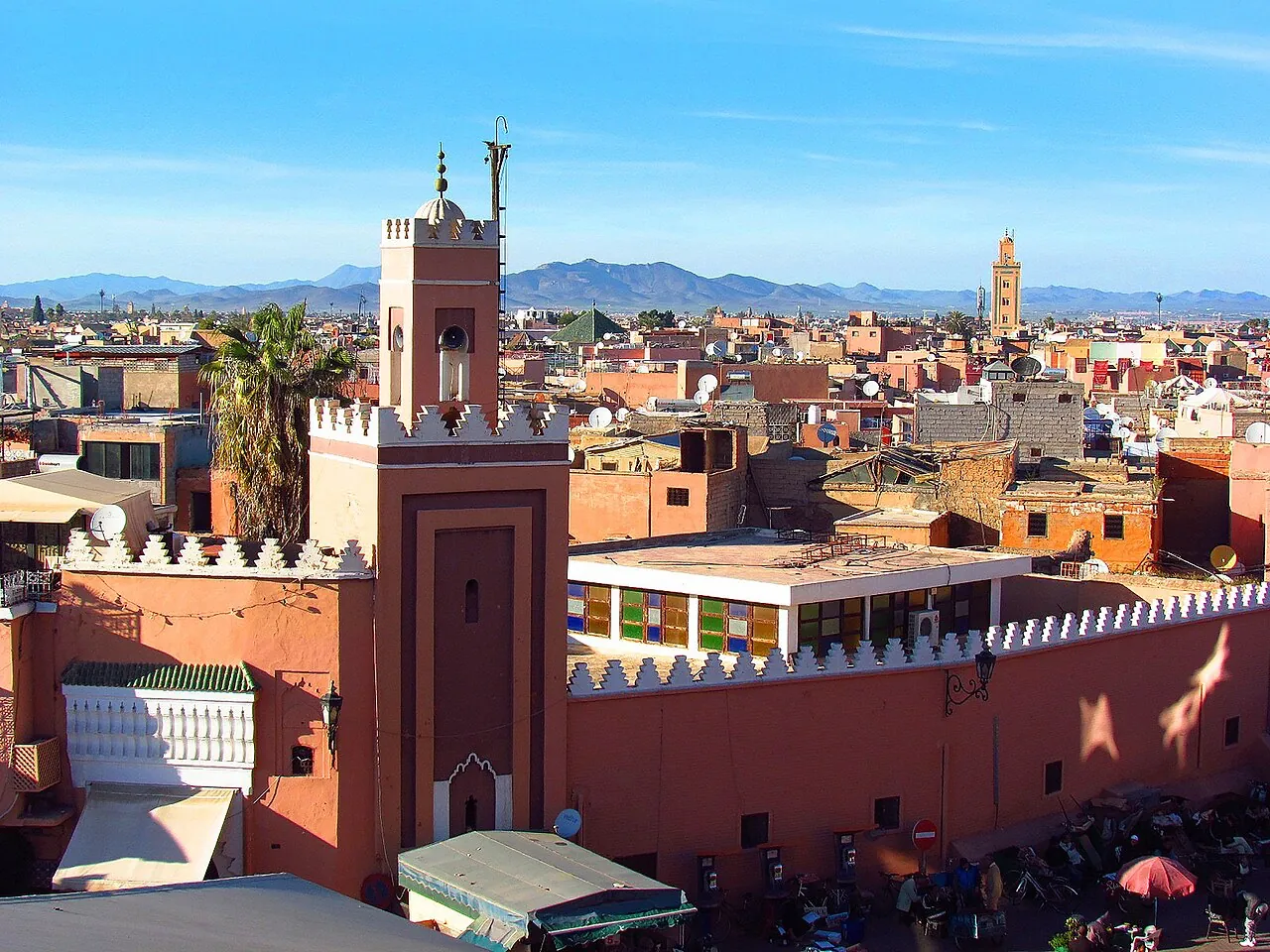
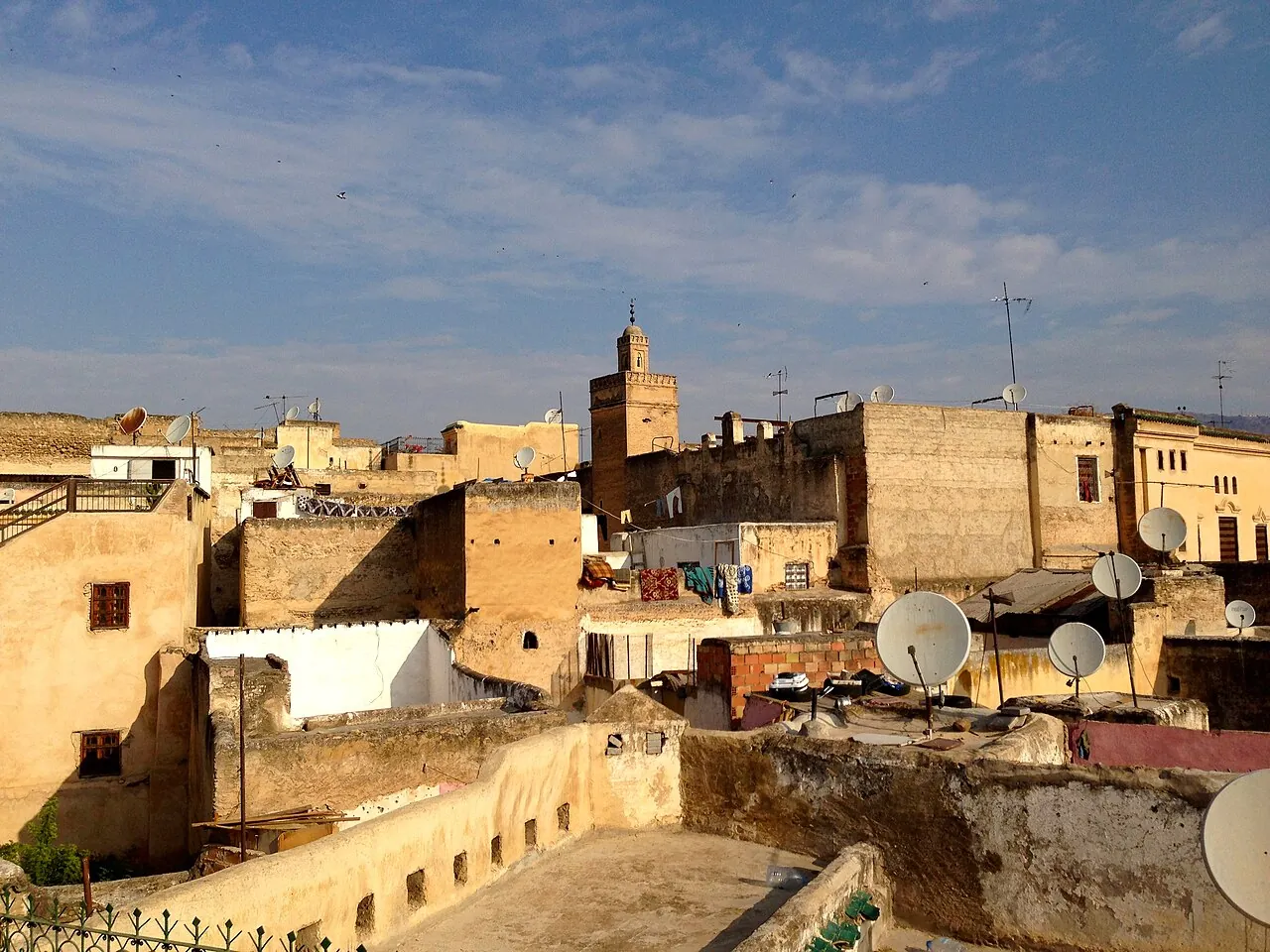
The medinas of Marrakech, Fes, Meknes and Tetouan are mazes of alleys, souks and workshops, and getting lost is part of the experience. Fes el-Bali, one of the largest car-free urban areas in the world, is particularly bewildering. A few habits make it easier:
- Download an offline map and mark your riad before setting out. Many riads will send someone to meet you at the nearest gate or taxi drop-off point on arrival.
- Be wary of unsolicited help. People offering directions often expect payment or lead you to shops. A polite 'la, shukran' (no, thank you) and walking on usually works.
- Use official guides for a guided visit. Licensed guides carry a badge issued by the authorities and can be booked through your riad or hotel.
- Keep valuables secure. Pickpocketing and bag-snatching are common in crowded souks, and motorbikes sometimes snatch bags or jewellery in passing.
- Avoid quiet alleys after dark, and walk back with others or take a taxi to the nearest gate at night.
Common scams and how to avoid them
- 'The road is closed': a stranger tells you the way ahead is closed, or that the mosque or tannery is in another direction, then leads you to a shop or demands a fee.
- Tannery tours: in Fes, people offer to take you to a terrace overlooking the Chouara tannery, then pressure you to buy leather. Visit through a shop you choose, and agree any fee in advance.
- Henna and photos in Jemaa el-Fna: henna artists may start decorating your hand before you agree, and snake charmers, monkey handlers and performers expect payment for photos. Agree prices first, or decline firmly. Animal welfare groups also urge visitors not to pay for photos with chained monkeys or snakes.
- Taxi fares: petit taxis should use the meter. If the driver refuses, agree the fare before getting in or take another taxi.
- Shopping: goods can be swapped after purchase. Watch your item being wrapped, pay by cash where possible and check card statements, since card fraud is common.
- Online and holiday romances: be cautious about relationships formed online or during a visit that lead to requests for money or marriage.
Advice for women travellers
Many women travel in Morocco, including alone, and have wonderful trips. But unwanted attention, such as comments, persistent conversation and following, is common, particularly in Marrakech, Fes and Tangier. It is rarely physical but can be wearing.
- Dress modestly, with loose clothing covering shoulders, chest and knees, especially in medinas and rural areas.
- Respond firmly and keep walking; avoid long conversations with persistent strangers.
- Sit with other women or families on buses and in cafés if you prefer.
- Use riad staff and official guides for help and advice.
- Ask the tourist police for help if harassment becomes threatening.
Money, ATMs and bargaining
The Moroccan dirham is a closed currency, which means you generally cannot buy it before you travel, and there are limits on taking it in and out of the country. Exchange money at banks or official bureaux on arrival, and keep your receipts if you want to change dirhams back before leaving.
- Use ATMs inside banks or in busy, well-lit places, and shield your PIN. People may approach you at machines; finish your transaction before talking to anyone.
- Carry small notes and coins for taxis, tips and souks, where large notes are often hard to change.
- Bargain with good humour. Haggling is normal in the souks. Decide what something is worth to you, start lower and be ready to walk away. Once you agree a price, it is polite to buy.
- Pay attention to commissions. Guides, drivers and touts often earn commission from shops they take you to, which is built into the price.
Riads, hotels and arriving at night
Many visitors stay in riads, traditional houses built around a courtyard deep in the medina. They are atmospheric and usually very secure, but they can be hard to find, especially after dark. Ask your riad to arrange an airport transfer and to have someone meet you where the taxi stops, since cars cannot enter most medina lanes. Porters with handcarts at the medina gates will carry luggage for a fee; agree it first. Keep the riad's phone number and a photo of the entrance with you when you go out.
Travelling with children
Moroccans are famously welcoming to children, and families often find people especially kind and helpful. The main risks are traffic in the medinas, where motorbikes and carts squeeze through narrow lanes, heat, stomach upsets and stray animals; avoid touching cats and dogs, since rabies is present. Keep children close in busy souks and on beaches with strong currents.
Road safety, taxis and trains
Road travel is the biggest physical risk for visitors. Traffic drives on the right. Driving can be fast and unpredictable, roads in the mountains have steep drops and hairpin bends, and motorways have overloaded lorries.
- Avoid driving at night, particularly on mountain and rural roads, where lighting is poor and pedestrians, mopeds and animals use the road.
- Take care on mountain passes such as the Tizi n'Tichka between Marrakech and Ouarzazate, especially in winter weather.
- Expect police checkpoints and speed checks, often with on-the-spot fines.
- Carry the right documents if you drive: Morocco requires the 1968 International Driving Permit alongside your licence, plus insurance and vehicle papers.
- If you have an accident, complete a 'constat amiable' accident report with the other driver.
Taxis. Petit taxis, colour-coded by city, are for short trips within towns and should use the meter. Grand taxis are shared or private cars for longer journeys between towns; agree the fare in advance. Drivers may speed, and petit taxis may pick up other passengers. Some ride-share cars may be unlicensed and uninsured.
Trains. Morocco's ONCF railway is generally safe and comfortable, and Al Boraq, opened in 2018 as Africa's first high-speed line, links Tangier with Rabat and Casablanca. For many routes, trains or established coach companies such as CTM and Supratours are safer than driving. Read our guide to getting around Morocco for the options.
Mountains, desert and adventure activities
The Atlas Mountains. Jebel Toubkal, at 4,167 metres the highest peak in North Africa, is popular and achievable for fit walkers, but it is a serious mountain, with altitude, snow in winter and changing weather. The authorities require trekkers on Toubkal to be accompanied by a licensed mountain guide, and guides are strongly recommended on all longer treks. Carry water, sun protection and warm layers, and check that your insurance covers trekking at altitude.
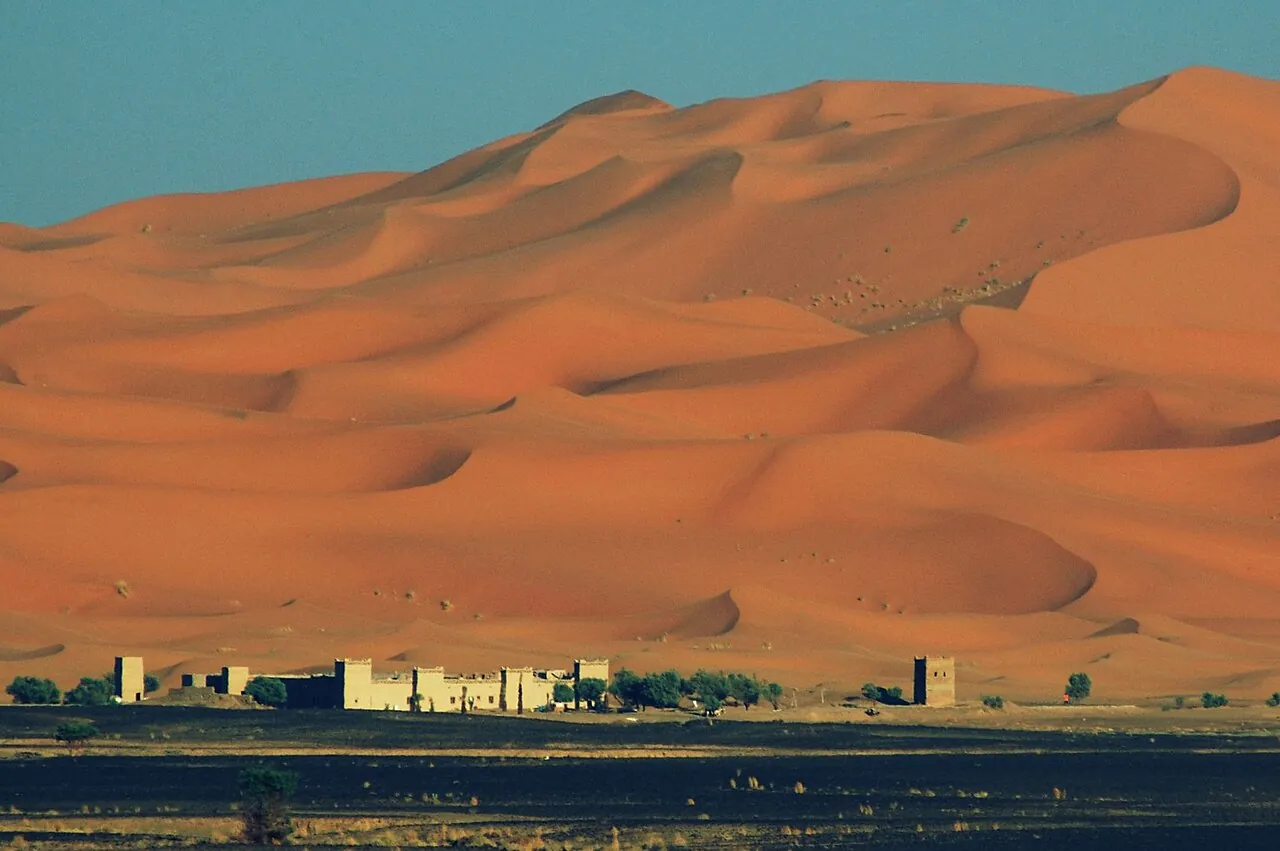
The Sahara. Desert trips from Merzouga and Zagora are usually safe with reputable operators. Temperatures swing from scorching days to cold nights, and summer heat can be dangerous. Book camel treks, desert camps and 4x4 trips through licensed operators.
Adventure activities. Quad-biking accidents are frequent, so wear a helmet and choose established companies. Book hot-air balloon flights over Marrakech only with licensed operators, and check that your insurance covers what you plan to do.
Beaches and the sea
Morocco's Atlantic coast, from Essaouira to Taghazout and Agadir, is famous for surfing, and its currents are powerful. Many beaches have little or no lifeguard cover and few warnings. Swim only at supervised beaches where possible, avoid isolated spots, and learn to surf with an established school. Rivers, lakes and reservoirs can also be dangerous, with deep mud and steep drop-offs.
Health and natural hazards
- Food and water: drink bottled water and choose busy food stalls with high turnover.
- Heat: summer temperatures in Marrakech, Fes and the south can exceed 40°C. Plan sightseeing early and late.
- Earthquakes: Morocco is seismically active, as the 2023 earthquake in the High Atlas showed. Read your hotel's earthquake instructions.
- Flash floods: heavy rain can cause sudden floods in mountain valleys and near rivers, particularly in winter. Never walk or drive through floodwater.
- Wildfires: in summer, be careful with cigarettes and fire in forests and hills.
Laws and local customs
- Alcohol: sold only in licensed venues and shops. Drinking in the street or anywhere other than a licensed bar, restaurant or hotel is illegal.
- Drugs: Morocco has a zero-tolerance policy, including for cannabis, with long sentences and heavy fines. Never carry items for strangers.
- Religion: trying to convert a Muslim to another faith is illegal, and public criticism of Islam, including online, can lead to prison.
- Relationships: sex outside marriage is illegal for Moroccan nationals, and same-sex relations are illegal. Avoid public displays of affection.
- Photography: do not photograph military or sensitive sites, and always ask before photographing people, especially children.
- Drones: you need prior permission from the civil aviation authority to bring one in.
During Ramadan, avoid eating, drinking or smoking in public in the daytime, dress modestly and expect changed opening hours. Non-Muslims are generally not allowed to enter mosques, with notable exceptions such as the Hassan II Mosque in Casablanca, which offers guided tours.
Emergency numbers
In Morocco, call 19 for police in cities, 177 for the Gendarmerie in rural areas, and 15 for ambulance and fire; 112 works from mobile phones. In tourist areas, the tourist police can help visitors. Save your embassy's contact details before you travel.
A calm checklist before you go
- Check your government's travel advice shortly before departure.
- Arrange your riad pickup or directions for arrival in the medina.
- Book official guides through your accommodation.
- Dress modestly, especially in medinas and rural areas.
- Avoid night driving and use licensed operators for adventures.
- Leave drones at home unless you have permission.
Plan the rest of your trip with the best time to visit Morocco, the Morocco travel costs guide, the Morocco itineraries and our Atlas Mountains road trip, and find everything else on the Morocco hub.